
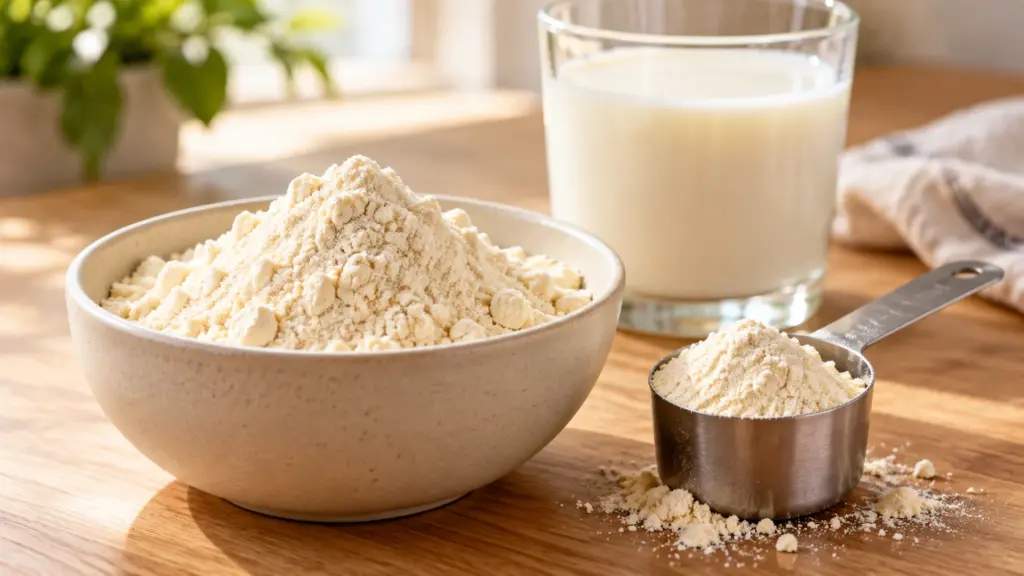
Two tubs can look almost identical while their labels make the choice sound much more complicated than it is. If you are comparing whey isolate and whey protein, start with this distinction: isolate is a type of whey protein, not an unrelated ingredient. The usual shopping comparison is whey protein isolate versus whey protein concentrate.
Choose by the actual ingredient list, protein per serving, tolerance and price—not by the idea that isolate is automatically better. Both forms come from milk, and neither is suitable for someone avoiding milk protein because of an allergy.
Whey Isolate and Whey Protein: What the Names Mean
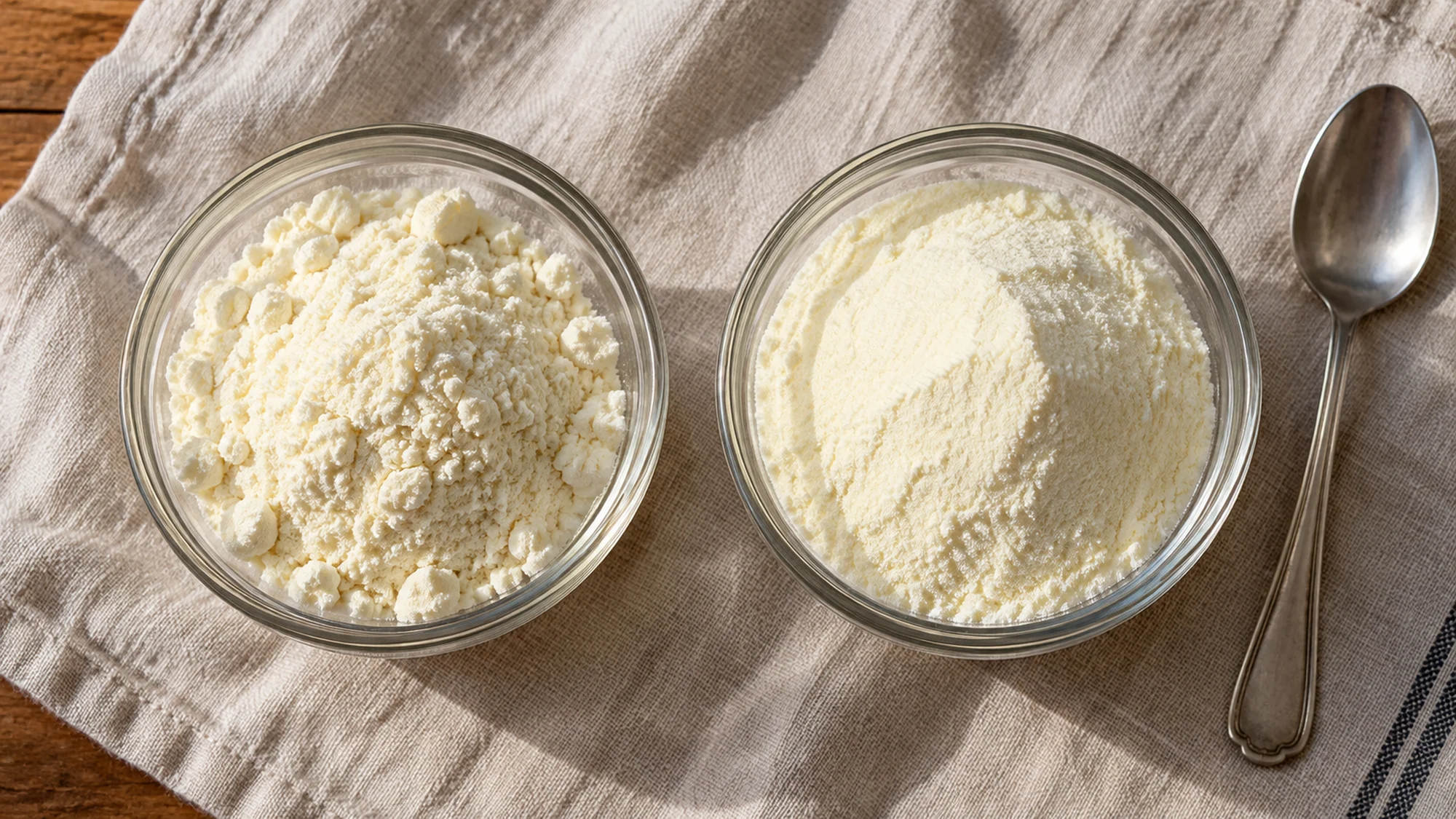
Whey is one of the proteins naturally present in milk. Processing can concentrate that protein or remove more of the accompanying carbohydrate and fat. The U.S. Dairy Export Council’s ingredient guide describes concentrate ingredients as containing 34–89% protein and isolate ingredients as containing at least 90%. These ingredient specifications are not a guarantee about every flavored finished powder.
A tub can contain cocoa, sweeteners, thickeners and a blend of protein sources. That is why I would turn the package around before paying extra for one word on the front. Compare the powder you will actually mix, not an idealized ingredient specification.
| Label term | What it tells you | What to check |
|---|---|---|
| Whey concentrate | A concentrated milk-protein ingredient | Protein, carbohydrate and fat per serving |
| Whey isolate | A more protein-concentrated whey ingredient | Actual lactose information and other ingredients |
| Whey blend | More than one protein ingredient may be present | Which proteins appear in the ingredient list |
| Hydrolyzed whey | Protein has been broken into smaller fragments | Whether the starting ingredient is isolate or concentrate |
The name narrows the comparison; the finished product label makes it useful. An isolate blend and a pure isolate powder are not necessarily the same purchase.
Compare the Serving, Not Just the Scoop
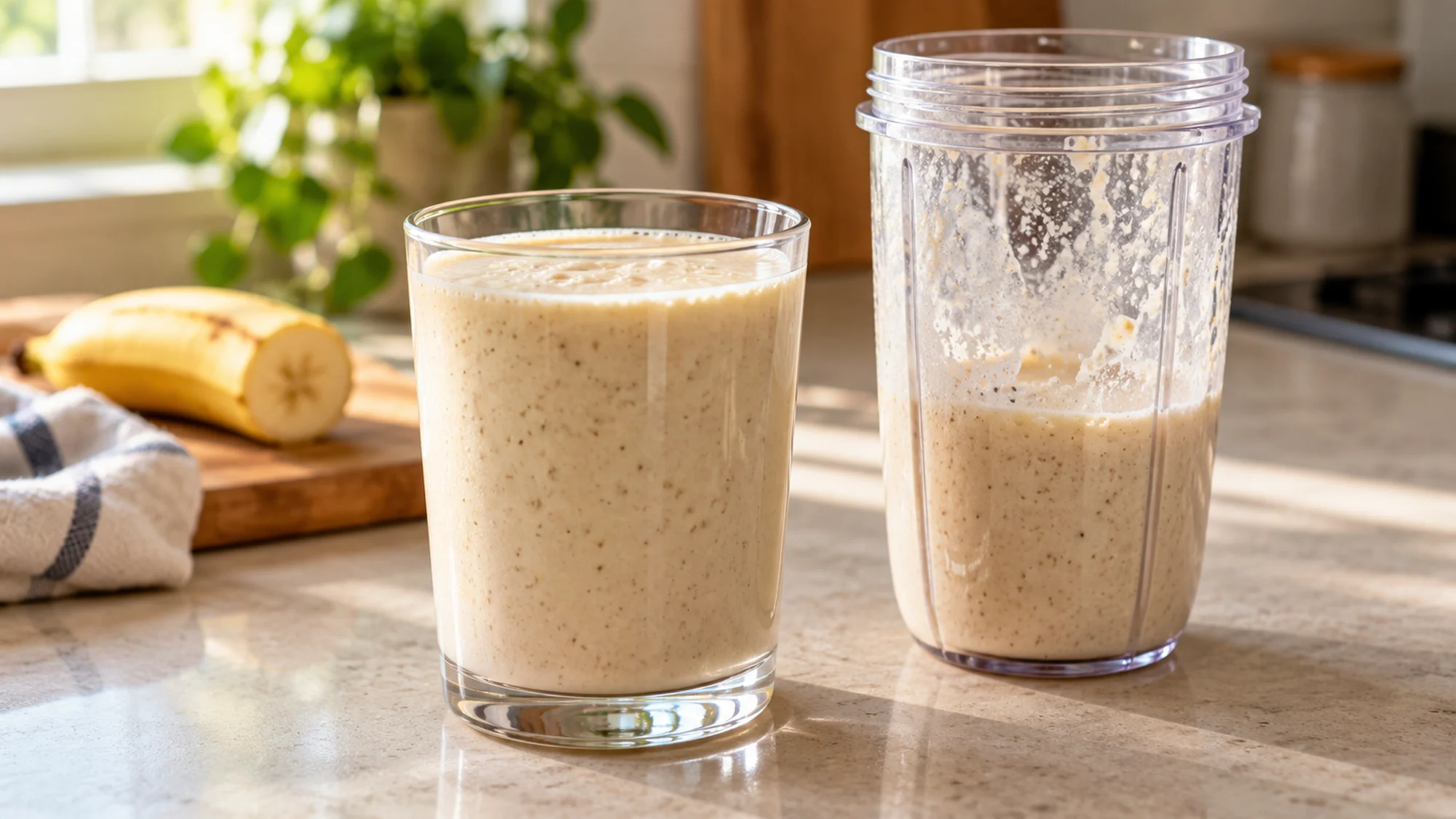
Scoop sizes vary. A larger scoop can deliver more protein simply because it contains more powder, so read the serving weight in grams as well as the protein amount. Keep the mixing liquid consistent: water, milk and a smoothie base produce different finished drinks.
- Protein: compare grams for the same powder weight or the same intended serving.
- Ingredients: notice added sweeteners, flavorings and any other protein sources.
- Cost: divide the package price by its stated servings; for a closer comparison, also compare the protein supplied.
- Flavor and texture: start with a smaller package when possible. A powder that tastes unpleasant to you is not a useful bargain.
I would favor an uncomplicated product that fits the food you already enjoy. Plain powder may be more flexible in yogurt or oatmeal; a strongly flavored option may be convenient in a shake but intrusive in savory food. Follow package mixing directions rather than assuming every powder behaves alike.
A fair comparison uses the same serving basis and includes the liquid. Bigger scoops and extra ingredients can explain differences that the product name alone cannot.

Lactose Tolerance Is Not Milk-Allergy Safety
Isolate generally removes more lactose during processing, but “isolate” is not a universal lactose-free promise. NIDDK distinguishes lactose intolerance from milk allergy: intolerance concerns digestion of milk sugar, while an allergy involves the immune system. A low-lactose milk protein still contains milk protein.
- If lactose causes symptoms, look for explicit product information rather than assuming a category is symptom-free.
- If you have a milk allergy, do not treat whey isolate as a safe substitute for whey concentrate.
- Read the full allergen information. Powders may contain or contact other allergens in addition to milk.
- If a supplement causes persistent symptoms or you have a condition affecting protein needs, discuss the product with your clinician or dietitian.
Less lactose does not mean no milk protein. Keep digestive tolerance and allergy decisions separate, even when a label makes the powder sound especially refined.
Do You Need a Protein Powder at All?
Powder is an optional convenience, not a required food group. The NIH Office of Dietary Supplements review emphasizes adequate overall nutrition and explains that protein supports muscle maintenance and repair. Buying isolate alone does not establish a special training outcome.
- Start with meals: yogurt, eggs, beans, tofu, fish and other protein foods can contribute without a supplement. Our egg-white nutrition guide explains another protein ingredient and its serving-size differences.
- Use powder to fill a practical gap, not automatically on top of an already adequate diet.
- Keep variety: a shake does not replace the range of foods, textures and nutrients in ordinary meals.
Bottom Line
Whey isolate and whey protein are overlapping terms. Read concentrate versus isolate on the ingredient list, compare realistic servings, and let tolerance and usefulness guide the choice. I would spend more only for a difference that actually matters to the person using it.
Myprotein’s explanation below illustrates the processing distinction. It comes from a supplement manufacturer; use the independent references here for the broader nutrition and tolerance context.
Sources
- U.S. Dairy Export Council: U.S. Dairy Proteins
- NIDDK: lactose intolerance facts
- NIH ODS: exercise and athletic performance supplements

Hi, I’m Emily Pocker! I share recipes and food guides here at Recipes360 to help you find everyday meal inspiration and feel more confident in the kitchen. My goal is to make cooking approachable, enjoyable, and full of flavor.