
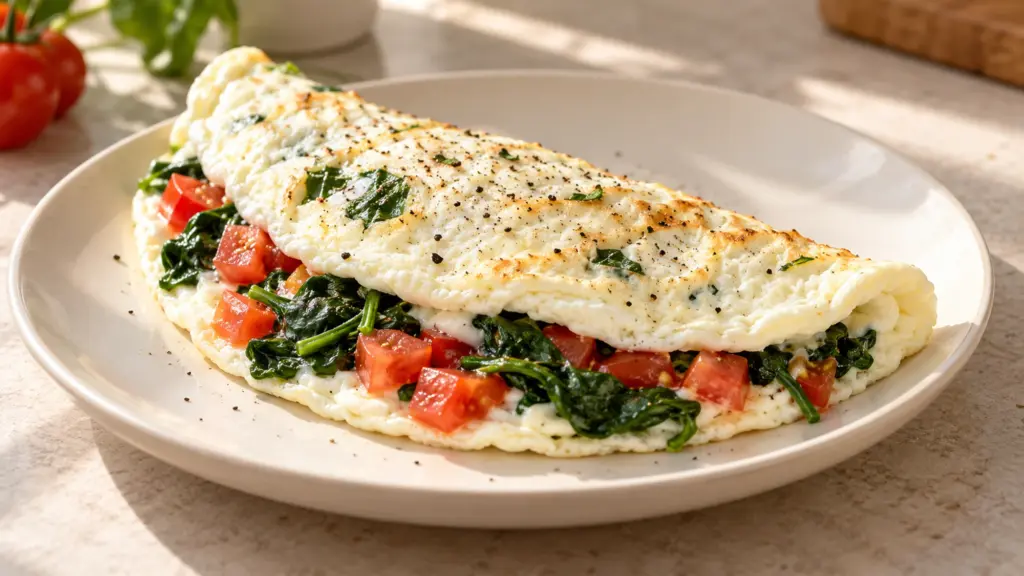
The words on an egg-white carton can make a familiar ingredient sound like a laboratory product. Albumen, albumin and egg-white protein may appear in the same shopping search, but they do not always describe the same form of food.
For ordinary egg whites, egg albumin nutrition mainly means protein with very little fat. One large raw white, about 33 grams, supplies roughly 17 calories and 3.6 grams of protein before cooking or adding other ingredients.
I’d start with the product form and serving weight, not the biggest protein number on the package. A spoonful of dry powder and a spoonful of liquid whites are very different amounts of concentrated ingredient.
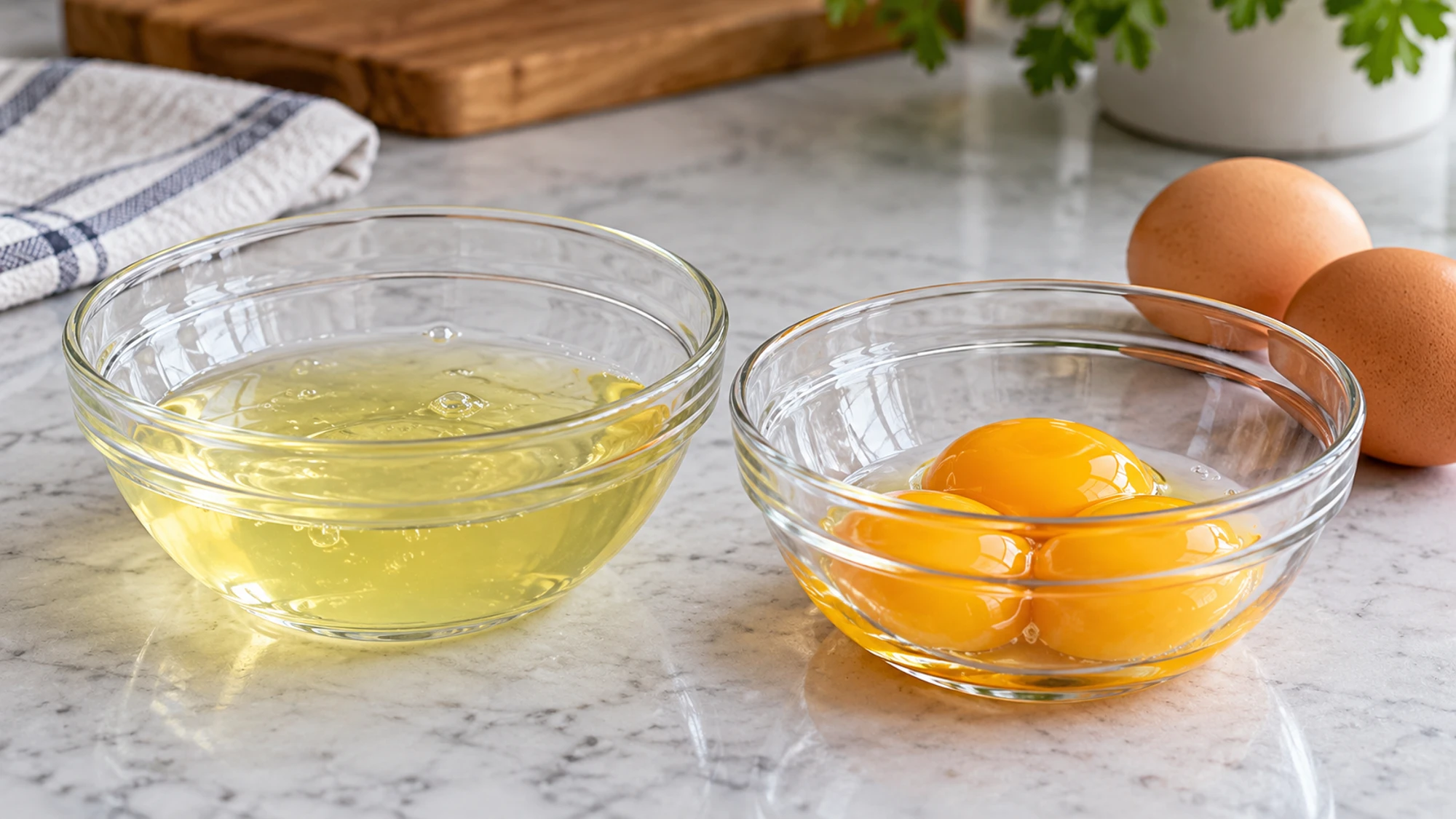
Egg Albumin Nutrition Starts With the Right Ingredient
USDA calls the egg white albumen. In food shopping, “egg albumin” is often used around egg-white ingredients or protein products. Here, the nutrition figures refer specifically to ordinary egg white, not a purified laboratory protein, a supplement blend or a blood albumin test.
That distinction matters because a food name alone does not tell you how much water has been removed. Fresh whites, refrigerated liquid whites and dried powder can all be useful, but their serving sizes are not interchangeable. For powders and blends, read the ingredient list and the product’s own nutrition panel.
A package described as an egg substitute also deserves a second look. It might contain egg whites, or it might be an entirely different formulation. Do not assume the name means egg-free, nutritionally identical to a whole egg, or suitable for every baking task.
Compare the Same Weight Before Comparing Protein
The following reference values come from USDA’s report for raw, fresh egg white, reproduced as a database report by a school nutrition program. They describe the ingredient before cooking, not a recommendation to eat it raw. Figures for two whites are calculated by doubling the one-white values.
Use the table as a baseline, not a promise for every carton. Larger eggs provide more white, and labeled liquid servings may use a different gram weight. Cooking changes water content; butter, oil, cheese or milk changes the finished dish’s nutrition.
| Amount of raw white | Calories | Protein | Fat |
|---|---|---|---|
| 1 large white (33 g) | 17 kcal | 3.6 g | 0.06 g |
| 2 large whites (66 g), calculated | 34 kcal | 7.2 g | 0.12 g |
| 100 g | 52 kcal | 10.9 g | 0.17 g |
Match grams to grams. A dry powder serving cannot be compared fairly with the same spoonful of liquid egg white.
What You Keep—and What You Leave Out
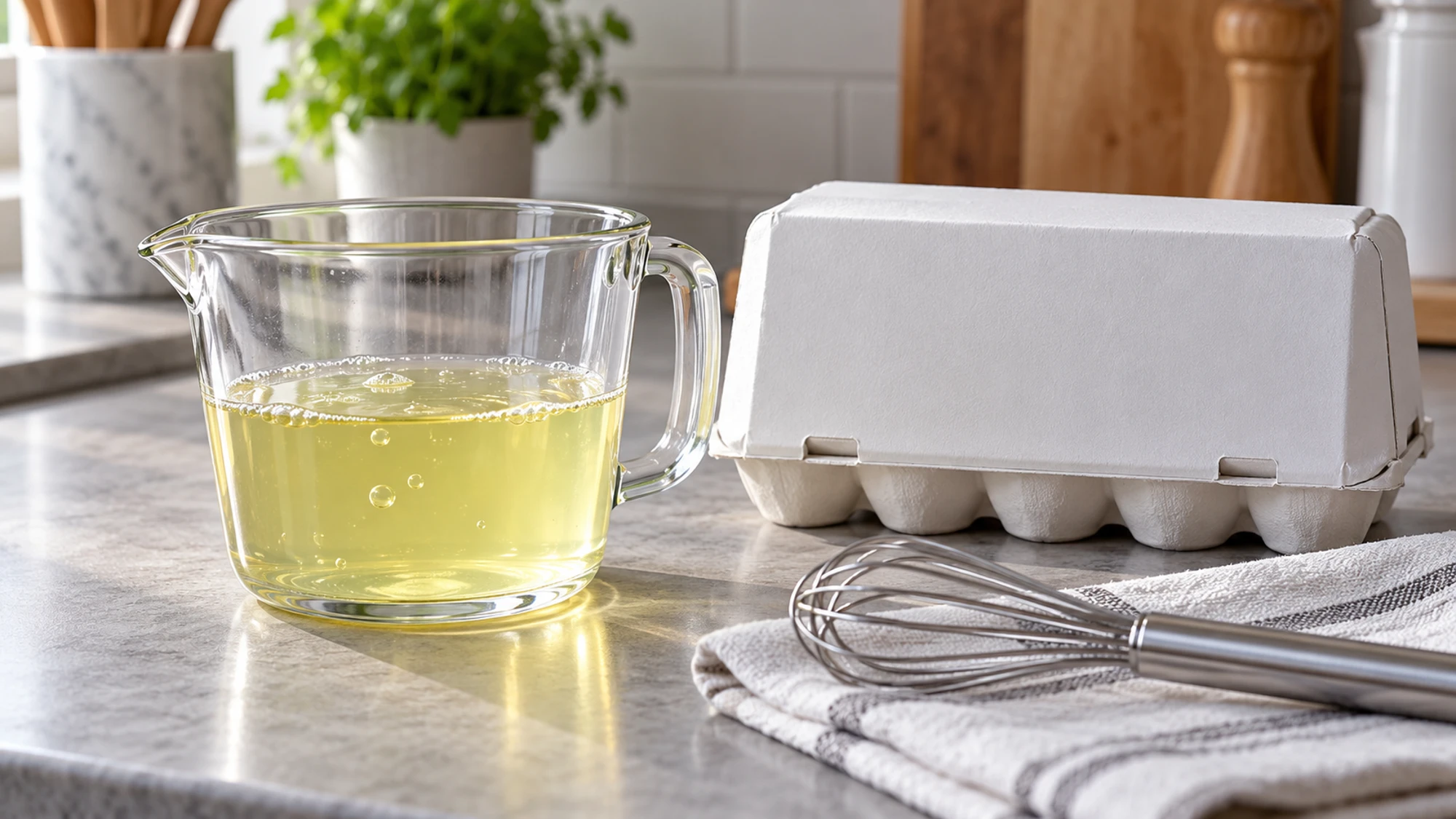
Removing the yolk keeps much of an egg’s protein but changes the overall nutrient mix. The American Egg Board’s composition guide identifies the yolk as the source of the egg’s fat-soluble vitamins and much of its choline, while the white contributes more than half its protein. Neither part is simply nutritional waste.
Whites can be useful when you want extra protein without adding much fat to a dish. That does not make them automatically better than whole eggs, and they do not turn breakfast into a complete meal by themselves. Vegetables, fruit, whole grains or other foods can supply variety the whites alone do not.
For the separate question of protein in the entire egg, see our whole-egg protein guide. This guide focuses on choosing and measuring the white itself, especially when swapping between shell eggs and packaged products.
Choose a Form You Will Cook and Use
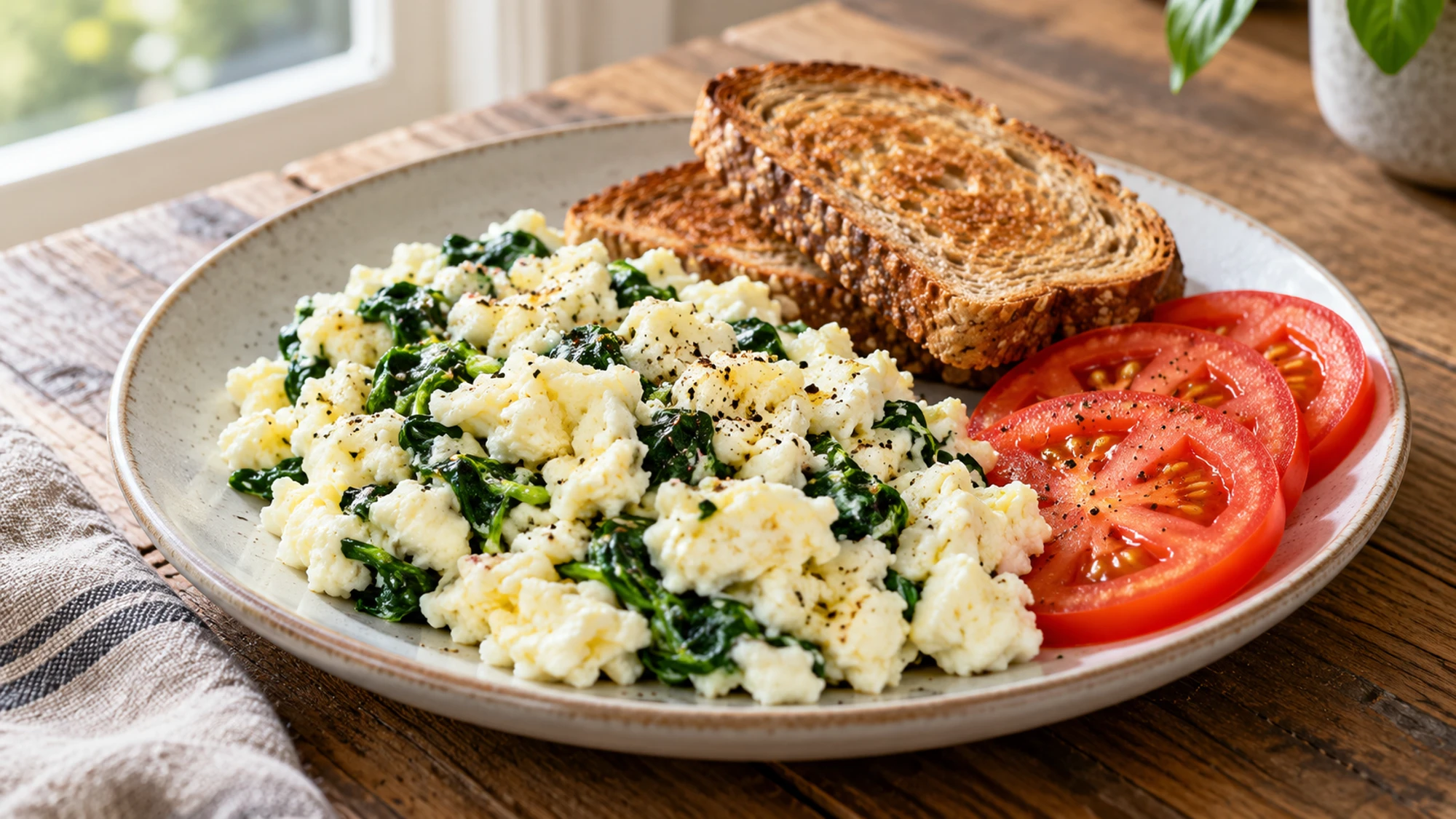
Freshly separated whites suit occasional baking or a cooked breakfast. Liquid whites reduce separating work; use the carton’s stated equivalence rather than guessing how many whites a pour represents. Dried products need their own reconstitution instructions. A meringue mix is not necessarily plain egg-white powder.
For a simple meal, cook whites into a set scramble with vegetables and serve with toast. In baking, follow a recipe written for the product you have: removing yolks changes more than protein, and substituting whites alone can change texture.
FDA recommends cooking whites and yolks until firm, and egg dishes to 160°F. Keep eggs refrigerated at 40°F or below and follow liquid-product storage directions. If a recipe will remain raw or undercooked, use an appropriate pasteurized egg product—not untreated shell whites. Egg whites can trigger egg allergy; removing the yolk is not an allergy workaround.
Bottom Line
Egg whites offer a practical, low-fat protein ingredient, with about 3.6 grams per large white. Compare serving weights, distinguish liquid from dried products, and account for everything added during cooking. Choose whites for the job they do—not because the yolk has nothing to offer.
FDA’s “Playing It Safe With Eggs” video provides a safety companion to the ingredient and serving-size guidance above.
Sources
- USDA: What is albumen?
- USDA raw egg-white nutrient report, reproduced by school nutrition program
- American Egg Board: Egg composition
- FDA: Egg safety
- NSW Food Authority: Egg allergy

Hi, I’m Emily Pocker! I share recipes and food guides here at Recipes360 to help you find everyday meal inspiration and feel more confident in the kitchen. My goal is to make cooking approachable, enjoyable, and full of flavor.