
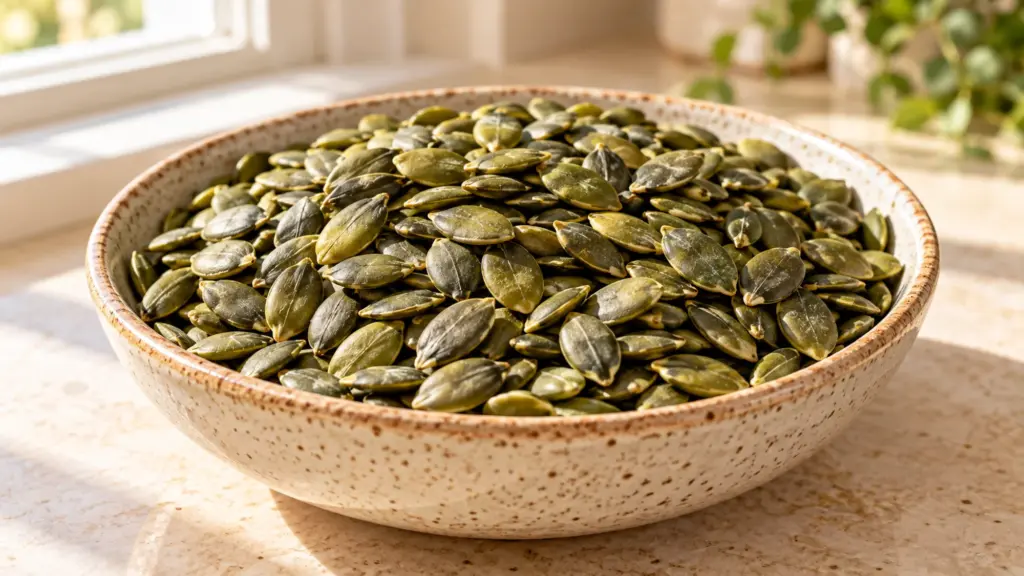
A bag of green kernels and a pile scooped from a pumpkin can both be called raw pumpkin seeds, yet they need different treatment. The packaged kernels are convenient for toppings and cooking; fresh seeds still tangled in pulp need cleaning and proper preparation. Knowing which kind you have is more useful than assuming “raw” means healthier, fresher, or automatically ready to eat.
Choose food-grade raw pumpkin seeds according to the package directions. Green shelled kernels are easy to use; seeds straight from a pumpkin need preparation. Keep them dry, protect them from air, and never use a recalled product.
Raw pumpkin seeds, pepitas, and the shell question
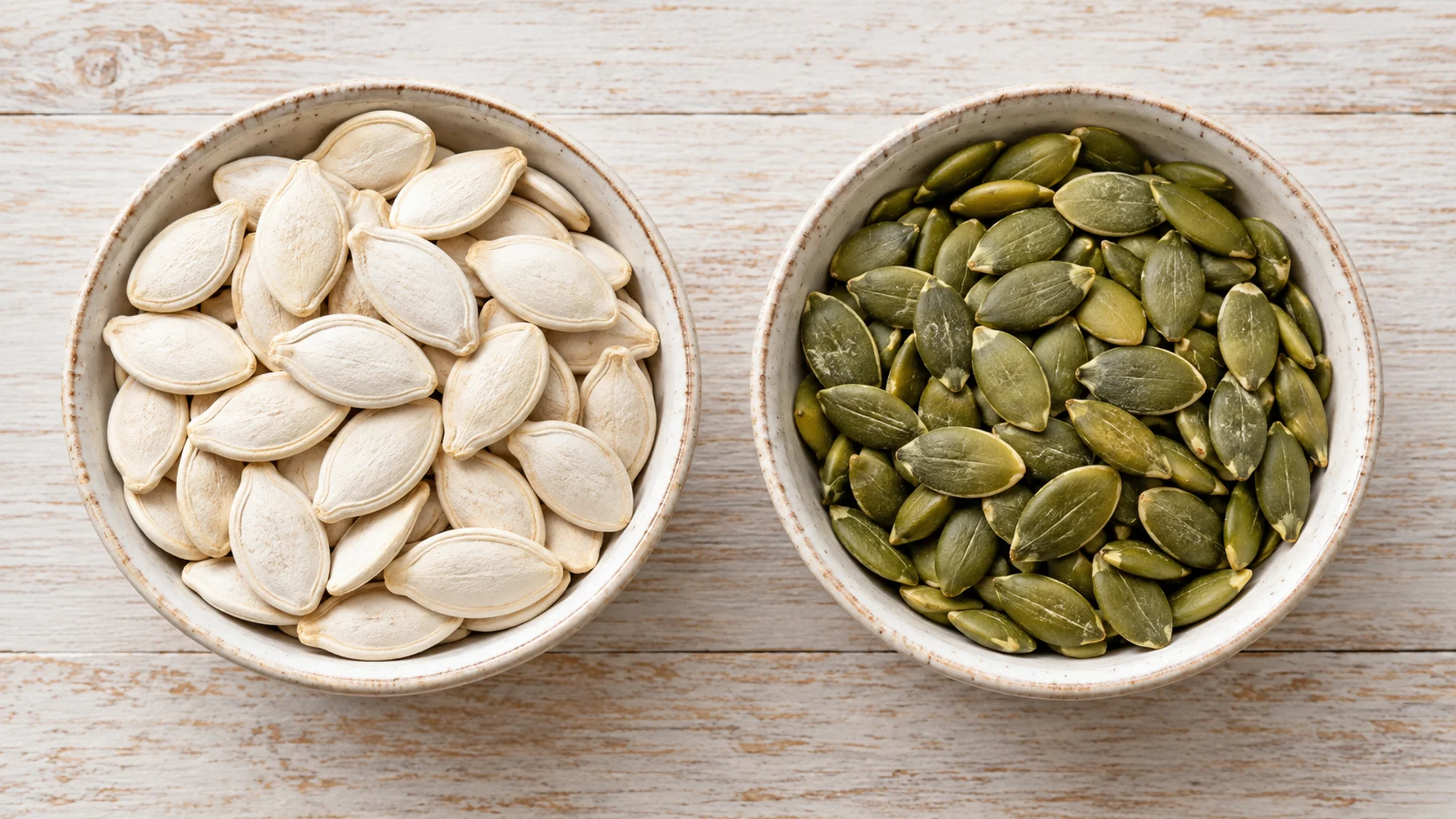
The green part is the kernel. Many familiar pumpkin seeds have a pale outer hull, while some varieties produce seeds without a tough hull. University of Alaska Fairbanks Extension explains that hulls are edible but may be difficult to chew. That difference matters when you want a smooth sauce rather than a crunchy snack.
I would buy hulled kernels for everyday cooking instead of turning lunch into a shelling project. Check the actual product, not just the word pepitas: sellers use the name broadly, and salted, roasted, and raw versions are not interchangeable in every dish.
| What you have | Best starting point | Watch for |
|---|---|---|
| Packaged raw kernels | Follow the label for eating or cooking | Added salt, preparation instructions, and freshness |
| Fresh shell-on seeds | Separate from pulp and prepare with a reliable method | Wet seeds are not a shelf-stable pantry snack |
| Roasted kernels | Use when a toasted flavor suits the dish | Seasonings may change a sweet or delicate dish |
Use them for texture, not just a topping
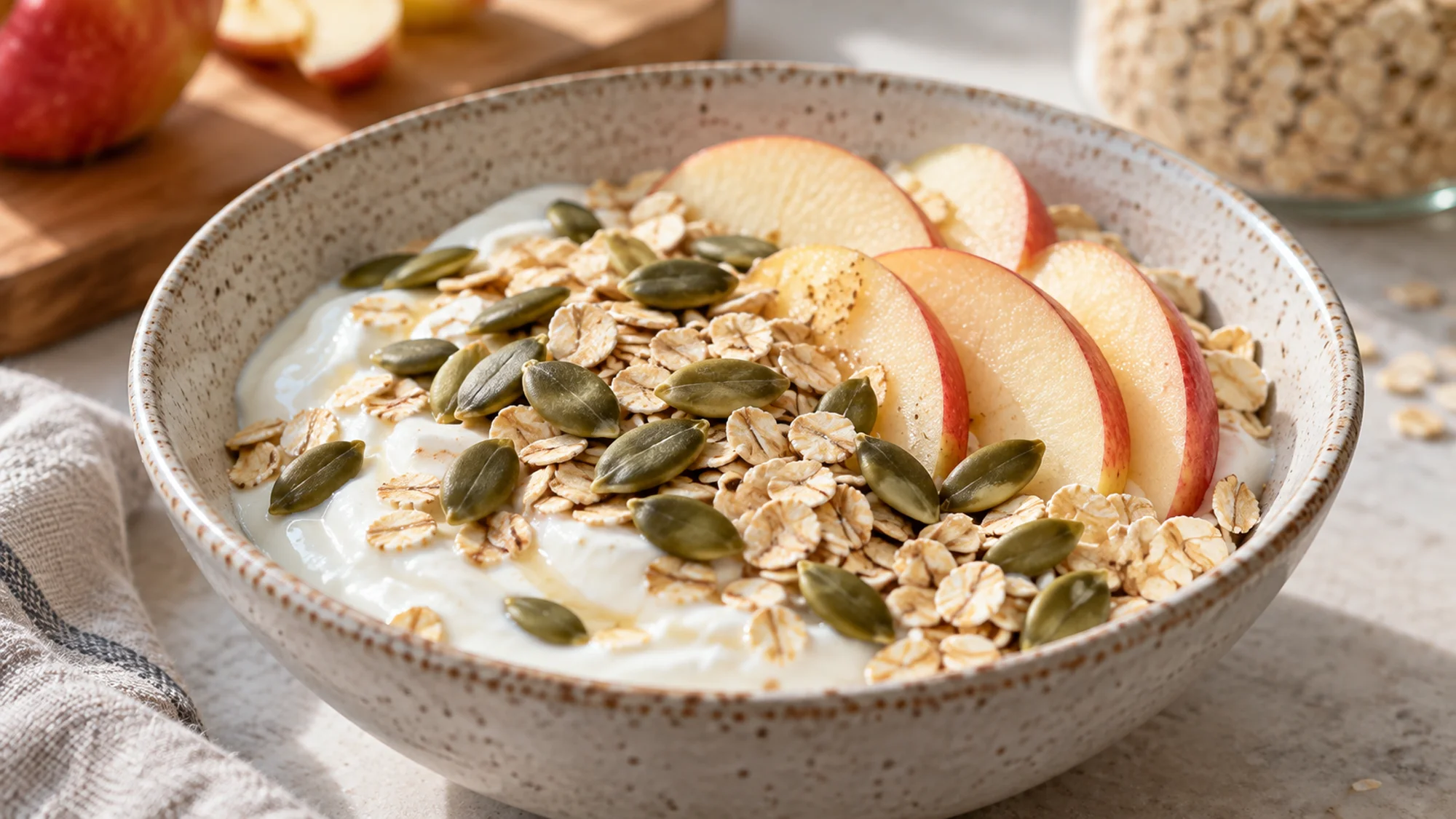
Raw kernels have a milder flavor than toasted ones, so they can sit quietly beside fruit or vegetables. If your package is sold for eating without further cooking, try a small scattering over yogurt or a salad. Start with enough to give each spoonful some contrast rather than covering the meal in seeds.
- For breakfast: combine kernels with oats and fruit when you want a little chew without a strongly roasted flavor.
- For a sauce: use a recipe written for hulled seeds. Our pipián verde shows how toasted pepitas help build a substantial sauce.
- For baking: follow the recipe’s specified seed form. A raw kernel added before baking does not have the same starting texture as a seasoned roasted snack.
For a warmer, nuttier result, toasting is a culinary choice. The UAF guide describes stirring hulled seeds over medium-low heat until aromatic. That cooking cue is not a validated treatment for a contaminated or recalled batch; do not try to make an unsafe product usable at home.
What the nutrition label can actually tell you
Seeds can contribute protein, fat, and minerals, but compare the same edible portion when looking at two packages. An ounce of kernels is not equivalent to an ounce weighed with thick shells. Added oil, sugar, or salt can also make the labels tell different stories.
The NIH magnesium food table lists 156 milligrams in one ounce of roasted pumpkin seeds. That is a reference for the stated roasted preparation—not an exact laboratory result for your raw product. Magnesium supports normal body functions, but a nutrient-rich food is not a treatment for a deficiency or a promise of better sleep.
- Use the package serving size as a comparison tool, not a rule that you must eat a particular amount.
- Check sodium when choosing between plain kernels and a flavored snack.
- For more food options, our magnesium-rich foods guide compares practical portions across several ingredients.
Store raw pumpkin seeds carefully and take recalls seriously
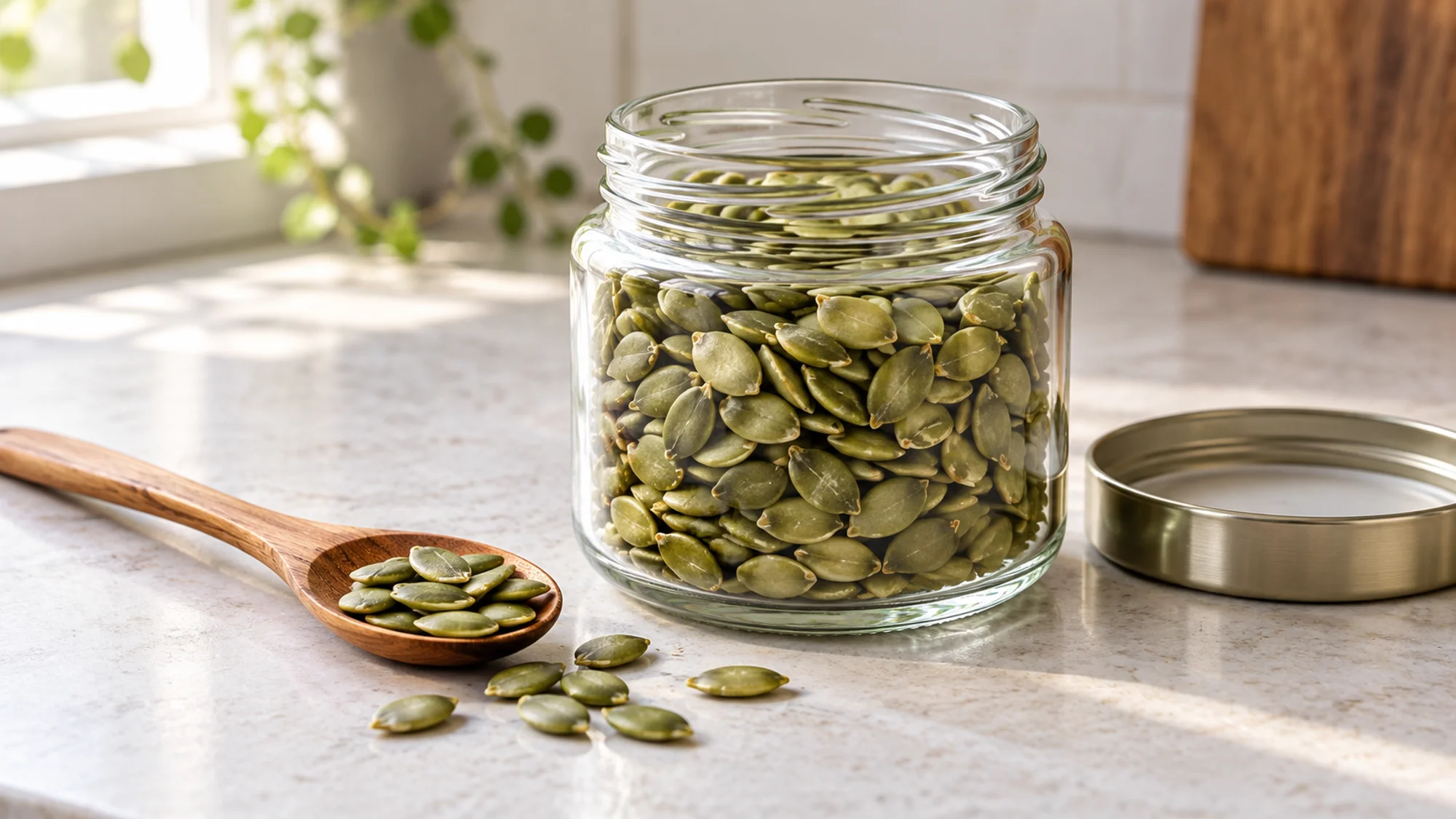
Buy an amount you can use while it is fresh, close the package tightly, and follow its storage instructions. Keep a clean, dry spoon in the routine rather than dipping a wet utensil into the bag. I would choose a smaller bag over a bargain-sized one that will sit forgotten beside the stove.
For home-prepared dried or roasted seeds, UAF recommends airtight refrigeration for no more than 10–14 days, with freezing for longer storage. That guidance is not a blanket shelf life for every commercial package. Discard moldy or musty seeds; an off smell can flag deterioration, but a normal smell cannot prove food is free from harmful bacteria.
Contamination is possible: an FDA-posted May 2025 pumpkin-seed recall concerned potential Salmonella. It was a specific product notice, not a statement that all pumpkin seeds were affected. Follow the FDA’s recall guidance: check the named product and lot, then follow the notice rather than tasting or roasting a recalled food.
Bottom Line
Buy the form you will actually use: hulled kernels for easy mixing, and shell-on seeds only when you want to prepare them. Let the label guide handling, keep storage dry and sealed, and treat freshness checks and recall checks as different jobs.
Muy Bueno’s video demonstrates a seasoned roasted-pepita option if you decide to cook your kernels rather than use them plain.
Sources
UAF Extension: Pumpkin seeds
NIH ODS: Magnesium
FDA: May 2025 product recall
FDA: Understanding food recalls

Hi, I’m Emily Pocker! I share recipes and food guides here at Recipes360 to help you find everyday meal inspiration and feel more confident in the kitchen. My goal is to make cooking approachable, enjoyable, and full of flavor.