
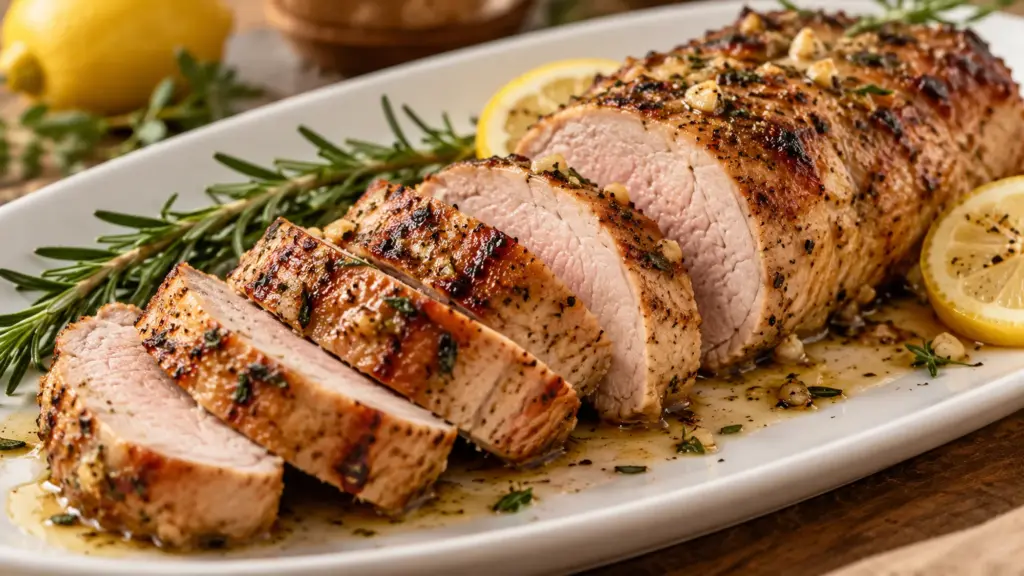
A pork fillet can go from beautifully tender to disappointingly dry while you are deciding whether it needs another minute. This pork fillet marinade brings lemon, garlic, rosemary, and Dijon to the surface, while a thermometer—not the marinade—helps you protect the texture.

This pork fillet marinade is designed for one pound of pork tenderloin. Give it 30 minutes to four hours in the refrigerator, grill until the thickest part reaches 145°F, then rest before slicing. The lemon zest supplies plenty of citrus aroma without flooding the meat with juice.
Pork fillet and pork tenderloin refer to the same small, slender cut here. A broad pork loin roast is different and needs a different cooking plan. I would choose a plain, unseasoned tenderloin so the salt and flavor in the marinade stay under your control.
Serving Suggestions for Pork Fillet Marinade
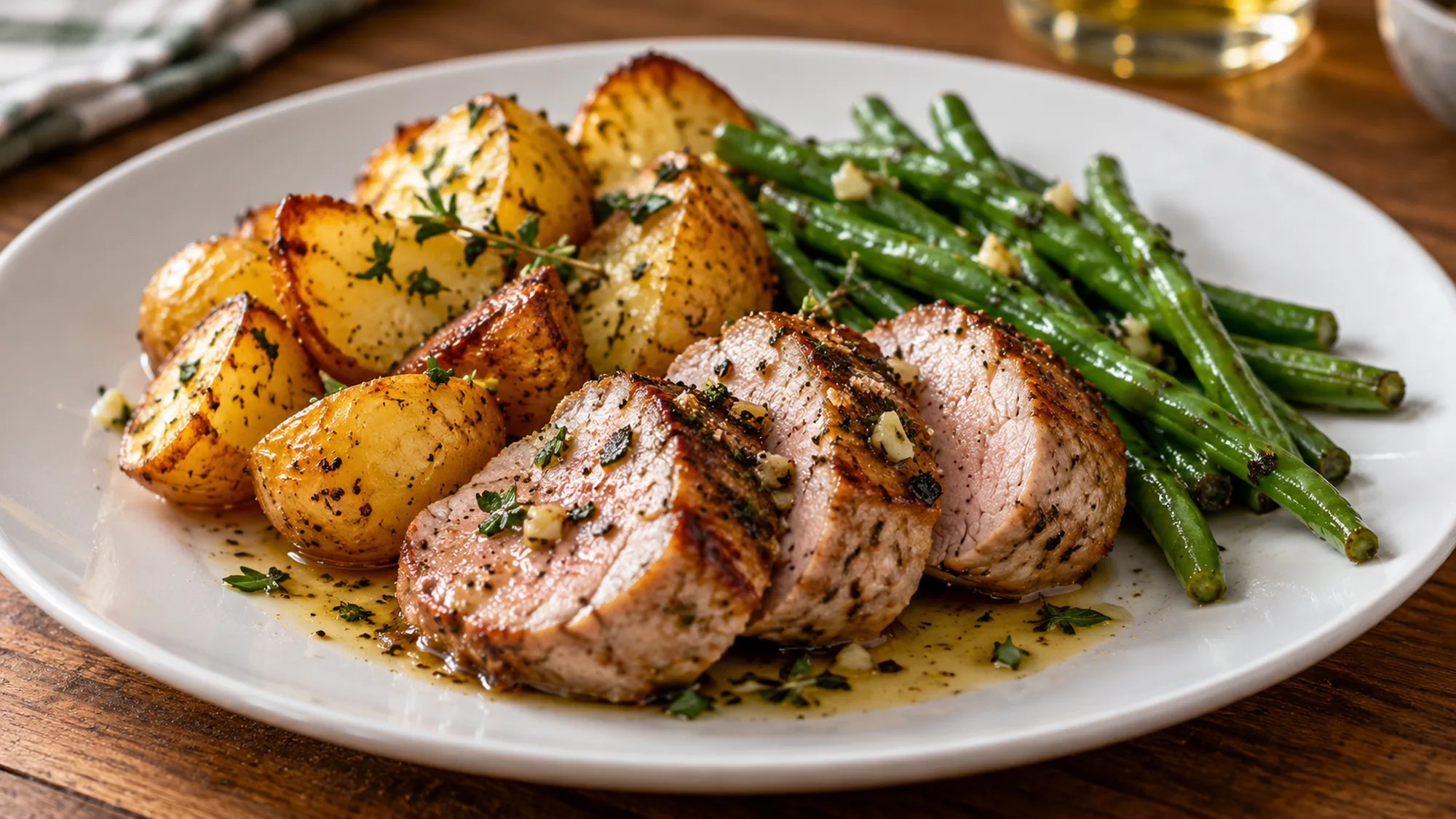
Slice the cooked fillet across the grain into small medallions and spoon any resting juices over the meat. A little browning around each piece gives contrast to the tender center. Keep the slices fairly thick if dinner will wait a few minutes; thin slices cool much faster.
For an easy plate, add an air-fryer jacket potato and a crisp green salad. Rice, roasted carrots, or warm lentils also suit the lemon and rosemary. There is already plenty of flavor on the pork, so the side dishes do not need an elaborate sauce.
I prefer something crisp or fresh alongside marinated meat—a handful of dressed greens does the job. If you want extra lemon at the table, use a fresh wedge rather than liquid that has touched the raw pork. The used marinade belongs in the discard bowl, not the serving jug.
Plan for leftovers before cutting the whole fillet. Refrigerate cooked pork promptly in a shallow container and use it within three to four days, as USDA recommends. Reheat leftovers to 165°F; a little water in a covered pan helps limit drying.
Build the plate around the citrus-herb flavor, and keep raw-meat utensils away from the finished slices. A clean platter is a small detail that matters.
Pork Fillet Marinade Variations
The basic balance is oil, a little acid, aromatics, and seasoning. Dijon helps the mixture stay together, while a small amount of honey rounds the sharper flavors. It is not a thick sugary glaze, so the meat can brown without needing repeated basting.
| Change | What to expect | Useful adjustment |
|---|---|---|
| Thyme instead of rosemary | A softer herbal note | Use the same amount of chopped fresh herb |
| Orange instead of lemon | A sweeter citrus profile | Replace juice and zest; keep the marinating window |
| No honey | A sharper, less rounded finish | Omit it; no extra liquid is needed |
| A little chili | Warmth without a barbecue glaze | Add a pinch of flakes to the marinade |
Longer is not automatically better. Keep this lemon-based version within the stated four-hour window for a predictable surface texture. The marinade flavors the outside; it does not rescue an overcooked center or make a large loin roast cook like a tenderloin.
Scrape away heavy clumps of garlic before grilling so they do not scorch. If the exterior colors quickly while the center is still below temperature, move the pork to the cooler part of the grill. That is more useful than repeatedly turning up the heat.
Change the aroma if you like, but preserve the practical controls: refrigerator marinating, moderate browning, and a temperature check in the thickest part.
Health Benefits and Nutrition
Plain tenderloin contributes protein without requiring a heavy sauce. The manufacturer’s plain tenderloin label provides one useful nutrition reference, although individual packages and trimming differ. Olive oil accounts for most of the added fat here.
The card’s nutrition estimate deliberately counts the entire marinade, even though some will be discarded. It is therefore an upper estimate for the marinade contribution, not a laboratory measurement of what stays on the meat. Side dishes and optional finishing sauces are not included.
Food safety and tenderness belong in the same conversation. USDA specifies 145°F for whole pork cuts followed by at least a three-minute rest. Check with a thermometer; surface color and clear juices are not reliable substitutes.
Enjoy the protein and bright flavor without treating a marinade as a health shortcut. Safe handling, sensible portions, and varied side dishes complete the meal.
Bottom Line
Pork fillet marinade works best as a flavorful beginning, not insurance against overcooking. Give the lemon and herbs a short refrigerated rest with the meat, grill carefully, and let the thermometer decide when dinner is ready.
Pork Fillet Marinade Recipe


Ingredients
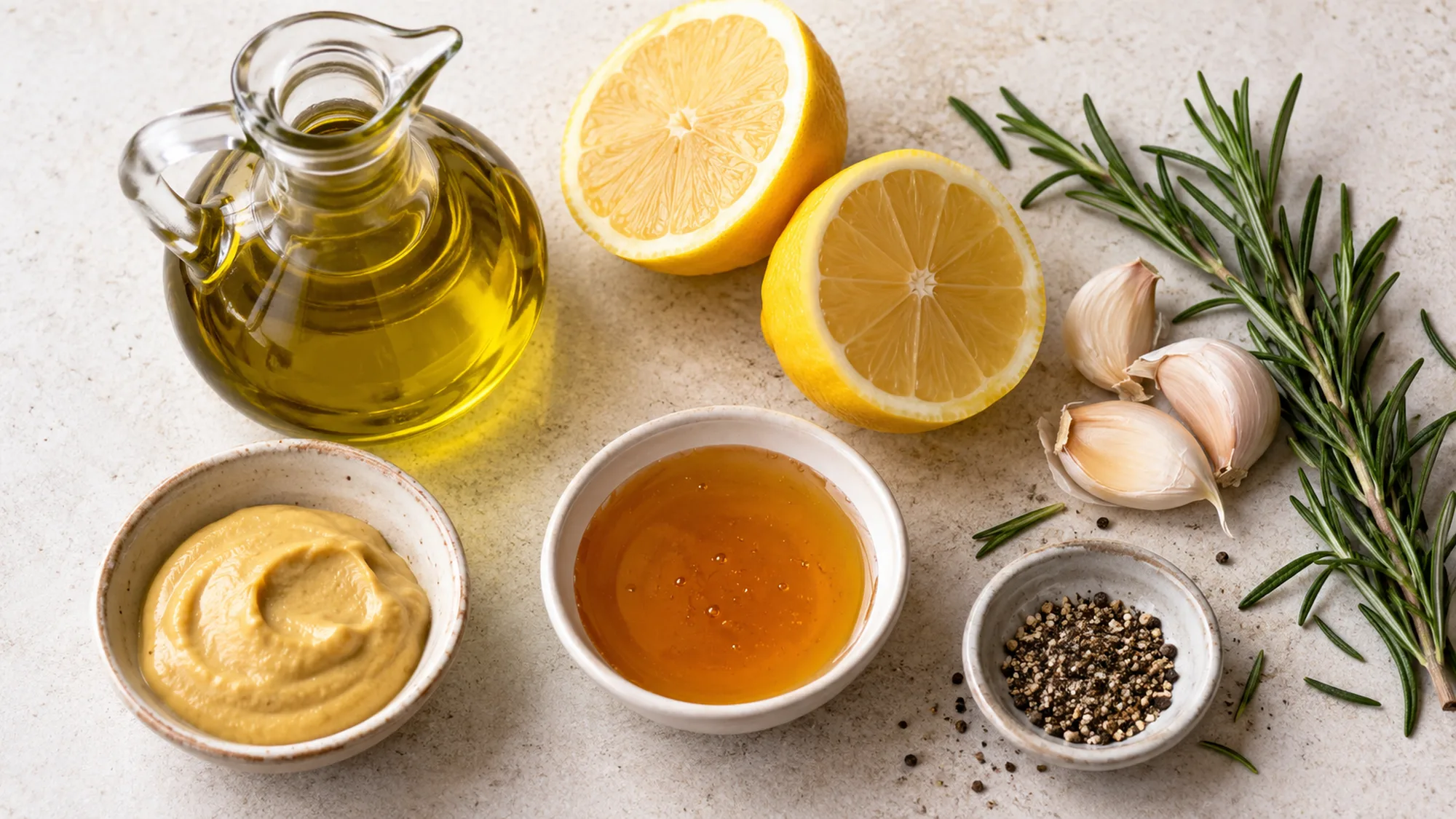
- 1 lb plain pork tenderloin about 450 g; remove silver skin; not pork loin roast
- 2 tablespoons olive oil 27 g
- 2 tablespoons fresh lemon juice 30 ml
- 1 teaspoon finely grated lemon zest yellow part only
- 1 tablespoon Dijon mustard 15 g
- 1 teaspoon honey 7 g
- 2 garlic cloves about 6 g, minced
- 1 teaspoon chopped fresh rosemary
- 1/4 teaspoon fine salt
- 1/2 teaspoon black pepper
Equipment
- Covered nonreactive dish or food-safe zip-top bag
- Outdoor grill
- Tongs
- Instant-read meat thermometer
Instructions
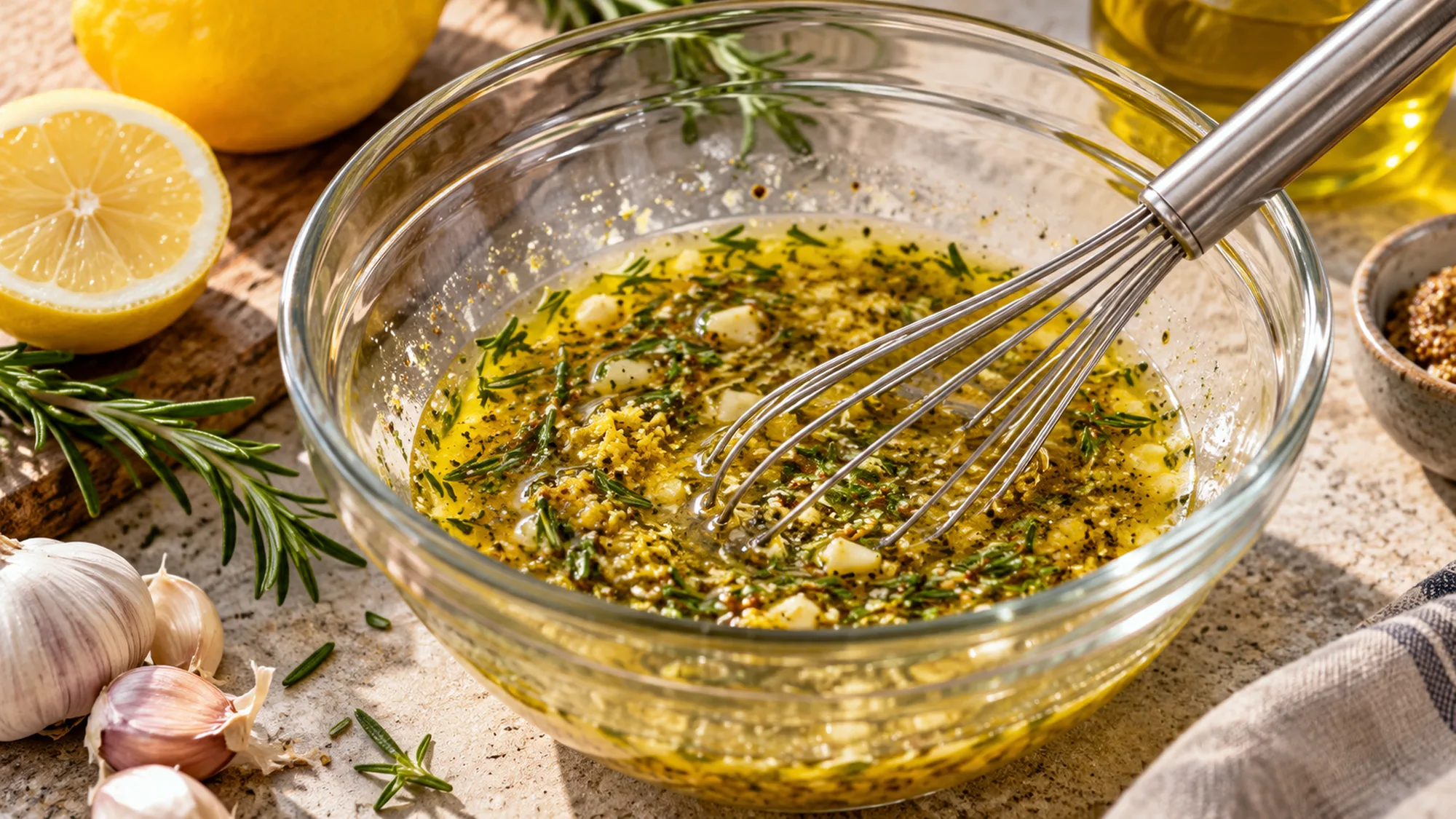
- Whisk the olive oil, lemon juice, zest, mustard, honey, garlic, rosemary, salt, and pepper in a nonreactive dish. Use a dish just large enough to hold the pork.
- Add the trimmed tenderloin and turn to coat. Cover and refrigerate at 40°F/4°C or colder for 30 minutes to 4 hours. Do not marinate on the counter or rinse the raw pork.
- Heat a clean grill to medium-high, with a cooler indirect zone available. Lift the pork out, let excess liquid drip off, and scrape away thick garlic clumps. Discard the used marinade. Keep a clean platter and clean utensils ready for the cooked meat.
- Grill the tenderloin for approximately 15–20 minutes, turning every 4–5 minutes to brown the sides. Move to indirect heat if the surface darkens too quickly. Check the thickest center with a thermometer and continue until it reaches at least 145°F/63°C before removing from the grill; thickness and grill heat can change the timing.
- Rest on a clean board for 5 minutes, always at least 3 minutes. Slice across the grain and serve with the resting juices. Never pour the discarded raw-pork marinade over the cooked meat.
- Refrigerate promptly in shallow covered containers within 2 hours, or 1 hour when the surroundings exceed 90°F/32°C. Use within 3–4 days at 40°F/4°C or colder. Reheat leftovers to 165°F/74°C.
Nutrition
Video
Notes
Tried this recipe?
Let us know how it turned out!Hi, I’m Emily Pocker! I share recipes and food guides here at Recipes360 to help you find everyday meal inspiration and feel more confident in the kitchen. My goal is to make cooking approachable, enjoyable, and full of flavor.