
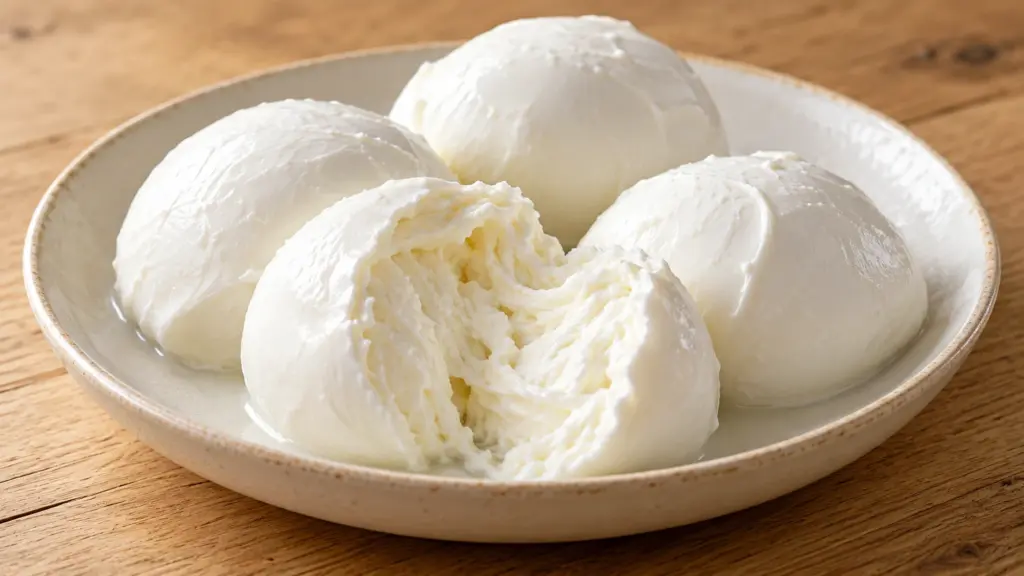
A pizza menu and a gelato counter can use the same Italian words and mean entirely different foods. Fior di latte usually means fresh cow’s-milk mozzarella when you are ordering cheese or pizza. At a gelateria, it means a milk-forward gelato flavor. The setting tells you which one belongs on your plate.
On a pizza or cheese label, fior di latte is cow’s-milk mozzarella; in a gelato case, it is a sweet milk-based frozen dessert. They share a dairy connection, but they are not interchangeable ingredients. Check the product description before buying.
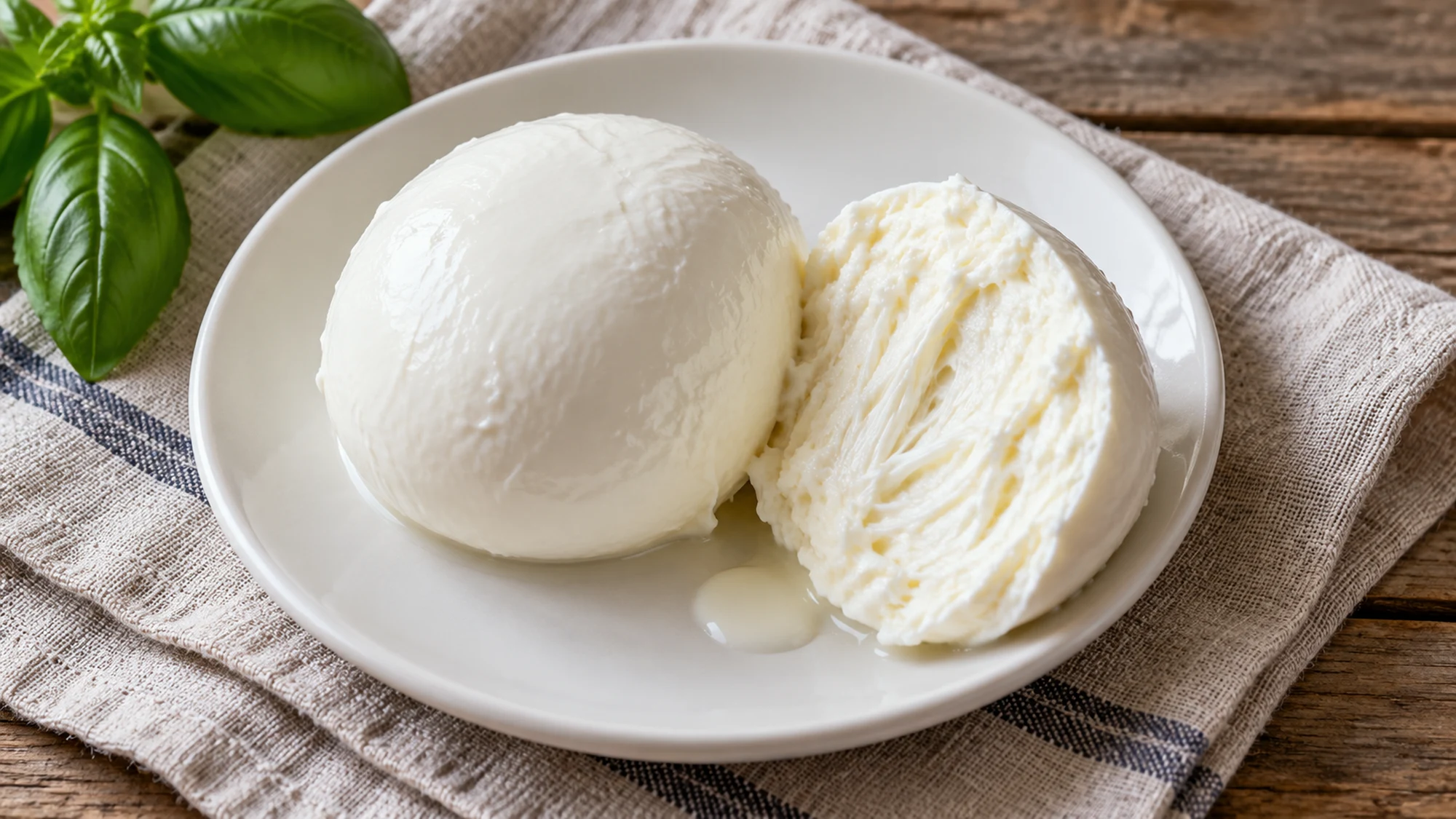
What does fior di latte mean on the menu?
Cheesemaker Latteria Sorrentina distinguishes fiordilatte from buffalo-milk mozzarella by the milk source: fiordilatte uses cow’s milk. Mozzarella is a broader word, so it does not automatically mean buffalo milk. Both spellings, fiordilatte and fior di latte, appear in food descriptions.
I’d read the words around the name before making a substitution. Pizza toppings, a refrigerated cheese tub and a frozen-dessert scoop point to different expectations. If a restaurant description is brief, asking whether it means mozzarella or gelato is a perfectly sensible question.
| Where you see it | Likely meaning | Useful check |
|---|---|---|
| Pizza or cheese counter | Cow’s-milk mozzarella | Milk source and cheese format |
| Gelato menu | Milk-forward gelato | Ingredients and added flavors |
| Packaged product | Read the full description | Refrigerated cheese or frozen dessert |
Fior di latte cheese: fresh, milky and versatile
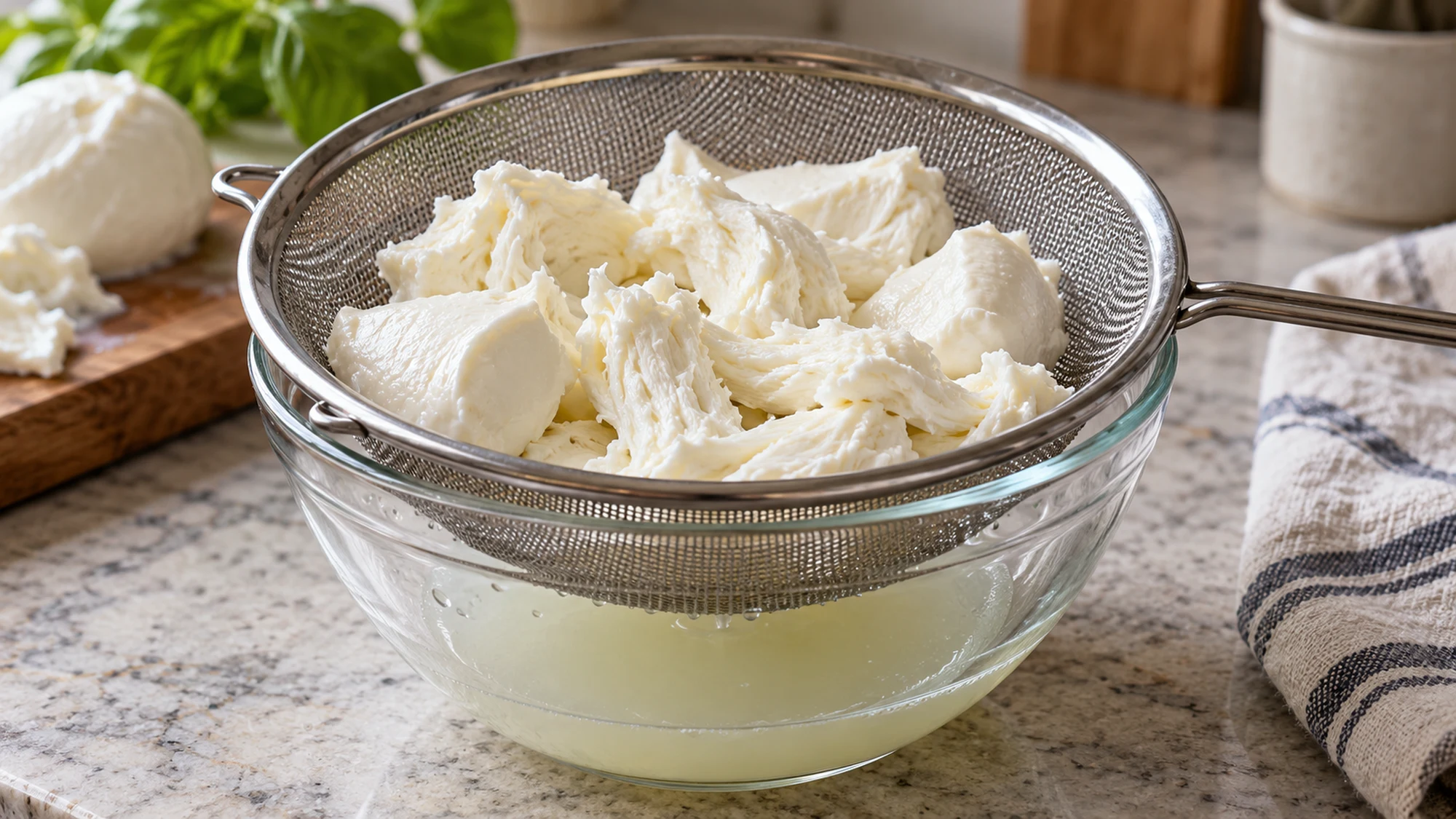
The cheese is a fresh pasta filata, or stretched-curd cheese. Granarolo’s Perla product describes an elastic, juicy texture with a delicate, slightly tangy flavor. Its ingredients include pasteurized milk, a whey starter, salt and microbial rennet; other producers’ formulas can differ.
Format matters as much as the familiar white color. A ball packed in liquid and a block intended for pizza need not release the same amount of moisture. Granarolo’s julienne pizza mozzarella, for example, is specifically formulated for baking performance. Do not assume every product behaves identically.
- For a simple plate: Pair fresh cheese with tomatoes, bread or vegetables and let its mild flavor remain noticeable.
- For pizza: Choose the format the recipe specifies. Drain packing liquid when appropriate rather than pouring it over the dough.
- For substitutions: Fresh mozzarella is the closest starting point; shredded low-moisture mozzarella can change the finished texture.
- For vegetarian diets: Check the rennet description. One product using microbial rennet does not establish the ingredients of every cheese.
The gelato meaning is a different food
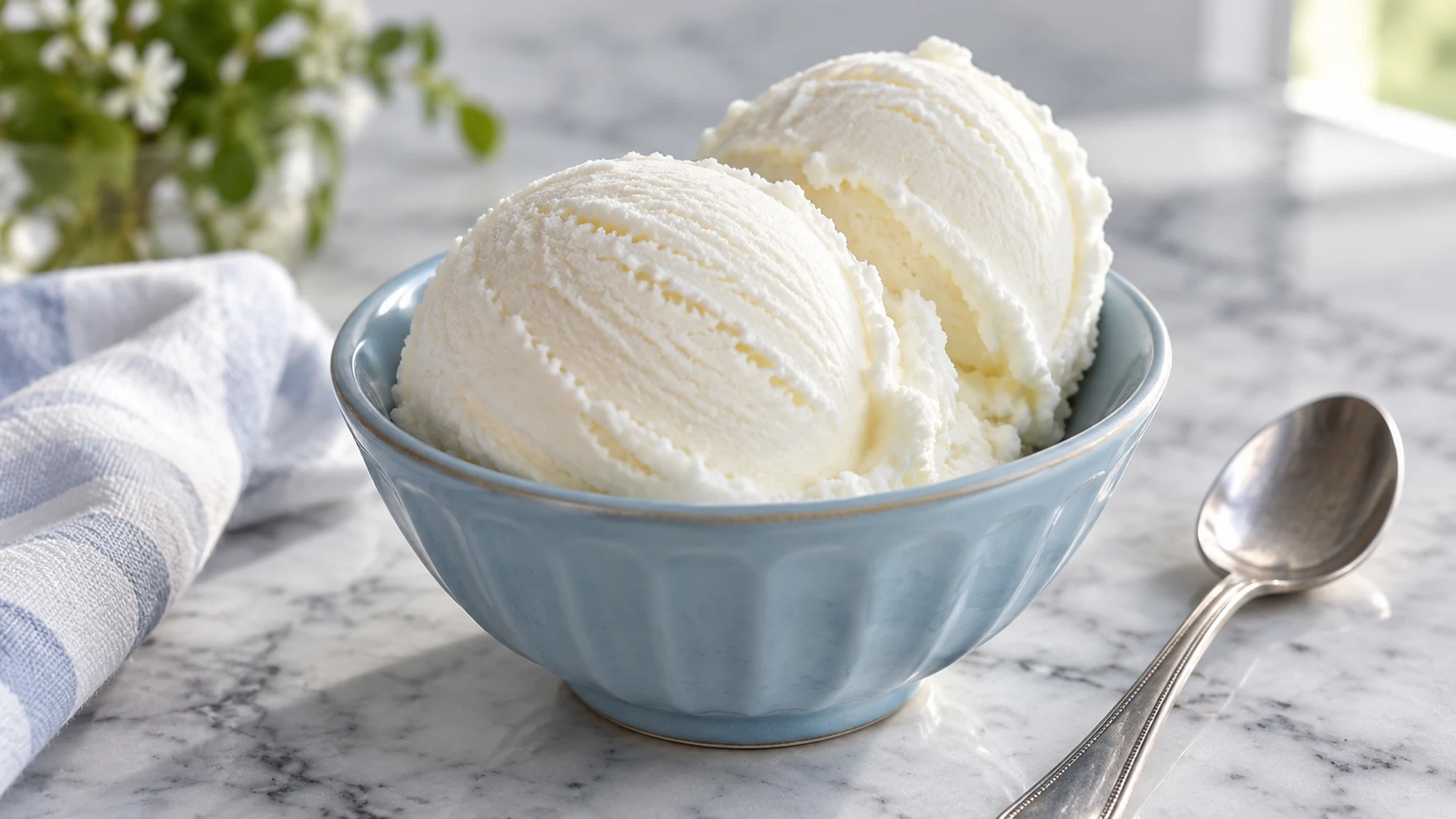
At the dessert counter, fior di latte puts milk flavor in the foreground. Carpigiani Gelato University describes the traditional flavor as based on milk of animal origin and explains that changing to plant-based ingredients changes flavor, texture and freezing behavior.
It is not cheese stirred into ice cream, and the name alone does not promise a vanilla flavor. The university’s basic-course fiordilatte formula uses milk, cream, milk powder and several sugars without vanilla. Individual makers can add flavorings, so read the actual description.
- Start plain: I’d try a small serving without toppings to appreciate the dairy flavor before adding anything else.
- Check additions: Chocolate, fruit, honey or other mix-ins turn it into a different variation with additional ingredients.
- Avoid blanket claims: White color does not establish that a gelato is egg-free, nut-free or lower in sugar.
- For a broader comparison: Our guide to the difference between gelato and ice cream explains why texture depends on formulation and handling.
Read labels and keep the right kind cold
Both the cheese and traditional gelato contain milk. FDA identifies milk as a major food allergen and advises people with food allergies to read ingredients and avoid their allergens. At a counter, ask about the actual recipe and shared equipment rather than rely on a flavor name.
Keep the cheese refrigerated and the gelato frozen, following each package’s instructions and date. USDA recommends 40°F (4°C) or below for refrigerated perishable food and 0°F (-18°C) or below for frozen storage. A cheese’s printed unopened shelf life is not a fresh countdown after opening.
- Confirm the milk source, ingredient list and any relevant allergen statement.
- Keep the original storage directions available after opening.
- Use clean utensils and return the remaining product to its appropriate cold storage promptly.
- Treat restaurant descriptions as a starting point; ask staff when an ingredient or dietary requirement matters.
Bottom Line
Let the setting resolve the name: fior di latte cheese is cow’s-milk mozzarella, while fior di latte gelato is a sweet dairy dessert. Then choose by the actual label, format and intended use. That small check prevents a surprisingly large shopping mix-up.
Sources
- Latteria Sorrentina: Fiordilatte and Mozzarella
- Granarolo: Fresh Mozzarella Perla
- Granarolo: Fiordilatte for Pizza
- Carpigiani Gelato University: Milk-Based Gelato
- Carpigiani Gelato University: Basic Course Recipe Book
- FDA: Food Allergies
- USDA: Cold Storage Temperatures

Hi, I’m Emily Pocker! I share recipes and food guides here at Recipes360 to help you find everyday meal inspiration and feel more confident in the kitchen. My goal is to make cooking approachable, enjoyable, and full of flavor.