
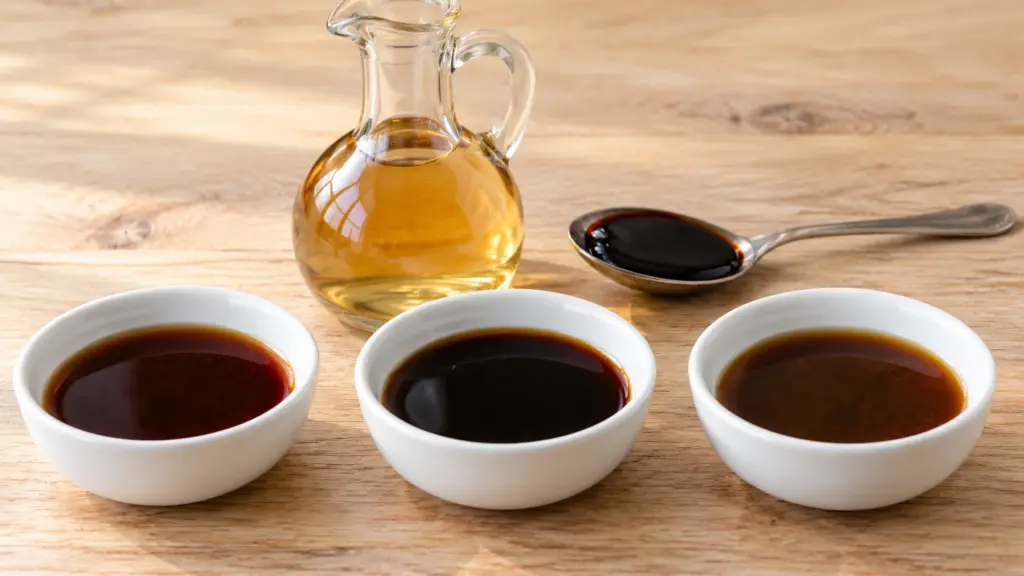
The best Worcestershire sauce replacement depends on what the missing splash does in your dish. A labeled vegan Worcestershire is a practical first choice for a similar mix of flavors. Soy sauce or tamari can supply savory saltiness, but neither automatically replaces the vinegar, sweetness and spice.
Choose for dietary needs first, then balance flavor. For a pantry workaround, use a suitable savory sauce cautiously and adjust tang and sweetness separately. There is no single substitute or universal ratio that makes every dish taste identical.
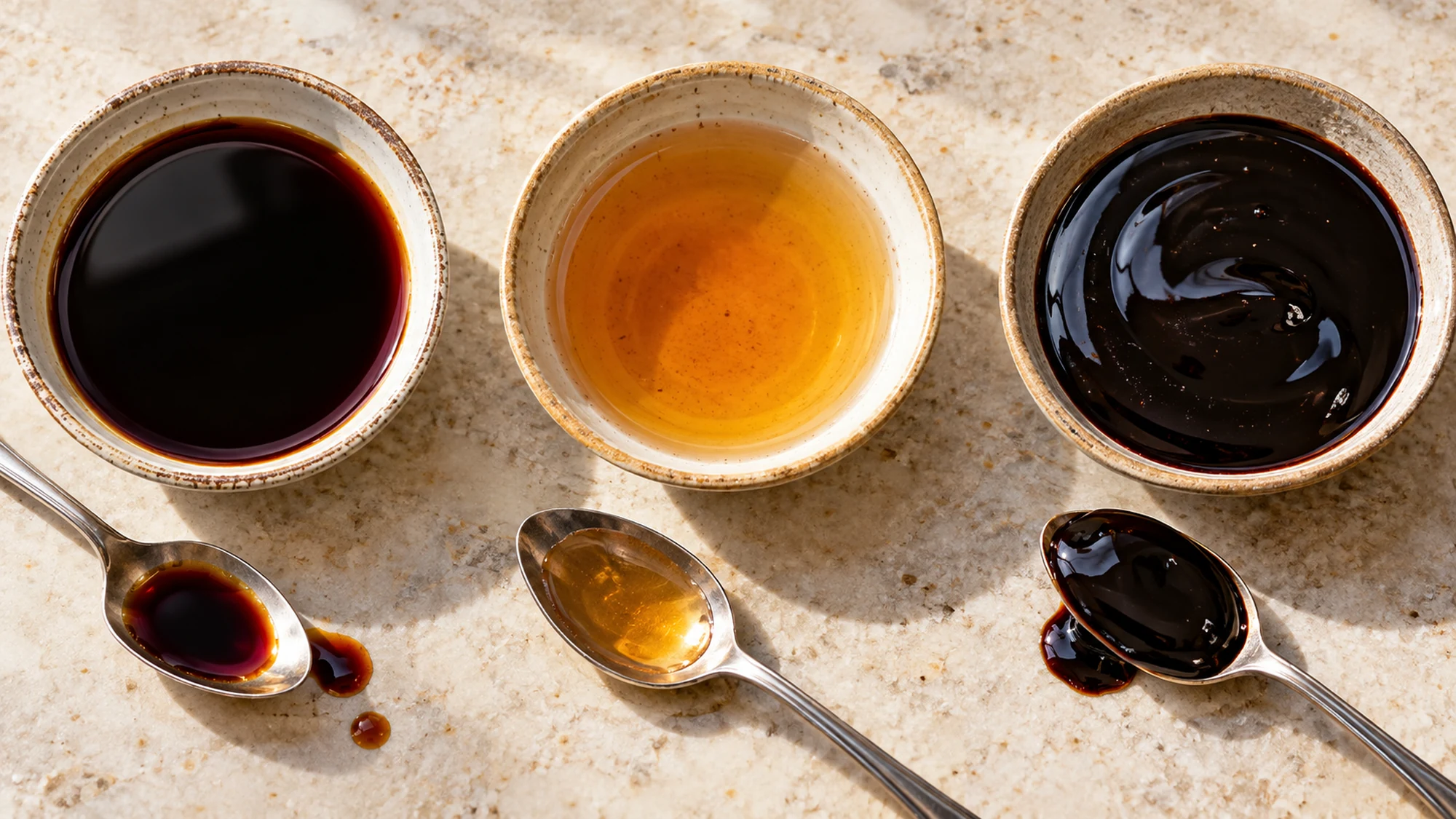
Choose a Worcestershire sauce replacement by its role
Worcestershire is more than a dark, salty liquid. The U.S. Lea & Perrins ingredient list includes distilled white vinegar, molasses, sugar, anchovies, tamarind, onion, garlic and spices. That combination explains its sharp, savory, slightly sweet character—and why plain soy sauce gives only part of the effect.
In a long-simmered stew, a small seasoning adjustment may blend into the other ingredients. In a dressing or finishing sauce, the difference is more exposed. Start by asking whether you need depth, acidity, sweetness or the recognizable bottled flavor.
A thicker condiment can also change texture. Oyster sauce and hoisin are not interchangeable with this thin seasoning simply because they look brown. Our oyster sauce substitute guide covers the separate problem of replacing a glossy coating sauce.
Compare the actual labels
| Verified product | Replacement role | Label checkpoint |
|---|---|---|
| The Wizard’s Original Organic Vegan Worcestershire | A ready-made option with vinegar, sweetness, tamarind and spices | Contains soy and wheat; vegan does not mean gluten-free |
| Kikkoman Soy Sauce, Singapore label | Savory, salty base; consider the dish’s missing acidity separately | Lists soybeans and wheat |
| Kikkoman Gluten-Free Tamari, U.S. foodservice label | Savory base when a labeled gluten-free option is needed | Contains soy; this particular product is certified gluten-free |
These comparisons come from The Wizard’s original vegan sauce label, Kikkoman’s Singapore soy sauce page and Kikkoman’s U.S. gluten-free tamari page. The vegan Worcestershire uses soy sauce made with wheat, along with vinegar, molasses, tamarind and seasonings. It offers a broader flavor starting point than soy sauce alone.
Tamari is a product category, not a blanket gluten-free guarantee. Choose a bottle explicitly labeled for your requirements. Kikkoman’s particular gluten-free tamari lists water, soybeans, salt and sugar: it avoids wheat in that formula but still contains soy.
Adjust tang, sweetness and salt separately
Taste a small portion of the finished, safely cooked dish before changing the whole pan. Add the savory component gradually, remembering that broth, cheese and other sauces may already contribute salt. A replacement can become too salty before it supplies the missing tang.
If the dish needs brightness, consider a little vinegar already appropriate to its flavor. If it tastes harsh rather than rounded, a restrained touch of molasses or another suitable sweetener may help. These are adjustments, not a promise to reproduce aged Worcestershire.
Keep the original dish in view. A tomato-based stew may already have plenty of acid; a sweet barbecue sauce may need no extra sweetness. Avoid adding a whole spice cupboard just to imitate a long ingredient list. One missing dash rarely justifies overwhelming the meal.
Use a clean spoon each time. Never taste a marinade after it has contacted raw meat, poultry or seafood; reserve an uncontaminated portion for judging seasoning. Follow FoodSafety.gov’s guidance on separate utensils for raw and cooked foods.
Check fish, wheat and storage details
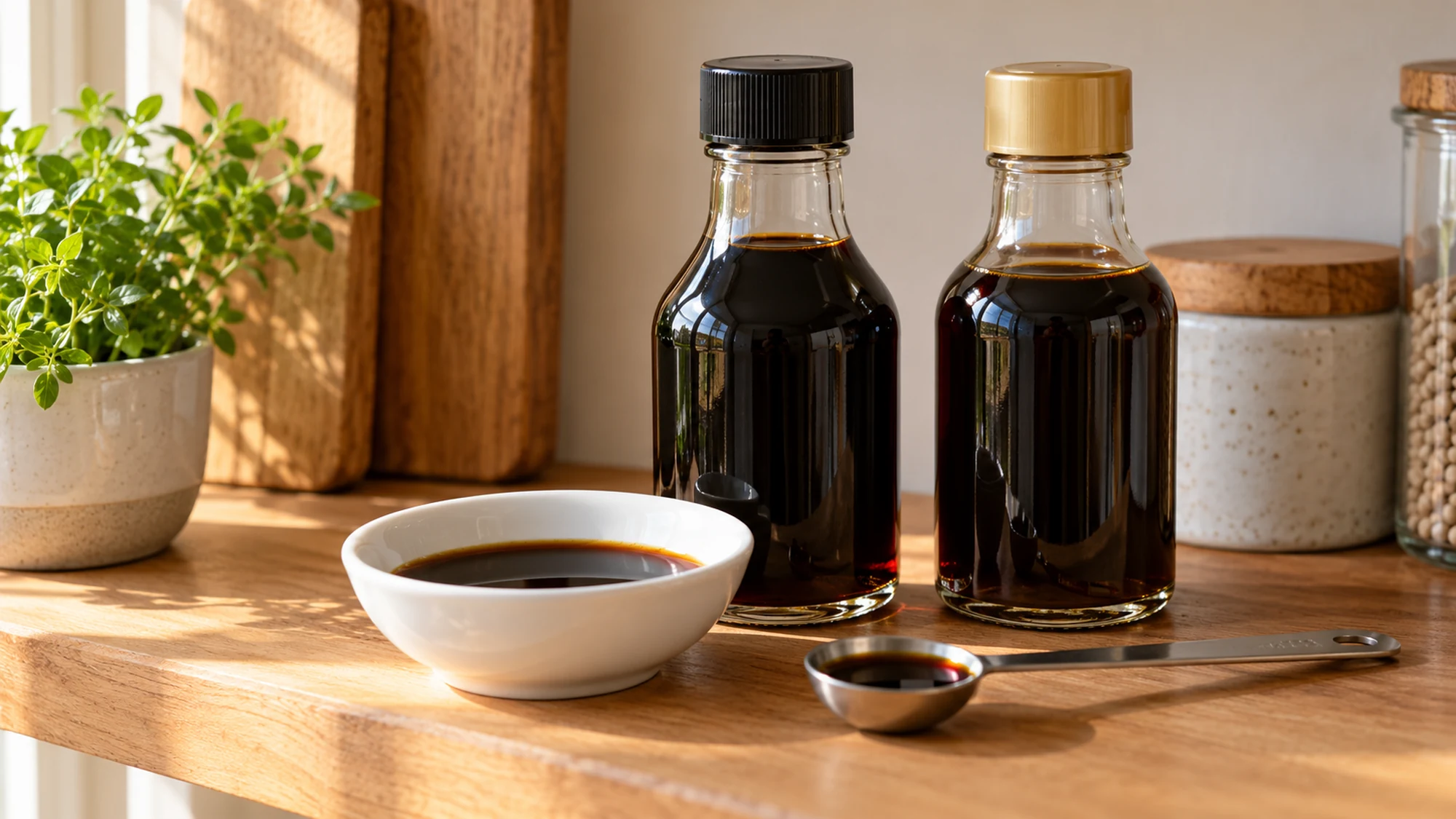
Original U.S. Lea & Perrins contains anchovies and declares fish. Market formulas differ: the Canadian manufacturer label lists barley malt vinegar and declares barley and anchovies. Read the exact regional bottle rather than transferring an allergen assumption from another country.
Vegan labeling and allergy suitability answer different questions. The Wizard’s original formula contains soy and wheat; its manufacturer also states that the facility handles milk, fish, egg and sesame. Anyone managing an allergy should assess the complete current label and relevant cross-contact information.
Follow each commercial bottle’s storage directions. Kikkoman recommends refrigeration after opening its cited gluten-free tamari for quality. A commercial sauce’s instructions do not establish the shelf life of a diluted or mixed homemade replacement. Mix only what you need and do not pour leftovers back into the original bottle.
Bottom Line
For the closest convenient starting point, choose a suitable labeled Worcestershire alternative. For a pantry adjustment, think savory, tangy and gently sweet—then taste carefully. The right replacement respects both the dish and the actual allergen label.
Sources
Lea & Perrins: U.S. Original ingredients and fish declaration; Lea & Perrins: Canadian ingredients and allergens; Edward & Sons: The Wizard’s Original Organic Vegan Worcestershire label; Kikkoman Singapore: soy sauce ingredients; Kikkoman USA: gluten-free tamari ingredients and storage; FoodSafety.gov: clean utensils and cross-contamination prevention.

Hi, I’m Emily Pocker! I share recipes and food guides here at Recipes360 to help you find everyday meal inspiration and feel more confident in the kitchen. My goal is to make cooking approachable, enjoyable, and full of flavor.