
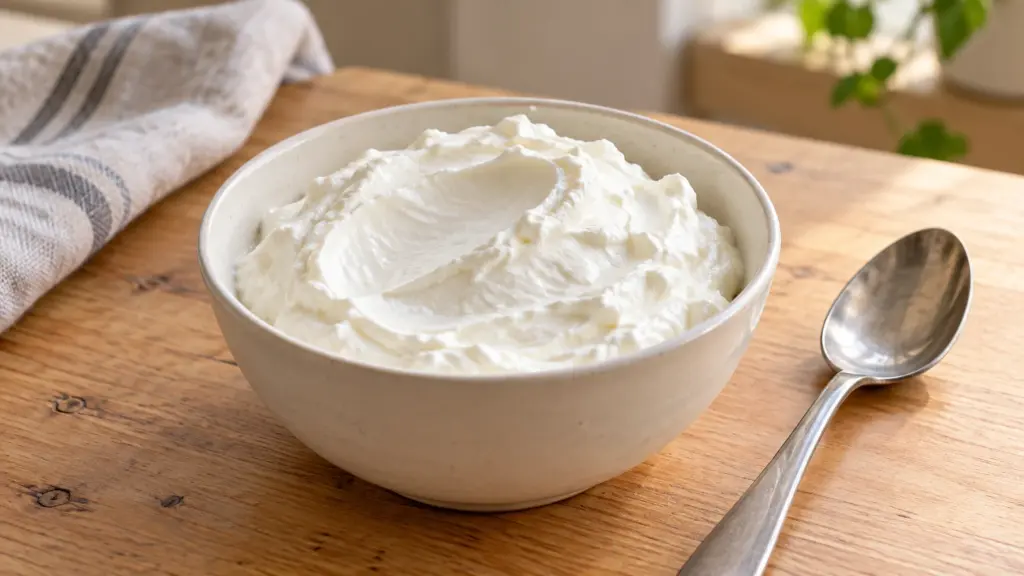
Open a cup of skyr and the spoon meets something closer to a soft mound than a pourable breakfast. That density is the first clue, but it does not tell the whole story. Skyr belongs to an Icelandic cultured-dairy tradition, and today’s refrigerated aisle includes several different interpretations.
Skyr is a thick, concentrated cultured dairy food associated with Iceland. Traditional versions are fresh acid-set cheese; many modern products are sold as strained yogurt. Choose the exact style for its flavor and ingredients, not because every skyr has identical nutrition.
I would start with a small plain cup to understand the texture before buying a large tub. It lets the dairy itself introduce the subject, without a layer of sweet fruit doing all the talking.
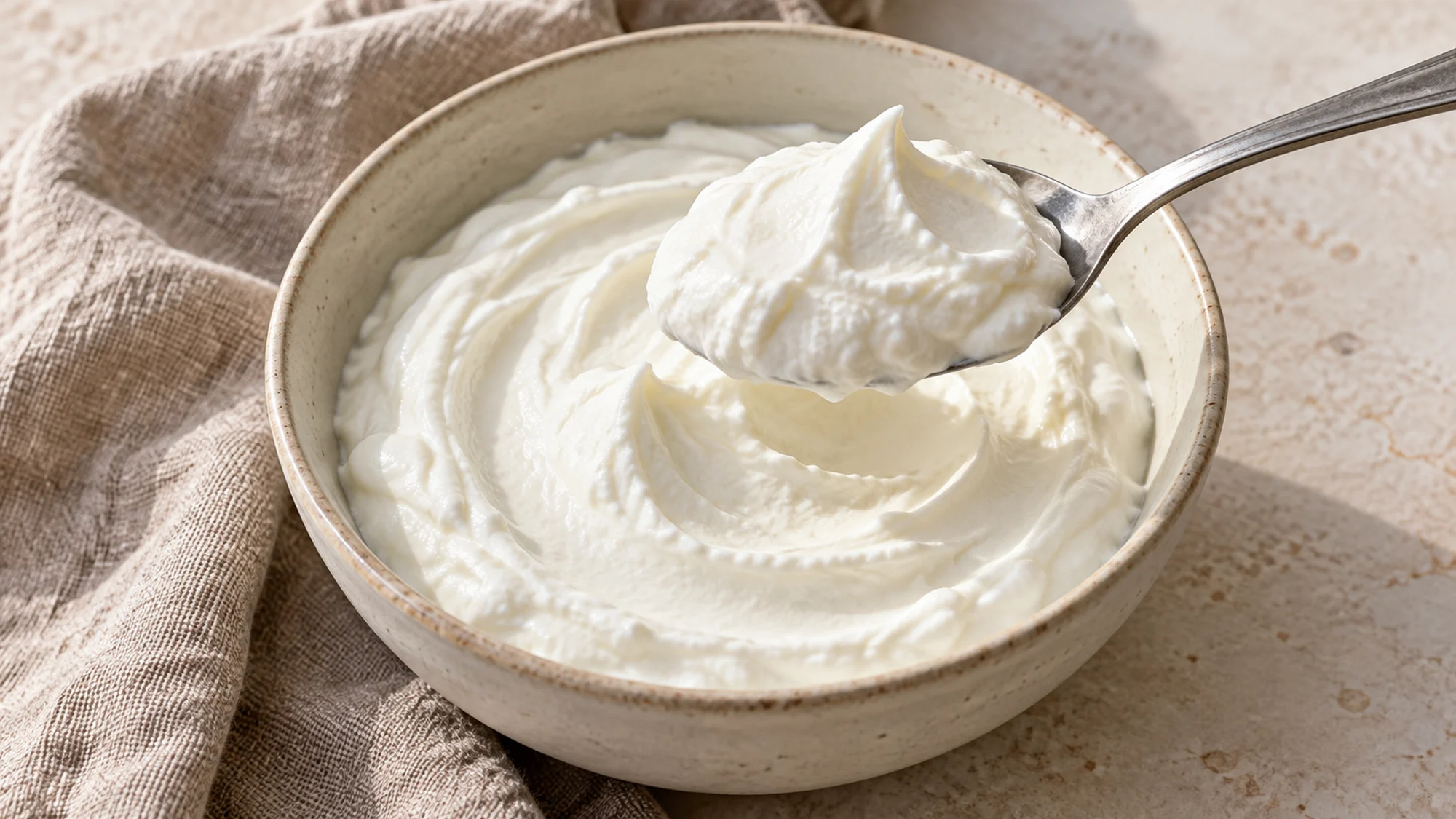
What makes skyr different?
The Slow Food Foundation’s traditional skyr project describes a fresh acid-set cheese with a history stretching back more than a thousand years in Iceland. In the process it documents, a little previous-batch skyr supplies the culture, rennet may help the curd set, and cloth straining separates the whey.
Modern products do not all follow that exact method. siggi’s describes its skyr as strained yogurt, made by culturing skim milk and removing whey to concentrate the remaining product. That explains why calling every cup “just Greek yogurt” or insisting that no skyr can be yogurt misses useful differences between traditions and commercial labels.
- Culture matters: it contributes to the characteristic flavor and fermentation.
- Concentration matters: removing liquid helps create the dense spoonable consistency.
- Place and style are different: an Icelandic tradition can be made elsewhere. Icelandic Provisions says its dairy skyr is produced in upstate New York using cultures originating in Iceland.
Choose a skyr style, not a single stereotype
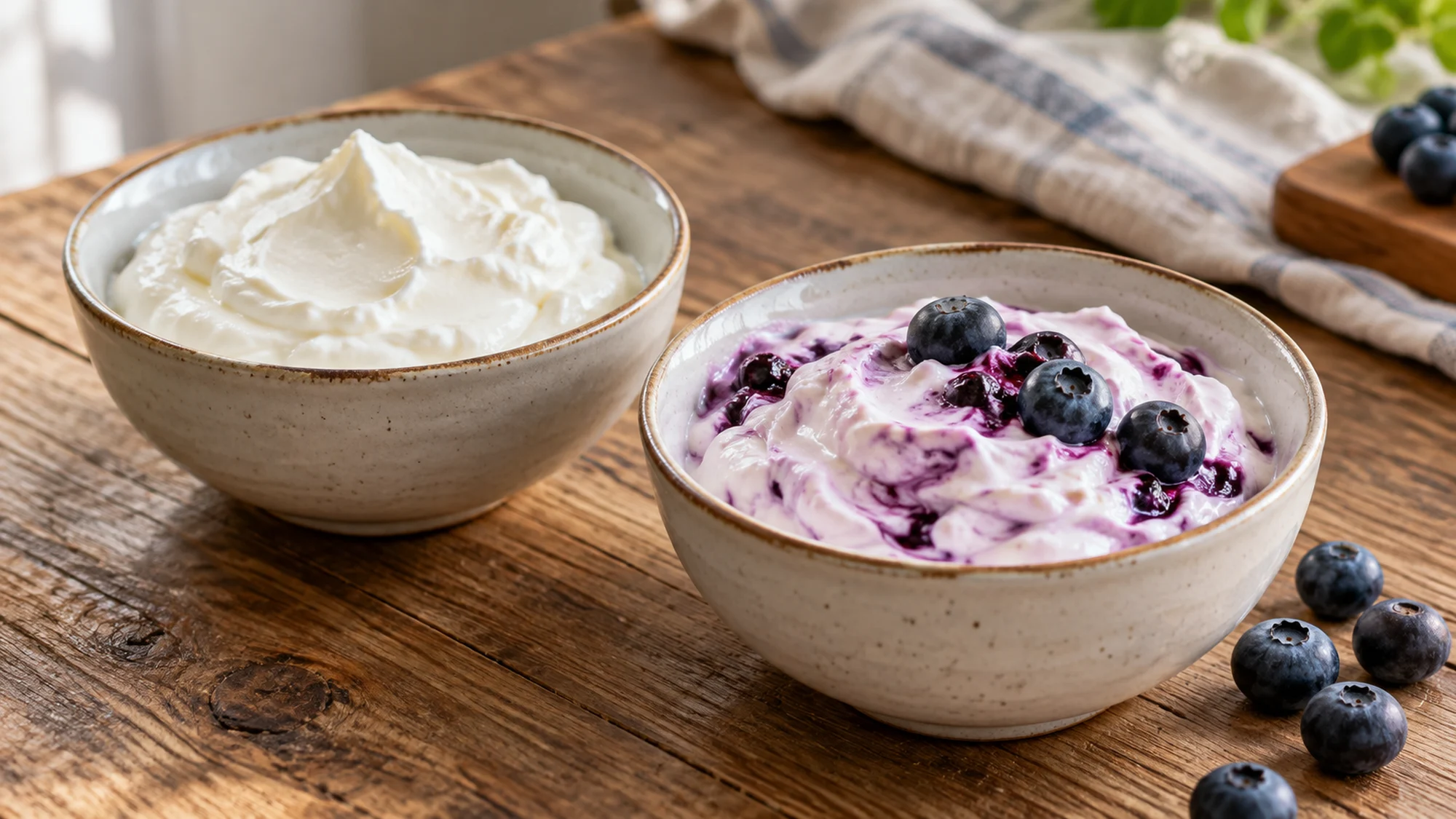
Skyr is often associated with skim milk, but the name does not guarantee a nonfat product. The Icelandic Provisions range includes traditional, extra-creamy, whole-milk plain, low-fat plain and oatmilk products. A plant-based version is a separate formulation, not cow’s-milk skyr with the milk somehow removed.
Use this as a shopping map rather than a ranking. I care more about choosing the cup that fits the meal than finding one winner for every refrigerator.
| Style | Useful distinction | Check before buying |
|---|---|---|
| Plain dairy skyr | Unflavored cultured base | Milk fat and serving size |
| Fruit or vanilla skyr | Flavor already added | Ingredients and added sugars |
| Whole-milk or extra-creamy | Different formulation from nonfat | Actual fat content |
| Oatmilk skyr | Plant-based alternative | Protein, allergens and fortification |
For one concrete example, siggi’s plain nonfat 24-ounce tub lists 19 grams of protein and 100 calories per 170-gram serving. Those numbers describe that product, not a universal skyr portion. Formulas can change; the package in your hand remains the final reference.
Let the thick texture do useful work
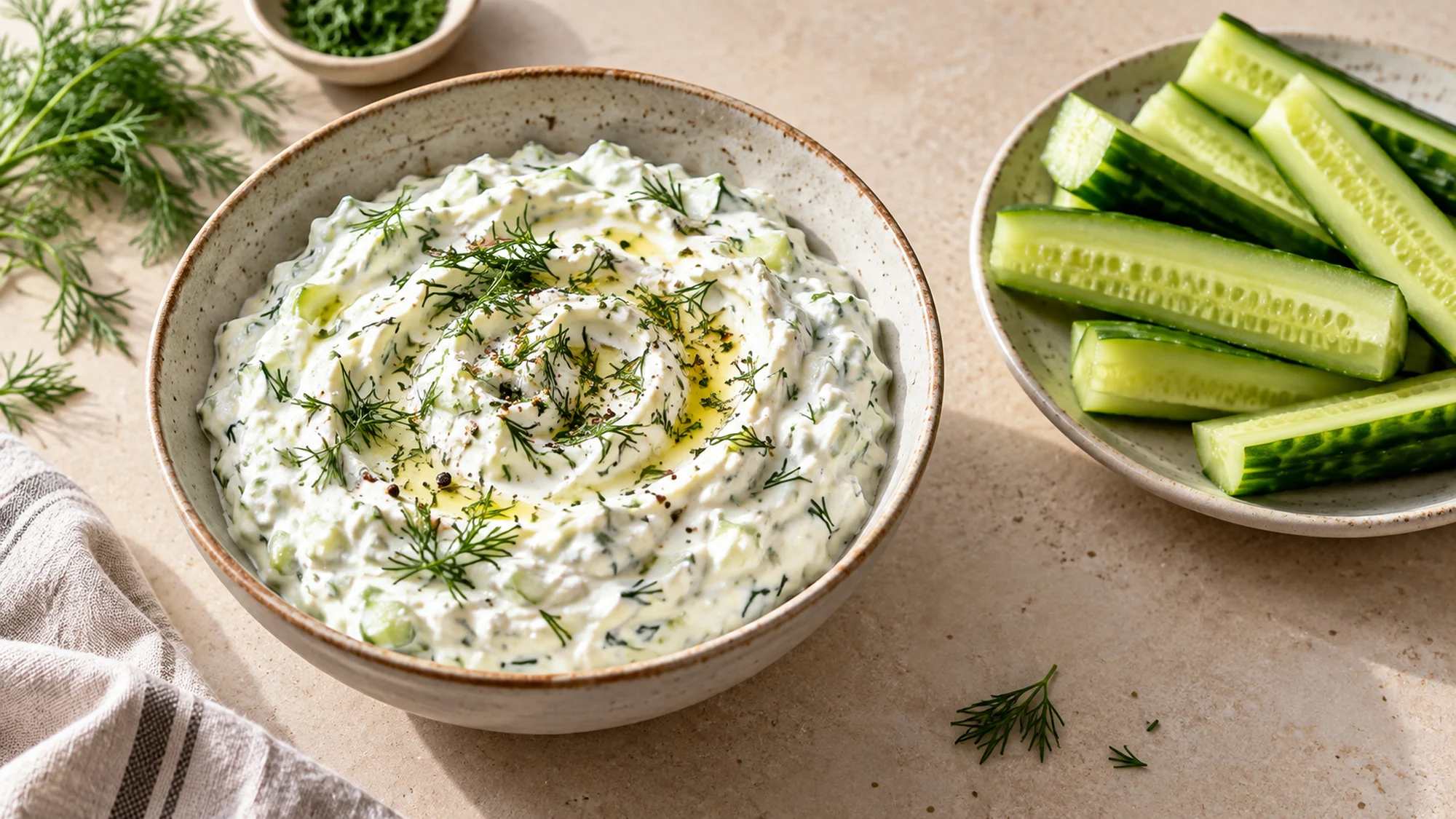
Skyr’s density makes it worth considering when you want a topping to stay put. A spoonful beside berries, a mound on a baked potato or an herb-flecked cold dip lets that texture remain noticeable. These are serving ideas, not a claim that every brand behaves identically.
- For a fruit bowl: fold berries into a portion, leaving some contrast between fruit and dairy rather than blending everything smooth.
- For a savory dip: choose plain, then add dill, pepper and a little olive oil if desired. A sweetened vanilla cup is not the quiet background you want here.
- For a thinner sauce: loosen a small portion gradually and stop at the consistency you need.
- For baking: follow a recipe written for the style you have; thickness alone does not establish a reliable substitution ratio.
siggi’s cooking guidance recommends folding yogurt into hot soup or sauce at the end of cooking. I would take that gentle approach rather than treating thick skyr like cream that can be boiled freely. For broader texture choices, our plain yogurt guide covers the neighboring styles.
Keep the dairy details in view
Straining does not make dairy skyr milk-free, and a reduced-lactose claim is not the same as an explicit lactose-free label. Manufacturers’ ingredient and dietary information is useful for the exact product, but do not extend one brand’s statement to the entire category. Our lactose-free yogurt guide explains that separate distinction.
- Keep skyr refrigerated at 40°F (4°C) or below, following FoodSafety.gov’s chilling guidance.
- Return perishable dairy to refrigeration within two hours, or one hour when the temperature exceeds 90°F (32°C).
- Use a clean spoon and follow the package’s opening and storage instructions. A thick texture is not a shelf-stability claim.
Bottom Line
Choose skyr for its concentrated texture and the particular product you enjoy. Its Icelandic roots explain the tradition; the current label explains the cup. Start plain, distinguish dairy from plant-based versions, and use the thickness deliberately.
Icelandic Provisions introduces its skyr and production approach in the video below. This is the manufacturer’s explanation of its product, not an independent comparison of every skyr.
Sources
- Slow Food Foundation: traditional Icelandic skyr
- siggi’s: plain nonfat skyr ingredients and nutrition
- Icelandic Provisions: skyr product styles
- Icelandic Provisions: production and ingredient questions
- siggi’s: cooking and substitution guidance
- FoodSafety.gov: chilling perishable foods

Hi, I’m Emily Pocker! I share recipes and food guides here at Recipes360 to help you find everyday meal inspiration and feel more confident in the kitchen. My goal is to make cooking approachable, enjoyable, and full of flavor.