
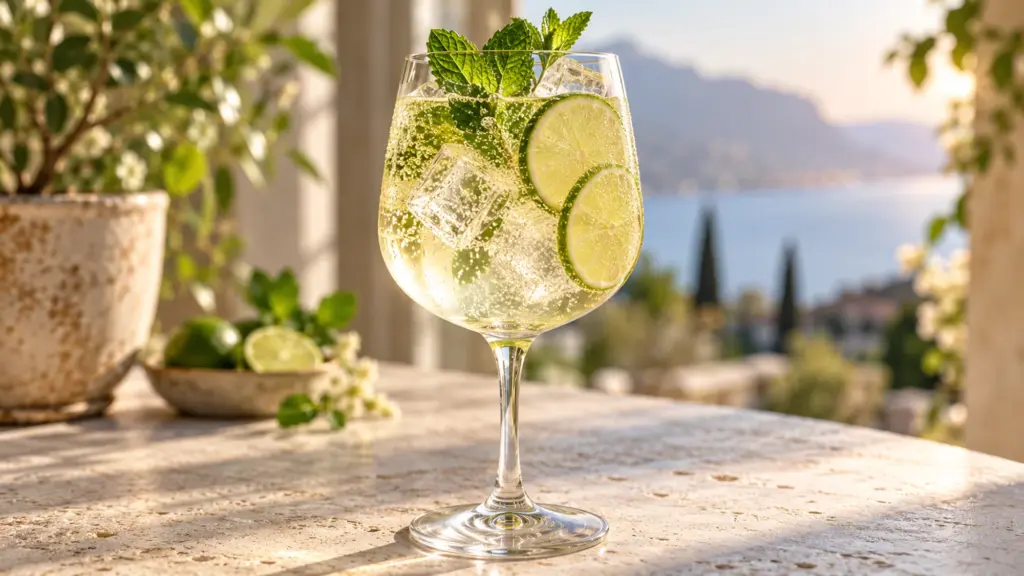
A Hugo spritz can look delicate and still taste overwhelmingly sweet. The bottle of wine matters more than another handful of mint: choosing prosecco for Hugo spritz is really about balancing floral liqueur with lively bubbles and a dry finish. This version keeps the elderflower measured, the sparkling water plain and everything cold before it reaches the glass.
Choose Brut Prosecco for a crisp Hugo spritz. Its drier style balances sweet elderflower liqueur; chill the wine and sparkling water, then build the drink gently over ice without shaking.
I would start with an affordable bottle you enjoy on its own, rather than buying a special occasion wine for mixing. Look for “Brut” on the label, not just “dry.” The Prosecco DOC sweetness guide places Extra Dry above Brut in residual sugar, despite the name sounding drier. That small label detail makes shopping much easier.
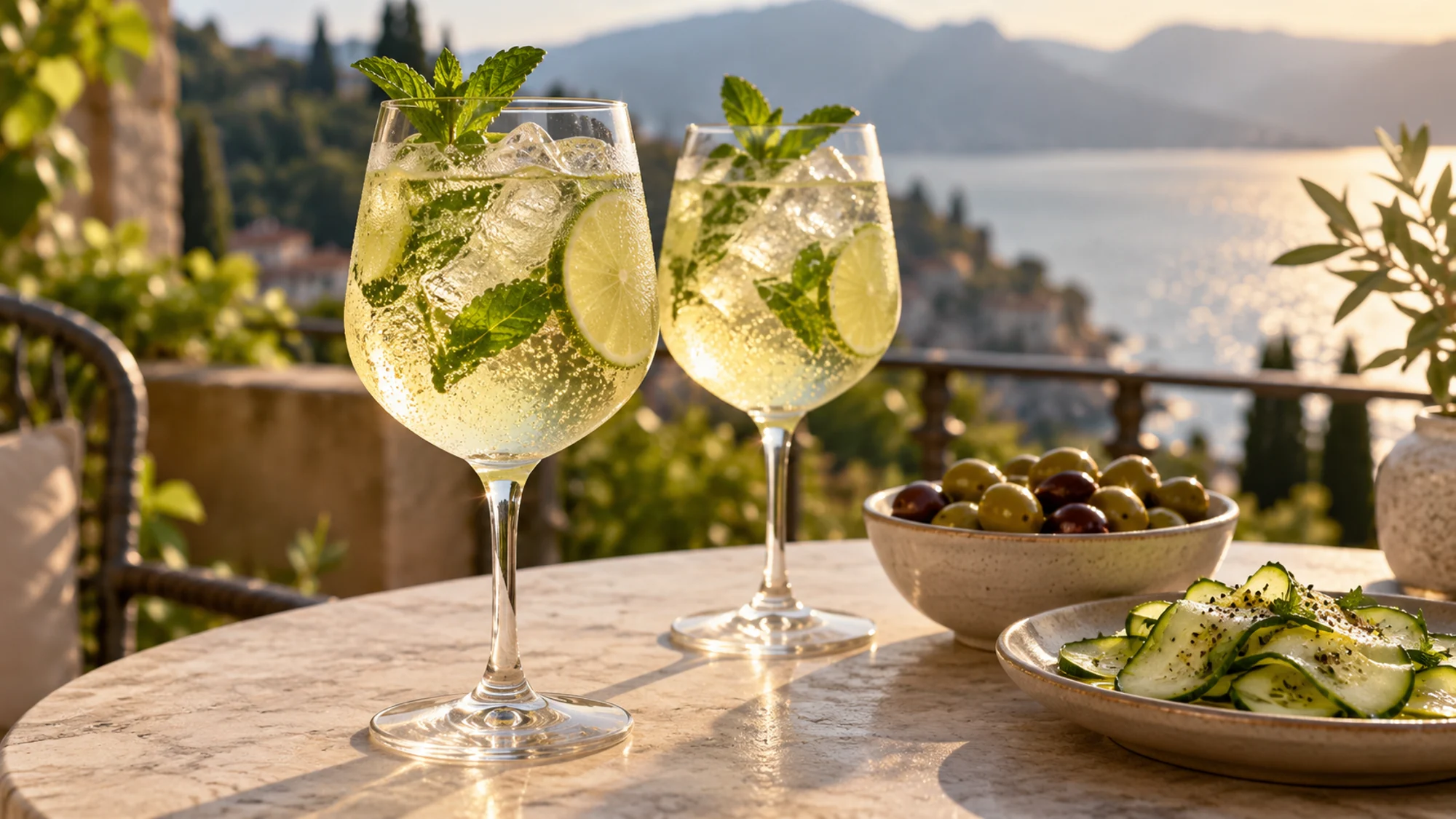
Serving suggestions for a floral, fizzy glass
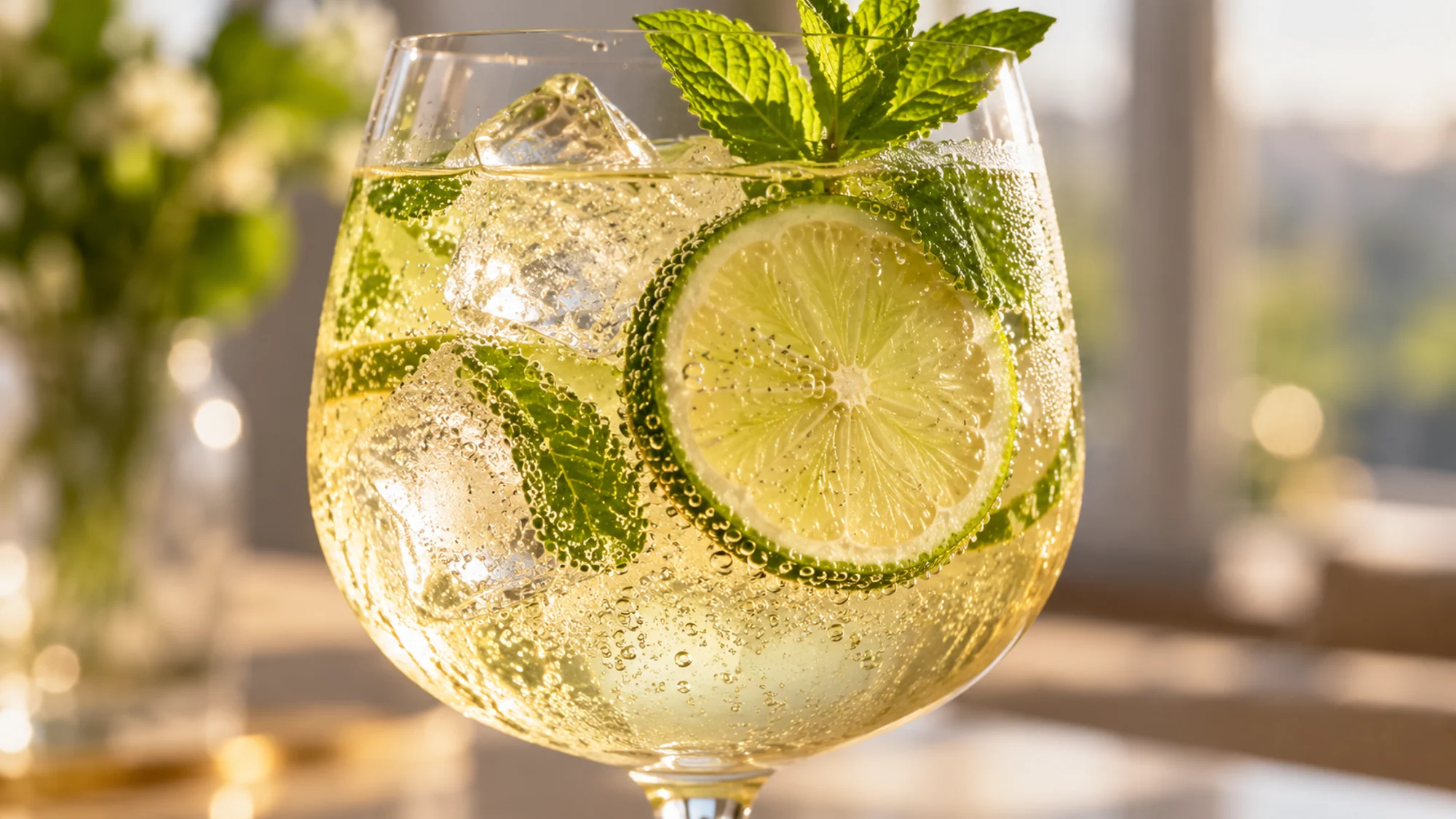
A roomy wine glass leaves space for ice and the mint aroma. Use firm, clean ice rather than crushed ice that melts quickly, and avoid packing the rim with so much garnish that drinking becomes awkward. A gentle press of the mint releases its fragrance; grinding the leaves into a paste creates floating fragments and a harsher herbal impression.
- Serve immediately with olives, cucumber slices or a simple savory snack. Food does not cancel alcohol’s effects.
- Keep sparkling water and an alcohol-free choice available alongside the cocktail, without making either feel like an afterthought.
- For guests, prepare the lime and mint first. Measure each glass separately and open the chilled wine only when you are ready to serve.
The best preparation happens before pouring: chill the bottles, wash the mint and slice the lime. Add the bubbles last and give the glass only a gentle stir.
Variations and the Prosecco label
Brut is a useful starting point rather than a promise that every bottle tastes identical. Acidity, aroma and serving temperature also affect the finished drink. The St-Germain Hugo formula combines elderflower liqueur, sparkling wine and sparkling water; this version uses a smaller liqueur measure relative to wine, giving the floral sweetness less space to dominate.
| Bottle or change | What it means | How to use it |
|---|---|---|
| Brut | Under 12 g/L residual sugar | A practical first choice for this recipe |
| Extra Dry | 12–17 g/L residual sugar | Expect a sweeter balance |
| More sparkling water | A longer, less intense drink | Add after measuring the alcohol |
| Elderflower cordial | A different, nonalcoholic ingredient | Do not substitute equal amounts automatically |
If you only have Extra Dry, make one measured glass before changing anything. You may prefer a little less liqueur or a little more plain sparkling water. Avoid sweetened lime soda unless you want a noticeably sweeter variation. Elderflower cordial varies widely in concentration, so follow its dilution instructions rather than treating it as interchangeable with liqueur.
Keep the first glass simple. Change one ingredient at a time so you can tell whether you need less sweetness, more dilution or a brighter lime aroma.
Health considerations, not health benefits
This is an alcoholic cocktail, not a health drink. Mint, lime and a floral flavor do not remove alcohol’s risks. NIAAA describes alcohol’s effects on the body, including its links with serious health conditions. A less-sweet wine can change the flavor and sugar contribution, but it does not make the alcohol beneficial.
- Do not serve alcohol to anyone under the legal drinking age or someone who needs to avoid it.
- For a genuinely alcohol-free variation, omit both the wine and liqueur, using a labeled alcohol-free sparkling drink and appropriately diluted cordial.
- Check individual bottle labels: different alcohol strengths and liqueur formulations change the estimates in the recipe card.
Extra sparkling water makes a larger drink, not less alcohol in that glass. An alcohol-free version requires replacing both alcoholic ingredients.
Bottom Line
Choose Brut, measure the elderflower and protect the bubbles. That combination keeps the drink fresh and floral without relying on a complicated technique. There is no need to shake, aggressively muddle or add extra syrup. If your preference runs toward ginger and sharper citrus, our Moscow Mule explains a different built-in-the-glass cocktail; choose the style you enjoy rather than combining servings.
Prosecco for Hugo spritz does not need to be expensive. The useful qualities are a dry balance, a flavor you like and a thoroughly chilled bottle.
Prosecco for Hugo Spritz Recipe

Ingredients
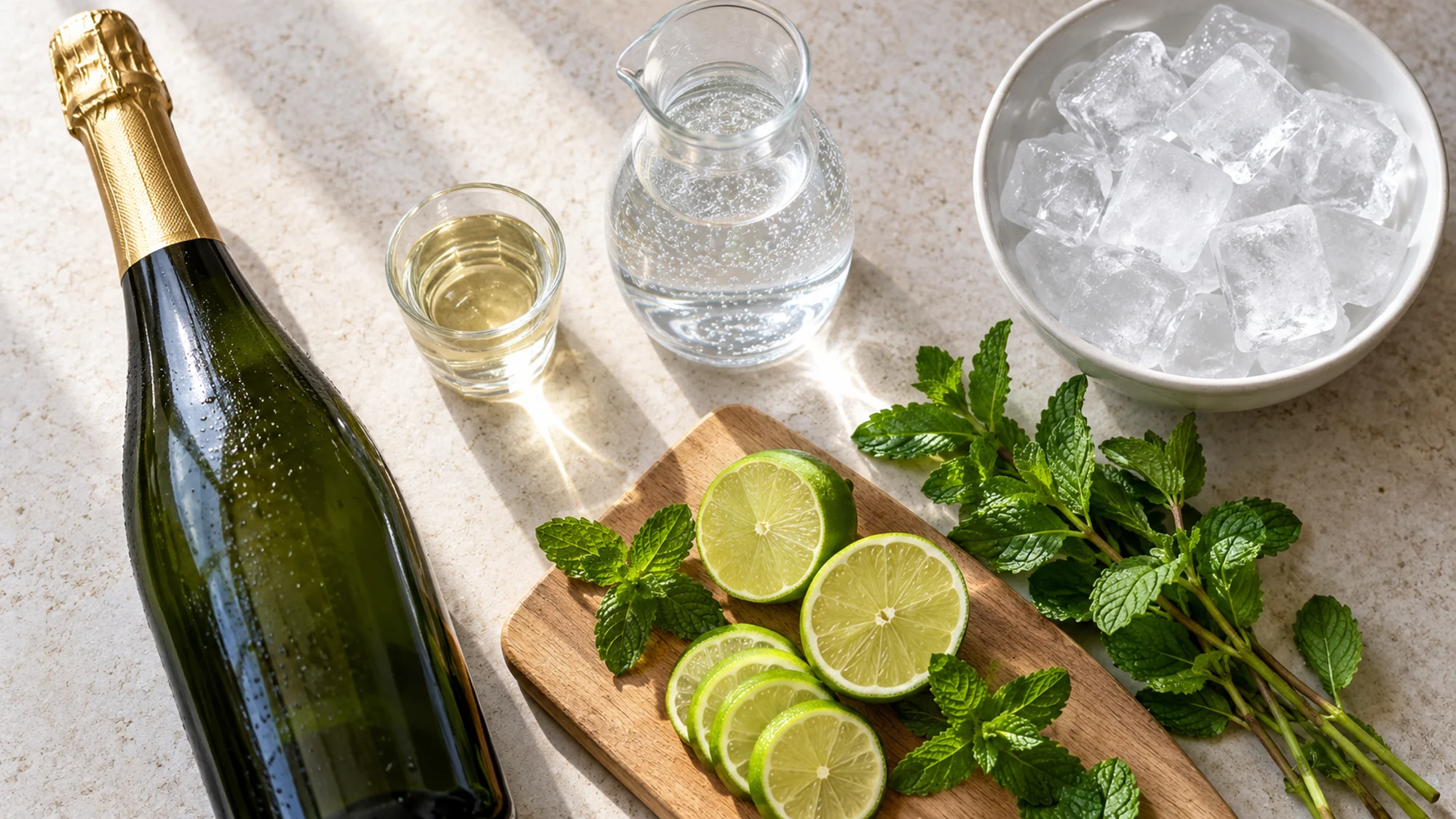
- 3 fl oz Brut Prosecco 90 ml, thoroughly chilled
- 1 fl oz elderflower liqueur 30 ml, such as 20% ABV St-Germain; not cordial
- 2 fl oz plain sparkling water 60 ml, chilled
- 6 mint leaves plus a small sprig for garnish
- 2 thin lime wheels
- 1 cup ice cubes or enough to fill the glass
Equipment
- 1 Large wine glass
- 1 Jigger or small measuring cup
- 1 Long spoon
Instructions
- Gently press the mint leaves once against the inside of a large wine glass with the back of a spoon. Do not shred or aggressively muddle them.
- Fill the glass with ice. Add the measured elderflower liqueur, then slowly pour in the chilled Prosecco and sparkling water.
- Give the drink one gentle lift and turn with a long spoon. Add the lime wheels and mint sprig. Serve immediately; do not shake carbonated ingredients.
Nutrition
Video
Notes
Tried this recipe?
Let us know how it turned out!Hi, I’m Emily Pocker! I share recipes and food guides here at Recipes360 to help you find everyday meal inspiration and feel more confident in the kitchen. My goal is to make cooking approachable, enjoyable, and full of flavor.