

Two tubs can both say low fat yogurt and still make very different breakfasts. One is plain and pleasantly tangy; another has sweetened fruit, a crunchy topping and a smaller serving printed on the label. The front of the package starts the conversation, but it should not get the final word.
Low fat yogurt can be a useful everyday dairy choice. Compare equal serving sizes, look at added sugar and protein, and choose a texture that suits how you will actually eat it.
I’d rather buy a plain tub that works at breakfast and in a savory dip than choose only by a bold claim. That is a preference about flexibility, not a rule that every flavored yogurt is off limits.
What Low Fat Yogurt Does—and Does Not—Tell You
The phrase describes the fat content; it does not tell you the entire nutrition profile. It also does not mean the yogurt is necessarily unsweetened, lactose-free or suitable for someone with a milk allergy. Those are separate questions requiring their own label checks.
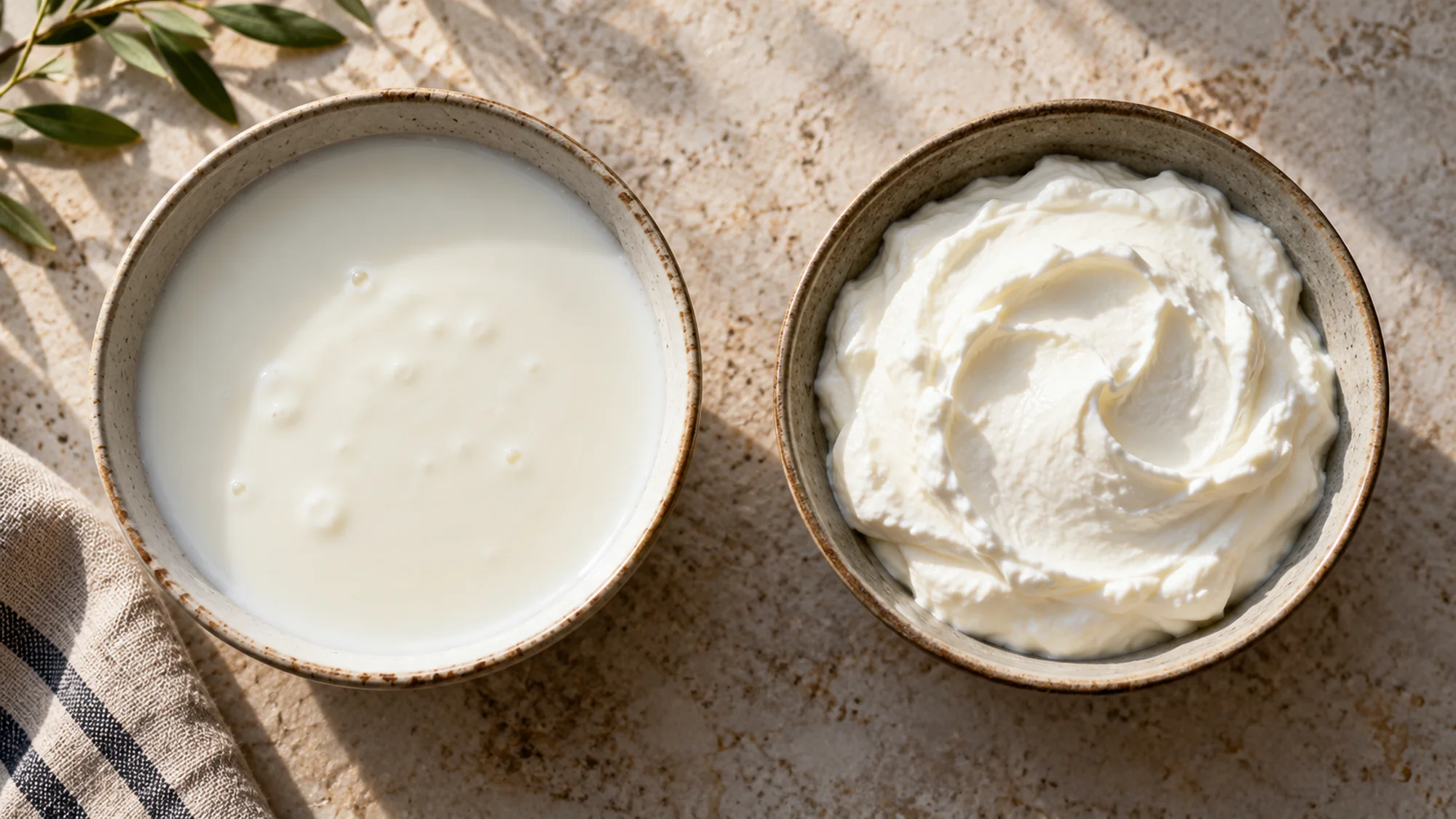
Greek-style or strained yogurt describes another dimension: texture and processing. A thicker product may offer more protein per comparable serving, but the exact number depends on the product. Check the panel rather than assuming every Greek-style tub is nutritionally identical.
- Fat: compare total and saturated fat for the same amount of food.
- Sweetness: plain, vanilla and fruit-flavored versions can differ substantially.
- Texture: spoonable, drinkable and strained products behave differently in the kitchen.
- Ingredients: check milk, flavorings, sweeteners and any other ingredients relevant to your needs.

Read the Nutrition Facts in a Useful Order
Start with grams per serving before comparing two tubs. The FDA explains that the nutrition amounts refer to the listed serving; a serving size is not a prescription for how much you must eat. A larger bowl changes the amount of every listed nutrient you consume.
Use the following as a decision aid, not a scoring system. No single line can tell you whether you will enjoy the yogurt or whether it fits the rest of your day.
| Label detail | Why it matters | What to do |
|---|---|---|
| Serving size in grams | Makes comparisons meaningful | Compare the same amount |
| Added sugars | Separates added sweeteners from naturally present sugars | Compare within similar yogurt types |
| Protein | Varies with product and processing | Read grams, not only front-label claims |
| Saturated fat | One part of the fat profile | Consider alongside other foods |
| Calcium and vitamin D | Amounts and fortification vary | Read the actual panel |
A fair comparison starts with equal portions. Then use the nutrients that matter to you, rather than treating one large front-label number as the whole story.
Plain Yogurt Still Contains Naturally Occurring Sugar
Milk contains lactose, so plain dairy yogurt can list total sugars even when no sweetener has been added. The FDA distinguishes total sugars from added sugars: the latter includes sweeteners added during processing, while the former includes both naturally occurring and added sugars.
I prefer adding fruit to a plain bowl when I want control over the sweetness and texture. That does not make a flavored pot a mistake. It simply gives you another way to choose the amount and combination you enjoy.
- Check the added-sugars line instead of assuming all sugar listed came from a sugar bowl.
- Read the ingredients when a product tastes sweet but reports little or no added sugar; another sweetener may be present.
- Remember that honey and syrup you stir in yourself still add sweetness and sugar.
- Count a separate topping packet as part of what you eat, not as invisible packaging decoration.
Plain and unsweetened do not mean sugar-free. The added-sugars line helps separate the manufacturer’s sweeteners from milk’s own sugar.
Make the Texture Work for Breakfast and Dinner
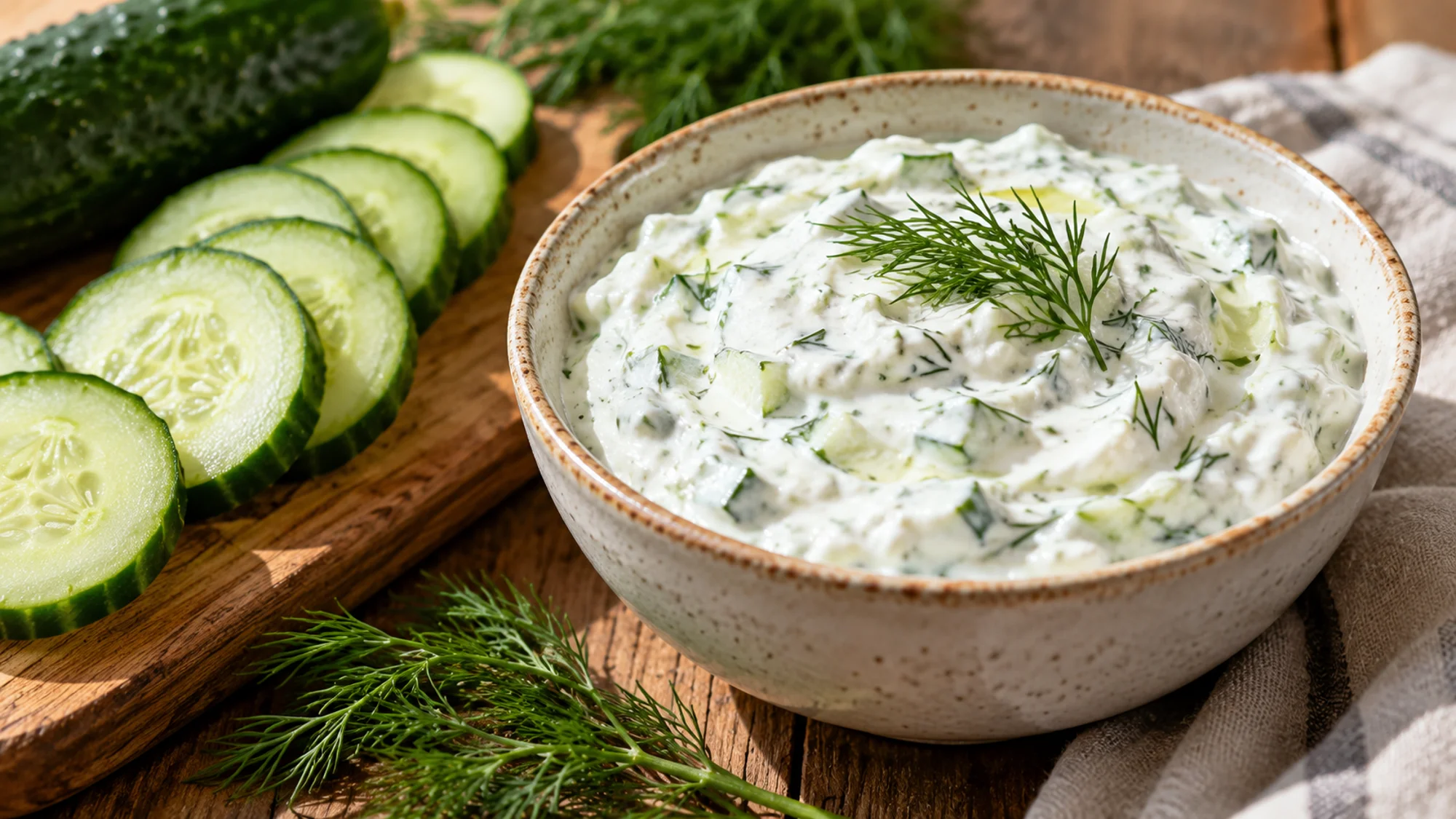
Low fat yogurt is useful well beyond a spoon-and-lid breakfast. A thick plain version can hold chopped herbs; a looser one blends readily into a dressing. Diabetes Ireland suggests savory uses such as dips and dressings alongside fruit-based options.
For a deeper look at how milk becomes softly set yogurt, the homemade-yogurt guide explains that process using its own specified ingredients. A recipe designed for whole-milk yogurt should not automatically be treated as a tested low-fat substitution.
- Breakfast bowl: add berries, sliced fruit or a portion of oats for contrasting texture.
- Cold dip: choose plain yogurt and add cucumber or herbs, adjusting thickness gradually.
- Dressing: thin a thick yogurt a little at a time instead of adding all the liquid at once.
- Hot dishes: follow a recipe designed for yogurt; boiling and abrupt heat can change the texture.
- Storage: keep refrigerated, follow the package directions and use a clean spoon.
Choose thickness to match the job: a scoopable dip and a pourable dressing do not need the same consistency.
Bottom Line
The best low fat yogurt for your kitchen is one you enjoy and understand. Read the serving size, added sugar, protein and ingredients together, then choose the texture and flavor that fit the meal.
This FDA discussion explains Nutrition Facts and label claims more broadly; its serving-size and daily-value guidance applies when comparing yogurt.
Sources

Hi, I’m Emily Pocker! I share recipes and food guides here at Recipes360 to help you find everyday meal inspiration and feel more confident in the kitchen. My goal is to make cooking approachable, enjoyable, and full of flavor.