
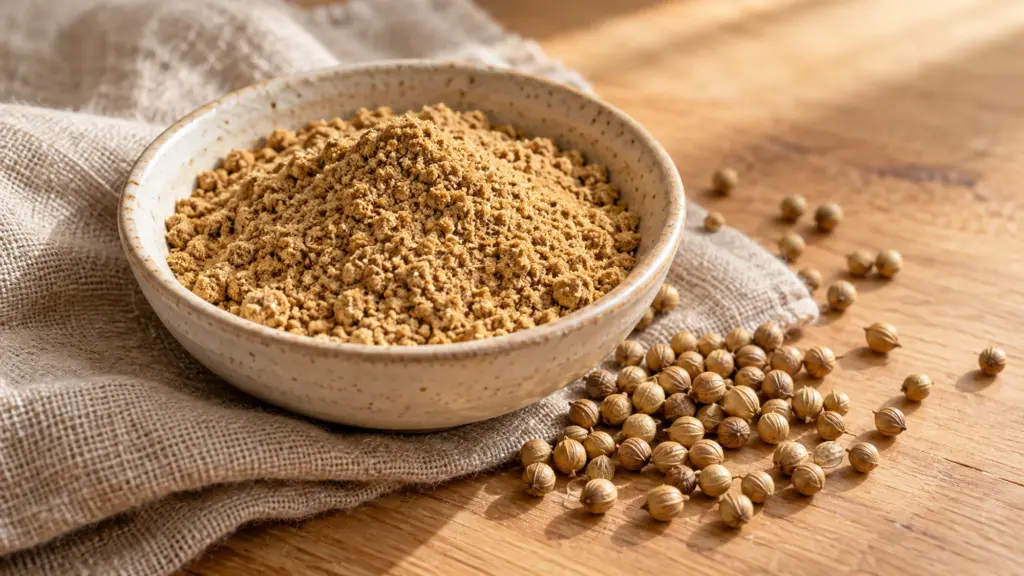
A jar of ground coriander and a bunch of cilantro can look like completely unrelated ingredients. Then a recipe calls for “coriander,” and the shopping list suddenly needs translating. The useful question is which part of the plant belongs in the dish: the leafy herb or the warm, citrusy seed spice.
Ground coriander is the powdered dried seed of the cilantro plant. It adds gentle citrus and warm spice notes rather than chili heat. Use it when a recipe calls for coriander powder; fresh cilantro leaves bring a different flavor and cannot replace it directly.
What Ground Coriander Actually Is
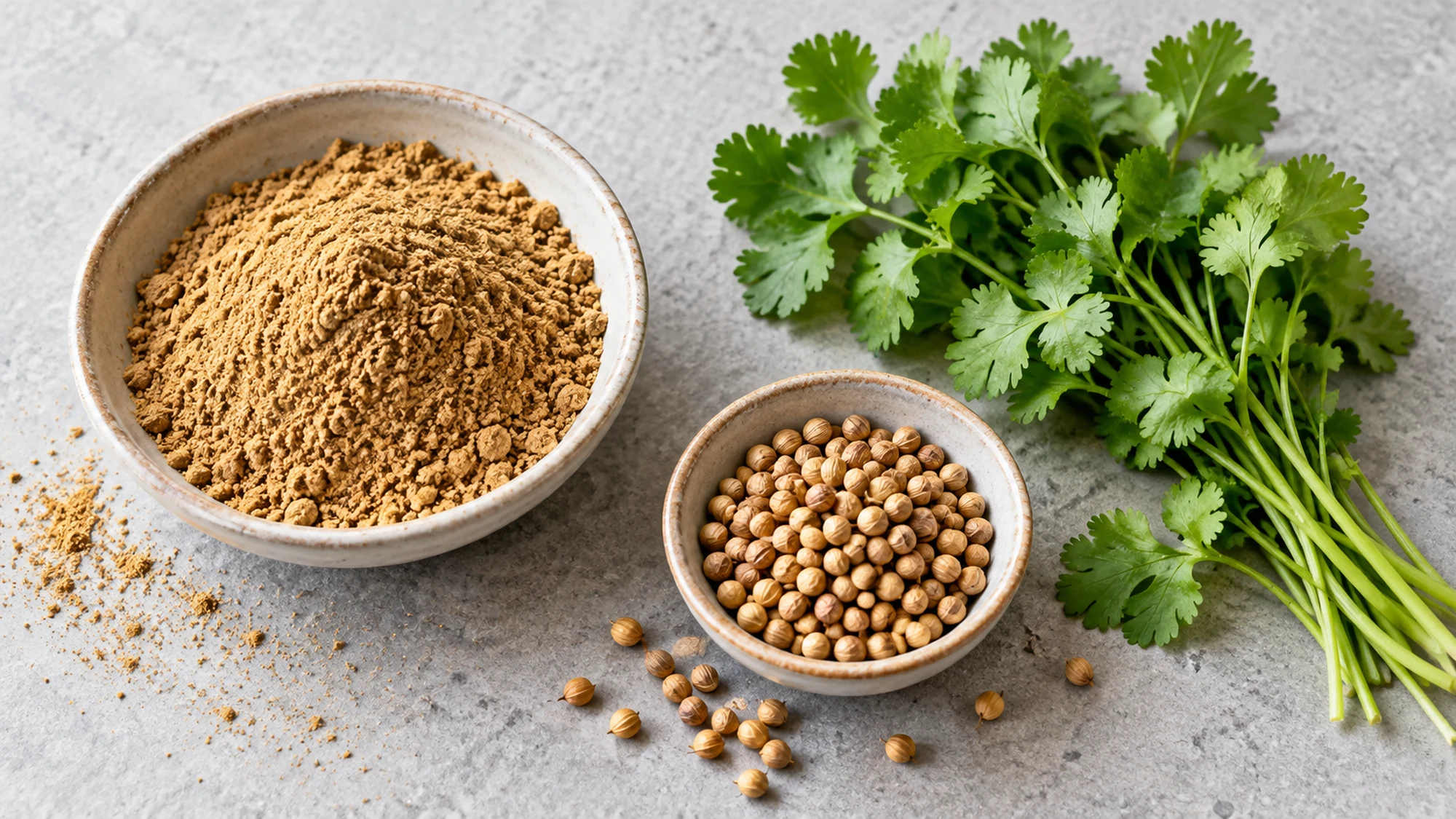
In American cooking, cilantro usually means the fresh leaves and stems, while coriander means the dried seeds. Illinois Extension explains this two-part harvest from Coriandrum sativum. Other countries may call the leaves coriander too, so look for “ground,” “seed,” or “fresh” in the ingredient list.
- Ground coriander: A tan powder that disperses through sauces, marinades and spice mixtures without leaving whole seeds to bite into.
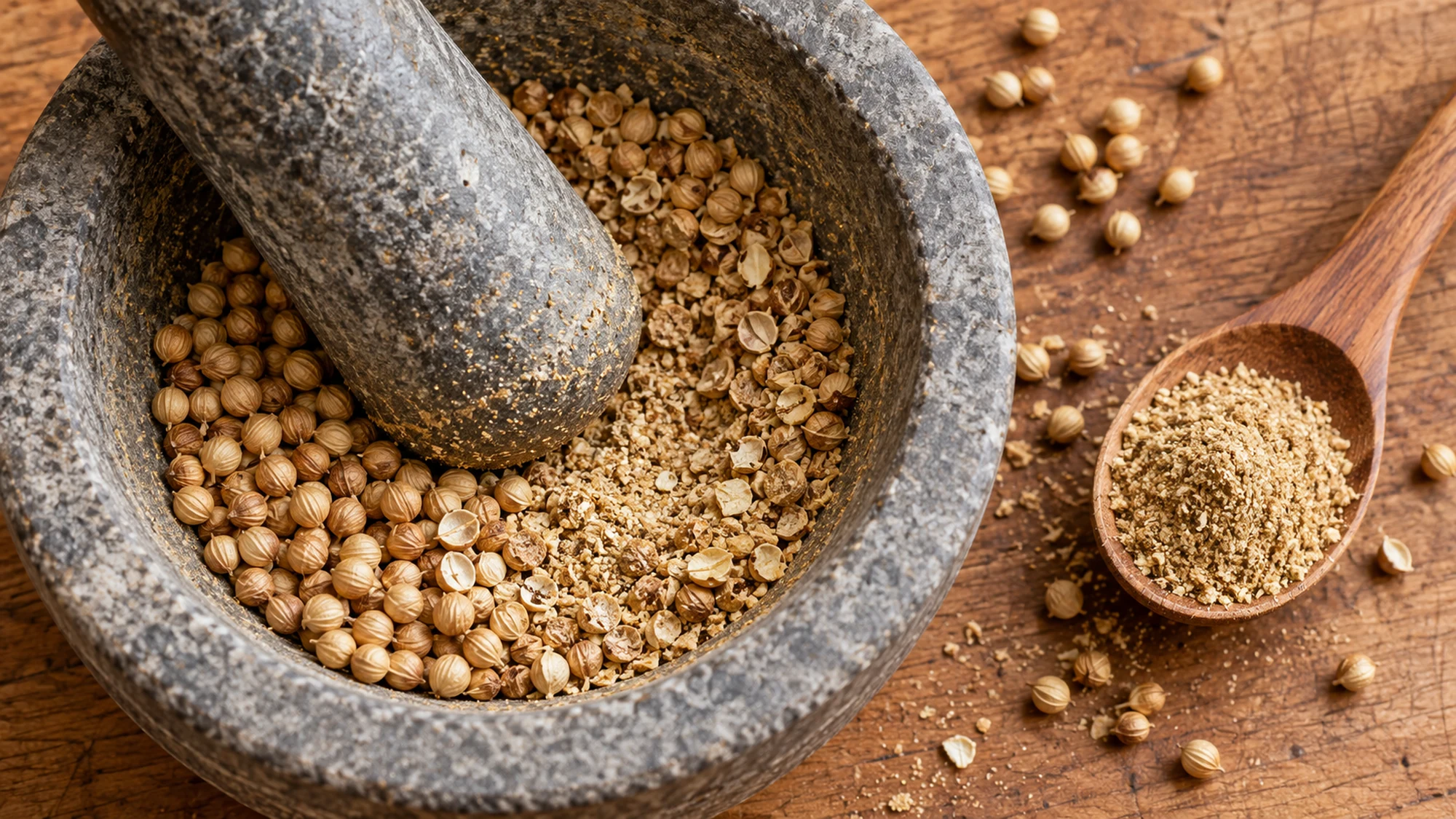
- Whole coriander: Small, rounded, ridged seeds that can be crushed or ground when needed.
- Fresh cilantro: A green leafy herb used for a fresh finish or blended into sauces; it does a different culinary job.
The McCormick Science Institute’s ingredient overview describes the ripe seed’s flavor as distinct from the leaves. If cilantro tastes unpleasant to you, do not assume the seed powder will taste identical. That distinction is about flavor, not proof of allergy safety.
Choose the Form That Fits the Dish
I would choose powder for a smooth sauce and whole seeds when their texture is intentional. Neither is automatically the better buy: a jar you actually use makes more sense than a large bag that sits untouched. This comparison helps match the form to the job.
| Form | Useful for | Watch for |
|---|---|---|
| Ground | Smooth sauces and rubs | Fades faster in storage |
| Whole seeds | Grinding or deliberate crunch | Whole seeds change texture |
| Roasted ground | A warmer toasted note | Already roasted |
| Fresh leaves | Herby sauces and garnish | Not a powder substitute |
Roasted ground coriander is a separate option: McCormick’s roasted product is made from roasted seeds. If a recipe specifies ordinary ground coriander, expect a different emphasis from a roasted version. Grinding whole seeds also changes their volume, so avoid treating a spoonful of seeds as a guaranteed equal spoonful of powder.
Using Ground Coriander in Everyday Food
Think of this spice as a supporting flavor rather than a way to make food hot. It fits comfortably into lentils, chickpeas, vegetables and meat seasonings. I would start with an established recipe before trying a large, freehand sprinkle; an unfamiliar spice is easier to understand when the other flavors stay familiar.
- In a sauce: Follow the recipe’s point for adding ground spices, then stir thoroughly so the powder is evenly distributed.
- With gentle heat: Brief warming in oil can release aroma, but watch closely. Ground spices burn easily; a dark, scorched powder is not extra flavor.
- For vegetables: Consider coriander alongside familiar savory seasonings rather than turning every side dish into a completely new experiment.
- In baking: Its citrus character can complement warm spice flavors, but use a recipe designed for it instead of adding an unmeasured amount.
McCormick’s spice handling guide discusses warming ground coriander in oil and the risk of burning ground spices. For a practical example of timing within a sauce, our chicken Madras guide uses coriander with cumin and adds liquid before the spices scorch. Cumin can complement coriander, but swapping it in changes the flavor; there is no universal replacement that makes every dish taste the same.
Buying, Labels and Keeping the Aroma
Check whether the jar contains one spice or a blend. The roasted McCormick product lists roasted ground coriander as its ingredient; that does not establish the ingredients or allergen controls of another brand. The manufacturer advises reading the current package because formulas can change. If you need an allergy or gluten-free assurance, verify that exact product rather than relying on a generic spice description.
- Buy a realistic amount: A small jar suits occasional use; whole seeds make sense if you enjoy grinding them.
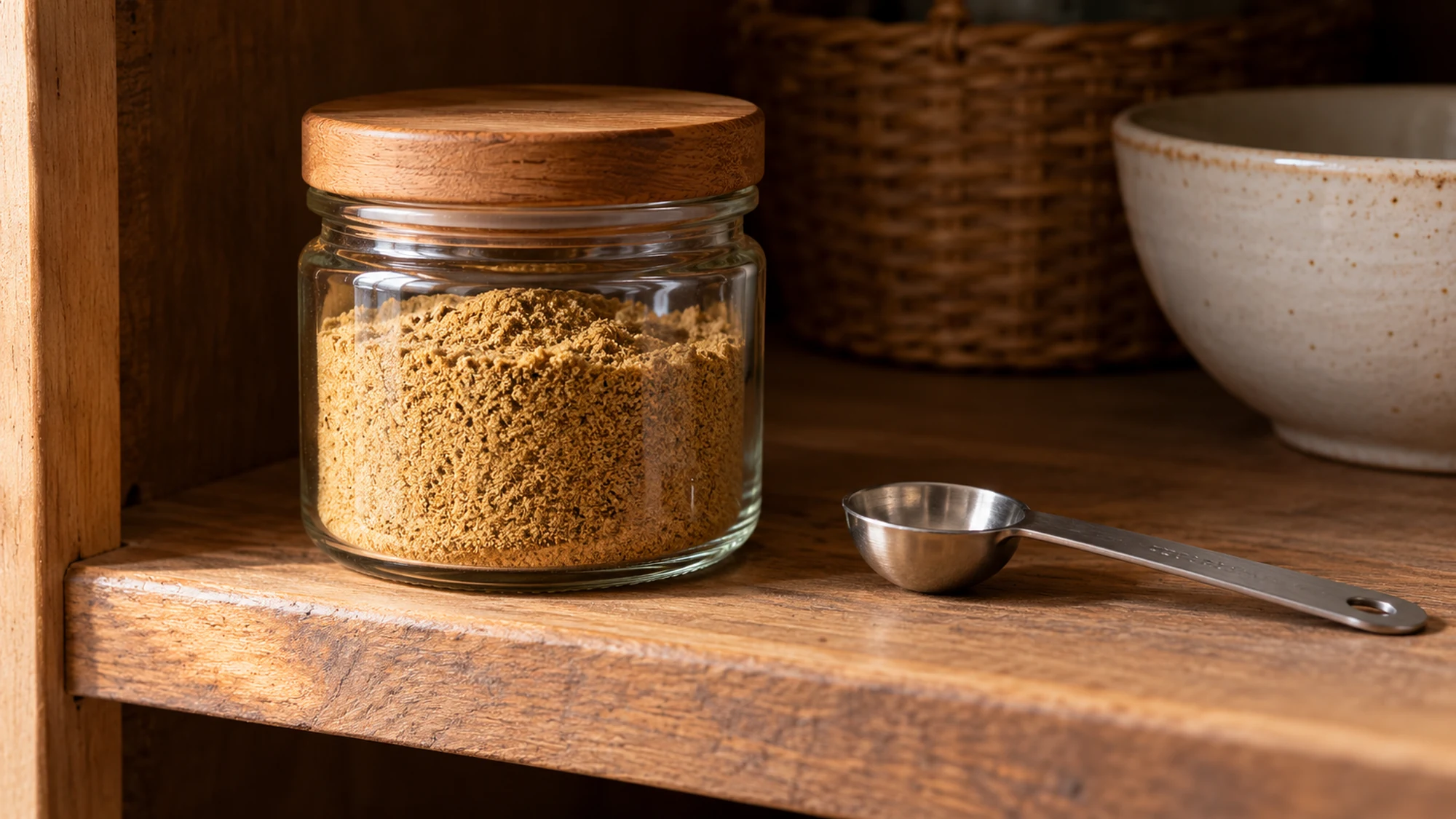
- Close the lid: Keep the spice dry, tightly covered and away from the stove, sink and direct sunlight.
- Use a dry spoon: Measure away from steam instead of shaking the open jar over a bubbling pot.
- Check the aroma: A weak-smelling powder may contribute little even when the date has not passed. Follow the package’s best-by guidance rather than treating every jar as identical.
The USDA’s spice storage guidance notes that ground spices lose aroma faster than whole ones. I would replace a faded jar before buying a second spice to compensate. The goal is clearer seasoning, not an increasingly crowded cupboard.
Bottom Line
Choose ground coriander for a smooth, gently citrusy spice note, whole seeds when you want to grind them or retain their texture, and fresh cilantro for its separate leafy flavor. Buy the amount you will use, protect it from steam and heat, and let the recipe guide the quantity.
Sources
- Illinois Extension: Cilantro
- McCormick Science Institute: Coriander
- McCormick: Roasted ground coriander
- McCormick: Spice quality and handling
- McCormick: Labels and storage FAQ
- USDA FSIS: Spice storage

Hi, I’m Emily Pocker! I share recipes and food guides here at Recipes360 to help you find everyday meal inspiration and feel more confident in the kitchen. My goal is to make cooking approachable, enjoyable, and full of flavor.