
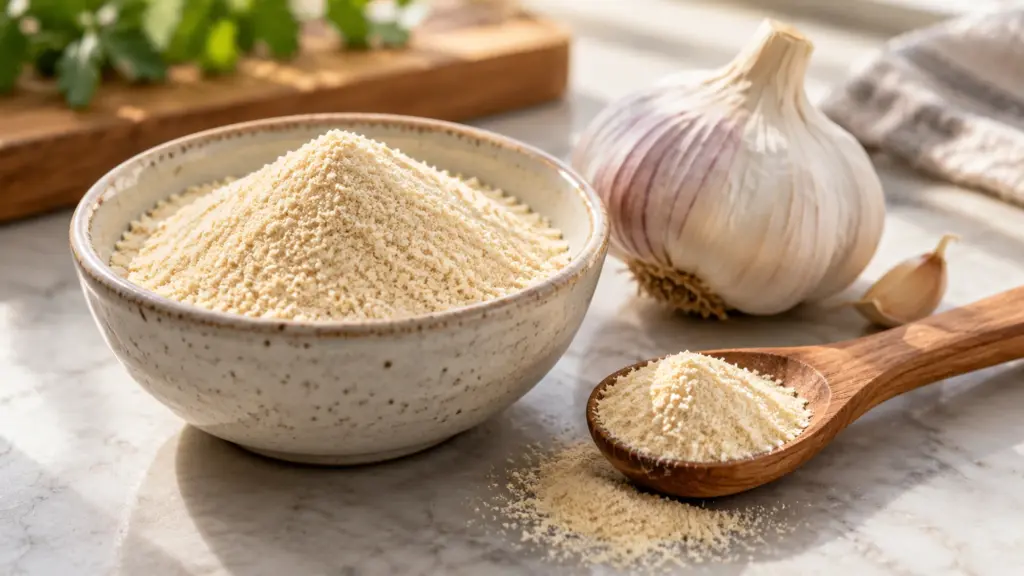
The shaker is convenient until a recipe calls for garlic powder and the cupboard offers garlic salt instead. They share a flavor, but they do different jobs. Plain garlic powder is dried, finely ground garlic; it lets you add garlic character while controlling salt separately.
Use garlic powder when you want garlic flavor dispersed through a sauce, seasoning mix or coating. Check that the ingredient list names garlic alone. Garlic salt also adds salt, so it needs a different place in your seasoning plan.
What Garlic Powder Adds
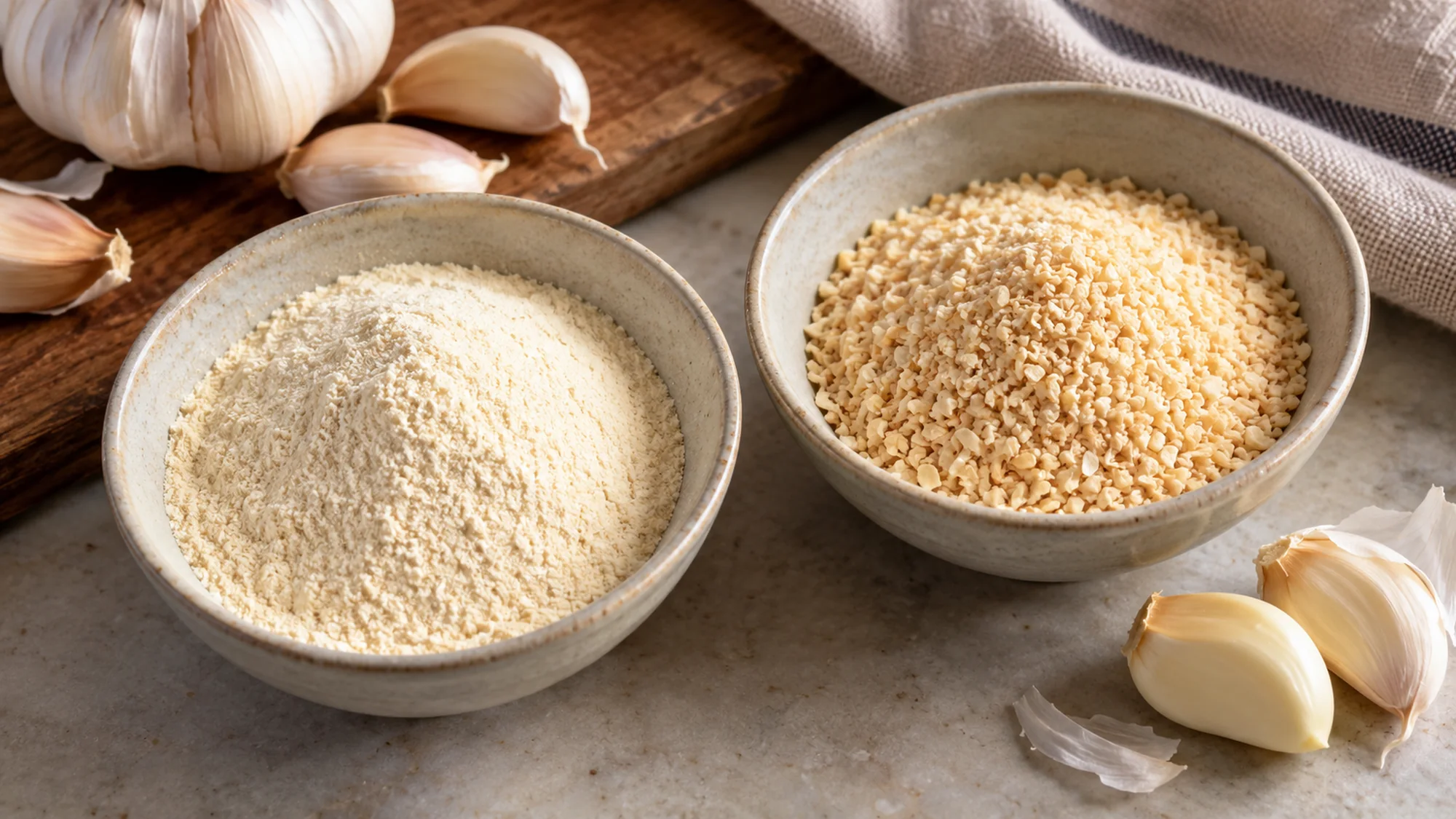
McCormick’s U.S. Garlic Powder label lists garlic powder as its ingredient and describes the product as dried, ground whole cloves. That is the plain product discussed here, rather than a garlic-flavored blend. Its pale, fine texture is useful when pieces of fresh garlic would stand out.
I’d choose the powder for a smooth dressing or an evenly seasoned potato coating. Fresh cloves remain useful when you want visible pieces or their particular bite. Keeping both on hand is a practical choice, not a verdict on which form is more respectable.
- Check the name: Garlic powder, garlic salt and garlic seasoning are separate products.
- Check the ingredient list: A blend can bring salt, herbs or other flavorings along with the garlic.
- Check the job: Think about texture and salt before reaching for the nearest shaker.
Garlic Powder, Granules and Salt Compared
Illinois Extension’s garlic guide distinguishes finely ground powder, coarser granulated garlic and larger dried minced pieces. These differences matter when you measure by the spoon: a spoonful of fine powder is not automatically equivalent to a spoonful of larger pieces.
| Form | Main distinction | Choose for |
|---|---|---|
| Garlic powder | Finely ground dried garlic | Smooth seasoning without visible pieces |
| Granulated garlic | Coarser dried particles | Rubs and mixtures where texture is welcome |
| Dried minced garlic | Larger dried pieces | Dishes that can accommodate pieces |
| Garlic salt | A salt-containing garlic blend | Adding salt and garlic together |
McCormick’s U.S. Garlic Salt label lists salt, garlic, calcium silicate to keep it free flowing, and garlic oil. It is therefore not a spoon-for-spoon replacement for plain powder. Adding the same quantity can change both the saltiness and garlic strength of the dish.
- If you have powder but need garlic salt, treat garlic and salt as separate seasonings and follow the recipe’s directions.
- If you have garlic salt but need powder, consider how much salt is already in broth, cheese or other ingredients.
- Do not assume a universal conversion works across every blend or brand.
How to Use It Without Losing Control
Start with the amount specified in a reliable recipe. For an improvised sauce, stir in a small measured addition, mix thoroughly and taste before adding more. I prefer that deliberate approach to shaking directly over the pot; an enthusiastic lid opening can make a surprisingly garlicky decision for you.
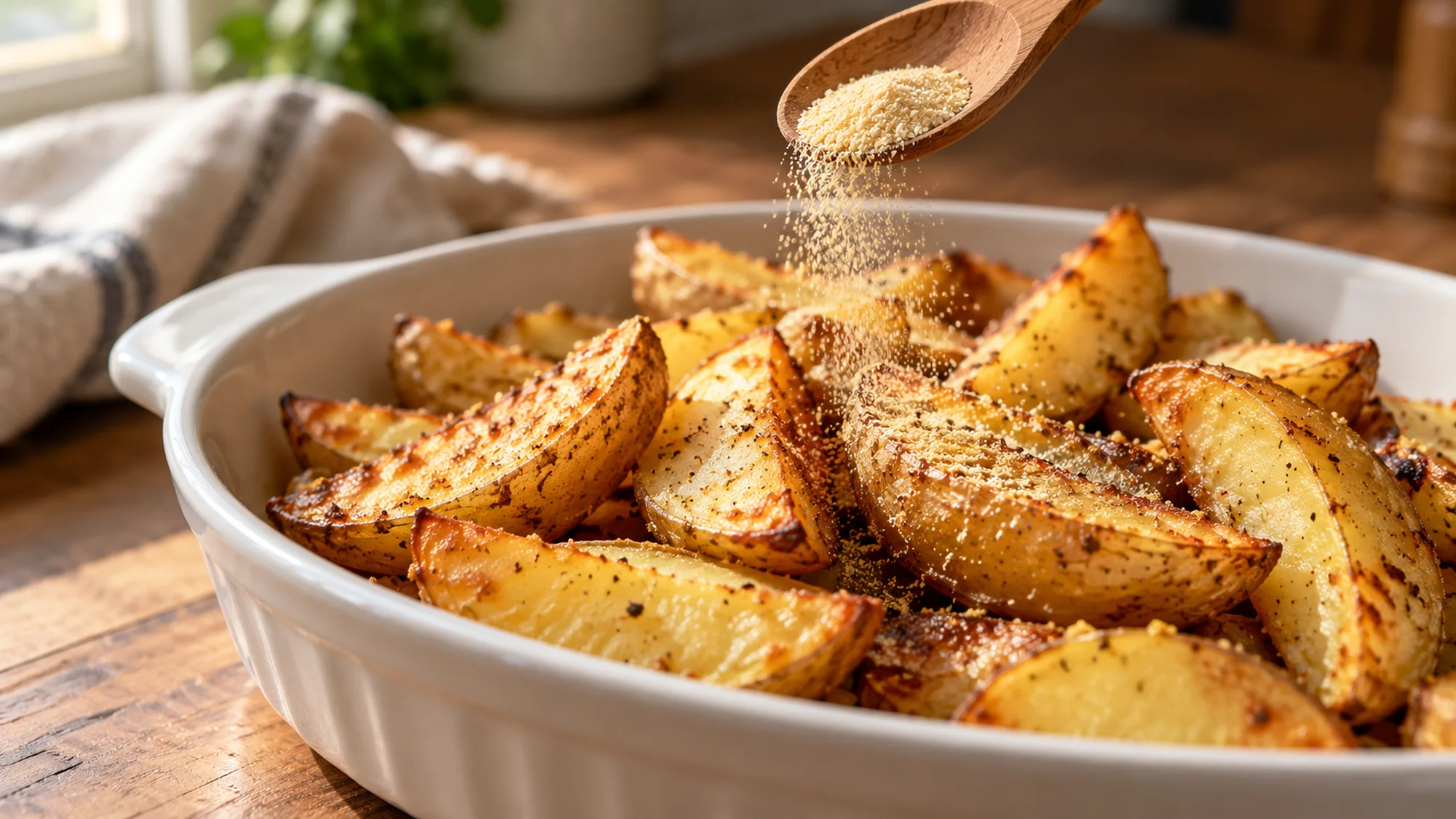
Powder is particularly convenient in dry seasonings because you can distribute it with the other ingredients before coating the food. It also avoids adding the pieces and moisture that come with chopped fresh cloves. That convenience does not mean fresh and dried garlic taste identical.
- For soups and sauces: Stir well so one mouthful does not get all the seasoning.
- For vegetables: Distribute it through the coating or seasoning mixture rather than leaving a thick patch on one piece.
- For substitutions: Follow the recipe or the particular product’s instructions, then adjust thoughtfully.
- For finishing: Taste the whole bite, including salty toppings or sauce, before adding additional salt.
Store It Dry and Read Every Blend Label
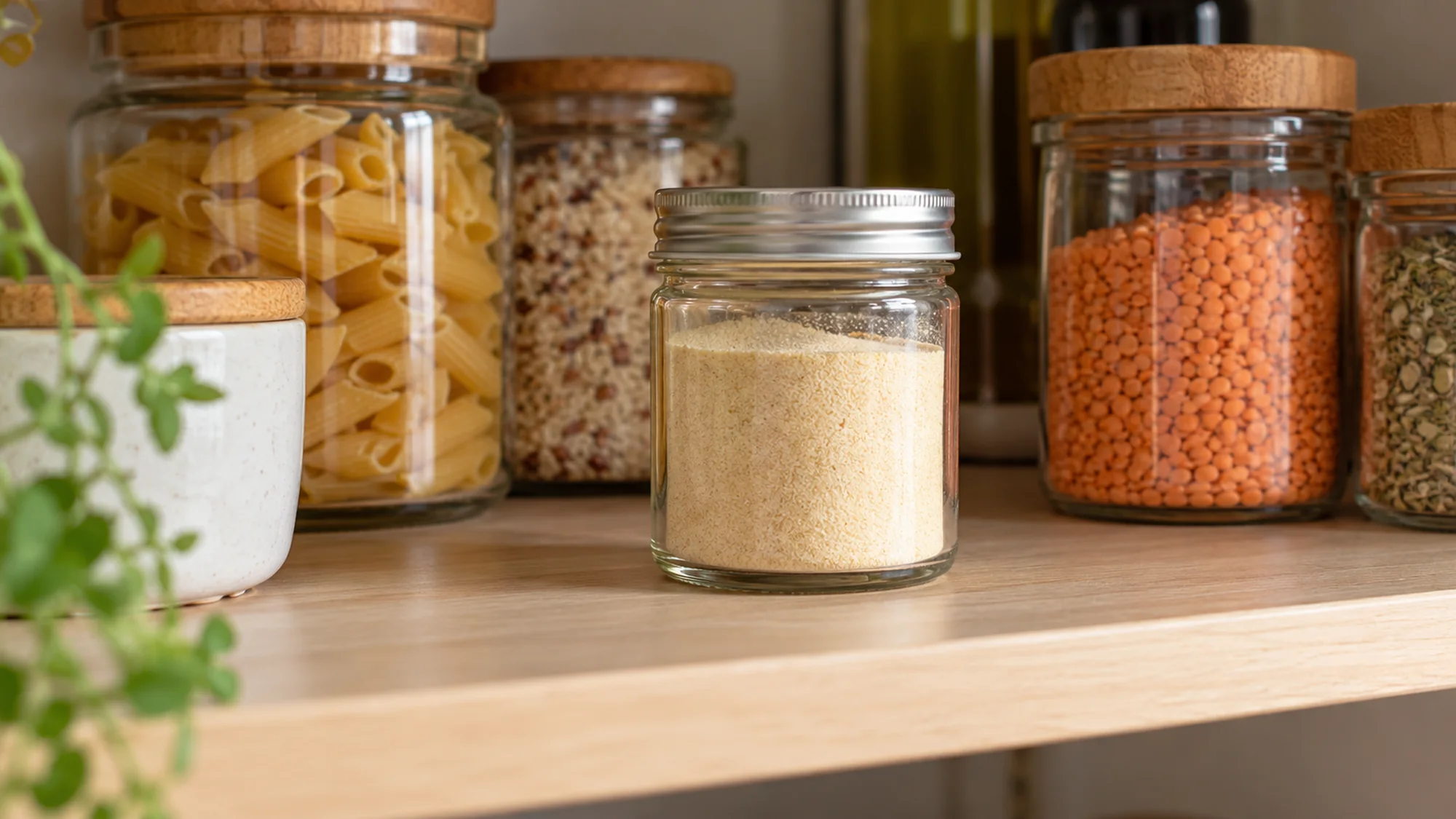
McCormick’s storage guidance recommends keeping dried garlic seasonings away from heat, moisture and direct sunlight. A cabinet or drawer away from the stove and sink is a better home than a steamy cooking area. Close the lid after measuring and keep the spoon dry.
Use the package’s best-by guidance for quality rather than promising a universal shelf life. If a jar has become damp or contaminated, replace it. Buying an amount you can reasonably use is often more useful than choosing the largest container.
- Allergens: Plain garlic and a flavored blend are different label checks. FDA allergy guidance identifies wheat, soy and milk among the major allergens that must be declared when present as ingredients in covered foods.
- Prepared food: Garlic powder does not change the refrigeration needs of the food you add it to.
- Serving others: Check every coating, sauce and topping rather than treating the word “garlic” as an allergy guarantee.
Bottom Line
Choose plain garlic powder for fine texture and separate control over salt. Compare labels before substituting garlic salt, add seasonings gradually, and keep the jar tightly closed in a dry cabinet. A little attention at the shaker saves a lot of adjustment at the table.
America’s Test Kitchen’s video below examines garlic powder products. Its tasting belongs to that team; use the discussion to help compare your own choices.
Sources
- McCormick: Garlic Powder label
- McCormick: Garlic Salt label
- Illinois Extension: Garlic forms and substitutions
- McCormick: Garlic uses and storage
- FDA: Food allergy labeling

Hi, I’m Emily Pocker! I share recipes and food guides here at Recipes360 to help you find everyday meal inspiration and feel more confident in the kitchen. My goal is to make cooking approachable, enjoyable, and full of flavor.