
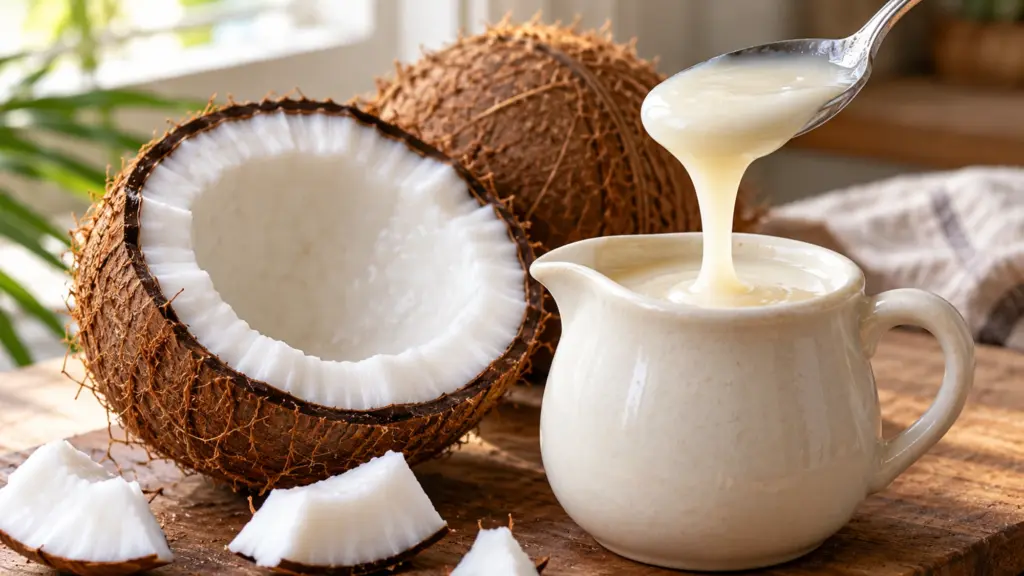
Cream of coconut sounds like something you could spoon straight into a curry. Yet opening a can often reveals a glossy, very sweet ingredient better suited to a pineapple drink or dessert. That small difference in the name can change the flavor of an entire dish.
Cream of coconut is sweetened coconut cream or a sweetened coconut mixture. It is not the same as unsweetened coconut cream, so check the ingredients before substituting.
The easiest way to shop for it is to think about what your recipe needs: sweetness, coconut flavor, or both. The front label is a starting point; the ingredient list settles the question.
What Is Cream of Coconut?
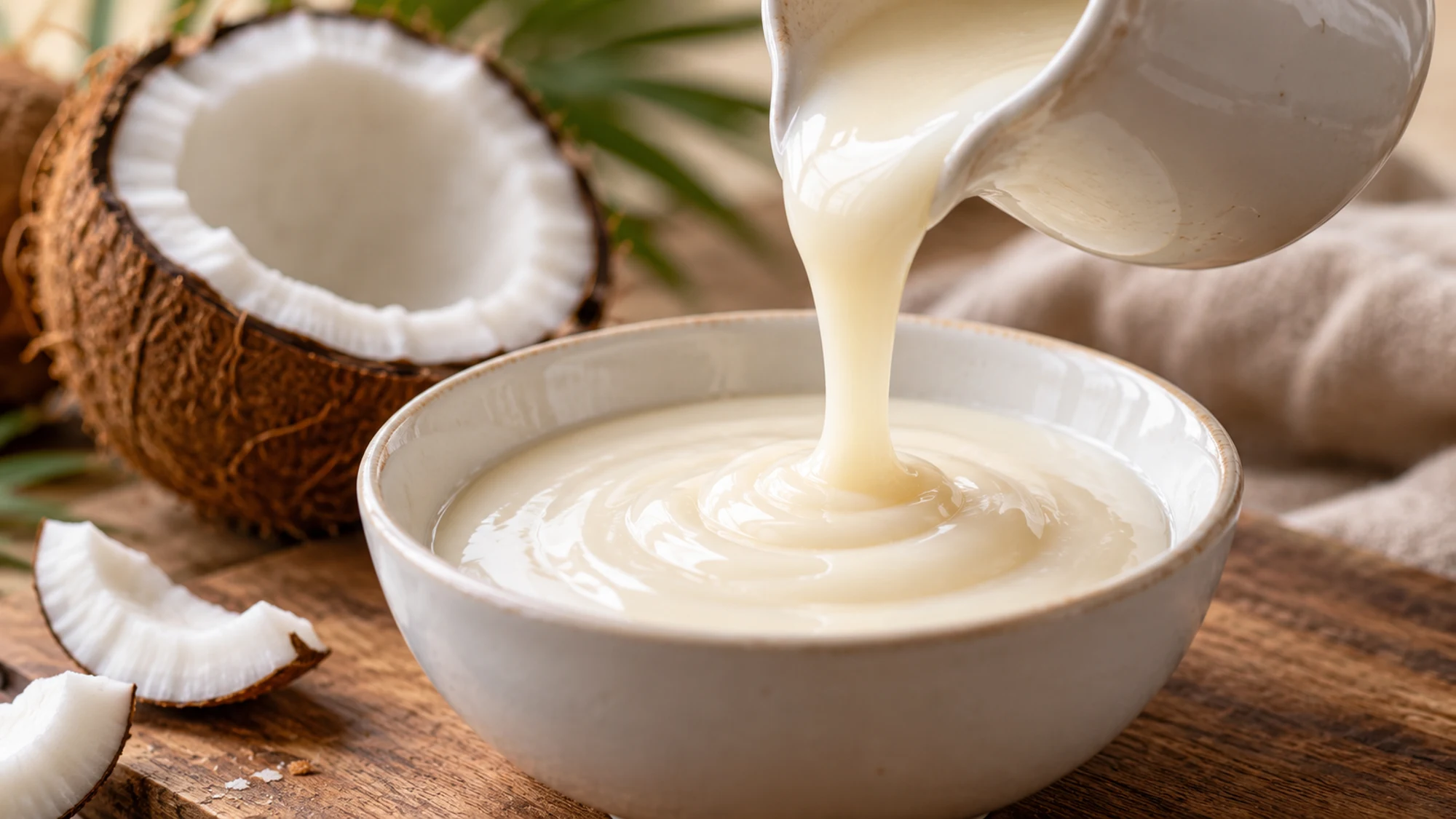
Commercial cream of coconut combines coconut ingredients with sugar. Coco López describes its original product as coconut cream blended with cane sugar. Other brands use their own formulas, so consistency and sweetness are not identical across the shelf.
For example, GOYA’s ingredient list starts with coconut milk and sugar and includes ingredients that help maintain texture. A thick, smooth pour is useful when you want coconut flavor to blend into a cold drink rather than sit in clumps.
This is a sweet ingredient, not a neutral cooking cream. Before adding honey, syrup, or another sweetener to a drink containing it, taste the mixture. You may already have enough sweetness, especially if the fruit or juice is sweet too.
Cream of Coconut vs. Coconut Cream
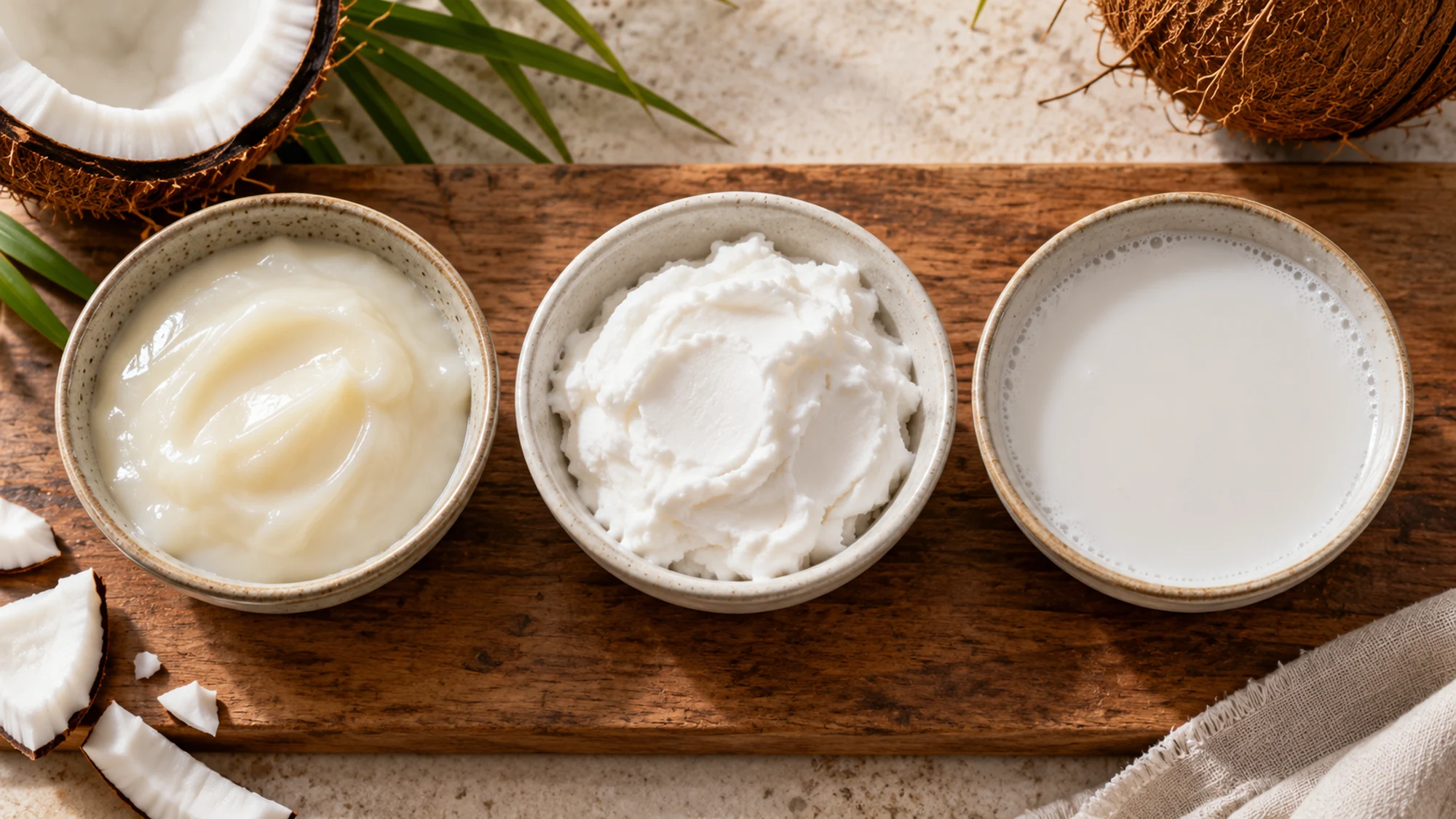
Unsweetened coconut cream plays a different role. Thai Kitchen describes its coconut cream as thicker and creamier than coconut milk and suitable for curries, baking, and beverages. It adds richness without the built-in sugar of cream of coconut.
| Ingredient | What to check | Typical kitchen role |
|---|---|---|
| Cream of coconut | Sugar or another sweetener in the ingredients | Sweet drinks, desserts, toppings |
| Unsweetened coconut cream | No added sweetener; brand consistency varies | Rich curries, sauces, baking |
| Unsweetened coconut milk | A more fluid coconut ingredient | Soups, sauces, drinks |
| Piña colada mix | Full formula; may already contain fruit flavor and sweetener | A prepared drink base |
Names can be confusing across brands and countries. Do not decide solely by the word “cream,” the package shape, or a photograph of a coconut. A recipe asking for unsweetened coconut cream needs a different starting point from one asking for a sweetened cocktail ingredient.
For substitutions, compare sweetness first and thickness second. Similar-looking coconut products can do very different jobs.
How to Use It Without Oversweetening
Cream of coconut works especially well when a recipe needs coconut and sweetness together. Roland Foods’ Coco López product information identifies drinks and desserts among its uses. Think of it as a flavored sweetener with body, rather than a splash of ordinary milk.
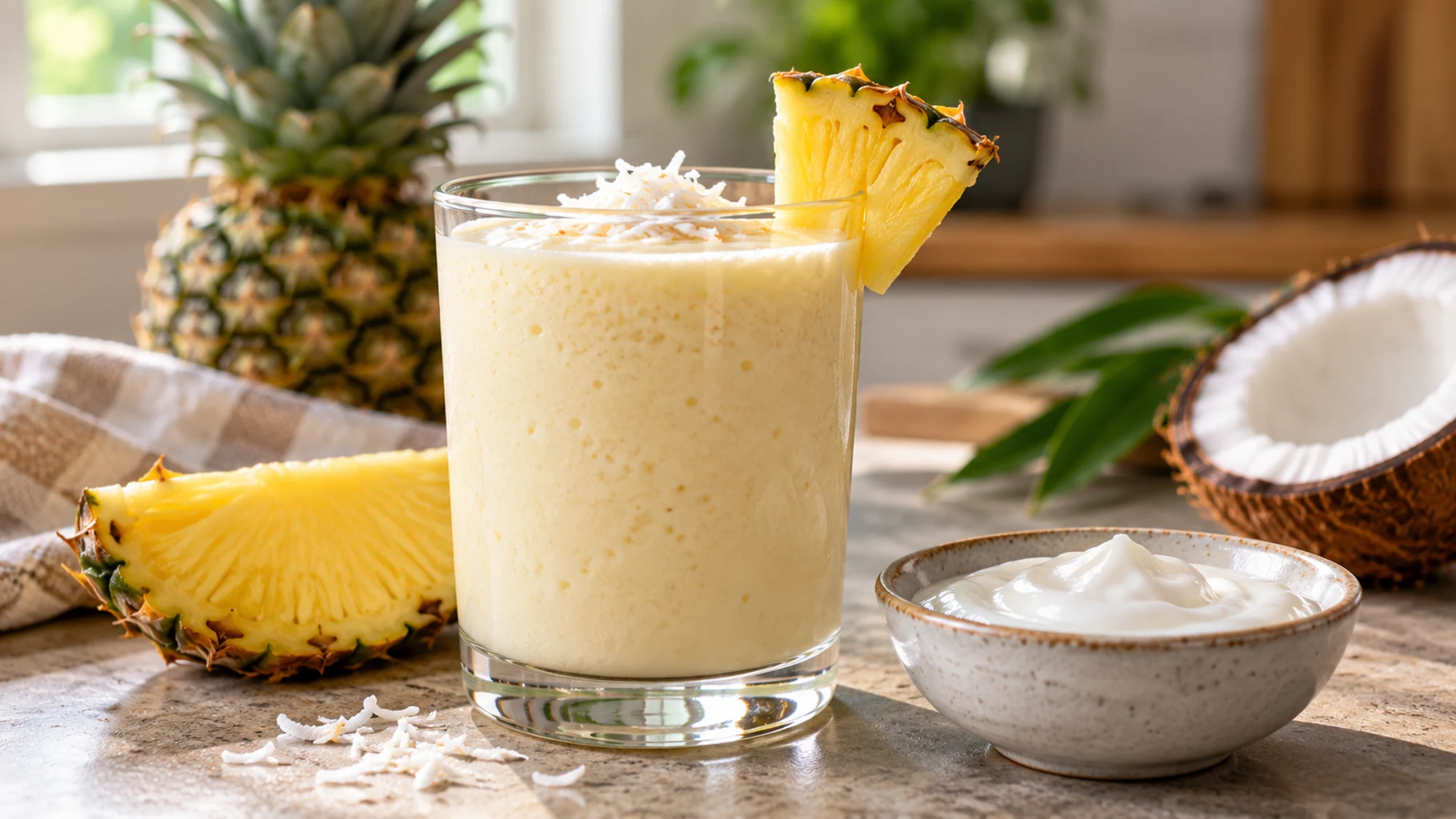
- Blend a little into a pineapple smoothie, then taste before adding more.
- Stir a small amount into a dessert sauce or drizzle it over fruit.
- Use the exact product specified in a tested baking recipe, where sugar and moisture affect the result.
- For a savory dish, reach for an unsweetened coconut product unless the recipe explicitly calls for this one.
A small spoonful is an easier correction than a large pour. If a cold drink becomes too sweet, more ice may simply dilute every flavor; adjust with an unsweetened component already suited to that drink instead. Work gradually so the coconut does not disappear while you fix the sugar.
Buying, Substituting, and Storing
Check the full label for ingredients, allergens, opening instructions, and the intended use. A product made mainly from coconut is not automatically suitable for every allergy or dietary restriction. Likewise, a brand’s dairy-free or gluten-free claim should not be transferred to an unrelated product.
For an untested substitution, unsweetened coconut cream plus sugar is a starting idea, not a guaranteed one-for-one replacement. Sweetness, water content, and stabilizers differ. Drinks are usually easier to adjust by tasting than baked goods, where a reliable recipe is the better guide.
Follow the package for storage before and after opening, and date the container when you open it. Use a clean spoon and keep the closure clean. Some coconut products separate; stir only as directed rather than assuming a change in appearance proves either spoilage or safety. There is no single refrigerator life that applies to every brand and package.
Bottom Line
Choose cream of coconut when you want a sweet coconut ingredient. Choose unsweetened coconut cream when you want richness without added sweetness. Reading those few lines on the back of the package is easier than trying to rescue an unexpectedly sugary curry.
The video below demonstrates a homemade sweetened coconut mixture; commercial products can have different formulas and textures.
Sources
- Coco López: original cream of coconut and product range
- GOYA: cream of coconut ingredients and uses
- Thai Kitchen: unsweetened coconut cream
- Roland Foods: cream of coconut product information

Hi, I’m Emily Pocker! I share recipes and food guides here at Recipes360 to help you find everyday meal inspiration and feel more confident in the kitchen. My goal is to make cooking approachable, enjoyable, and full of flavor.