
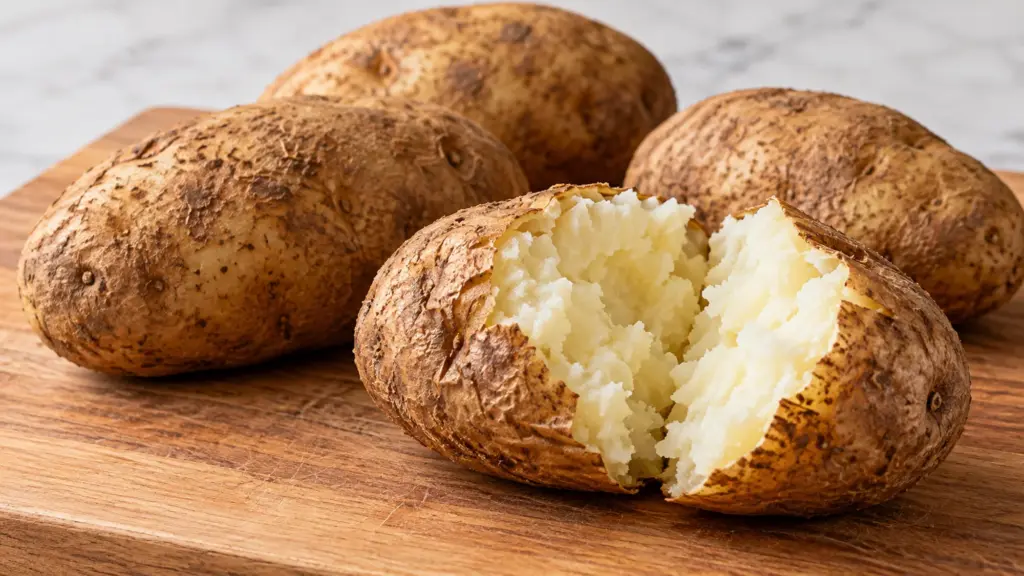
Yes, plain potatoes are naturally gluten free. That includes whole russet, red and gold potatoes, whether you peel them or keep the skin on. The answer can change once potatoes become a packaged side, coated fries or a restaurant dish: added ingredients and shared cooking equipment matter as much as the potato itself.
A plain potato contains no wheat, barley or rye gluten. For celiac disease, check both the ingredients and preparation. Fries, instant mash, sauces and seasoned potato products need their own assessment; “made from potatoes” is not the same assurance as a suitable gluten-free finished dish.
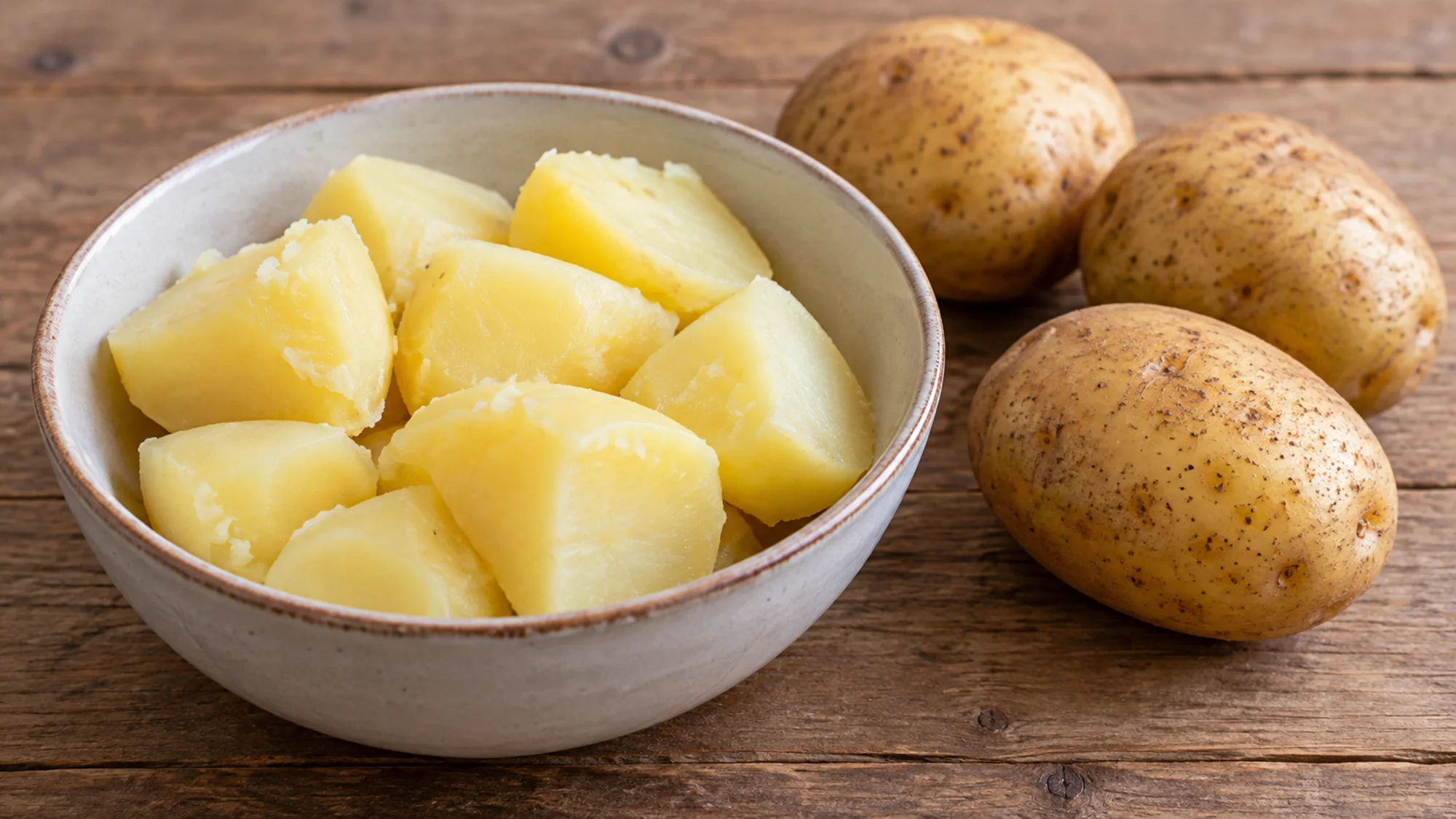
Plain potatoes are a gluten-free starting point
The National Celiac Association confirms that whole potatoes are naturally gluten free. You do not need a special variety for that property. A different skin color or texture does not turn the potato itself into a source of gluten.
Gluten occurs in wheat, barley, rye and related grain crosses, as the FDA explains in its labeling guidance. Potato starch and wheat flour may both help thicken food, but they come from different plants. A product using both ingredients still needs checking.
The practical distinction is between a single ingredient and a finished food. A plain baked potato is a simpler starting point than a potato dish with a coating, sauce and several toppings. It becomes suitable for a gluten-free diet only when the additions and handling are suitable too.
Which potato foods need another look?
| Potato food | Where gluten may enter | Useful check |
|---|---|---|
| Plain boiled or baked potato | Toppings or shared utensils | Keep additions suitable and equipment clean |
| French fries | Wheat-containing coating or shared fryer | Check ingredients and the cooking oil |
| Instant mashed potatoes | Flavorings or other added ingredients | Read the current package and gluten-free claim |
| Potatoes with gravy or sauce | Wheat flour, malt or other gluten ingredients | Check the complete sauce, not only the potato |
| Prepared potato salad | Dressing, seasonings or handling | Ask about the full dish and cross-contact |
These are checkpoints, not claims that every processed potato product contains gluten. Some fries and instant mash products are made to be gluten free. Others are not. Check the package you are buying rather than relying on a different flavor, an old ingredient list or the product’s familiar appearance.
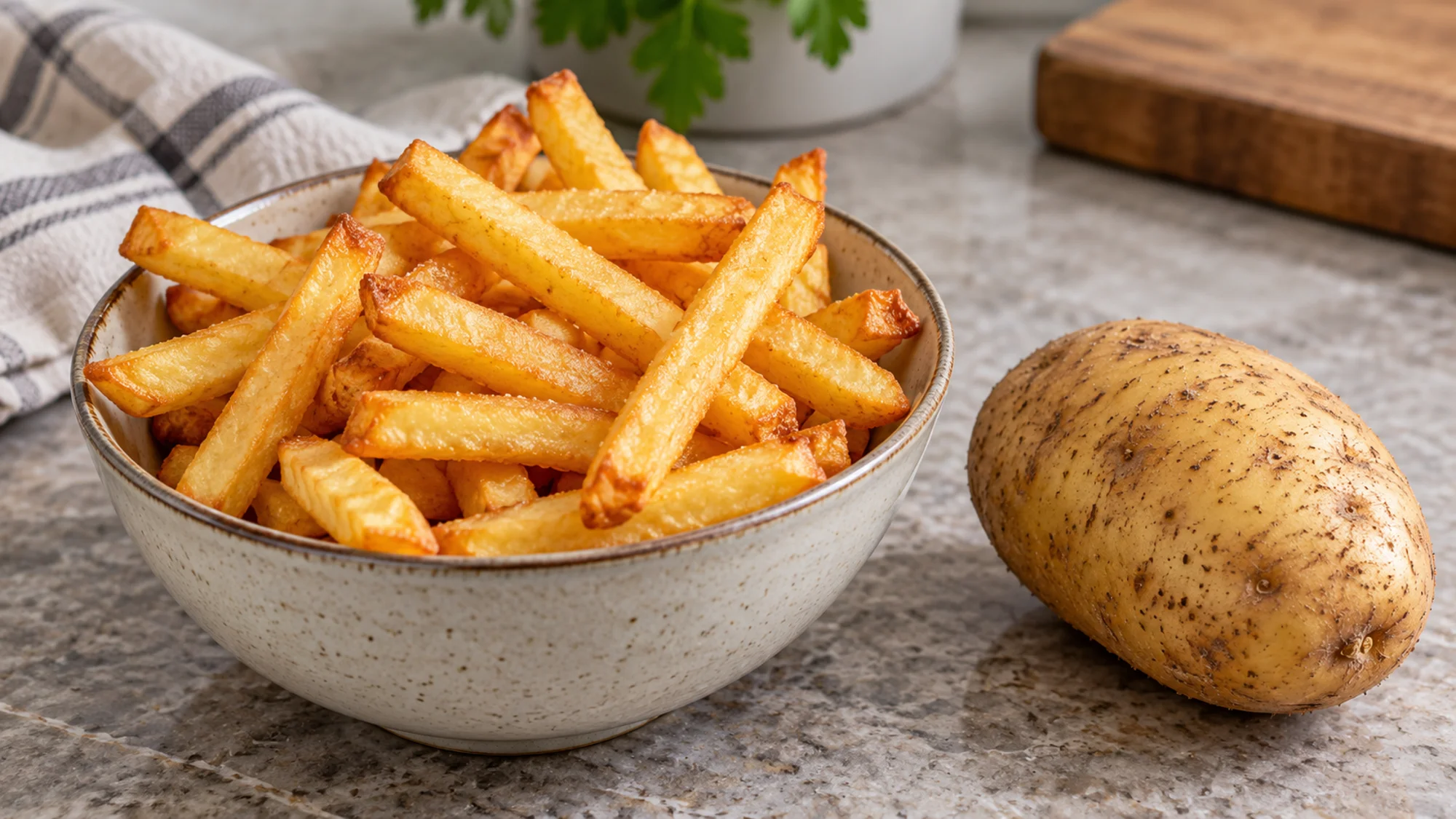
At a restaurant, ask a specific question: “Are these fries coated, and are they fried in oil shared with breaded foods?” That gives staff something concrete to check. A server confirming that fries are potatoes has not yet answered the question about preparation.
What gluten-free labels tell you
For FDA-regulated packaged foods in the United States, a gluten-free claim must meet the agency’s requirements, including less than 20 parts per million of gluten. The claim is voluntary, so its absence does not prove that an inherently gluten-free whole food contains gluten.
For a processed potato product, the ingredient list and a reliable gluten-free claim help answer different parts of the question. Look beyond a wheat statement: barley and rye matter too. If a label or manufacturing answer leaves you uncertain, contact the maker before deciding the product fits your needs.
The NIDDK’s guidance for celiac disease emphasizes reading labels and avoiding cross-contact during preparation and storage. Gluten-free eating for celiac disease needs consistent handling; the natural status of one ingredient cannot guarantee the status of the whole meal.
Keep preparation free from cross-contact
Cross-contact happens when gluten from another food reaches food meant to be gluten free. A knife used for bread, crumbs in shared butter or oil used for breaded foods can create a problem even when the potato and its other ingredients started out suitable.
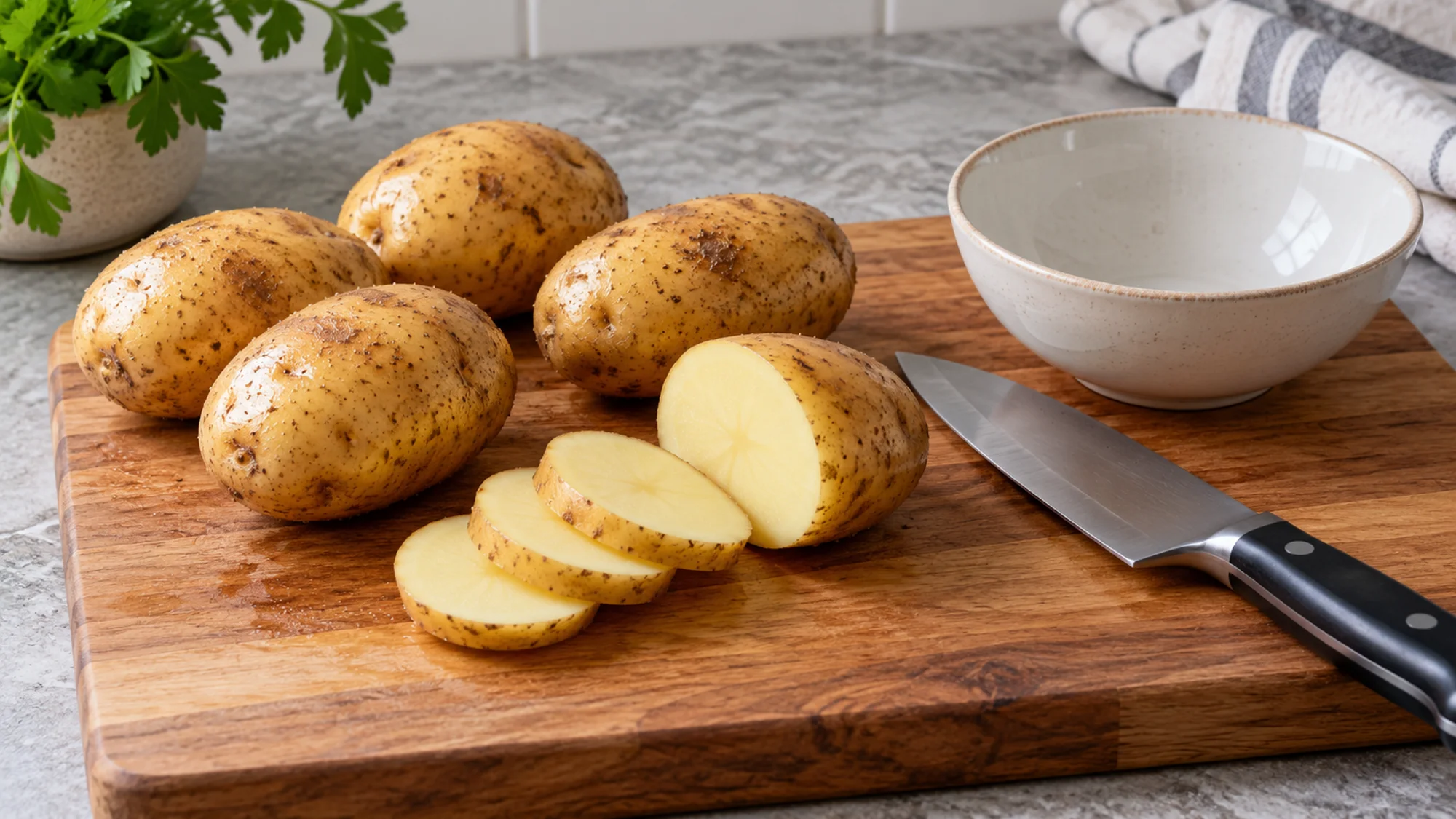
Coeliac UK recommends cleaning work surfaces, pots and utensils with hot soapy water, and using clean oil or a separate fryer. For shared spreads, use clean cutlery or separate containers so breadcrumbs do not get carried into the topping.
At home, plan the potato dish before opening bread or handling flour nearby. Use a clean board, a clean serving spoon and checked toppings. When eating out, explain that you need gluten-free preparation for celiac disease if that applies. If staff cannot confirm the ingredients or process, choose a dish they can explain clearly.
Bottom Line
Potatoes themselves are gluten free. Coatings, seasonings, gravy and shared equipment are the reasons a potato dish may need more checking. Start with the whole food, read the complete product label and ask precise questions about cooking. For more shopping context, see our guide to gluten-free foods and snacks.
Coeliac UK’s dietitian explains cross-contamination and practical ways to reduce it in the video below.
Sources
- National Celiac Association: Are Potatoes Gluten Free?
- FDA: Gluten and Food Labeling
- NIDDK: Eating and Nutrition for Celiac Disease
- Coeliac UK: Avoiding Cross-Contamination

Hi, I’m Emily Pocker! I share recipes and food guides here at Recipes360 to help you find everyday meal inspiration and feel more confident in the kitchen. My goal is to make cooking approachable, enjoyable, and full of flavor.