
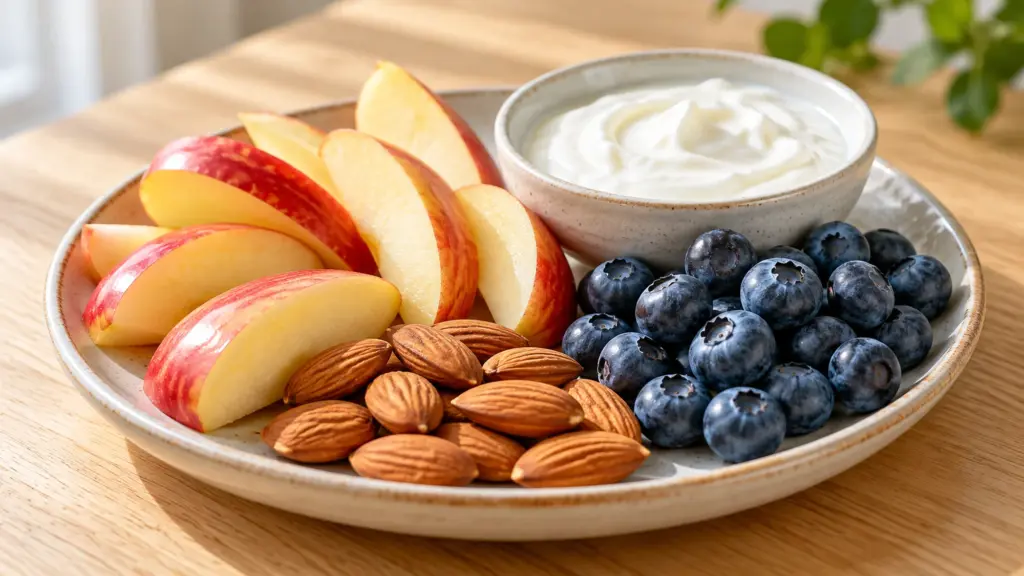
The snack drawer looks full, yet nothing feels straightforward when you need to avoid gluten. Gluten-free foods and snacks can be as simple as fruit, plain yogurt, nuts or popcorn—but a familiar ingredient does not automatically make every flavored, coated or shared-bowl version suitable.
Build your snack around a food you enjoy, check the exact product, and keep it away from gluten-containing crumbs. A reliable routine is more useful than a long list of supposedly safe brands.
I would start with a few repeatable combinations rather than replace every cracker in the cupboard. Crunchy, creamy, sweet and savory choices all fit; the important distinction is between a food’s basic ingredients and what happens during processing or serving.
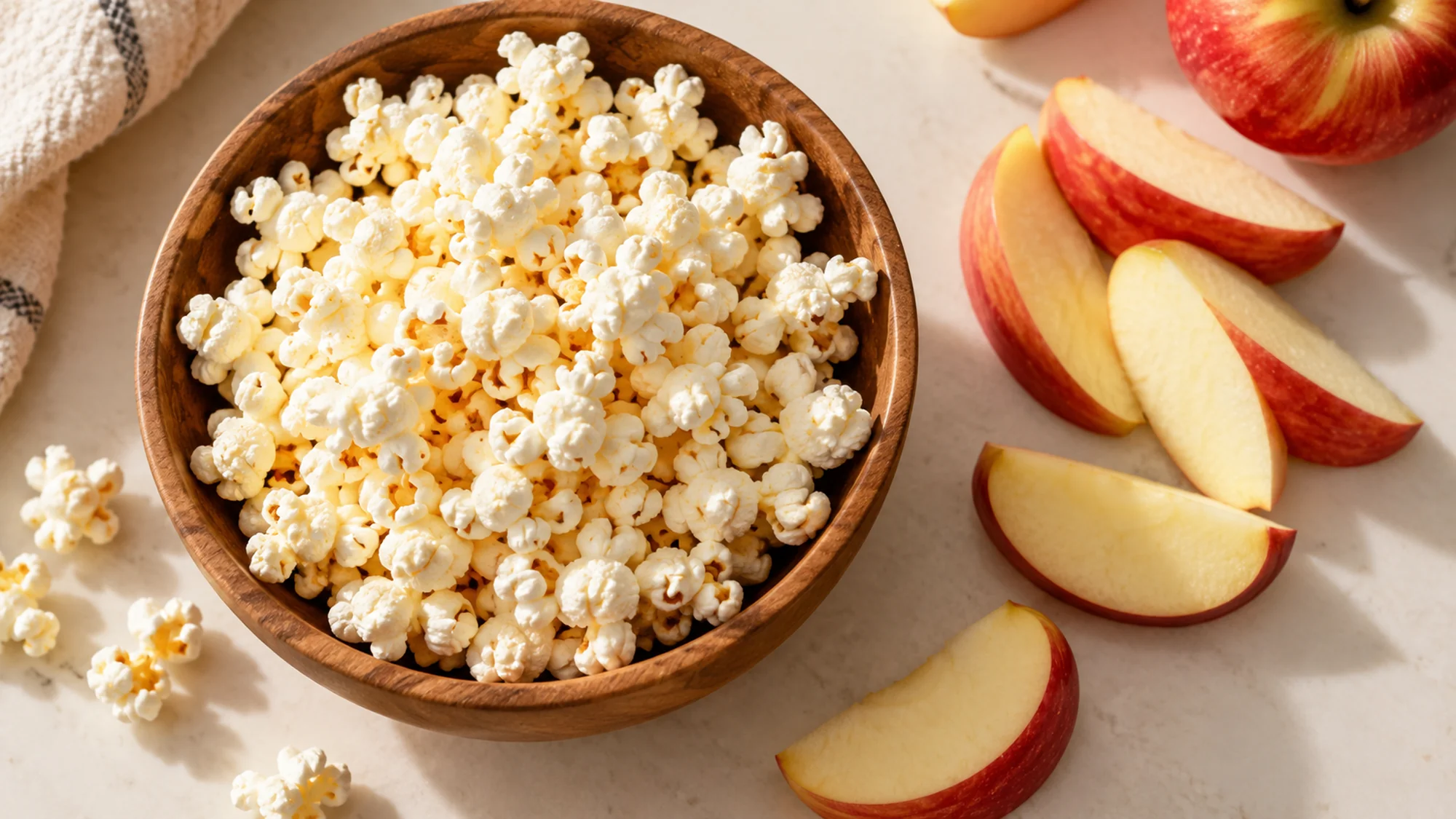
Gluten-free foods and snacks to start with
Plain fruits, vegetables, rice and potatoes are naturally gluten-free. NIDDK’s celiac eating guide also explains why additives, seasonings and preparation matter. Use the examples below as starting points, not blanket approval of every packaged version.
| Snack idea | What to check | Why it works at snack time |
|---|---|---|
| Apple and plain nuts | Coatings, seasonings and shared bins | Crisp fruit beside a satisfying crunch |
| Plain yogurt and berries | Added granola or flavored toppings | Creamy and fresh without a complicated recipe |
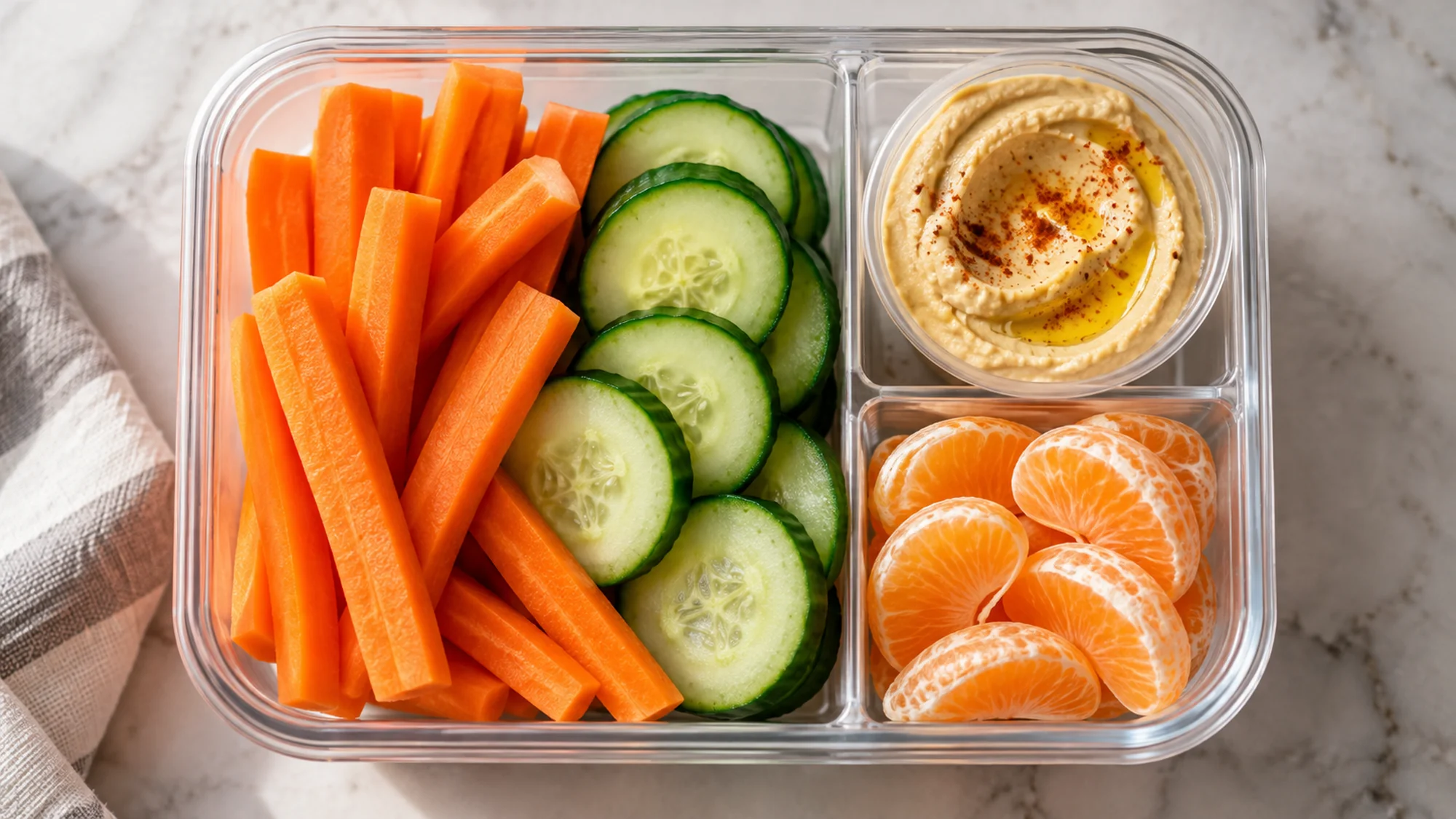
| Vegetable sticks and hummus | The dip label and shared serving utensils | A savory option you can portion ahead |
| Plain popcorn | Seasoning blends and equipment | A light, crisp alternative to crackers |
| Gluten-free crackers and cheese | The exact cracker label and clean board | Convenient when you want something portable |
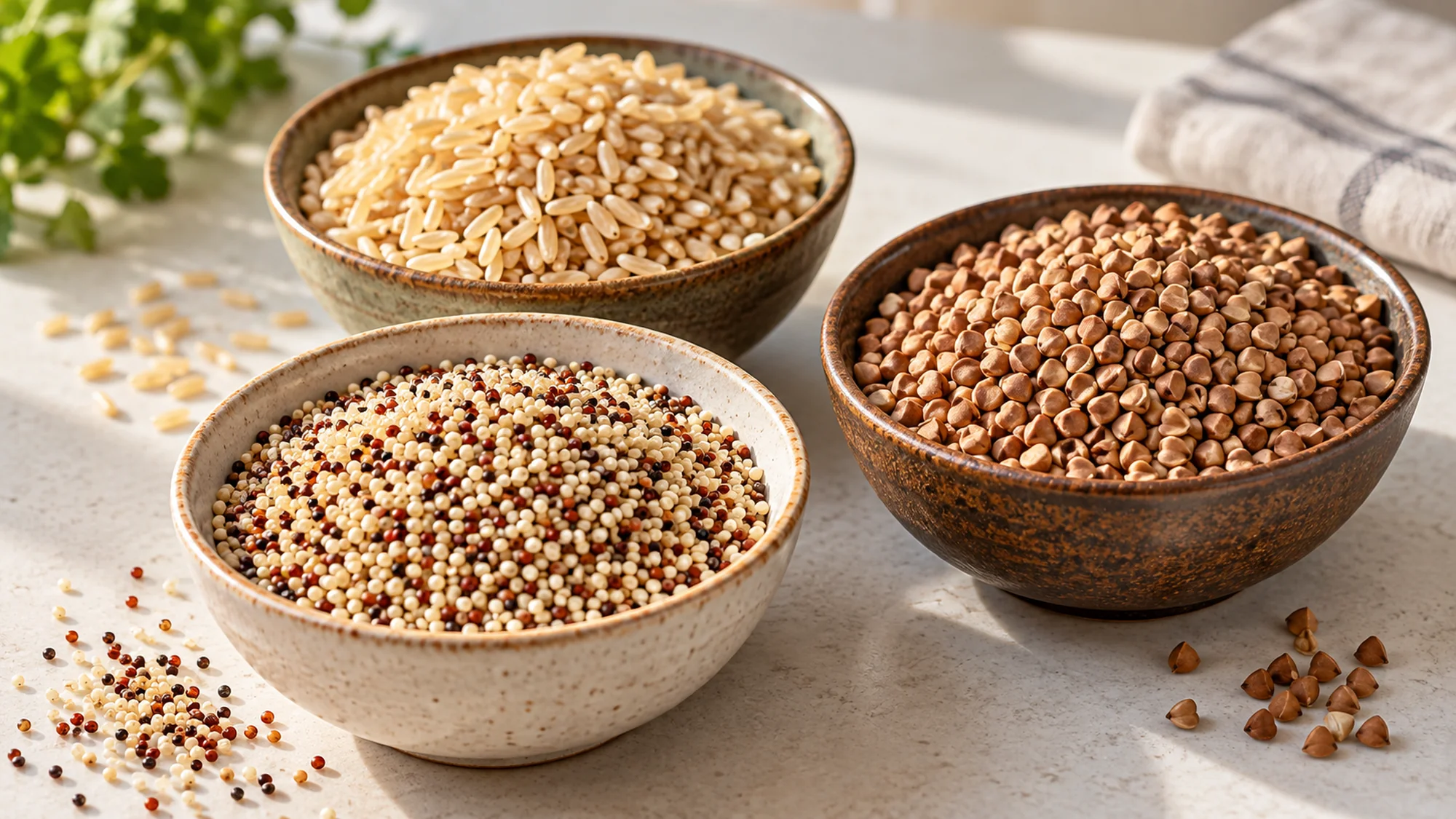
Choose portions that suit your appetite and other dietary needs. Gluten-free does not mean dairy-free, nut-free or suitable for every allergy; check each ingredient for the person who will eat it. Plain rice, quinoa and buckwheat can also form a meal base; choose appropriately labeled products when cross-contact is a concern.
Read the label, not just the front of the bag
For FDA-regulated packaged foods, a voluntary gluten-free claim must meet defined criteria, including less than 20 parts per million of gluten. That is not a promise of absolute zero, and a wheat-free claim alone does not exclude barley or rye.
- Look for the gluten-free claim on the particular flavor and package you are buying, not a different item from the same brand.
- Read the ingredients for wheat, barley, rye and malt. A familiar-looking snack can change when a coating or filling is added.
- Do not assume “made without gluten ingredients” means the product meets every requirement for a gluten-free claim.
- For oats, choose gluten-free oats and discuss their suitability with your clinician or dietitian if you have celiac disease.
A label check is especially worthwhile for sauces and dips. Our guide to gluten-free soy sauce choices explains why a product name such as tamari is not enough by itself.
Keep crumbs out of the finished snack
Cross-contact means gluten reaches an otherwise gluten-free food. Cleveland Clinic’s gluten-free diet guidance emphasizes both food choices and avoiding contamination. This is more than picking croutons off a salad after they have already touched everything.
- Prepare your snack on a cleaned surface with clean utensils; keep wheat-flour baking and crumbs away from it.
- Use separate spreads or a clean spoon to transfer a portion before any bread knife enters the jar.
- Pack individual containers instead of relying on a communal snack bowl where hands and crackers mix.
- Ask about shared fryers, preparation surfaces and serving tools when ordering away from home; explain celiac disease rather than only saying you prefer gluten-free.
I prefer a clearly identified snack container for a shared kitchen. It makes the intended food easy to find and reduces the temptation to borrow a crumb-covered utensil.
Make the list practical, not restrictive
Match the snack to the day. Fruit and a portion of plain nuts travel differently from yogurt or hummus, which need appropriate cold storage. Pack perishable foods with a cold source rather than letting convenience decide their safety.
- Keep one shelf-stable option in your bag for delayed meals or uncertain menus.
- Rotate textures: crunchy popcorn one day, a creamy dip with vegetables another.
- Compare nutrition labels for fiber, added sugars and sodium instead of treating gluten-free as a health score.
- When buying several snacks, choose a small selection you genuinely enjoy before committing to a large multipack.
If celiac disease is only suspected, speak with a clinician before removing gluten: dietary changes can affect testing. A medically necessary gluten-free diet deserves careful planning, not a challenge to see how many foods you can eliminate.
Bottom Line
A useful gluten-free snack list starts with ordinary foods, then adds product-specific label checks and clean preparation. Keep a few enjoyable combinations ready, respect other allergies, and use professional guidance when celiac disease or persistent symptoms are involved.
Cleveland Clinic’s explainer below provides background on celiac disease and its symptoms. It is educational context, not a diagnosis or a substitute for individual dietary advice.
Sources
- NIDDK: Eating, diet and nutrition for celiac disease
- FDA: Gluten-free food labeling questions and answers
- Cleveland Clinic: Gluten-free foods to eat and avoid

Hi, I’m Emily Pocker! I share recipes and food guides here at Recipes360 to help you find everyday meal inspiration and feel more confident in the kitchen. My goal is to make cooking approachable, enjoyable, and full of flavor.