
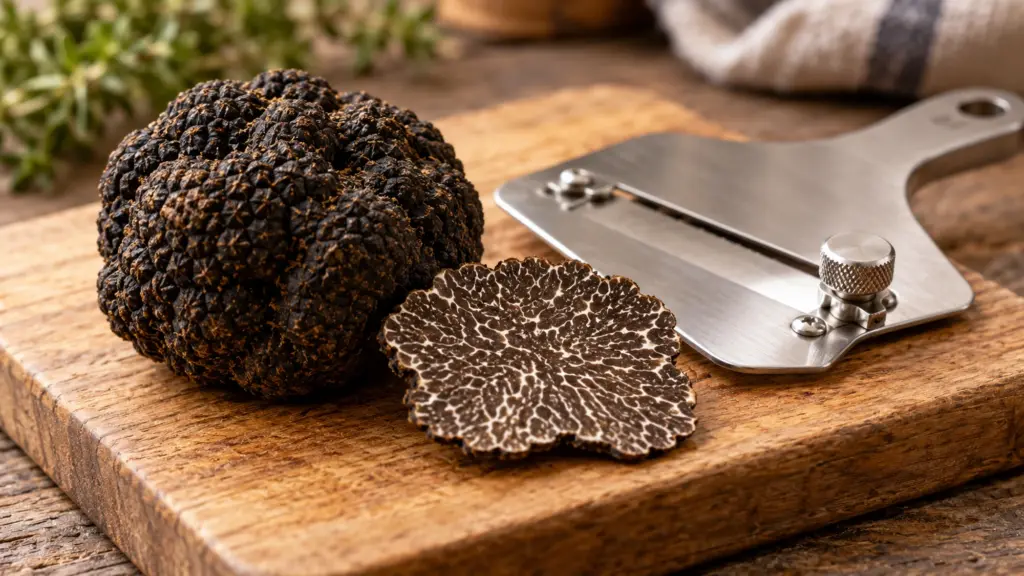
A few thin shavings can make a simple plate smell distinctly earthy, but the word truffle can also mean a chocolate sweet. In savory cooking, a truffle is an edible fungus prized for its aroma. Species, freshness and product format matter far more than a dark label or a promise of luxury.
Culinary truffles are aromatic fungi; chocolate truffles are confections. For savory cooking, check the named species and whether you are buying a fresh truffle, preserved slices or a flavored product. Buy for a planned meal and use fresh truffles promptly.
What a culinary truffle is
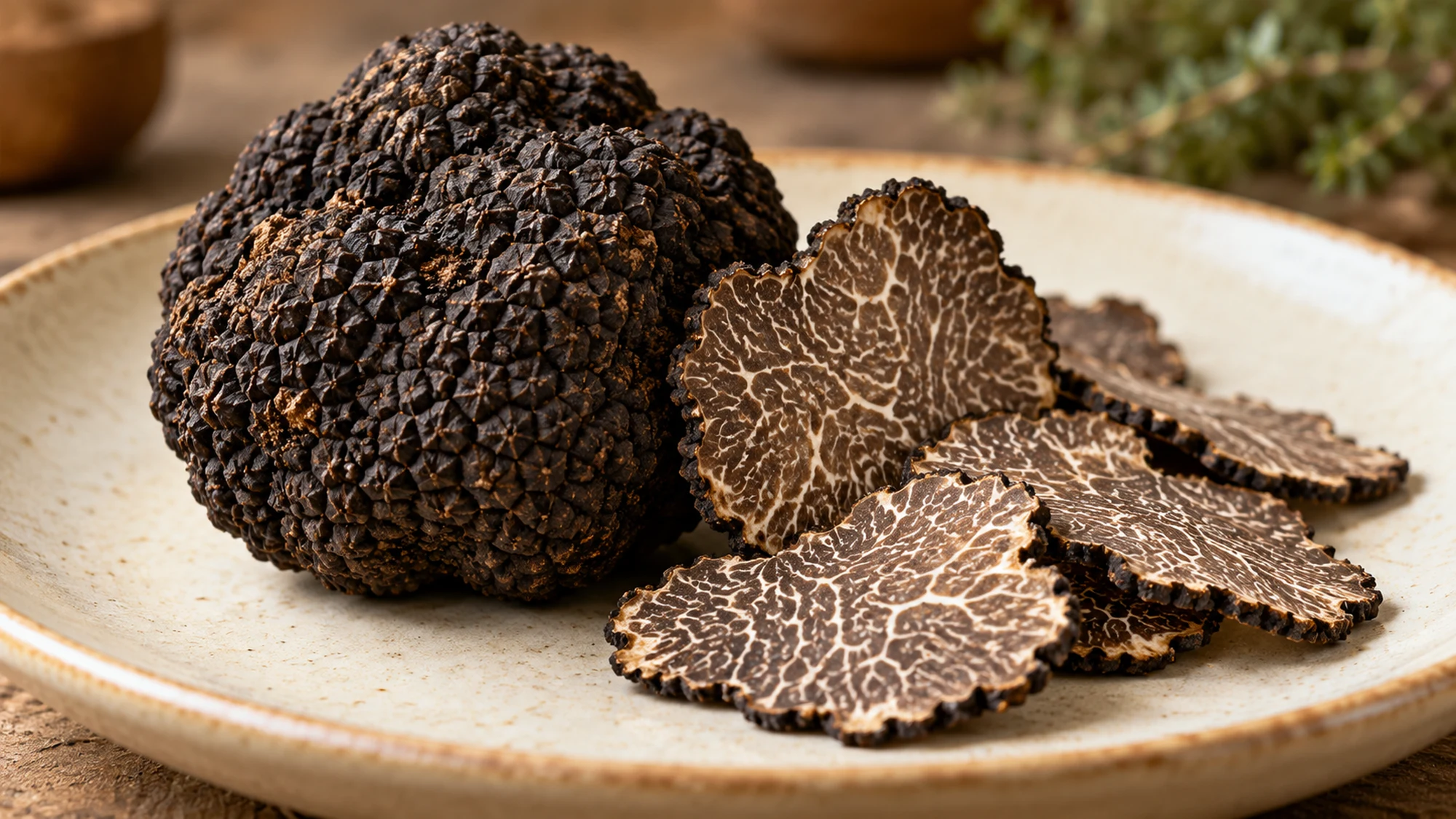
Sabatino’s species guide describes truffles as fungi that grow in association with the roots of certain trees. The culinary types discussed here belong to the genus Tuber. They are used for their aroma, often in very thin shavings, rather than as the bulky main ingredient in a mushroom dish.
A chocolate truffle is a different food: Valrhona’s version is a chocolate-and-cream ganache confection finished with chocolate and cocoa powder. The shared name does not mean a box of sweets contains the culinary fungus. If you meant the chocolate ingredient, our dark chocolate guide covers choosing and handling it.
- Read beyond color: “Black truffle” covers several culinary products with different characteristics.
- Buy identified food: Look for a reputable supplier, clear origin and species information. A photograph is not a basis for identifying a wild fungus.
- Think aroma: Choose a dish that gives the truffle room to be noticed rather than treating it as a decorative badge.
Truffle species and seasons change the choice
Summer, Burgundy, winter and white truffles are not interchangeable names for one product. Sabatino describes summer truffles as relatively delicate, while black winter and white truffles have more pronounced aromas. The species name is a useful detail to request when comparing offers.
| Common name | Species label | Typical northern season |
|---|---|---|
| Black summer | Tuber aestivum | May–September |
| Burgundy | Tuber uncinatum in Sabatino’s guide | September–November |
| Black winter | Tuber melanosporum | November–March |
| White | Tuber magnatum | October–December |
Location matters as much as the month. Sabatino also sources Australian black winter truffles during June–August, when Southern Hemisphere winter overlaps Northern Hemisphere summer. Ask the supplier what is currently being harvested and shipped, rather than assume a northern calendar describes every fresh truffle available.
Fresh truffle, preserved slices or flavored oil
A fresh whole truffle lets you choose the cut and experience that particular fungus. Preserved slices, sauces and oils are separate products with their own ingredients and instructions. They can be practical choices, but they should not be judged as if every spoonful were a fresh shaving.
- Fresh: Confirm the species, origin, arrival date and recommended use window before ordering.
- Preserved slices: Read the truffle type, other ingredients, serving instructions and after-opening storage directions.
- Oil or seasoning: Read whether the flavor comes from truffle, an extract or added flavoring; the product name alone cannot answer that.
- Butter or sauce: Check milk and other relevant allergens in the complete ingredient list.
Sabatino explains that its own oils use truffle-derived extracts, while other products may use different flavoring methods. I’d choose a small bottle for occasional finishing rather than expect oil to reproduce every texture and aroma of a fresh truffle. Start with a little; seasoning can be added much more easily than removed.
Use gentle heat and store fresh truffles carefully
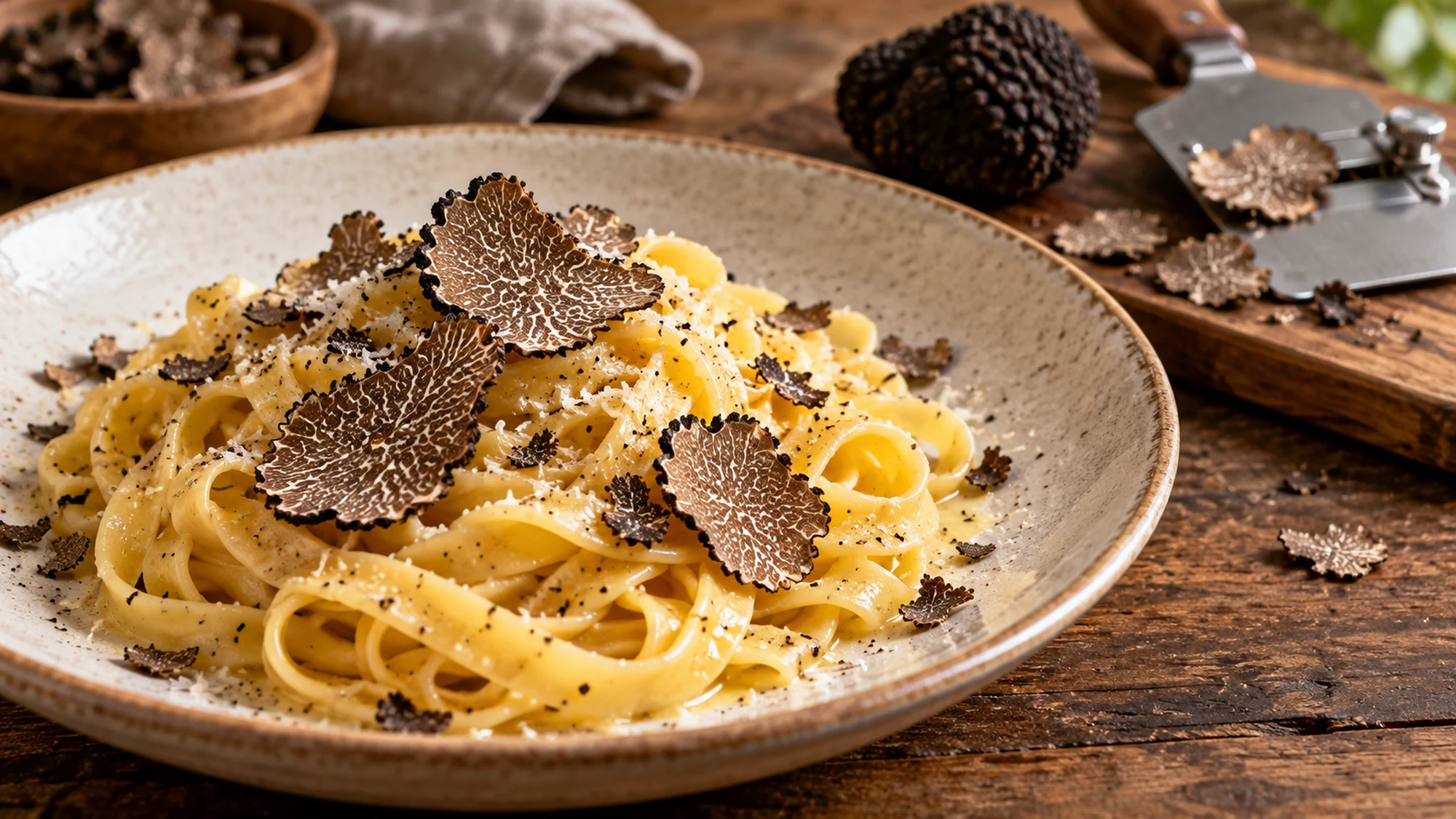
Sabatino recommends adding truffle near the end of cooking or shaving it over warm pasta, eggs, risotto or potatoes. A simple butter accompaniment gives it a mild setting. I’d keep the rest of the plate restrained on a first try so the truffle does not have to compete with several strong sauces.
- Slice or grate thinly with a suitable tool, following its safety instructions.
- Treat white truffles mainly as a finishing ingredient; Urbani advises against directly heating them.
- Black truffles can suit gentle warmth, but do not assume prolonged high heat improves every species.
- Serve the amount you need and return the remainder to its recommended storage promptly.
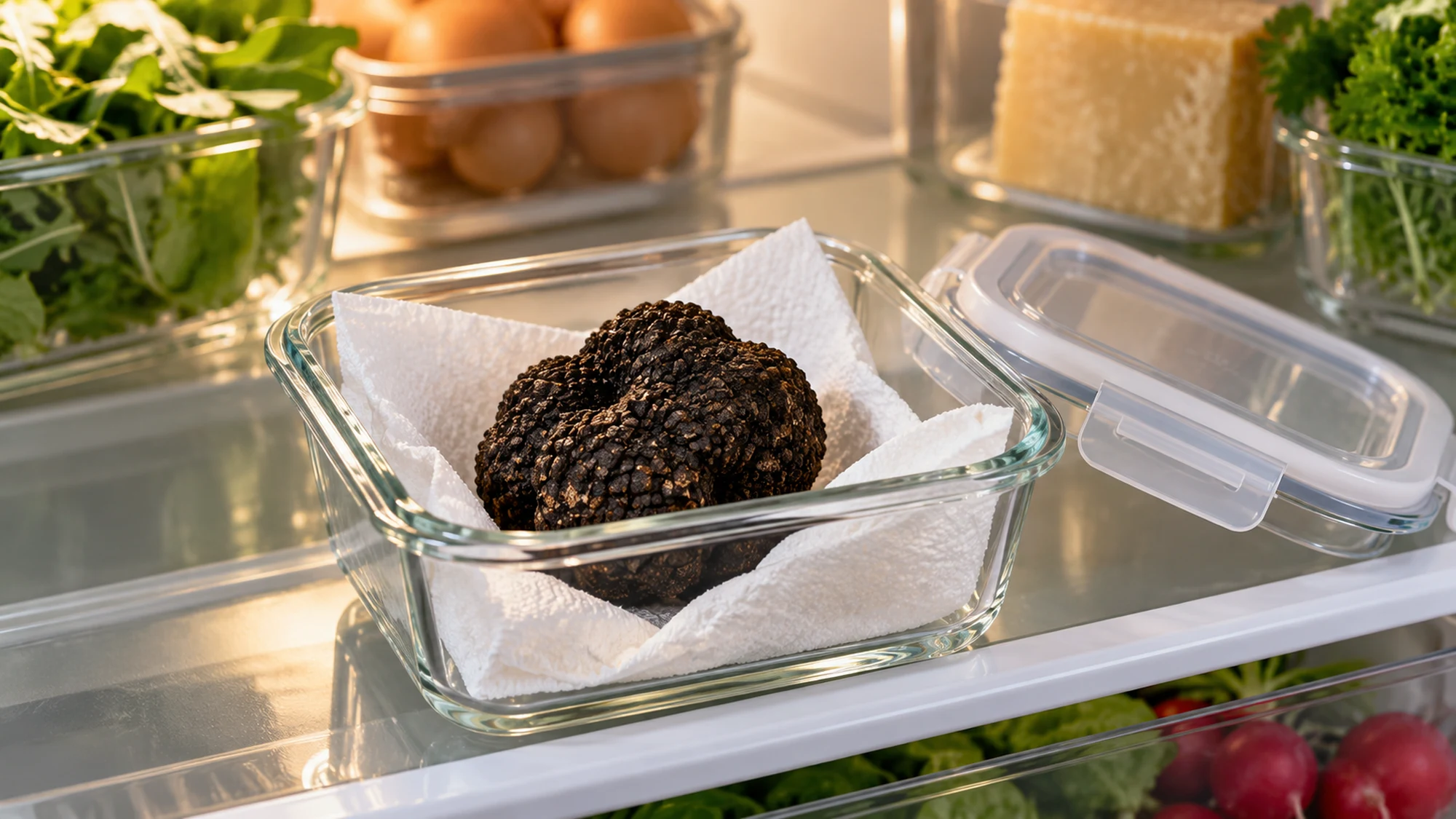
Urbani’s fresh-truffle guidance says to wrap in clean, dry paper towel, place in an airtight container and refrigerate at 34–36°F (about 1–2°C), replacing the paper daily. It recommends enjoying truffles within 48 hours of arrival and warns that rice can dry them out. Follow your supplier’s instructions; a storage estimate cannot rescue a questionable arrival.
Bottom Line
Choose a truffle by its species, condition and intended use. Fresh fungi, preserved slices, flavored oils and chocolate sweets belong to different buying decisions. Plan the meal before ordering, keep fresh truffles properly chilled and let a simple dish show their aroma.
Sources
- Sabatino: Types of fresh truffles
- Valrhona: Chocolate truffles
- Sabatino: White and black truffle oils
- Sabatino: Using fresh truffles
- Urbani: Fresh truffle handling and storage

Hi, I’m Emily Pocker! I share recipes and food guides here at Recipes360 to help you find everyday meal inspiration and feel more confident in the kitchen. My goal is to make cooking approachable, enjoyable, and full of flavor.