
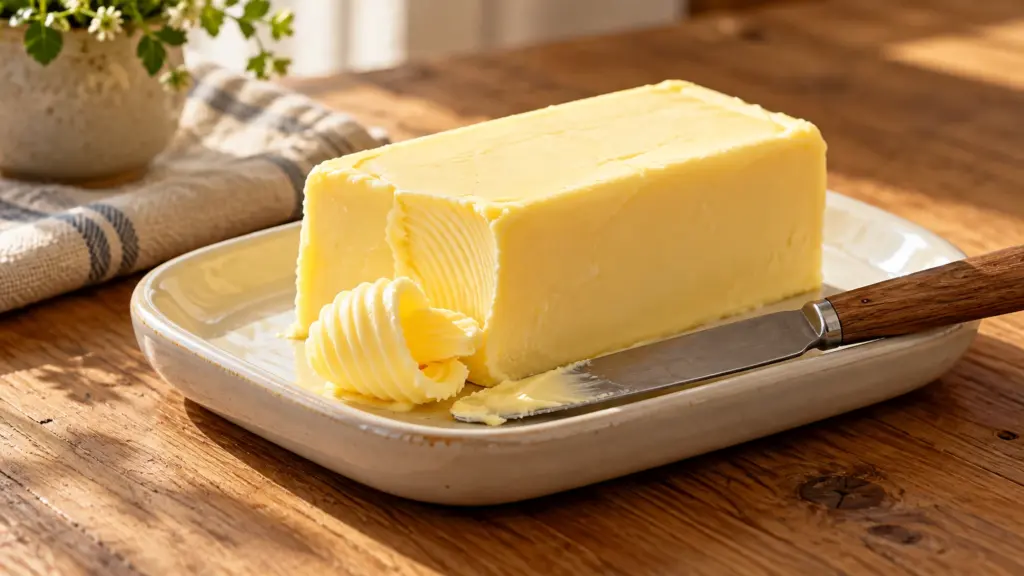
A stick of butter can be rock-hard when the recipe wants it soft, then overshoot into a puddle while you get the bowl ready. Butter is a dairy fat made by churning cream, and its type and temperature both affect the result. Choose the form your recipe names, then check its texture before you mix.
Cold, softened and melted butter do different jobs. Use unsalted butter when you want control over added salt, and follow the recipe’s temperature instructions rather than swapping one state for another. Keep stored butter refrigerated according to its package directions.
What butter is and which package to choose
U.S. Dairy describes butter as the result of churning milk or cream until the fat separates from the liquid. Store-bought butter is made from pasteurized cream and is sold in salted and unsalted forms. Whipped butter has air or nitrogen incorporated, making it easier to spread; it is a distinct product choice, not simply a different wrapper.
Land O’Lakes explains that unsalted butter lets you control the salt added to a dish. I’d choose it when following a baking formula that calls for it. Salted butter is convenient for toast or finishing vegetables, where you can judge the seasoning of the food as you go.
- Read the exact name: Stick butter, whipped butter and a spread blended with oil can behave differently.
- Check the recipe first: A higher-fat or cultured product may suit a particular recipe, but it is not automatically the required choice.
- Compare labels: Use the same serving size when comparing salt, fat or ingredients.
Match butter temperature to the method
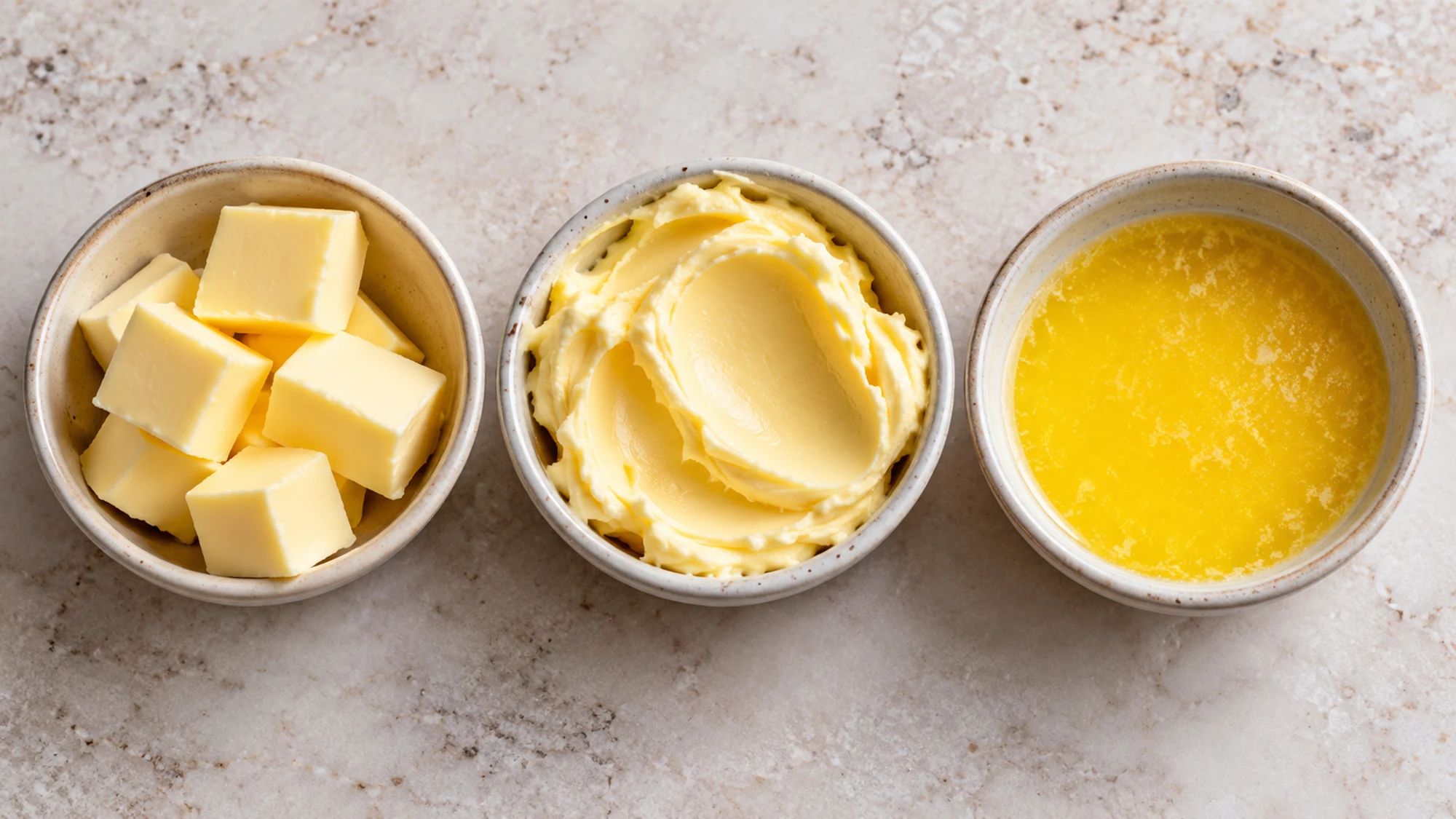
King Arthur Baking’s pastry guidance connects butter temperature with texture: cold butter and pliable butter produce different results. Its softened range of 68–72°F (20–22°C) is a useful reference, but the physical cue matters too. A warm kitchen and a chilly kitchen do not give “room temperature” the same meaning.
| Recipe wording | What to look for | Why it matters |
|---|---|---|
| Cold butter | Firm pieces that hold their edges | Distinct pieces can support flaky pastry |
| Softened butter | Pliable, holding shape; yields to gentle pressure | Suitable for methods that cream butter and sugar |
| Melted butter | Liquid, cooled as directed | Different mixing behavior from softened butter |
| Clarified butter | Butterfat separated from water and milk solids | Useful for cooking; not a direct baking equivalent |
For softened butter, look for an easy indentation without a greasy puddle around the edges. I’d check that cue before starting the mixer; waiting a little is usually easier than trying to reverse a bowl of over-soft butter. If the recipe needs melted butter, cool it as directed before adding it to the other ingredients.
Cooking with butter and making sensible swaps
Butter’s milk solids can brown and then burn, so watch the pan and adjust the heat. Clarified butter has water and milk solids separated out, leaving butterfat that tolerates higher cooking heat. That makes it useful for some sautéing jobs, but does not give it the same composition as an ordinary stick.
- Use ordinary butter where its dairy flavor is part of the dish, such as a finishing pat on vegetables.
- Treat browned butter as a deliberate change: the browned solids add flavor, and cooking drives off water.
- Follow a tested conversion when replacing butter with oil or a spread in baking; their water and fat balances differ.
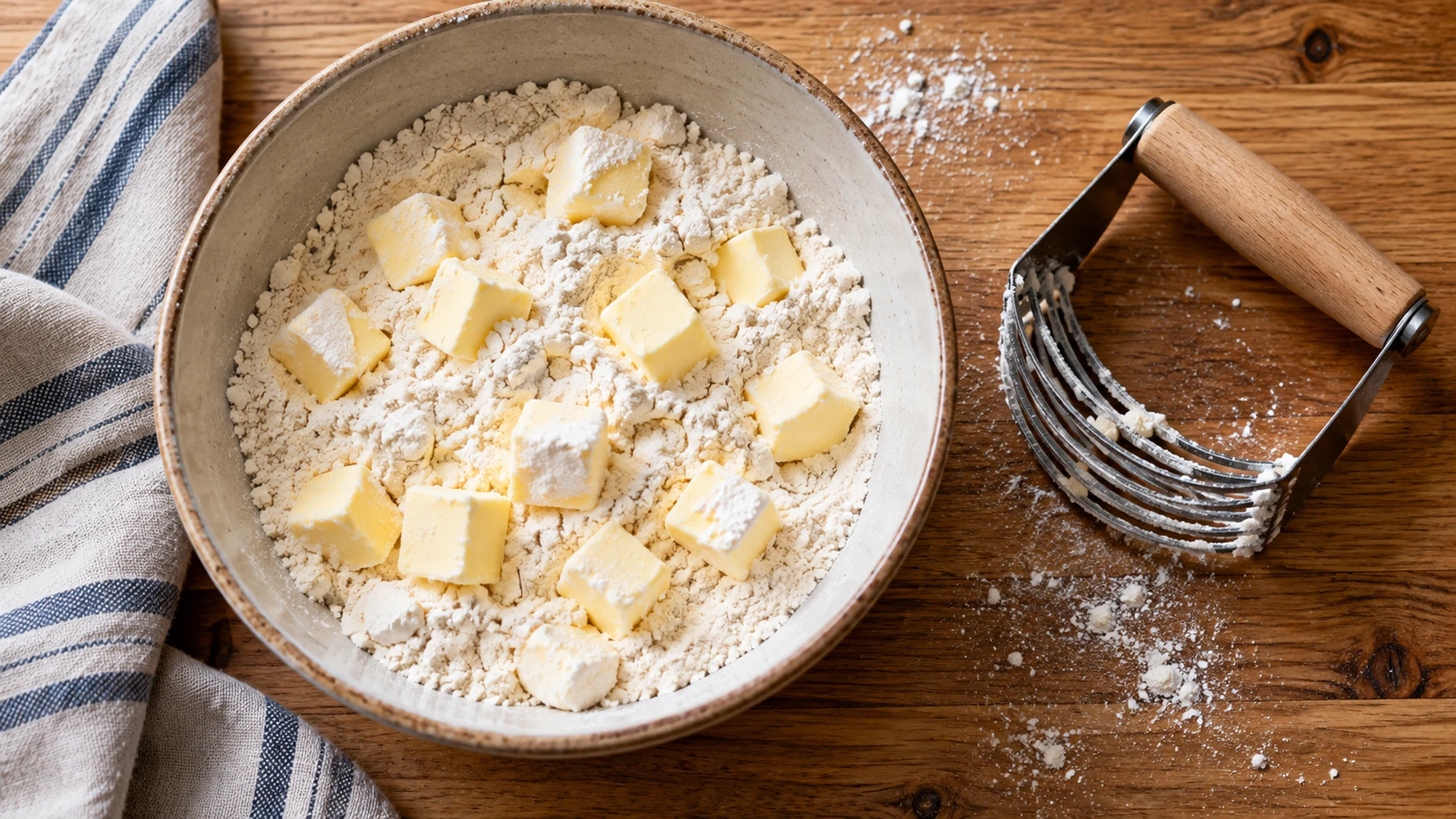
- For pastry, keep the butter in the condition the method requires. This site’s shortcrust pastry recipe starts with cold butter rather than softened butter.
Store butter well and check milk-allergen labels
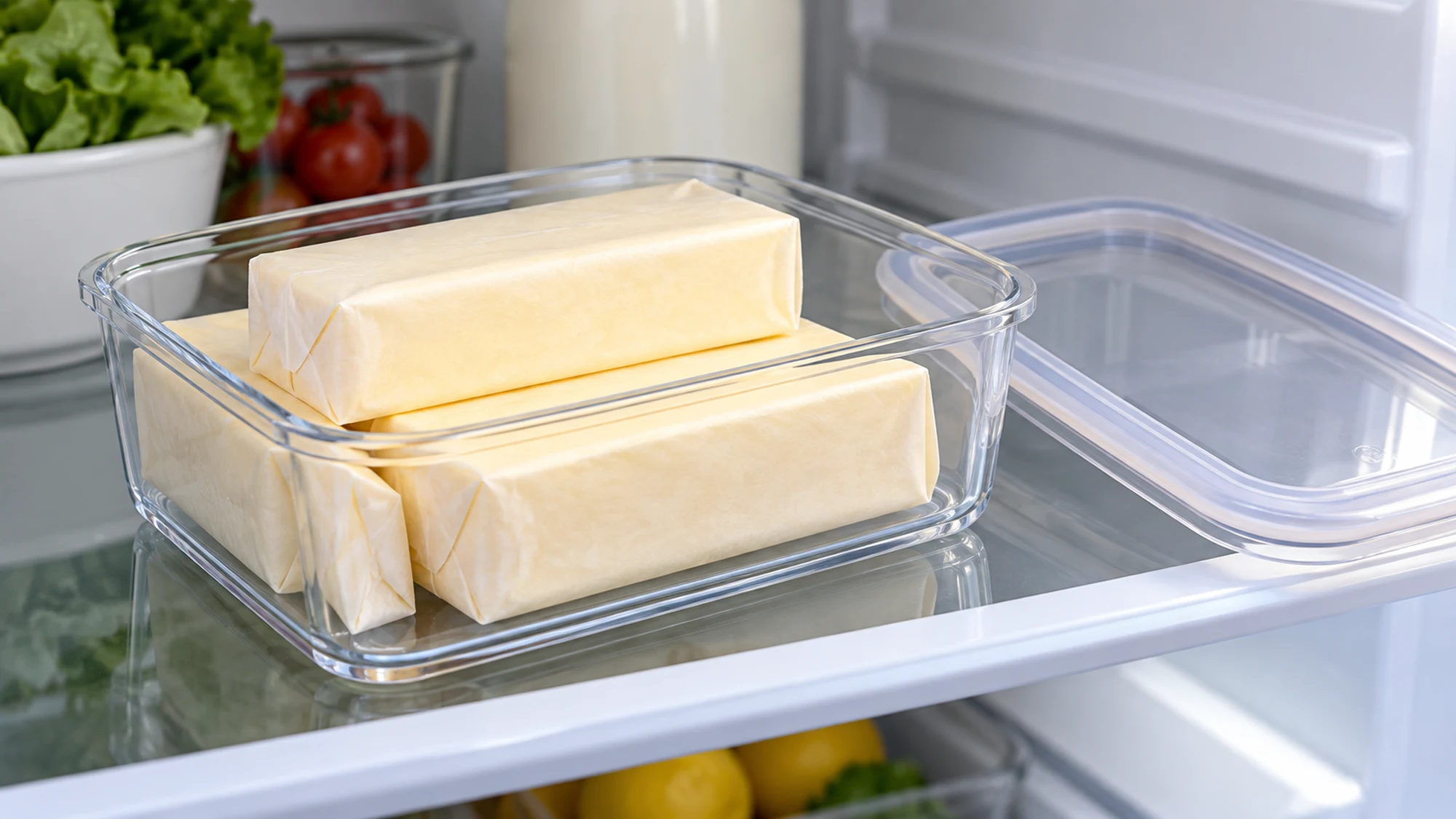
Land O’Lakes recommends refrigerating opened butter in its original wrapping in a cold part of the refrigerator, away from strong odors. Follow your package’s date and storage directions, and return unused butter to cold storage after portioning. Leaving the entire supply beside a warm stove is an easy habit to avoid.
Freezing is an option for extra sticks. The maker’s freezing guide recommends keeping its butter in the original carton inside a freezer bag and thawing it in the refrigerator. Its four-month freezer recommendation is product guidance, not a universal promise for every butter or storage history; check the brand you buy.
- Butter is milk-derived. FDA allergen guidance explains how major allergens must be identified on food labels; read ingredients and relevant warnings each time.
- Do not assume clarified butter, ghee or an oil-blended butter product is suitable for someone with milk allergy.
- Treat butter as a flavor and texture ingredient. The amount used and the rest of the meal matter more than a broad “healthy” claim.
Bottom Line
Choose butter by the job: cold for a method that needs firm pieces, softened for a method that needs pliable fat, and melted when the recipe says so. Read the type and salt level, protect the stored butter, and make substitutions with the whole formula in mind.
Sources
- U.S. Dairy: What is butter?
- Land O’Lakes: Salted or unsalted butter
- King Arthur Baking: Butter temperature in pastry
- Land O’Lakes: Clarified butter
- Land O’Lakes: Butter storage and handling
- Land O’Lakes: Freezing butter
- FDA: Food allergies

Hi, I’m Emily Pocker! I share recipes and food guides here at Recipes360 to help you find everyday meal inspiration and feel more confident in the kitchen. My goal is to make cooking approachable, enjoyable, and full of flavor.