
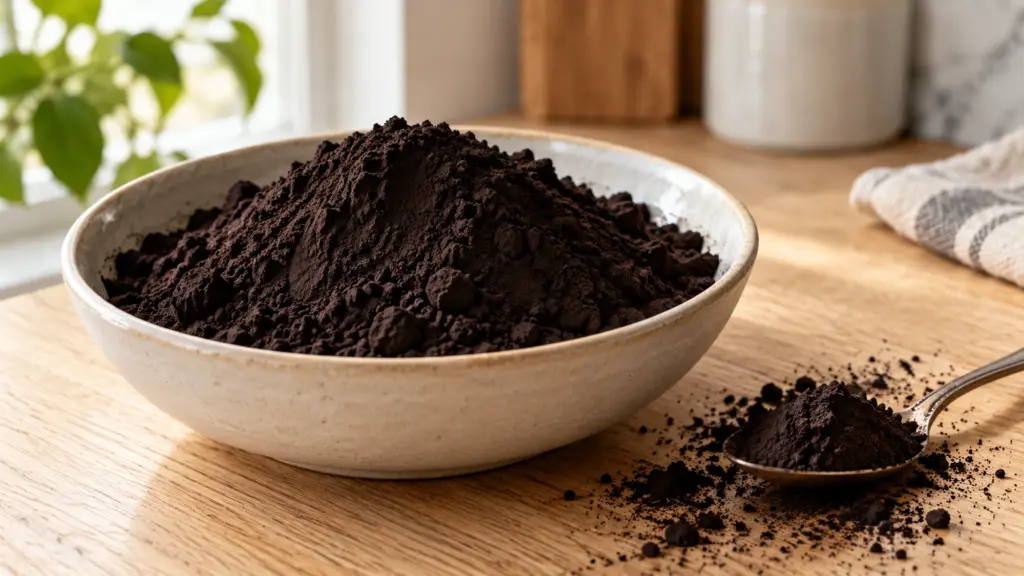
A nearly black cookie can make the cocoa tin look surprisingly ordinary. Black cocoa powder is a heavily alkalized cocoa used for deep color and a distinctive chocolate flavor, but choosing it is about more than making a dessert darker.
Black cocoa powder is an intensely dark form of Dutch-process cocoa. Use a recipe designed for it, or follow a supported blend, because replacing natural cocoa can change the recipe’s acid balance.
What makes black cocoa powder different?
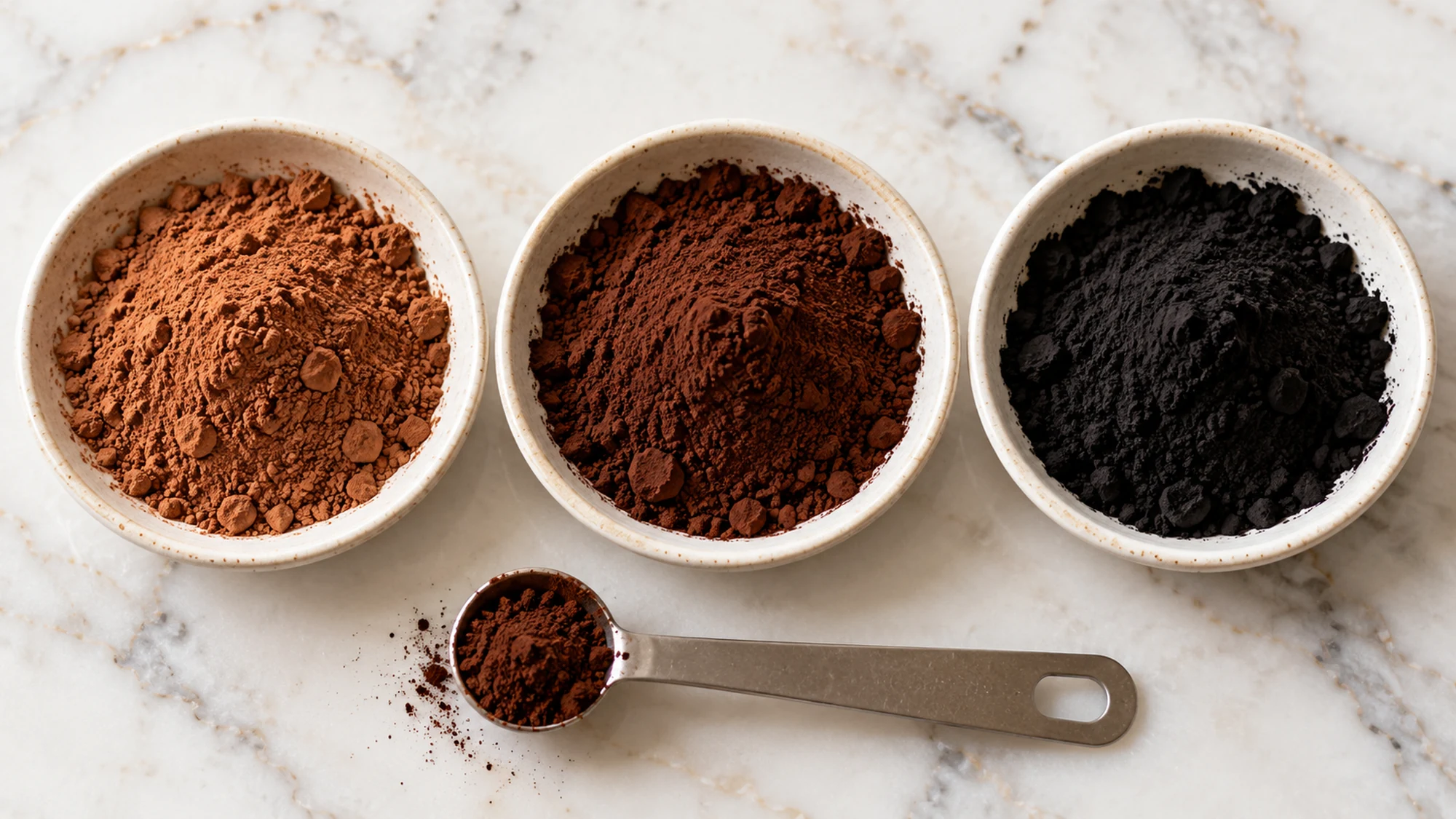
Black cocoa belongs to the Dutch-process family: treatment with an alkaline solution reduces cocoa’s natural acidity. King Arthur describes its black cocoa as ultra-Dutch processed and recommends using it sparingly alongside another Dutch-process cocoa. That recommendation is a useful starting point when color matters but you still want a rounded chocolate profile.
The important distinction is processing, rather than a promise that darker always means stronger, richer or better. I’d choose cocoa for the recipe’s needs first, then decide how dark I wanted the result.
- Natural cocoa: An acidic cocoa, generally lighter in color.
- Dutch-process cocoa: Treated with alkali, with reduced acidity and a different flavor and color.
- Black cocoa: A particularly dark, heavily alkalized option.
- Drinking chocolate: A separate product category that may contain sugar or other ingredients; check the label before using it as baking cocoa.
Choose cocoa for the job
This comparison is a shopping aid, not a set of interchangeable substitutions. Brand formulations differ, and the recipe should identify the cocoa it needs.
| Cocoa | Starting point | Check |
|---|---|---|
| Natural | Recipe specifies natural cocoa | Acidity may help baking soda work |
| Dutch-process | Recipe specifies Dutch cocoa | Complete leavening system |
| Black | Recipe developed for very dark color | Black cocoa alone or a blend |
| Sweetened drink mix | Recipe written for that product | Sugar and added ingredients |
Cocoa fat also varies. Guittard lists its Cocoa Rouge at 22–24% cocoa butter, while King Arthur’s black cocoa label states 10–12% cocoa fat. Those are two specific products, not universal category values. Color alone is a poor guide to everything a powder contributes.
Before replacing another cocoa
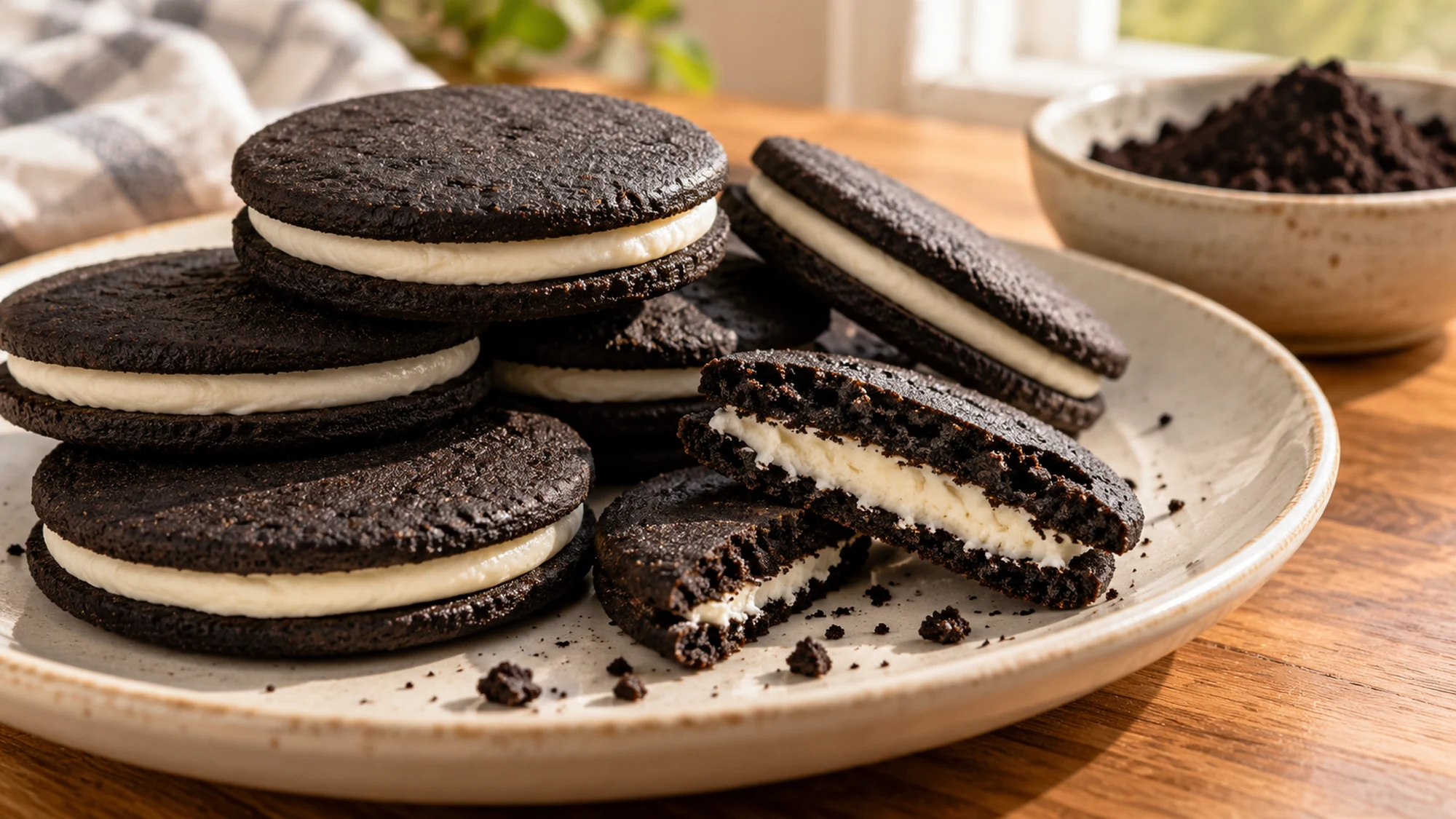
The biggest practical question is what makes the batter rise. Natural cocoa can supply acidity that reacts with baking soda. Dutch-process cocoa has less acidity, so a casual replacement can change that balance. Baking powder already includes its own acid and base, but the full recipe still matters. King Arthur’s cocoa comparison explains the distinction.
- Read the cocoa description in the recipe rather than relying on its photograph.
- Identify baking soda, baking powder and other acidic ingredients.
- Look for a substitution specifically supported by the recipe’s author.
- Keep the original total cocoa quantity unless that guidance says otherwise.
- Avoid changing the cocoa, flour and liquid simultaneously; otherwise, diagnosing the difference becomes difficult.
I’d be especially cautious with a treasured cake recipe that simply says “cocoa.” That familiar cake may depend on an ingredient choice its instructions never spell out. When no reliable substitution is given, choosing a recipe written for black cocoa is the less frustrating option.
For the wider terminology question, our cacao versus cocoa guide explains why the headline word on a bag is not the whole story. Here, the specific black-cocoa processing is the detail that matters.
Read the label and store it dry
King Arthur’s package lists black cocoa processed with alkali as its ingredient and directs users to its allergen program for cross-contact information. That does not promise that every cocoa powder, chocolate mix or finished dessert is free of milk, soy or wheat. Read the current package and manufacturer advice when allergies matter.
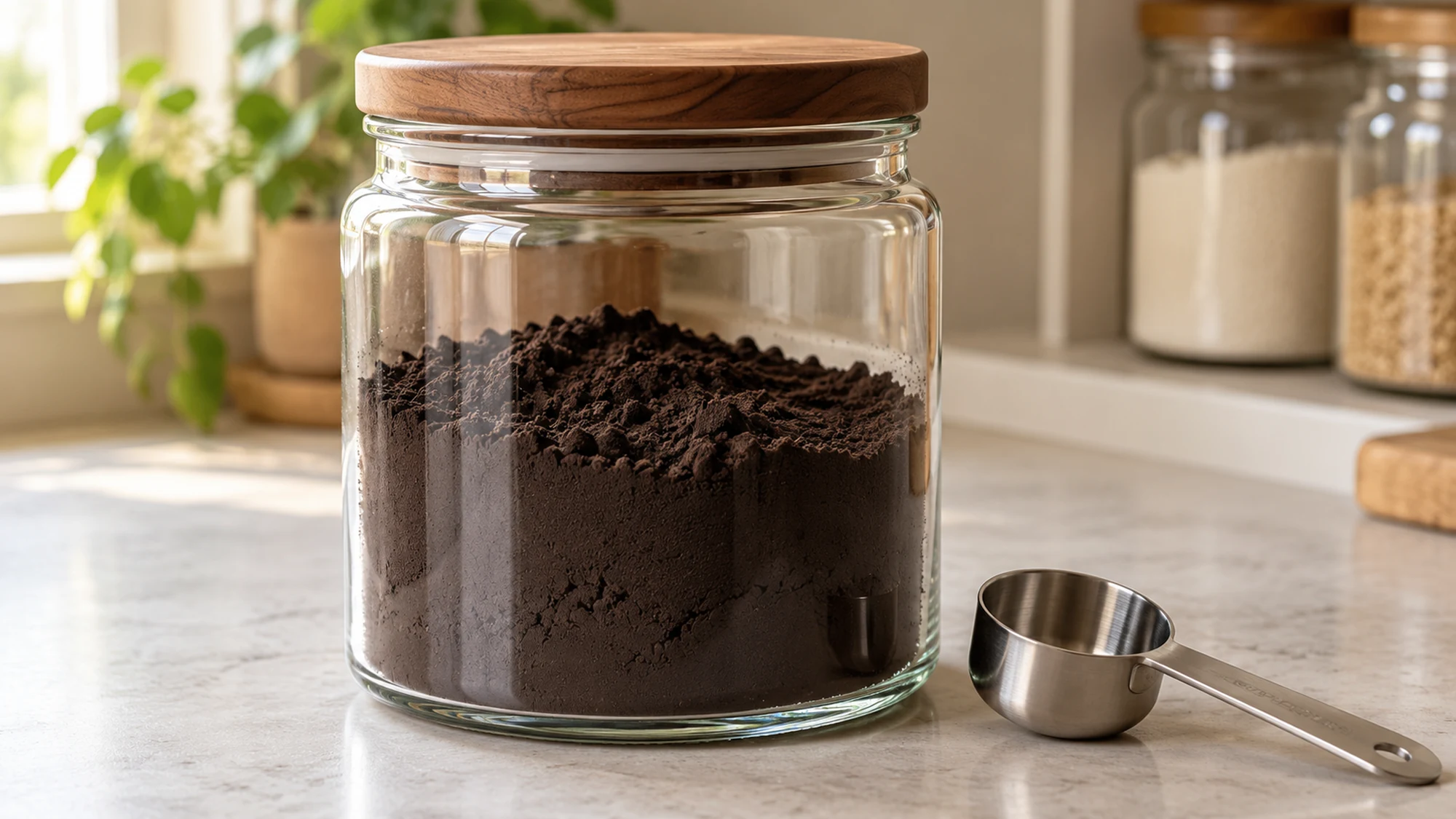
The package specifies cool, dry storage. Hershey also advises keeping cocoa at room temperature in a tightly sealed container. A clean, dry scoop and a firmly closed lid are practical ways to avoid introducing moisture while you measure.
- Keep the original label or transfer its product details to a clearly identified container.
- Follow the package’s best-before and storage instructions.
- Buy an amount that suits your baking plans rather than treating a large bag as an automatic bargain.
- Do not use a finished cake’s color as proof of its cocoa type or allergen status.
Bottom Line
Choose black cocoa powder when its particular color and flavor suit the dessert, and let a suitable recipe guide the amount. The label, cocoa fat and leavening system tell you more than darkness alone.
Sources
- King Arthur Black Cocoa product information
- King Arthur Black Cocoa package label
- King Arthur: The A-B-C’s of cocoa
- Guittard Cocoa Rouge specifications
- Hershey product and storage FAQs

Hi, I’m Emily Pocker! I share recipes and food guides here at Recipes360 to help you find everyday meal inspiration and feel more confident in the kitchen. My goal is to make cooking approachable, enjoyable, and full of flavor.