
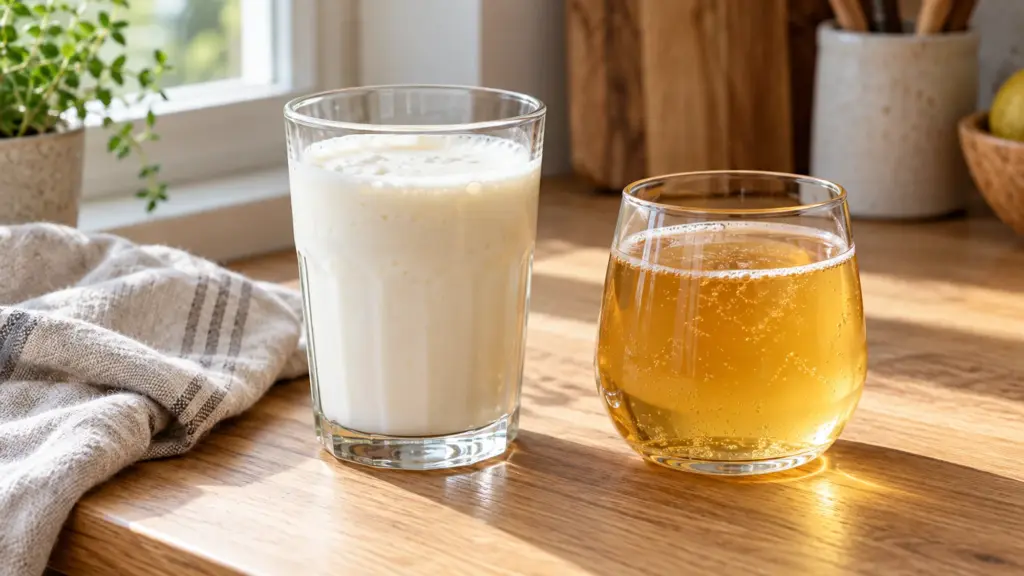
The chilled drinks aisle can put a tiny cultured-milk bottle, a large kefir carton and a fizzy tea beside one another. They may share a tangy flavor or culture-related wording, but they are not the same beverage. Before choosing, work out what is actually in the bottle.
A probiotic drink contains live microorganisms with an established benefit when consumed in adequate amounts. A fermented drink is not automatically probiotic, and a drink does not have to be fermented to contain added probiotics.
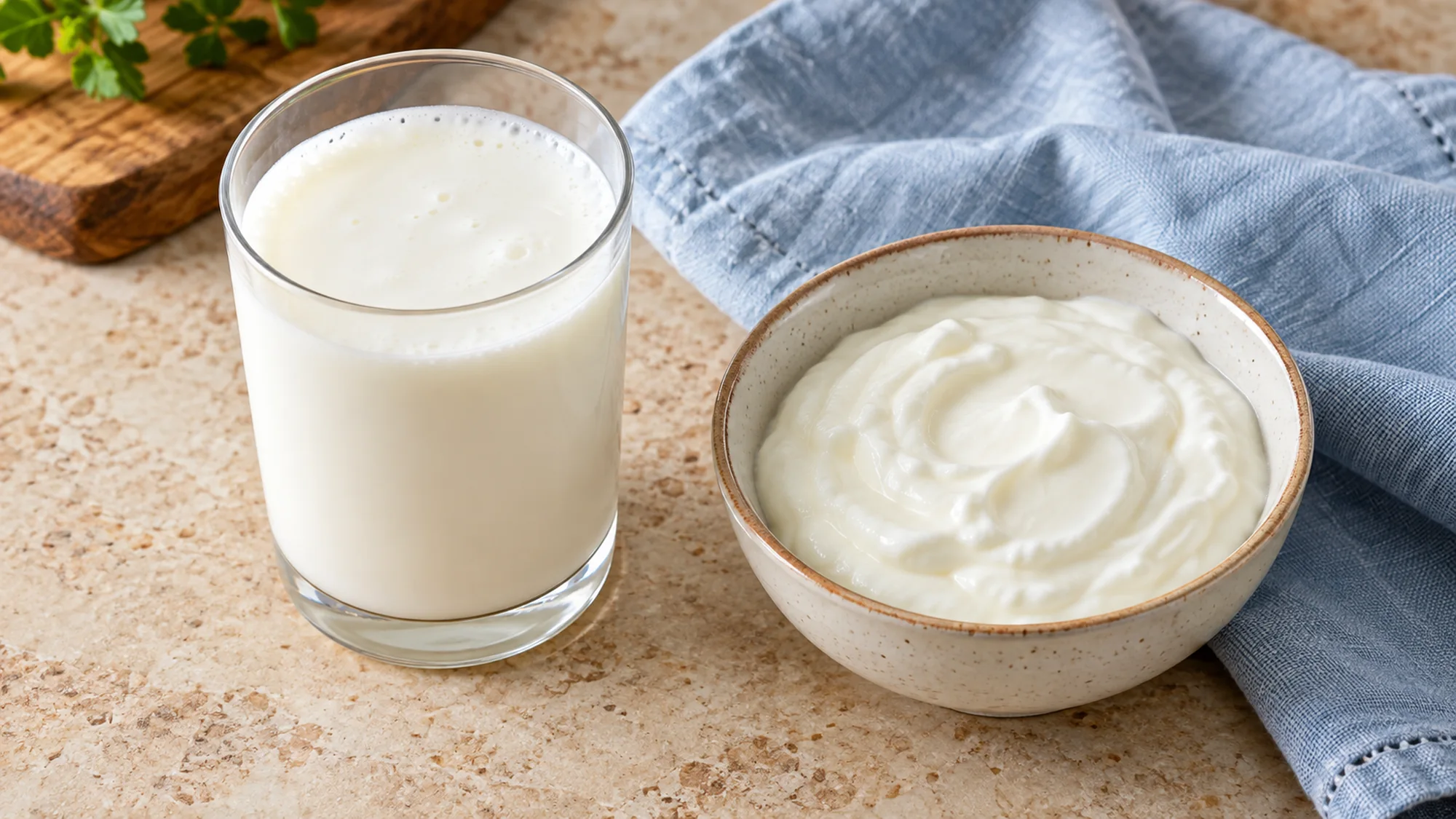
What Is a Probiotic Drink Made From?
The base might be milk, water, tea or juice. The NIH consumer guide explains that probiotics can occur in some fermented foods or be added to other foods, including juice and milk. Appearance alone cannot tell you whether a beverage qualifies.
I would separate the shopping question into two parts: what kind of drink do you enjoy, and what does this particular product establish about its cultures? That keeps a creamy breakfast drink from being compared with sparkling tea as though they perform the same kitchen job.
| Option | What it means | Useful check |
|---|---|---|
| Cultured milk or drinkable yogurt | Milk-based and usually tangy | Milk ingredients and the specific cultures |
| Milk kefir | A pourable fermented dairy beverage | The actual formulation, not the category name |
| Fermented tea, including kombucha | Tea transformed through fermentation | Whether the product contains identified probiotics |
| Water-based or juice beverage | May be fermented or have cultures added | The ingredient list and culture information |
Two Product Examples Show Why Names Matter
Yakult’s U.S. product page identifies L. paracasei strain Shirota and lists nonfat milk among its ingredients. Its Original and Light drinks have different formulations. This is a concrete cultured-milk example, not evidence that every small bottle has the same contents or effects.
KeVita separates its products into categories including Sparkling Probiotic Refresher, Master Brew Kombucha and Sparkling Prebiotic Lemonade. The refresher uses a water-kefir culture, while the lemonade’s prebiotic wording refers to a different concept. One brand can therefore contain several quite different drink types.
- Read the complete product name, not only the brand across the top.
- Check the U.S. label on the flavor you are buying; another country’s formulation may differ.
- Distinguish milk kefir from water-kefir-based drinks instead of treating the shared word as a nutritional match.
- Use manufacturer information to identify ingredients, not as independent proof of every advertised health claim.
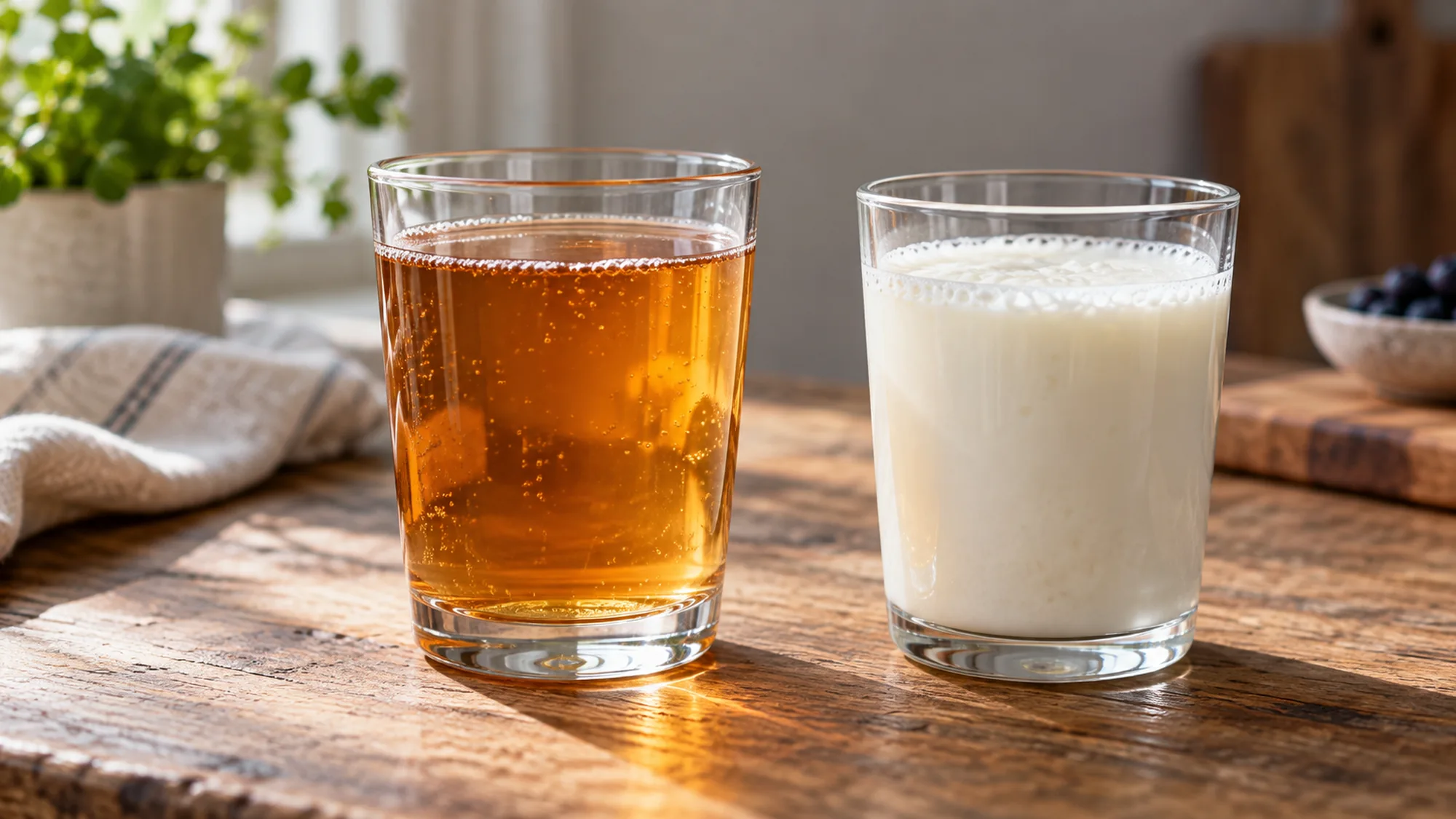
Fermented Tea Is Not a Shortcut to the Answer
The ISAPP fermented-food consensus distinguishes fermentation from demonstrated probiotic properties. A drink can be fermented and contain live microbes without meeting the evidence requirements for a probiotic claim. Some fermented beverages are processed so that live cultures are no longer present.
That matters when a bottle says kombucha, cultured or fermented in large lettering. Those words help describe production; they do not, by themselves, identify the final drink’s probiotic properties. I’d enjoy a tart, sparkling drink for its flavor without asking the bubbles to prove anything.
- Fermented: describes a process involving microbial activity.
- Live cultures: indicates living microorganisms, but does not establish every claimed benefit.
- Probiotic: requires the more specific combination of live organisms, sufficient amounts and demonstrated benefit.
- Prebiotic: is not another spelling of probiotic; our prebiotic versus probiotic guide explains the distinction.
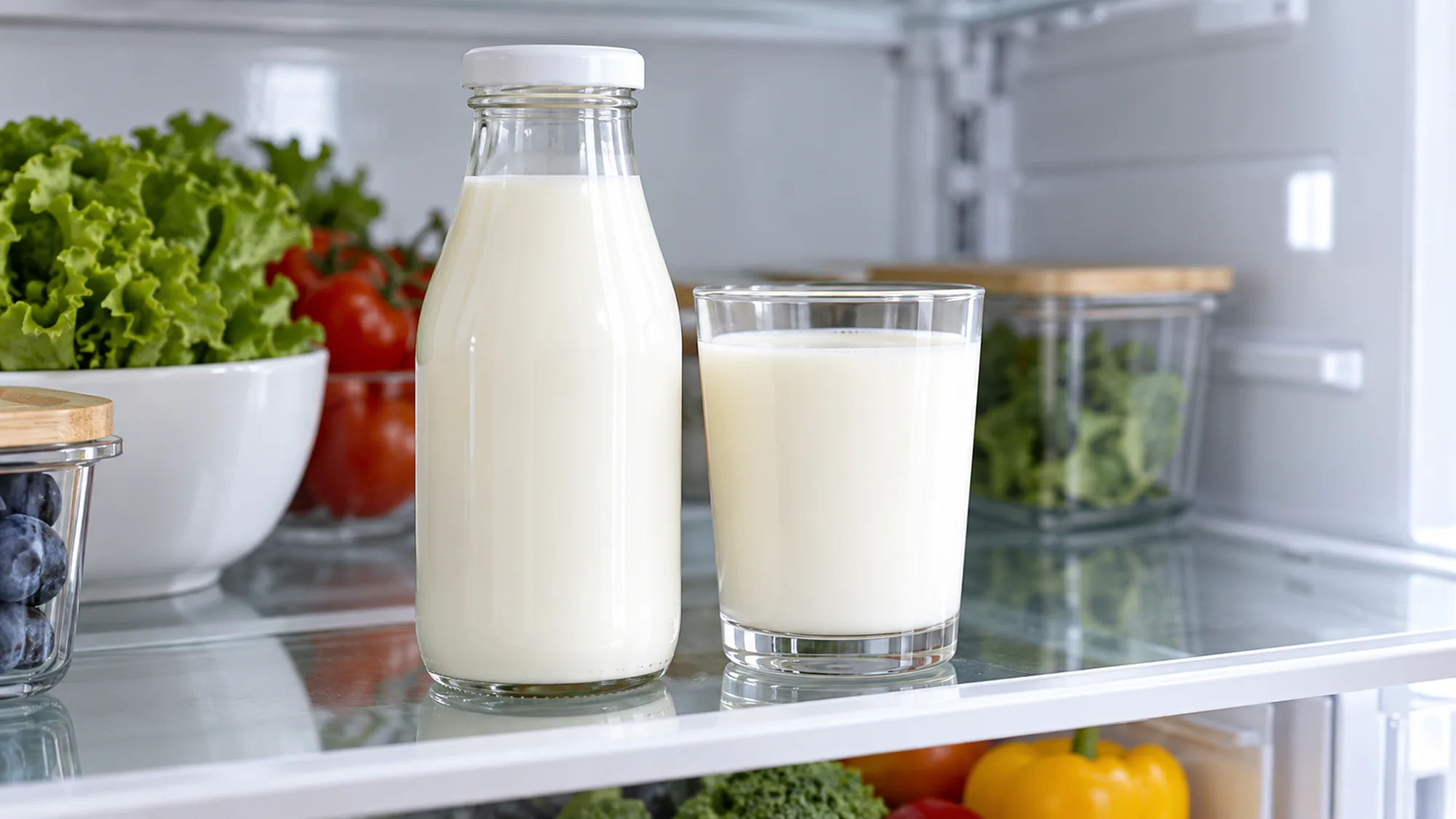
Choose a Drink for the Occasion
Start with the food decision. Do you want a small cultured-milk drink alongside a meal, a pourable dairy base, or a refreshing water-based beverage? Our kefir guide covers that ingredient’s flavor and meal uses in more detail; it need not become the default choice for everybody.
Compare the amount you actually plan to drink. A per-bottle figure on a small shot is not directly comparable with a serving from a larger container. I prefer a manageable first purchase to several bottles of something whose texture I may not enjoy.
- Ingredients: check the base and allergens rather than assuming that culture-related wording means dairy-free.
- Sweetness: compare the nutrition panel and ingredient list; a probiotic label does not erase sugar.
- Handling: follow the bottle’s refrigeration and after-opening directions. Do not copy instructions from a different drink.
- Purpose: choosing a pleasant beverage is different from treating symptoms. Our probiotic-benefits guide discusses the evidence limits.
Bottom Line
Choose the beverage first, then check what the specific bottle says about its cultures. Milk, tea and water-based drinks are different options, not interchangeable promises. For persistent symptoms or serious illness, seek individual medical advice rather than using a drink as treatment.
ISAPP’s overview below explains fermentation and why fermented foods and probiotics are not identical.
Sources
- NIH: Probiotics
- Yakult U.S.A.: Product ingredients
- KeVita: Product categories
- ISAPP consensus on fermented foods

Hi, I’m Emily Pocker! I share recipes and food guides here at Recipes360 to help you find everyday meal inspiration and feel more confident in the kitchen. My goal is to make cooking approachable, enjoyable, and full of flavor.