
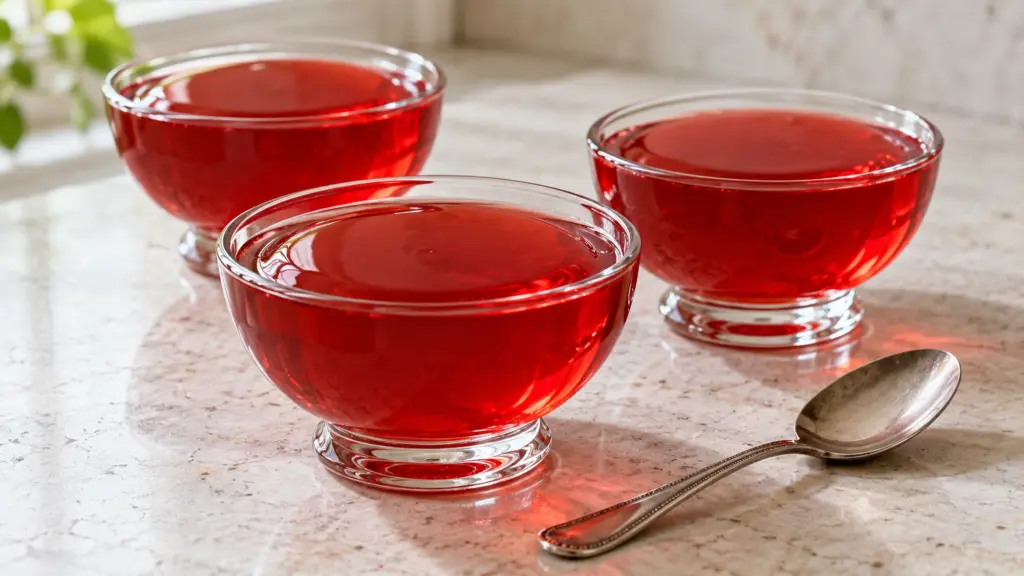
A bright, wobbly cup can look almost identical whether it contains sugar or a different sweetener. Sugar free jello usually gets its sweetness from sugar substitutes while gelatin supplies the familiar soft set. The useful question is what that particular box or cup contains.
Sugar free jello can be a low-sugar dessert, but the claim does not guarantee zero calories, a nutritious snack, or suitability for every diet. Check the serving size, sweeteners, gelatin source, and preparation directions.
I would choose it for the cool, fruity dessert you want, rather than expect a tiny bowl to do the work of a balanced meal. Here is how to make the label useful.
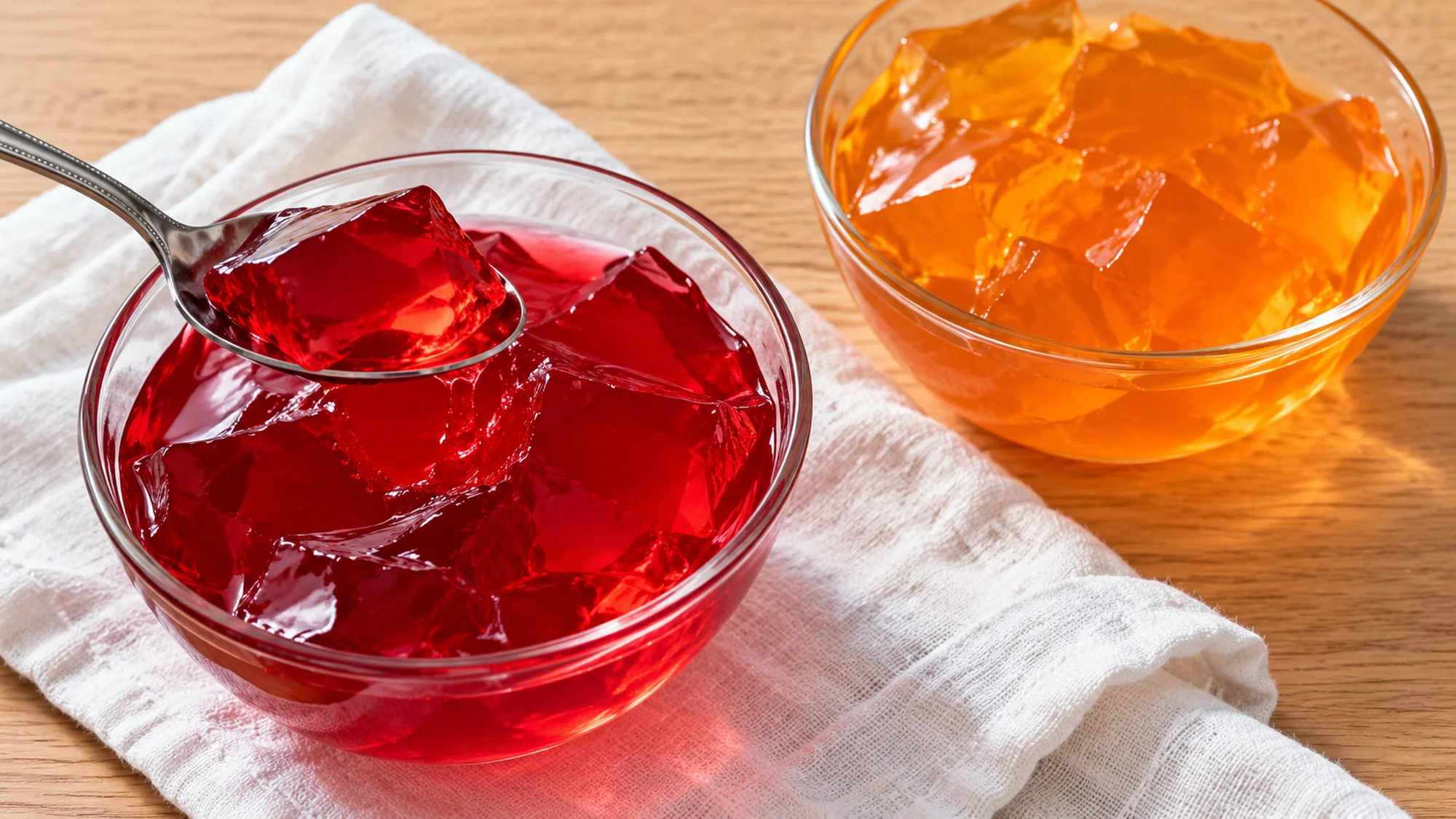
What Sugar Free Jello Actually Contains
In the United States, the sugar-free labeling rule generally requires less than 0.5 gram of sugars per labeled serving and reference amount. That is a specific sugar claim; it does not describe everything else in the food. “No added sugar” is a different claim, so those phrases should not be treated as interchangeable.
Jell-O Zero Sugar Strawberry gelatin mix, for example, lists gelatin, acids, flavor, color, aspartame, and acesulfame potassium among its ingredients. Its published label shows 10 calories and 1 gram of protein per prepared half-cup serving. Those figures describe that product, not every gelatin dessert.
- Gelatin provides structure: it helps the liquid become a spoonable gel after cooling.
- Sweeteners provide sweetness: a sugar-free product still can taste sweet, sometimes with a different finish from regular gelatin.
- Acids, flavors, and colors vary: read the current ingredient list for the flavor and package in your hand.
A Label Checklist Before You Buy
Start with the amount you will actually eat. The FDA explains that nutrition numbers refer to the listed serving, and a serving size is not a personal recommendation. A larger bowl or several snack cups changes the amount consumed, even when each portion looks small.
| Check | What it tells you | Practical next step |
|---|---|---|
| Serving size | The amount behind the numbers | Compare equal prepared portions |
| Total carbohydrate | More than sugar alone | Read it separately from total sugars |
| Sweetener names | How sweetness is supplied | Check ingredients and warnings |
| Gelatin and certifications | Whether the product fits your diet | Verify the source if it matters |
| Storage directions | How that format should be kept | Distinguish dry mix from prepared cups |
Toppings count separately: whipped topping, fruit, or yogurt changes the finished dessert. I prefer comparing the plain products first, then considering the extras. The same approach helps when choosing ice cream by its actual label.
Sweeteners and Dietary Needs
The FDA considers approved sweeteners safe under their specified conditions of use. An important exception is phenylketonuria, or PKU: people with this condition must avoid or restrict aspartame because it supplies phenylalanine. The strawberry mix above carries that warning; other products can use different sweeteners.
- Managing carbohydrate intake: use the total carbohydrate figure for the portion and additions you plan to eat. A front-label claim is not an individualized meal plan.
- Vegetarian or vegan eating: ordinary gelatin is animal-derived. Choose a product explicitly made with a suitable alternative rather than assuming a fruit flavor makes it plant-based.
- Religious dietary requirements: look for the relevant certification. A general gelatin ingredient listing does not establish the animal source or processing standard.
Gelatin manufacturer GELITA describes gelatin as a collagen-derived animal protein. That explains its texture; it does not establish that a dessert cup improves skin, joints, or weight management. I would keep those promises off the shopping list.
Getting the Texture and Storage Right
Use the directions for the exact package size. A small box and a family-size box can require different amounts of water. Fully dissolve the mix as directed, then allow the specified chilling time; adding extra liquid can leave a softer result.
- Plan the container: individual cups make portions easy to see and let you serve one without disturbing the rest.
- Keep the instructions: save the package until the dessert is finished, especially when preparing several flavors.
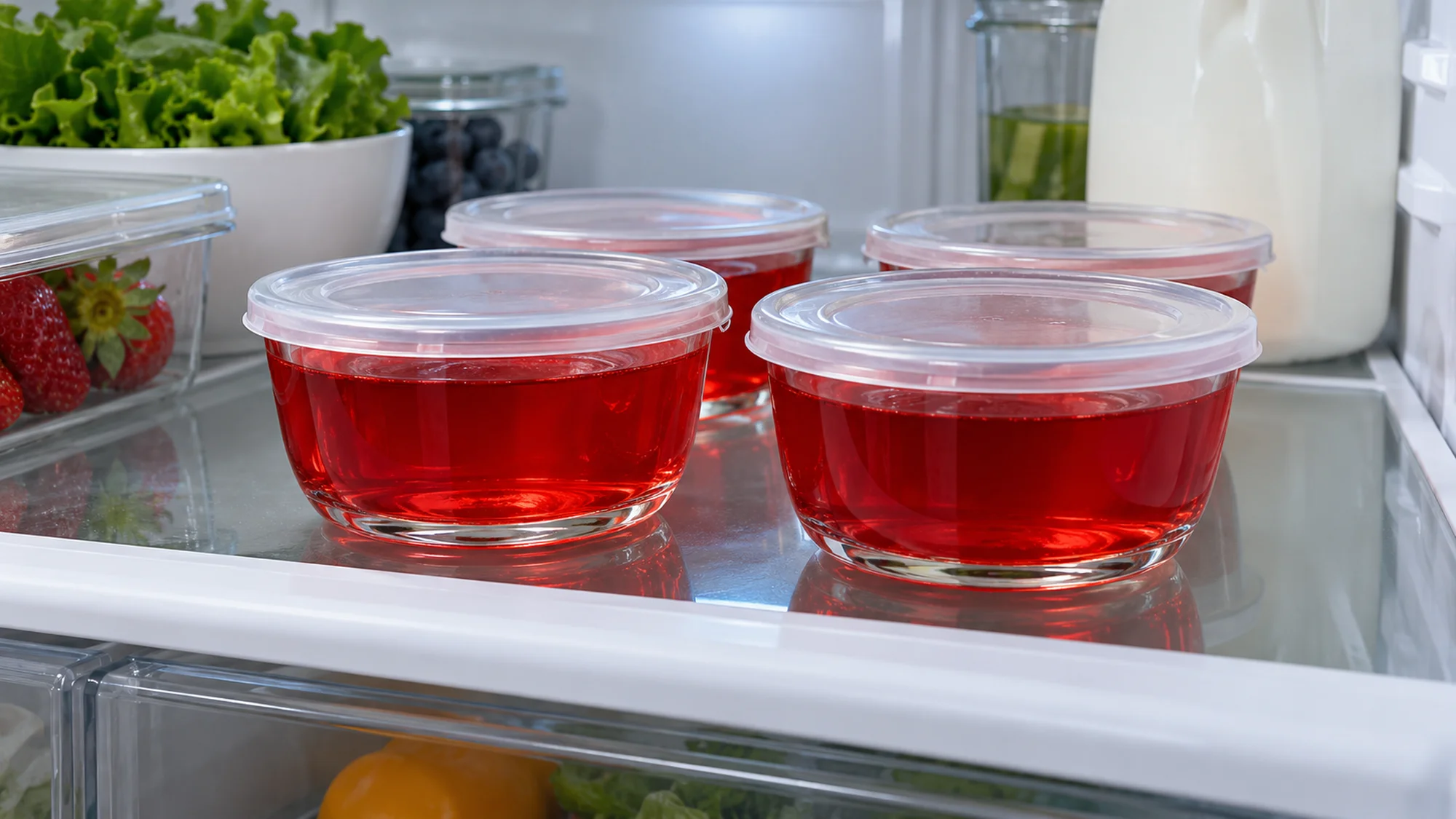
- Protect the prepared dessert: cover it, refrigerate as directed, and use the package’s storage advice. Do not apply dry-mix storage instructions to a prepared bowl.
The FDA recommends keeping refrigerators at 40°F or below. Follow any stricter product directions, and keep utensils and containers clean. There is no single shelf-life number that reliably covers unopened cups, prepared mixes, and desserts with added dairy or fruit.
Bottom Line
Choose sugar free jello by the whole label and your own needs. It can be an enjoyable small dessert without becoming a health treatment or a substitute for a varied meal.
For a closer look at how gelatin sets, the Montreal Gazette video below features chemist Joe Schwarcz and is linked by McGill University’s Office for Science and Society. It explains the ingredient, rather than reviewing this particular sugar-free product.
Sources
- Kraft Heinz: Zero Sugar Strawberry Flavor Gelatin label and directions
- 21 CFR 101.60: sugar-content claims
- FDA: understanding the Nutrition Facts label
- FDA: aspartame and other sweeteners
- GELITA: what gelatin is
- FDA: safe food handling

Hi, I’m Emily Pocker! I share recipes and food guides here at Recipes360 to help you find everyday meal inspiration and feel more confident in the kitchen. My goal is to make cooking approachable, enjoyable, and full of flavor.