
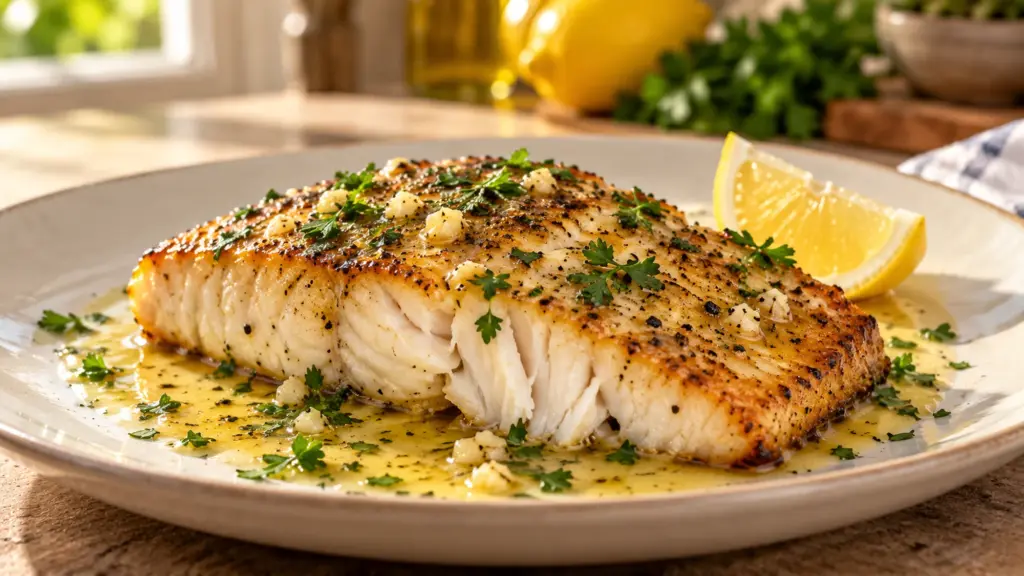
Fish has a frustratingly small gap between pleasantly flaky and a little too firm. This mahi mahi recipe keeps your attention on that gap: dry fillets, a hot skillet and a thermometer rather than an extra minute for luck.
Pan-seared mahi mahi gets golden edges and a lemon-garlic butter finish in about 25 minutes. Cook each fillet to 145°F in its thickest part, then spoon over the sauce without leaving the fish bubbling in it.
Mahi mahi has a mild flavor and substantial flakes, so it can take a brief sear without disappearing beneath the sauce. I’d choose evenly thick pieces over the prettiest shape; matching thickness is what helps four portions finish together. Frozen fillets work well once fully thawed and carefully dried.
Serving Suggestions for This Mahi Mahi Recipe
Start the side dishes before the fish hits the pan. Rice, couscous or potatoes can wait a few minutes; a delicate fillet is less forgiving. The lemon butter is a finishing sauce, not a deep pool, so divide it over the fish first and let a simple side catch what remains.
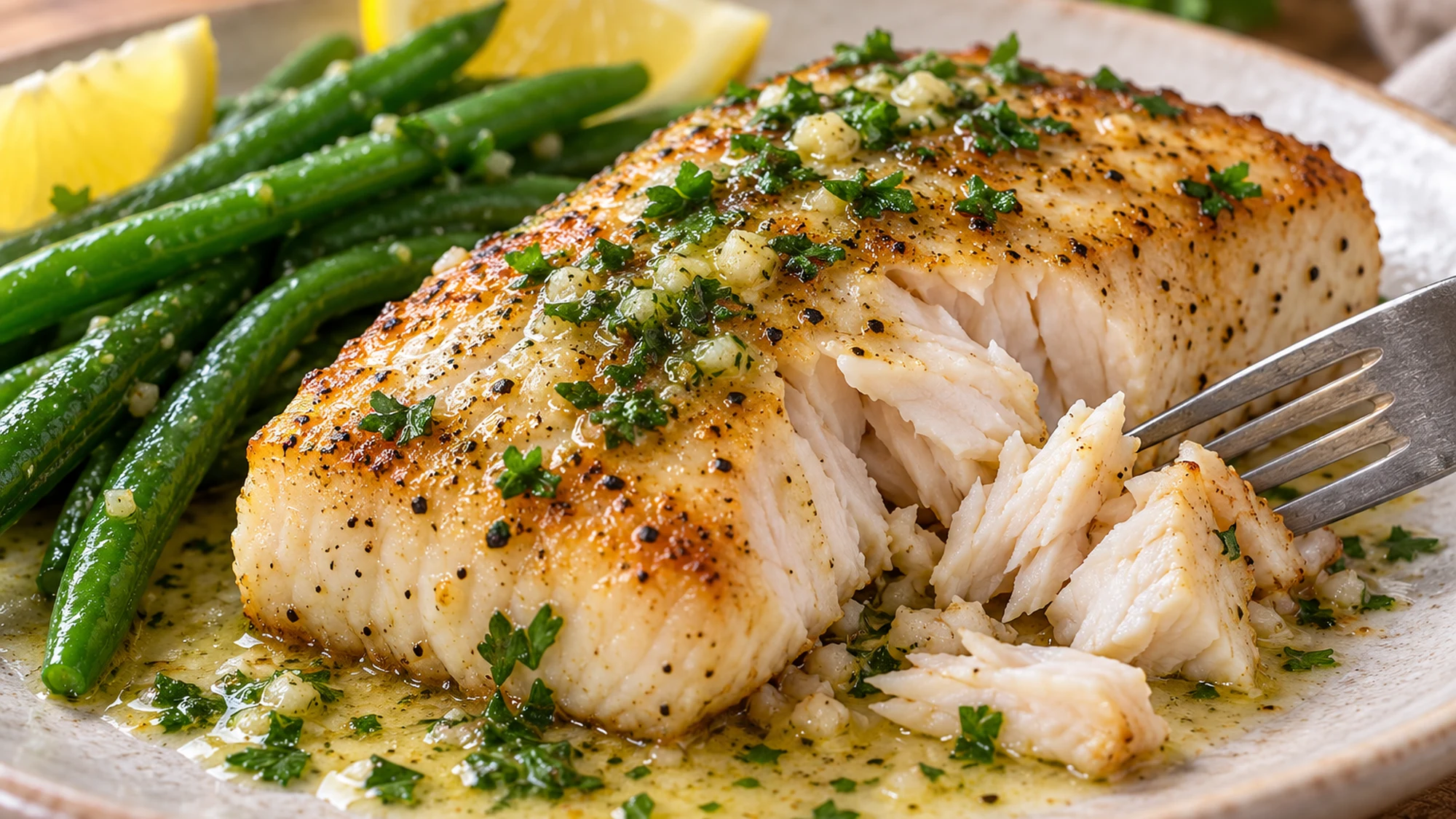
- For a bright plate, add steamed green beans and plain rice with a little extra lemon on the side.
- For a heartier dinner, pair it with mashed potatoes and a crisp cucumber salad.
- For a casual lunch, flake a cooked portion into warm tortillas with cabbage. Add the sauce sparingly so the tortillas do not become soggy.
A shallow warm plate is helpful, but there is no need to heat it until it is scorching. I prefer a crunchy vegetable alongside this fish: the contrast makes a small amount of buttery sauce feel more deliberate. Put lemon wedges on the table rather than making every serving equally sharp.
Have the vegetables and starch ready first, then serve the fish as soon as the sauce is finished.
Variations That Keep the Fish in Focus
This is a flexible seasoning combination, not a promise that every fish cooks on the same clock. Cod and halibut can use a similar treatment, but their thickness and structure will change the timing. A thin tail piece deserves an earlier temperature check than a thick center-cut portion.
| Change | What it adds | What to watch |
|---|---|---|
| Replace parsley with dill | A softer, grassy flavor | Add after the heat is off |
| Add a small pinch of chili flakes | Gentle background heat | Do not let the flakes scorch with the garlic |
| Use olive oil instead of butter | A dairy-free sauce base | The finish will be less creamy |
| Use another firm white fish | A different flake and flavor | Check temperature, not just elapsed time |
Keep garlic finely chopped rather than pressed into a paste if your skillet tends to run hot. Lower the heat for the sauce and move the pan off the burner briefly if the butter immediately turns dark. Browned bits are welcome; bitter black specks are not a seasoning shortcut.
Change the herbs or heat level freely, but keep the doneness check tied to the fish you actually have.
Health Benefits and Practical Trade-Offs
Mahi mahi provides protein without much fat before cooking. NOAA’s nutrition profile lists 18.5 grams of protein per 100 grams of raw fish. The butter and oil in this recipe add flavor and energy, so the finished plate is different from a plain-fish nutrition listing.
- Use the card’s nutrition as an estimate for one fish portion and its share of sauce, not for the rice or vegetables served with it.
- Fish and milk are allergens in the main version. An olive-oil substitution removes the butter, but check every packaged ingredient for your needs.
- For pregnancy, breastfeeding or children, consult FDA fish-choice guidance rather than treating all seafood species as interchangeable.
Food safety is part of a good fish dinner, too. The FDA recommends cooking seafood to 145°F. Thaw in the refrigerator, keep raw-fish equipment away from ready-to-eat foods and refrigerate leftovers promptly. A lemony sauce does not make undercooked or mishandled fish safe.
Think of this as a protein-centered meal with a flavorful sauce, then choose portions and sides that suit you.
Bottom Line
The useful trick in this mahi mahi recipe is restraint: dry the surface, let the first side brown and stop cooking when the center reaches its safe temperature. A quick lemon-garlic finish gives you a lively dinner without hiding the fish.
For leftovers, refrigerate in a shallow covered container at 40°F or below within two hours, or one hour above 90°F. Use within three to four days and reheat leftovers to 165°F. The texture may be firmer after reheating, so prepare only what you need when possible.
Mahi Mahi Recipe

Ingredients
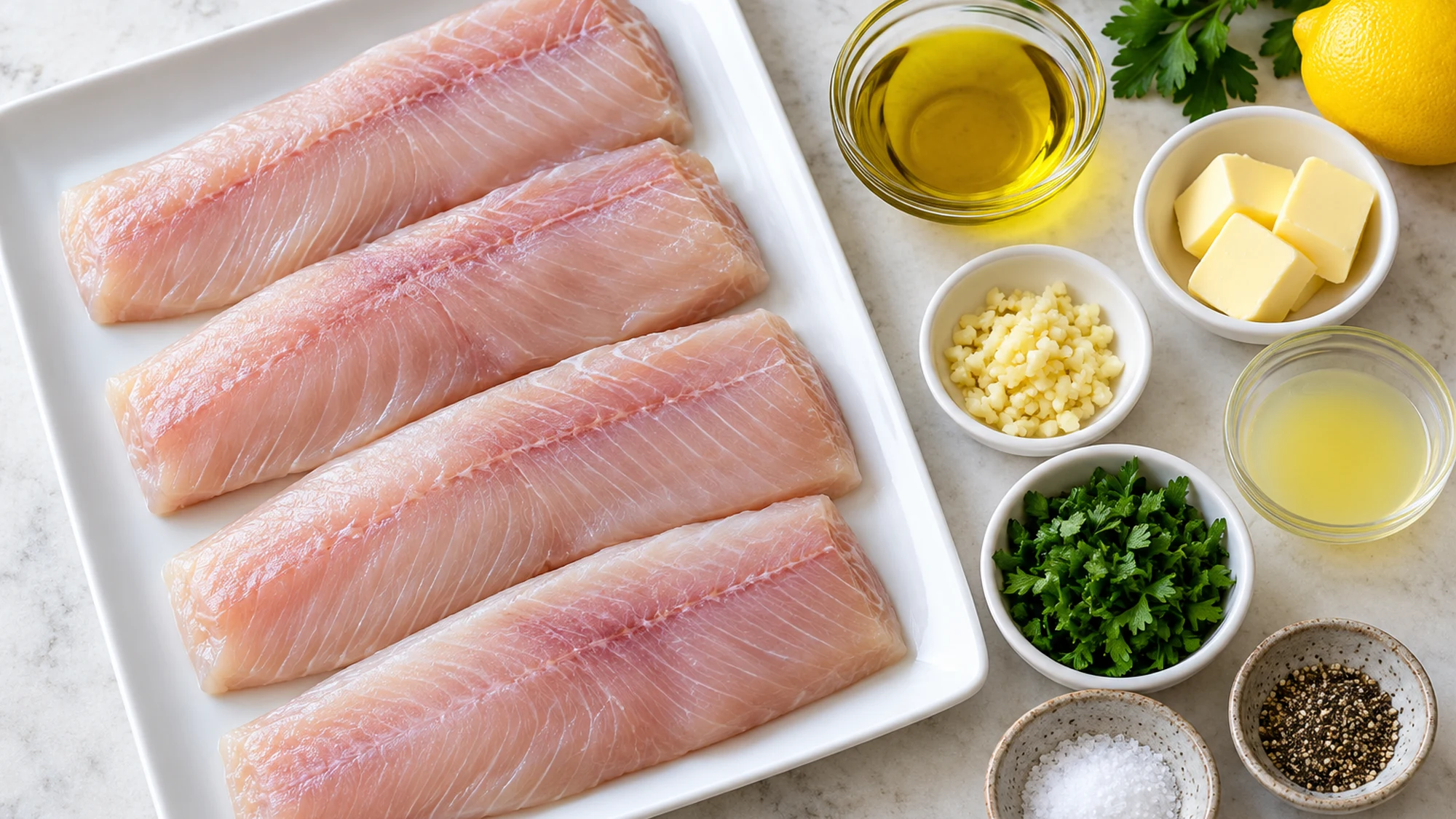
- 4 6-ounce skinless mahi mahi fillets 680 g total, thawed if frozen
- 1/2 teaspoon fine salt
- 1/4 teaspoon black pepper
- 1 tablespoon olive oil
- 2 tablespoons unsalted butter 28 g
- 3 cloves garlic finely chopped
- 2 tablespoons lemon juice
- 2 tablespoons water
- 2 tablespoons chopped fresh parsley
Equipment
- 1 Large skillet
- 1 Fish spatula
- 1 Instant-read thermometer
Instructions
- Pat the thawed fish thoroughly dry with paper towels. Season both sides with salt and pepper. Choose similarly thick fillets for more even cooking.
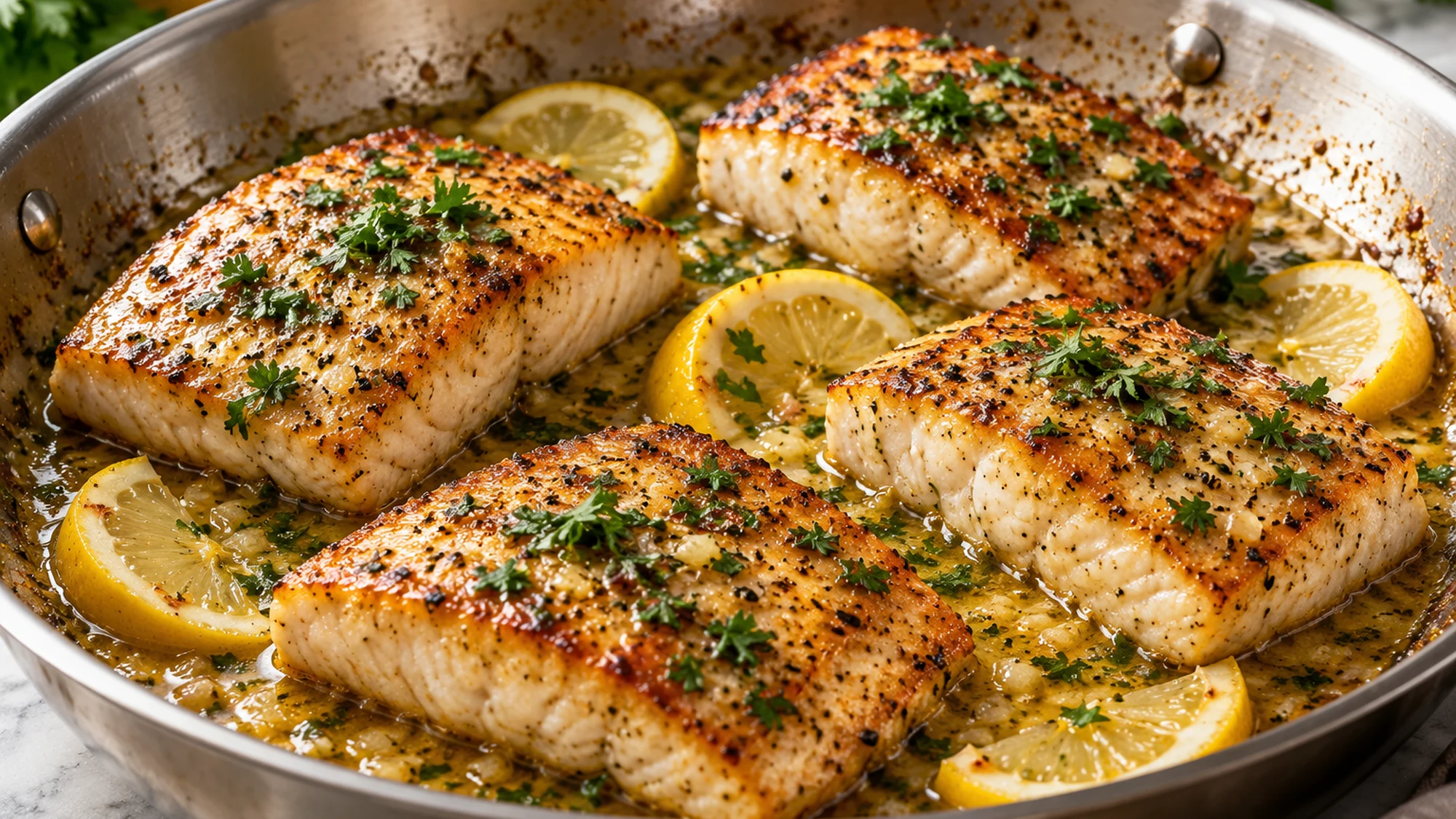
- Heat the oil in a large skillet over medium-high heat until shimmering. Add the fish without crowding. Cook for about 3–4 minutes without moving it, until the underside is golden and releases with a thin spatula.
- Turn gently and lower the heat to medium. Cook about 3–5 minutes more, depending on thickness, until the thickest part of each piece reaches 145°F (63°C). Remove individual pieces as they finish and transfer to a clean plate.
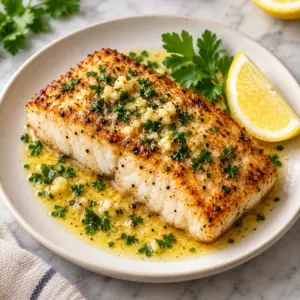
- Lower the heat to medium-low. Add the butter, then the garlic and stir for about 30 seconds, just until fragrant. Add lemon juice and water and stir for 30 seconds to loosen the browned bits. Remove from the heat and stir in parsley.
- Spoon the sauce over the fish and serve promptly. If the fish needs warming in the sauce, return it to the off-heat pan only briefly; do not continue simmering cooked fillets.
Nutrition
Video
Notes
Tried this recipe?
Let us know how it turned out!Hi, I’m Emily Pocker! I share recipes and food guides here at Recipes360 to help you find everyday meal inspiration and feel more confident in the kitchen. My goal is to make cooking approachable, enjoyable, and full of flavor.