
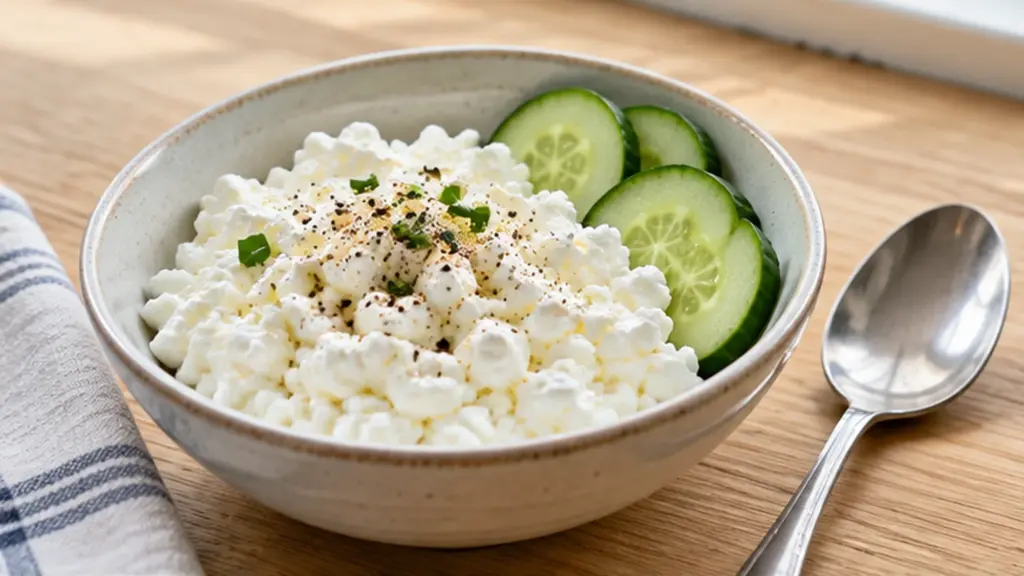
A cheese aisle can turn a simple sandwich decision into a tiny label-reading project. Low fat cheese can mean a creamy cottage cheese, a firmer reduced-fat slice, or something else entirely, and those choices will not behave the same way on your plate. Start with the job you need the cheese to do.
Choose the texture first, then compare the label on equal portions. Less fat can be useful, but it does not automatically mean less sodium, more protein or a better melt.
I’d rather find a cheese that makes lunch satisfying than buy the lowest number and leave the tub untouched. A few clear distinctions make that decision much easier.
What does low fat cheese mean on a label?
In U.S. labeling, “low fat” and “reduced fat” describe different things. The FDA’s nutrient-claim definitions generally set low fat at no more than 3 grams per reference amount, with an additional 50-gram basis for foods with small reference amounts. Reduced fat means at least 25% less fat than an appropriate comparison food.
That makes reduced fat a comparison, not a promise that the cheese meets the low-fat definition. “Part-skim” describes the milk used; it is not a shortcut around reading the finished product’s Nutrition Facts. Here is a practical way to separate the terms.
| Label wording | What it tells you | What to check next |
|---|---|---|
| Low fat | Meets a defined fat-content limit | Serving size and sodium |
| Reduced fat | Less fat than a reference food | Comparison statement and grams |
| Part-skim | A milk-composition description | The finished cheese’s label |
| Fat free | Very little fat under labeling rules | Texture and intended use |
Compare the portion before the numbers
Two packages can look different simply because one lists a smaller serving. The FDA explains how serving sizes and Daily Values work: the listed portion is not a personal recommendation. Match the gram weights when comparing similar cheeses, then consider the amount you will actually use.
For a real product example, Daisy distinguishes its 2% low-fat cottage cheese from its classic 4% version. Those percentages do not describe every other cheese on the shelf. Check the current container rather than borrowing nutrition numbers from a different brand or flavor.
- Saturated fat: compare the grams or % Daily Value, not only total fat. These are separate lines for a reason.
- Sodium: reduced fat does not automatically mean reduced sodium. This matters especially when the meal already includes salty bread, sauces or cured meat.
- Protein and calcium: check what the actual serving supplies. A creamy spread and a cottage cheese are not interchangeable nutrition categories.
- Ingredients and allergens: lower-fat dairy cheese still contains milk. A fat claim does not make it suitable for someone with a milk allergy.
Match the cheese to the way you will eat it
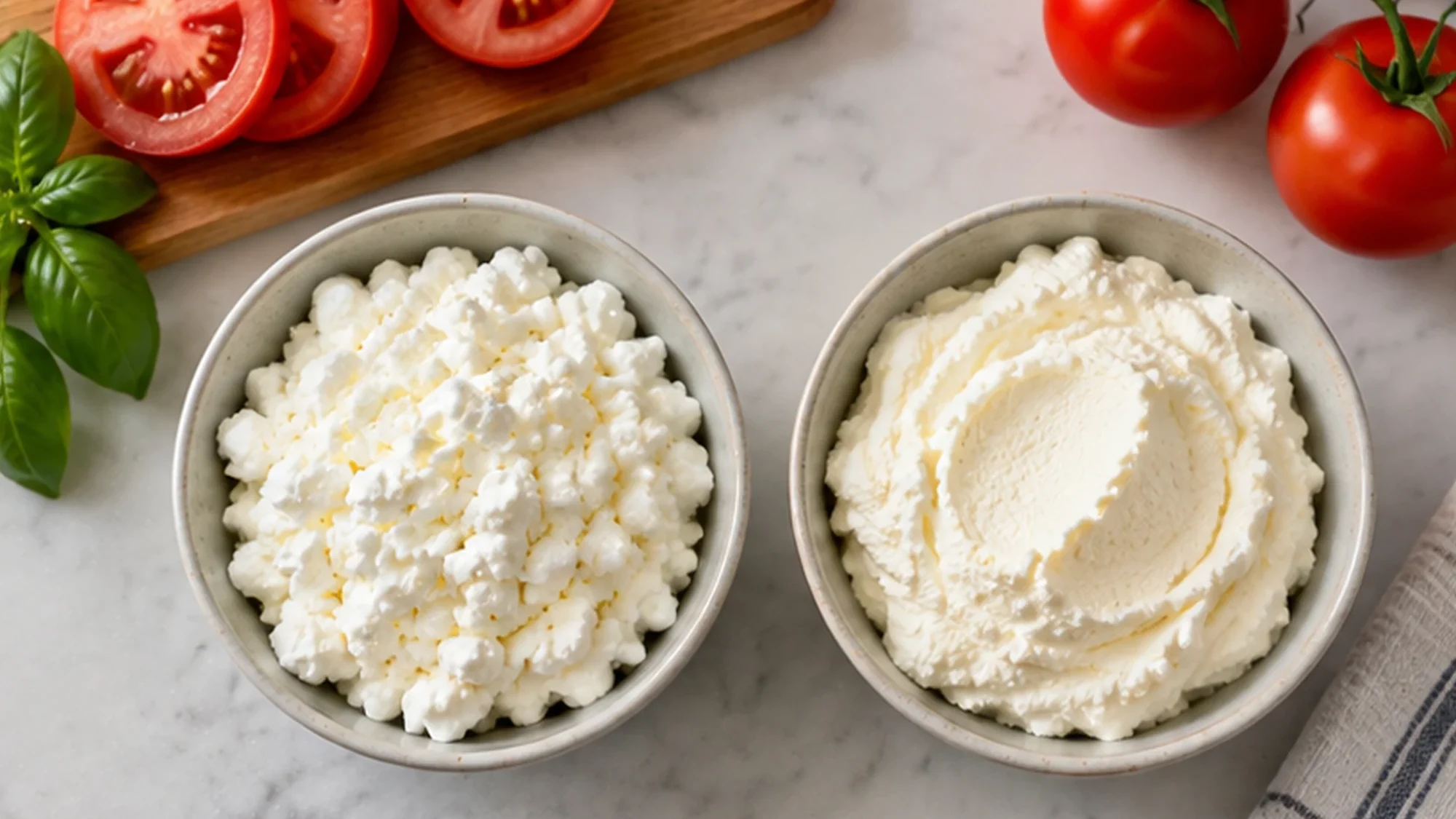
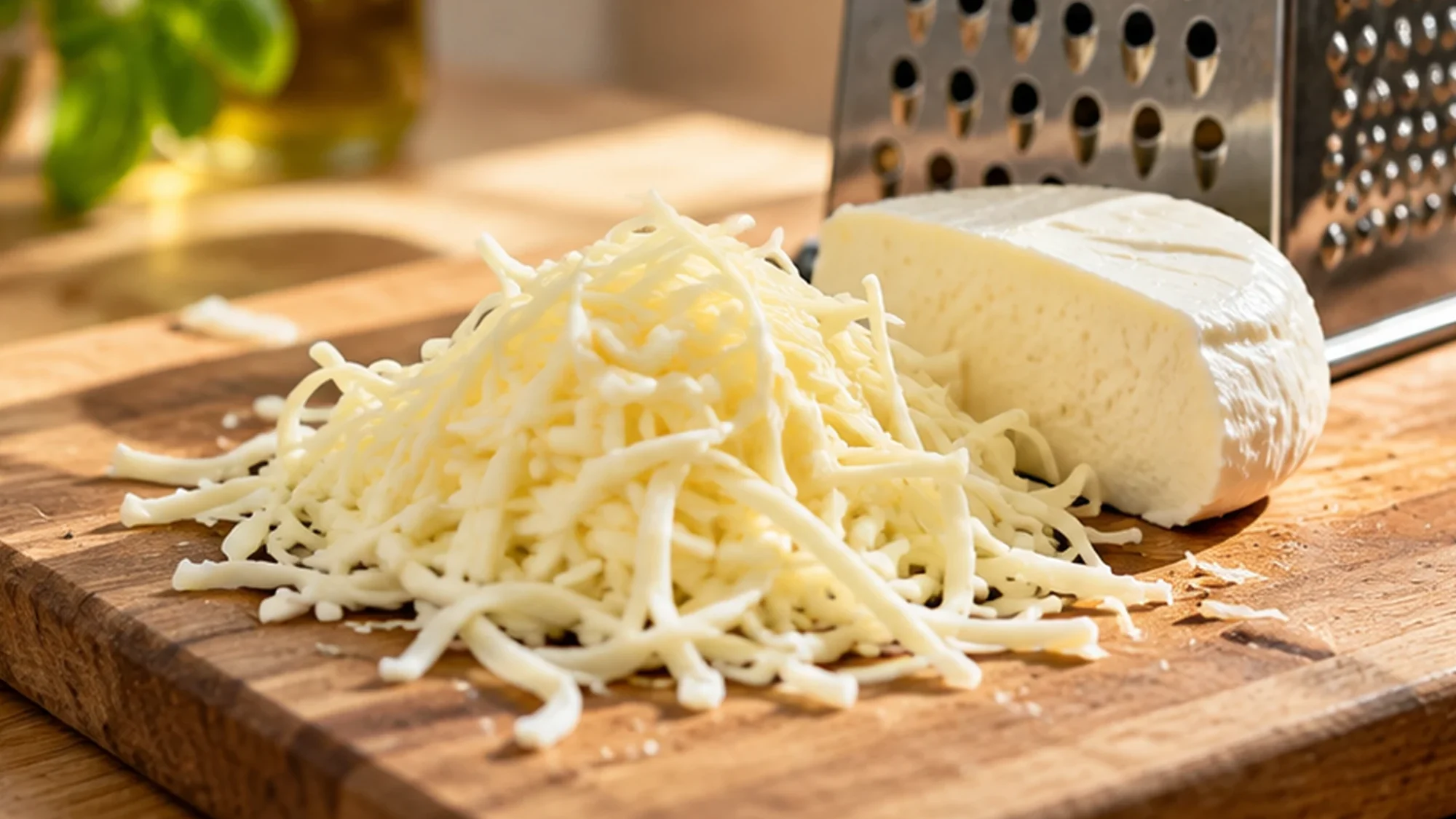
Cold meals are a forgiving place to try a different style. Cottage cheese brings moist curds; ricotta has a finer, softer texture; shredded mozzarella is a different tool again. I’d keep those distinctions in mind before expecting one tub to replace every cheese in the refrigerator.
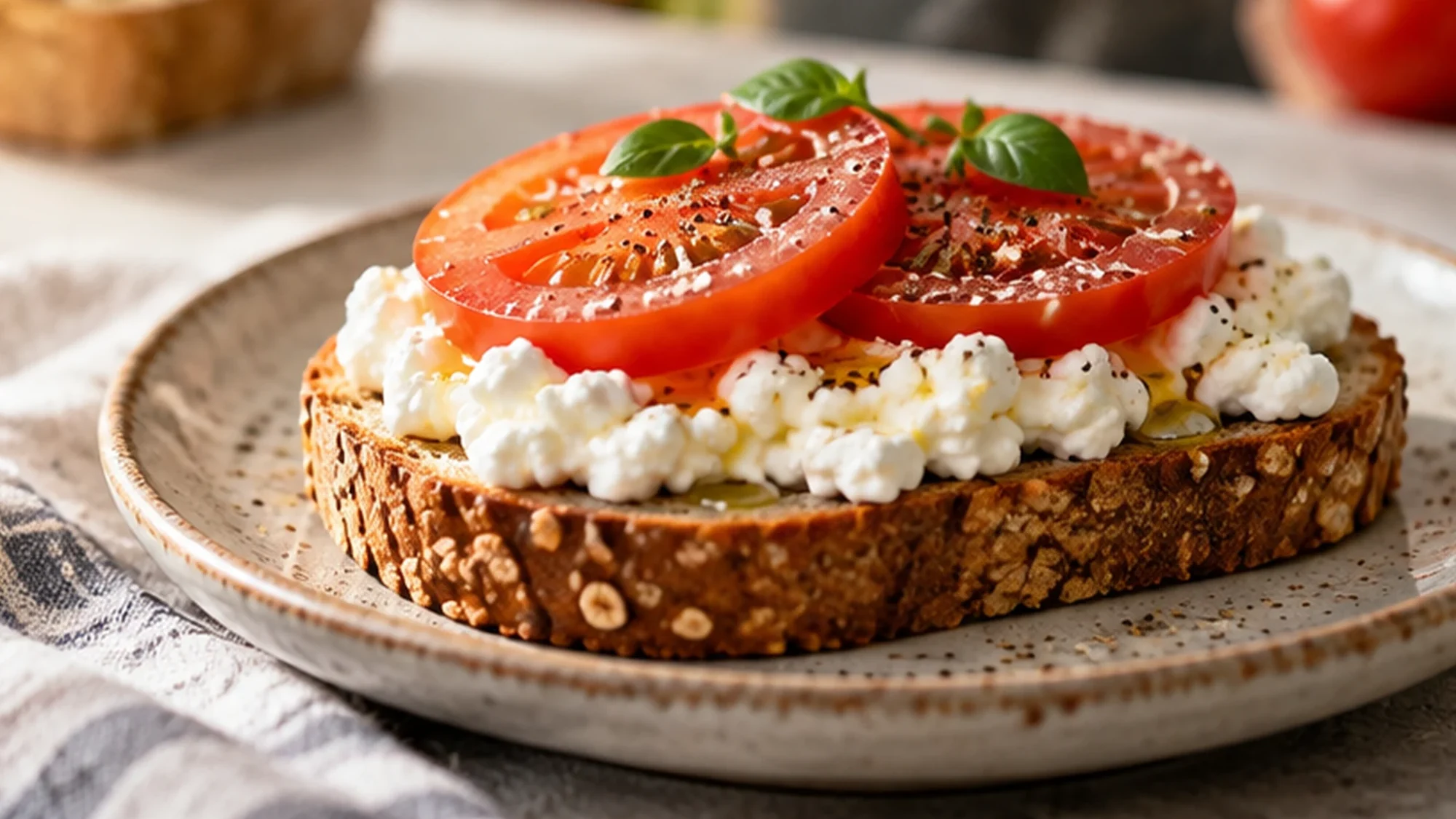
- For toast or a snack bowl: choose cottage cheese if you enjoy curds. Tomato, cucumber, fruit or herbs can add contrast without asking the cheese to melt.
- For a smooth spread: a suitably labeled lower-fat soft cheese may suit the job, but check thickness before adding extra liquid.
- For a melted topping: choose a cheese specifically intended for melting. Lower-fat versions can behave differently, so use the package guidance rather than assuming identical stretch.
- For a strongly flavored finish: a smaller amount of a cheese you enjoy may work better than a large amount of a bland substitute. That is a flavor decision, not a universal nutrition rule.
Our guide to feta cheese explores another distinct texture and flavor. Feta is not automatically a low-fat choice; its usefulness here is the reminder that different cheeses do different jobs.
Make the swap manageable
Change one element at a time. If you replace both the cheese style and the cooking method, it becomes difficult to tell why dinner turned out differently. For a family meal, I would start with a small portion before changing a whole casserole.
Keep refrigerated products cold and follow their storage directions, including any instructions after opening. Buy a size you can use, close the package carefully, and use clean utensils. The lowest-fat tub is not much of a bargain if most of it gets forgotten.
- Check the finished plate: cheese is one ingredient alongside vegetables, grains, beans, meat or other foods. Do not ask its fat percentage to summarize the entire meal.
- Keep flavor purposeful: pepper, herbs, mustard or a little acidity can add interest, depending on the dish. Taste before adding more salt.
- Keep expectations realistic: choosing a lower-fat cheese is an option, not a guarantee of weight loss or a treatment for a health condition.
Bottom Line
Low fat cheese works best when its texture, flavor and label fit the meal you actually want. Compare equal portions, look beyond total fat, and choose a realistic swap rather than expecting every lighter cheese to act like the original.
For a closer look at interpreting food labels, this FDA webinar explains serving sizes, Daily Values and nutrition claims.
Sources
- FDA: nutrient-content claim definitions
- FDA: understanding and using Nutrition Facts
- Daisy: cottage cheese varieties and product labels

Hi, I’m Emily Pocker! I share recipes and food guides here at Recipes360 to help you find everyday meal inspiration and feel more confident in the kitchen. My goal is to make cooking approachable, enjoyable, and full of flavor.