
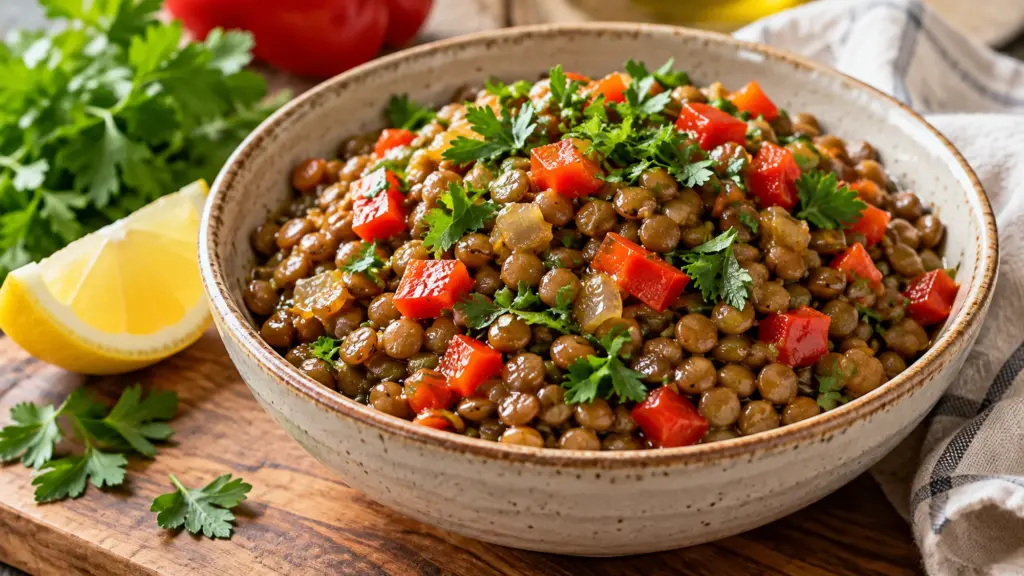
A bag of spinach often gets all the attention when iron comes up, but your pantry may offer more possibilities. Iron providing foods include meat, seafood, beans, lentils and fortified cereals. The useful question is not only which food contains iron, but how it fits into meals you will actually eat.
Choose several iron-containing foods across the week, pair plant sources with vitamin C-rich foods, and seek medical advice if deficiency is suspected. A food list is a planning tool, not a diagnosis or a treatment plan.
I would rather build a repeatable lentil lunch or a convenient breakfast than chase a single “best” ingredient. Different foods contribute different amounts, and your body does not absorb every source in the same way.
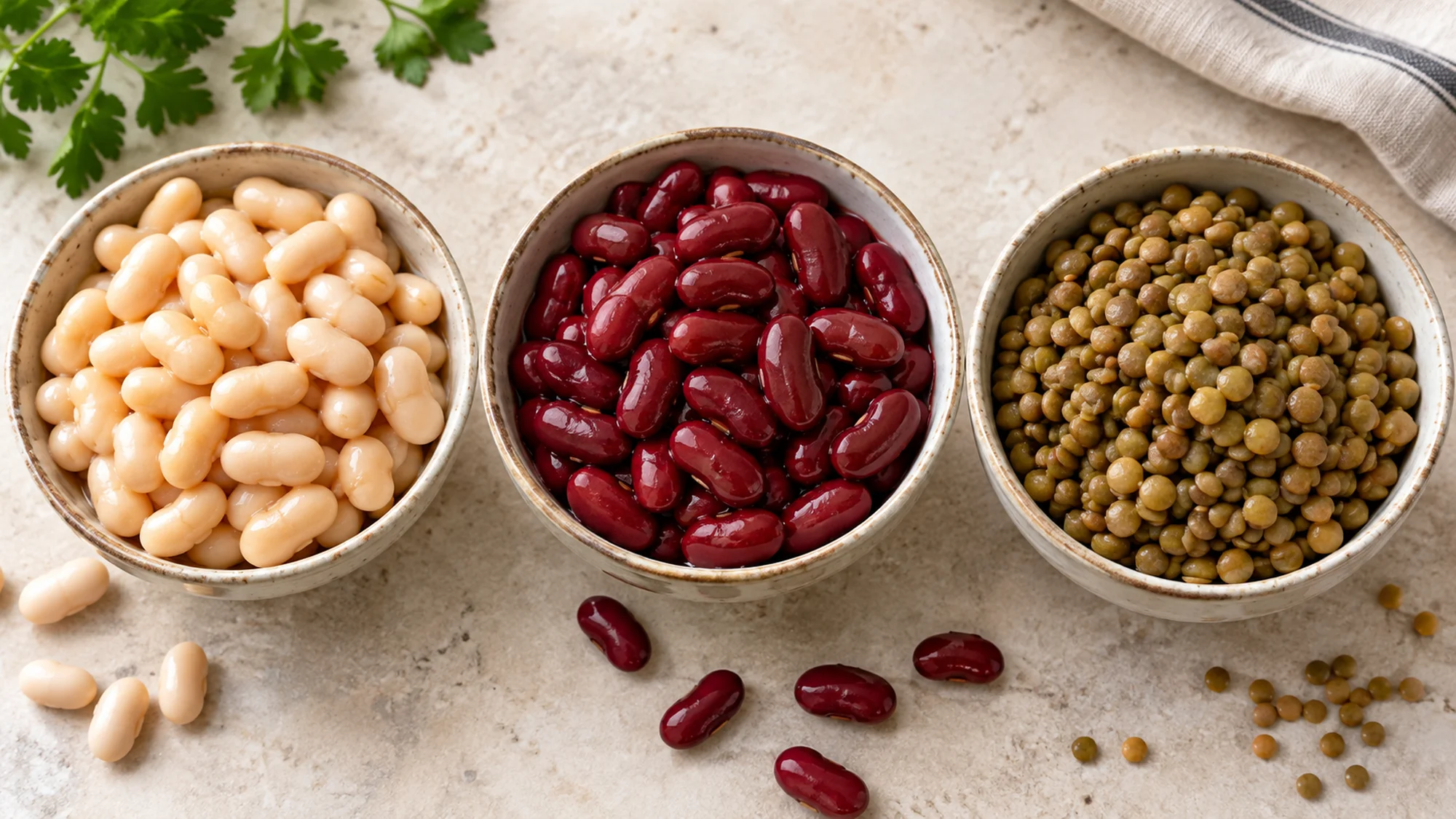
Iron providing foods: animal and plant options
Iron comes in heme and nonheme forms. The NIH Office of Dietary Supplements explains that meat, poultry and seafood contain both, while plant foods and iron-fortified products provide nonheme iron. The body generally absorbs heme iron more readily.
| Food group | Examples | Practical meal idea |
|---|---|---|
| Meat and poultry | Lean beef, poultry | Add a modest portion to a vegetable-rich meal |
| Seafood | Oysters and other suitable seafood | Choose a cooked preparation you enjoy |
| Beans and lentils | White beans, kidney beans, lentils | Build a soup, salad or grain bowl |
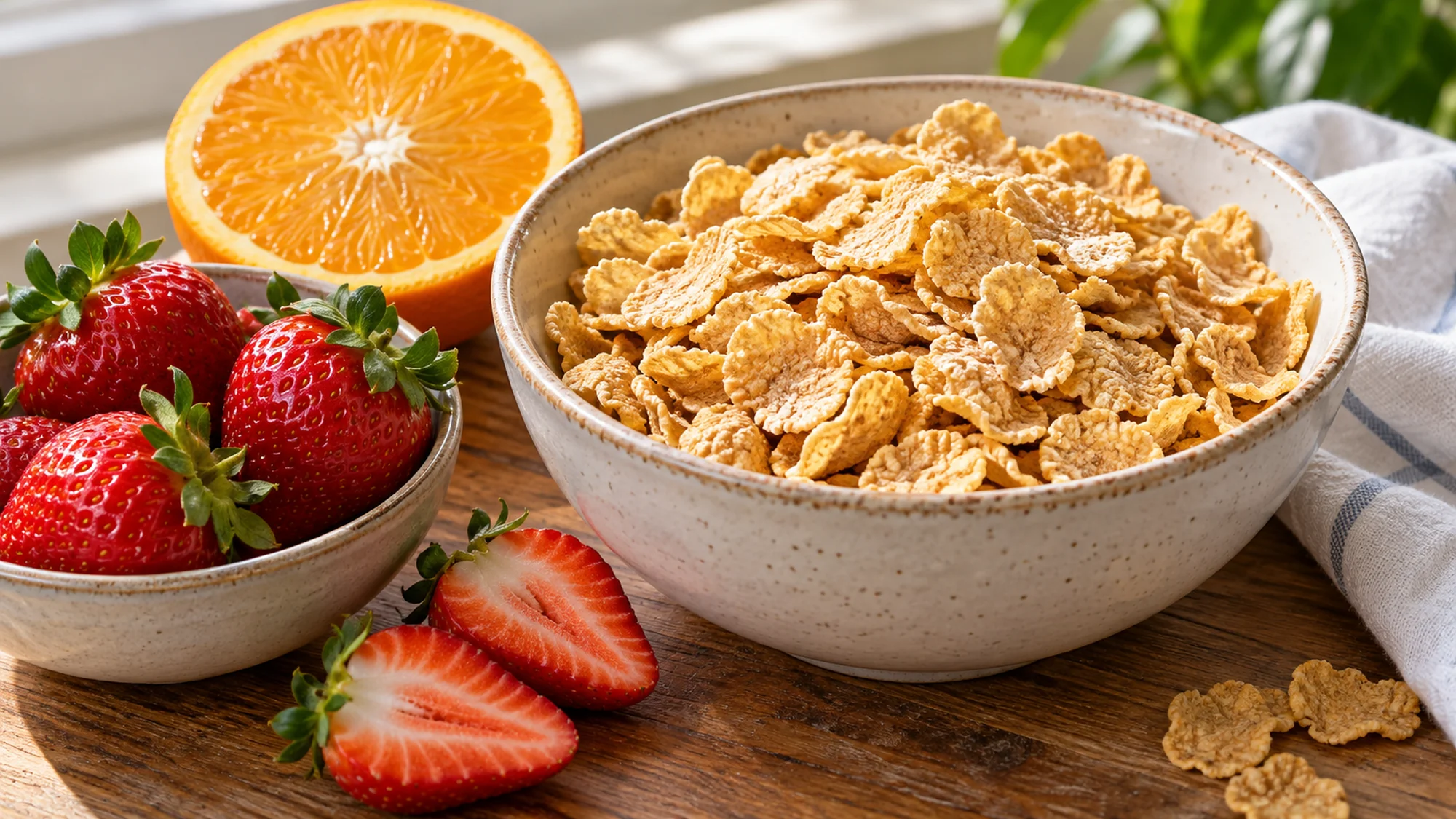
| Fortified foods | Iron-fortified breakfast cereal | Check the exact product’s nutrition label |
| Other plant foods | Nuts, seeds, some dried fruits and greens | Use alongside a varied meal, not as the only strategy |
This is a selection guide, not a ranking of equal servings. A spoonful of seeds, a bowl of beans and a serving of beef are not interchangeable amounts. Preparation, portion and the specific product all change the comparison.
Pair plant iron with something bright
Vitamin C helps the body absorb nonheme iron. MedlinePlus’s iron-in-diet guide gives examples such as citrus, strawberries and tomatoes. That creates a practical cooking opportunity: add a food that brings freshness as well as a useful pairing.
- Toss cooked lentils with diced red pepper and lemon dressing.
- Serve a bean-based lunch with tomatoes or a citrus side.
- Put strawberries beside a breakfast cereal that actually lists added iron.
- Add broccoli or peppers to a mixed meal containing beans and a grain.
I like the lentil-and-pepper approach because the contrast makes sense on the plate: soft, earthy lentils beside something crisp. It is not necessary to turn every meal into a nutrient calculation. Our guide to beans, lentils and other legumes helps explain the pantry options.
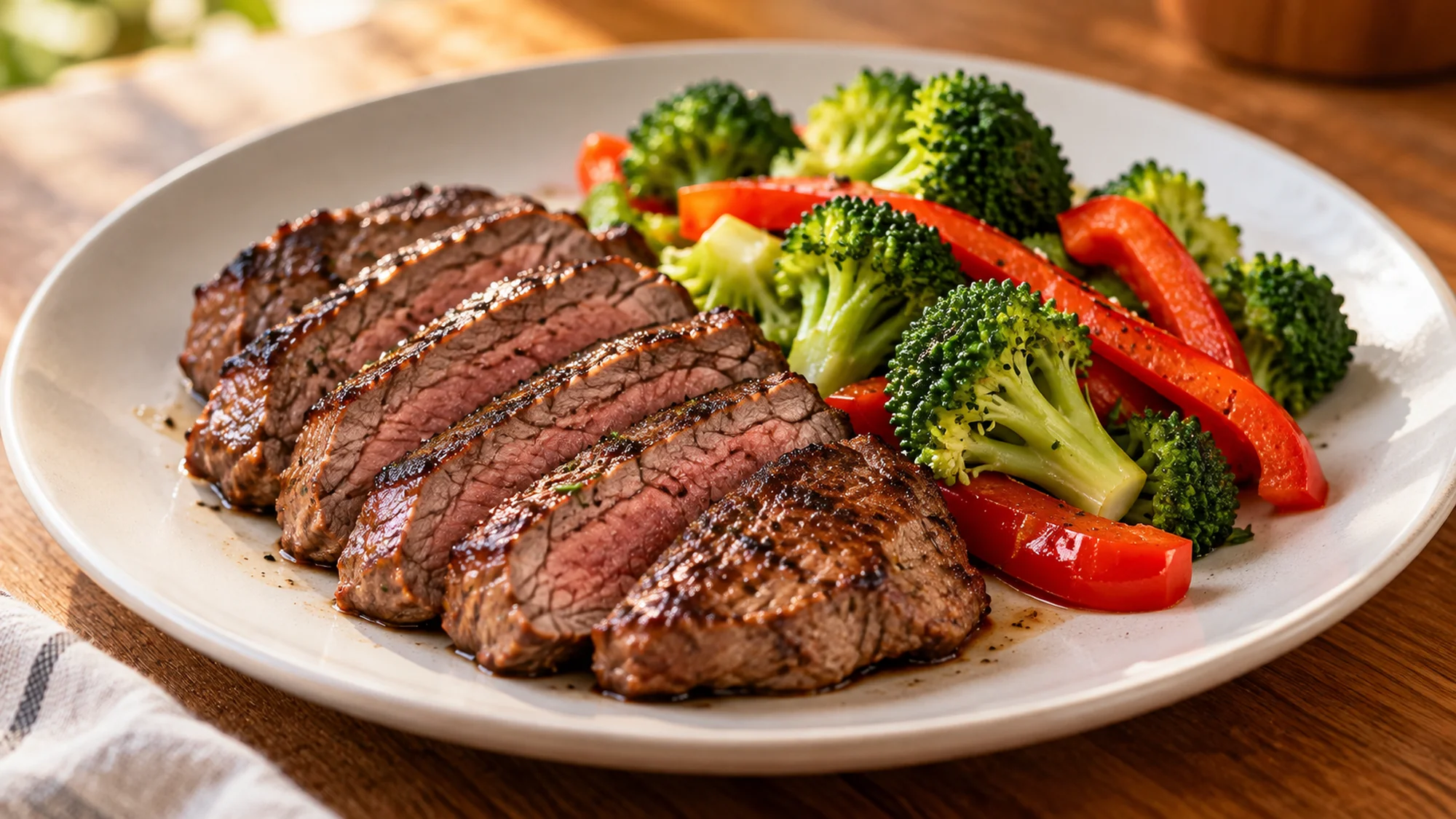
Read amounts in context, not as a competition
Iron requirements differ with age, life stage and other factors. Pregnancy, heavy menstrual bleeding and some medical conditions deserve individual guidance. A nutrition label helps compare products, but it cannot tell you whether your own iron stores are adequate.
Fortified cereal is a good example of why the exact label matters. Similar-looking cereals can contain different amounts. Compare the stated serving size and iron amount, then consider how much you normally pour rather than assuming every bowl supplies the same quantity.
- Compare cooked foods with cooked foods; dry and cooked weights contain different amounts of water.
- Check both portion size and iron content when comparing packaged products.
- Use several food groups rather than making one leafy vegetable carry the whole plan.
- Keep meals varied. More iron is not automatically better for everyone.
The NHS overview of dietary iron includes beans, nuts, dried fruit, red meat and fortified cereals among useful sources. You do not have to eat every example; choose options that match your budget, preferences and dietary needs.
Know when food changes are not enough
Persistent tiredness or breathlessness should not be self-diagnosed from a search result. Iron deficiency may involve inadequate intake, blood loss or difficulty absorbing iron. NHS Blood and Transplant emphasizes identifying the cause and following up with testing, not simply adding more iron-rich meals.
- Ask a clinician whether testing is appropriate if symptoms or risk factors concern you.
- Do not start high-dose iron supplements just because a food list seems too short.
- If iron treatment is prescribed, follow the plan and arrange the recommended follow-up.
- Keep iron supplements away from children; accidental ingestion can be dangerous.
Some foods and drinks affect absorption, but a complicated set of rigid meal rules is not the best starting point. Ask your clinician or dietitian about timing if you are treating deficiency, taking interacting medicines, or managing a condition such as iron overload. Food-based improvements support care; they do not replace it.
Bottom Line
The most useful iron providing foods are ones you can include consistently: beans or lentils, suitable animal foods if you eat them, and clearly labeled fortified products. Pair plant sources with vitamin C-rich foods, vary your meals, and use medical assessment—not guesswork—when deficiency is a concern.
The NHS Blood and Transplant Patient Blood Management England video below explains dietary iron in practical terms. Use it as general education alongside advice tailored to your own health.
Sources
- NIH Office of Dietary Supplements: Iron for consumers
- MedlinePlus: Iron in diet
- NHS: Iron
- NHS Blood and Transplant: Iron deficiency anaemia

Hi, I’m Emily Pocker! I share recipes and food guides here at Recipes360 to help you find everyday meal inspiration and feel more confident in the kitchen. My goal is to make cooking approachable, enjoyable, and full of flavor.