
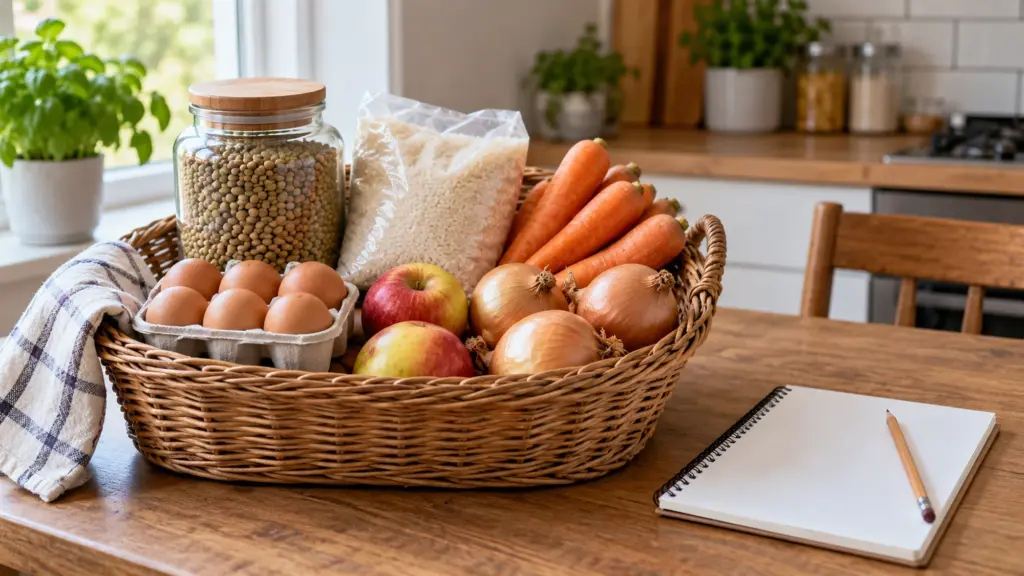
A grocery receipt can feel expensive even when the bags do not look especially full. Before cutting out foods you enjoy, look at what the bill actually covers, what gets eaten and what quietly goes unused. A smaller food bill starts with decisions you can repeat.
To reduce food spending, check what you already have, compare unit prices, buy amounts you will use and give leftovers a safe plan. Track your own receipts rather than relying on a promised savings percentage.
How to Reduce Food Spending: Start With Your Receipts
Separate groceries from restaurant meals, delivery fees and household items bought in the same store. This is a practical way to see which part of your spending you want to change. A large supermarket total that includes detergent is not an accurate picture of the cost of dinner.
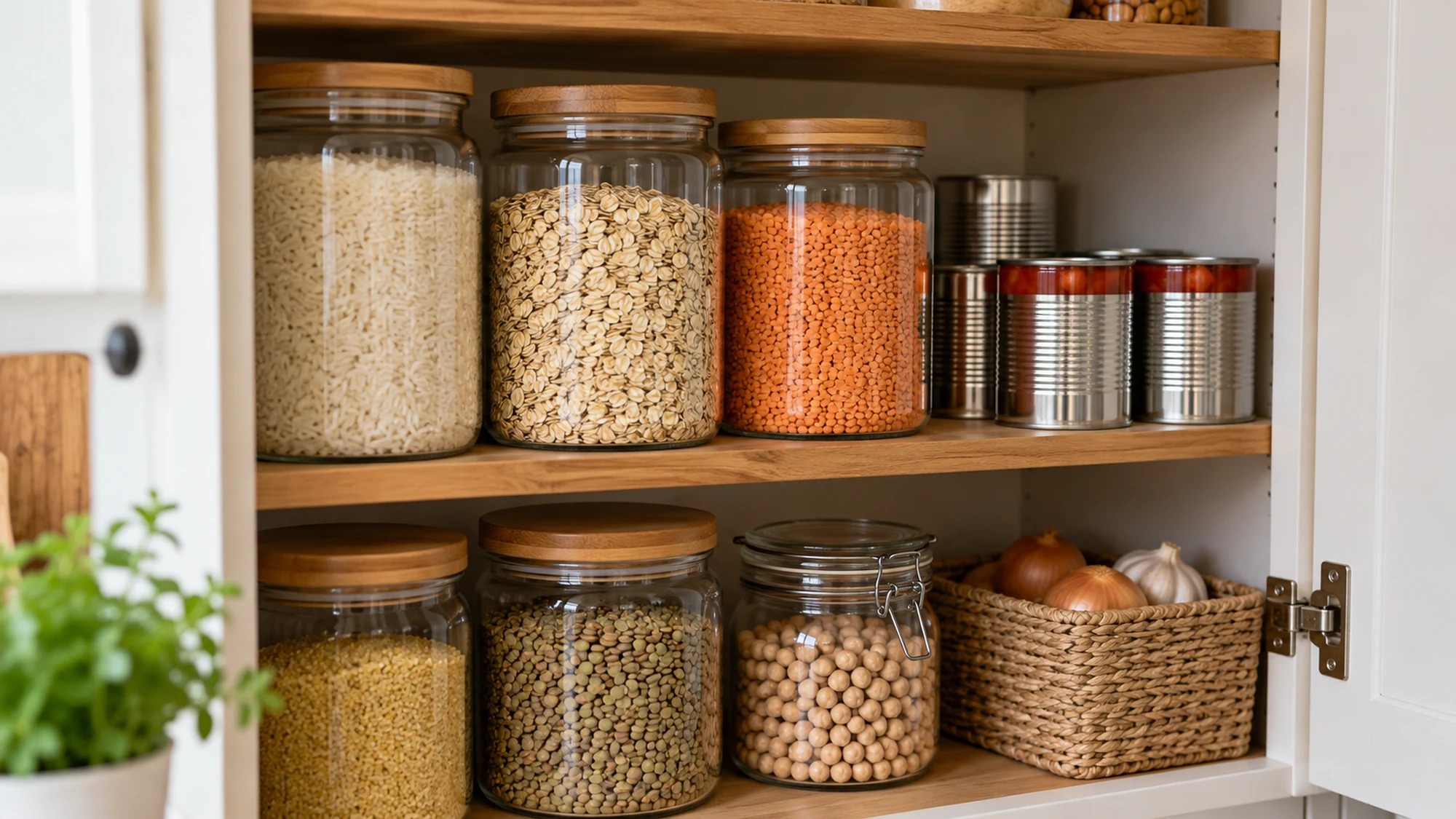
Then look inside the kitchen. EPA recommends checking the refrigerator, freezer and pantry before shopping. I’d begin with the food most likely to be forgotten: an opened bag of vegetables, half a container of yogurt or portions already waiting in the freezer.
- List what needs using before choosing new meals.
- Count the meals you expect to eat at home; leave room for actual plans.
- Choose one change to track, such as fewer duplicate purchases or less unused produce.
- Keep dietary needs and foods you can realistically prepare part of the budget.
Compare Unit Prices, Then Check the Usable Amount
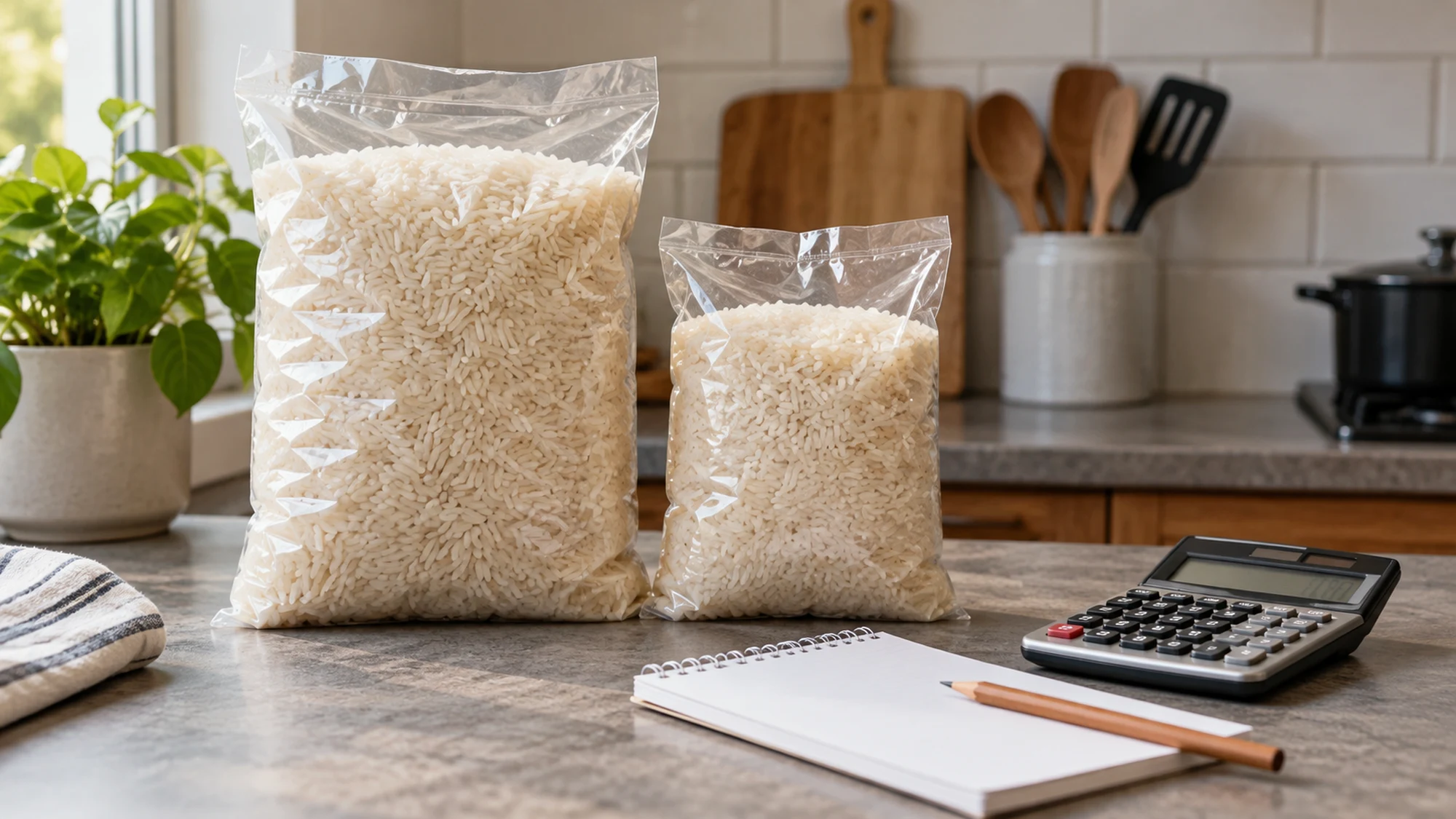
A cheaper package is not always cheaper per ounce, and a larger package is not automatically a better purchase. Utah State Extension recommends comparing unit prices and considering whether a larger package fits the budget and will be used. Compare the same units and similar products.
| Buying decision | Check first | A sensible reason to choose it |
|---|---|---|
| Larger package | Unit price and storage space | You will use or safely freeze it |
| Smaller package | Cost per amount actually eaten | Less is likely to go unused |
| Store brand | Comparable ingredients and unit price | It fits the same purpose for less |
| Sale or coupon | Final price and actual need | It replaces a planned purchase |
For a simple calculation, divide the price by the package weight when shelf labels do not give matching units. Keep ounces with ounces, or grams with grams. I’d also consider preparation time: a food that is inexpensive but never gets cooked is an awkward bargain.
Make the Shopping List Work in More Than One Meal
Choose overlapping ingredients rather than a long list of unrelated dishes. Utah State Extension suggests planning several uses for the same foods and checking coupons against the price of products you would otherwise buy. A discount has little value if the item was never wanted.
- Use a flexible base: rice, pasta, potatoes or another food your household enjoys can support different meals.
- Choose the form you need: frozen or canned produce can make sense when fresh quantities repeatedly go unused.
- Plan a second use: an ingredient for dinner might also belong in a lunch, soup or freezer portion.
- Keep one easy option: a manageable pantry meal may be more useful than an ambitious plan on a busy evening.
The site’s family meal planning guide focuses on organizing the week. Here, the money question is narrower: does each purchase have a realistic use? Swap the ingredient that is expensive locally rather than assuming one protein or vegetable is always the lowest-cost choice everywhere.
Protect What You Buy Without Compromising Safety
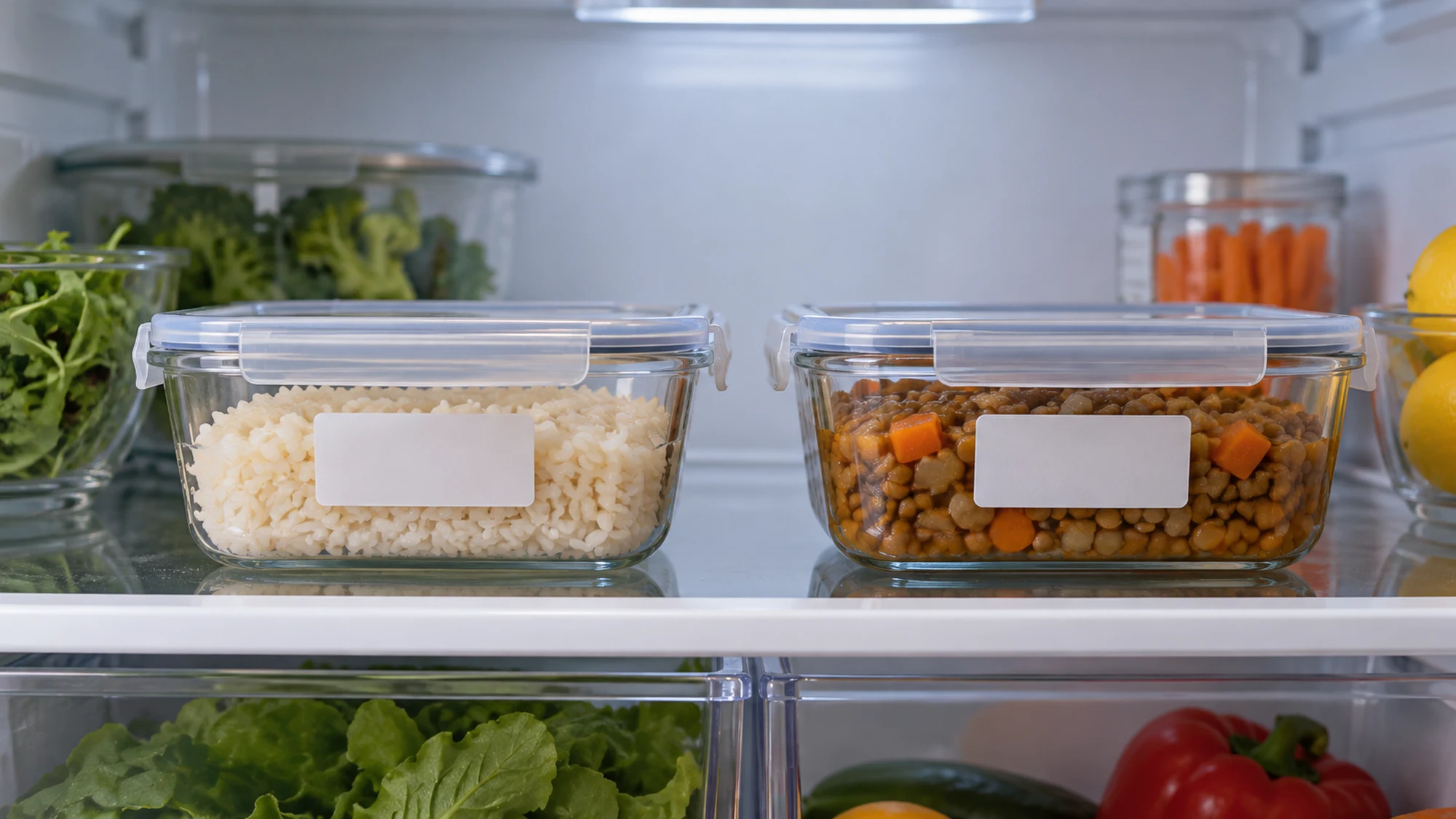
Reducing waste is useful only when the food remains safe. Follow FDA storage guidance: refrigerate perishables within two hours, or one hour above 90°F (32°C), and keep the refrigerator at or below 40°F (4°C). Plan cooling and storage when you plan the meal.
- Use small, covered containers for leftovers, and mark what they contain and when they were prepared.
- Freeze portions you will not eat in time, using food-specific storage guidance.
- Keep a short visible list of freezer meals so they do not disappear from the plan.
- Check food regularly, but remember that smell and appearance cannot prove it is safe.
Review the next receipt alongside what was actually eaten. Did a bigger package get used? Did the emergency dinner help? Keep the change that worked and adjust the one that did not. That small review is more informative than trying to copy another household’s exact weekly total.
Bottom Line
Spend deliberately on food you will eat: check supplies, compare like-for-like prices and plan safe storage. The most useful budget is one that fits your household, schedule and actual local prices.
USDA’s “Plan Ahead to Reduce Food Waste” reinforces the connection between a shopping list and buying only what you need.
Sources
- EPA: Preventing Wasted Food at Home
- Utah State Extension: Making a Food Budget
- Utah State Extension: Saving on Groceries
- FDA: Safe Food Storage
- FDA: Reducing Waste While Maintaining Safety
- USDA: Consumer Food-Waste Guidance and Videos

Hi, I’m Emily Pocker! I share recipes and food guides here at Recipes360 to help you find everyday meal inspiration and feel more confident in the kitchen. My goal is to make cooking approachable, enjoyable, and full of flavor.