
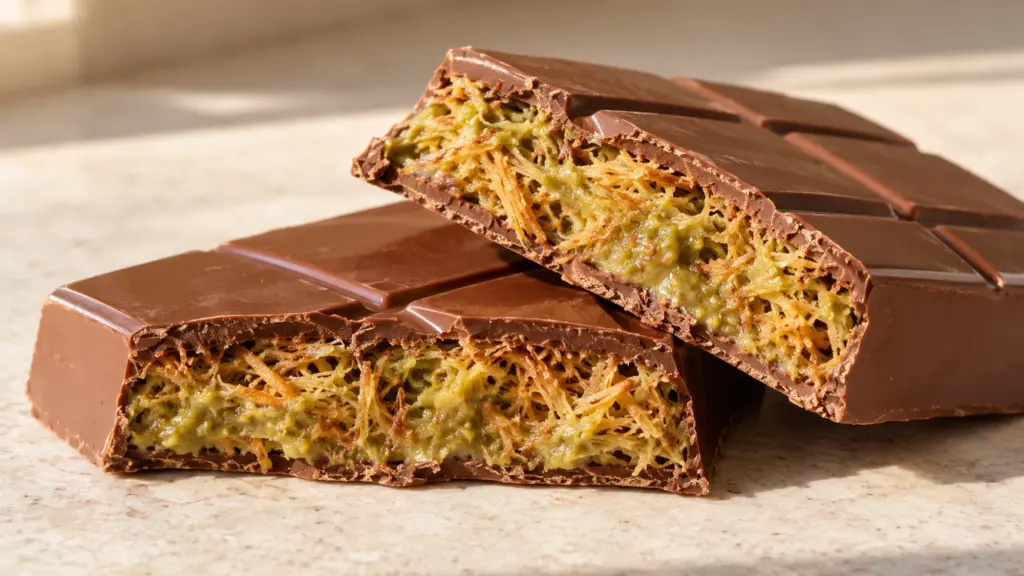
The appeal of a Dubai chocolate bar is the contrast inside the shell: crisp toasted pastry strands held together by sweet pistachio cream. This homemade version uses milk chocolate, butter-toasted kataifi, and a little tahini. The filling should stay textured rather than blend into a smooth nut spread, so give the pastry its own attention before the chocolate work begins.
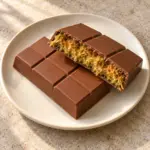
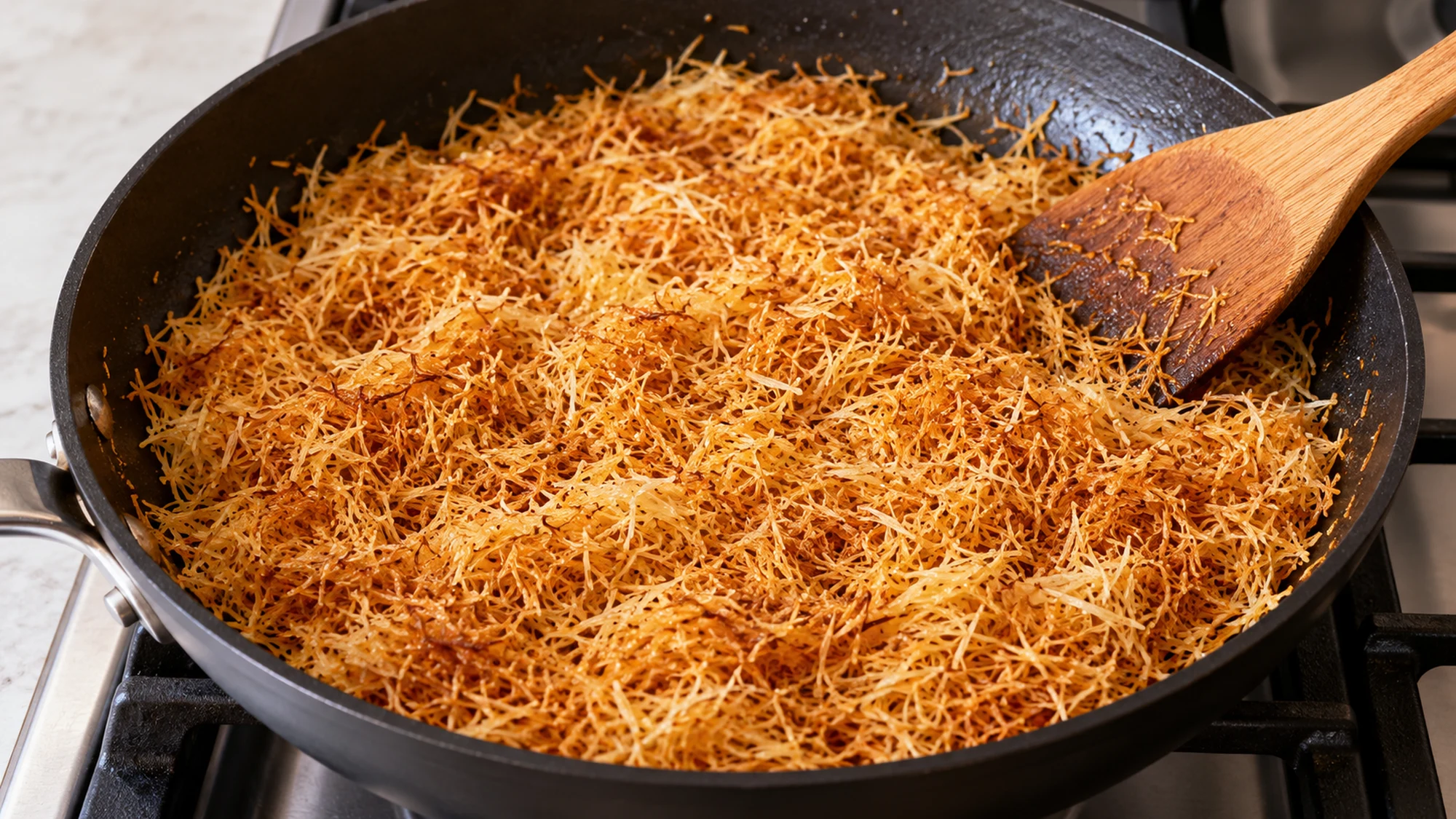
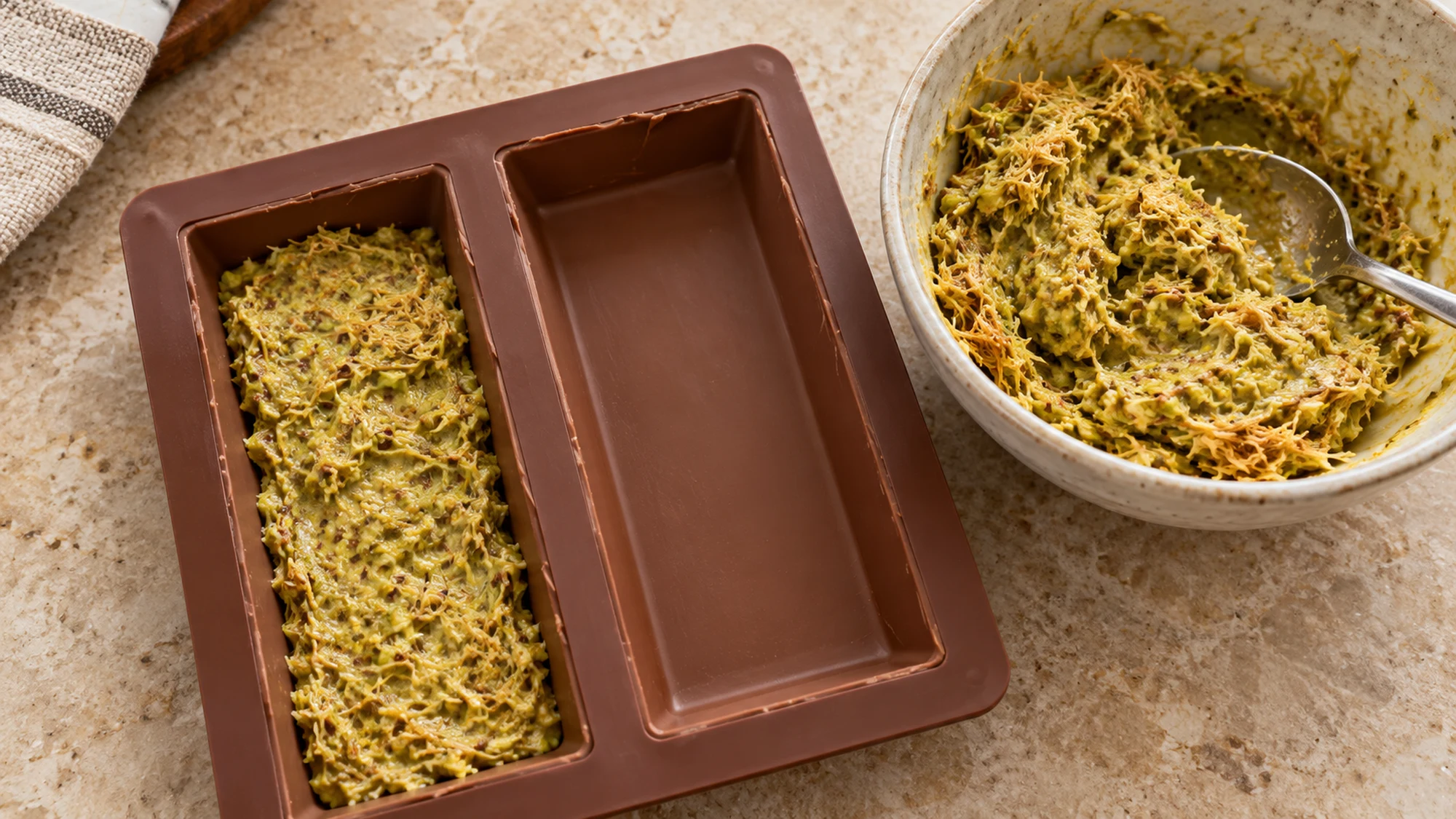
Toast the kataifi until evenly golden and crisp, then let it cool before mixing with pistachio cream. Coat the molds, add the textured filling, and leave room for a chocolate layer that seals the bars.
Serving Suggestions for a Dubai Chocolate Bar
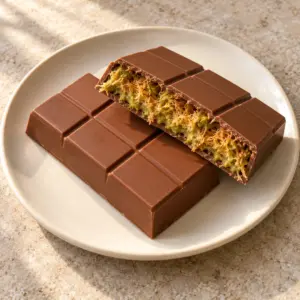
Cut the bars into small pieces with a clean, slightly warm knife, wiping between cuts. I’d start with two pieces per person: the combination of chocolate, sweet spread, and pastry is rich, and a small portion shows the layers clearly. Let a refrigerated bar stand briefly before cutting if the shell is so firm that it shatters under the knife.
- Serve on a dry plate and keep the pieces away from direct sun or a hot serving area.
- Offer unsweetened coffee or tea alongside if you like a contrast to the sweet filling.
- For a different chocolate dessert on a shared table, Recipes360’s chocolate strawberry yogurt clusters add a cold fruit-and-yogurt option; their storage needs differ from these bars.
- Use a shallow airtight container for transporting the pieces and separate layers with parchment so the chocolate surfaces do not rub together.
| Component | Role | Check before assembly |
|---|---|---|
| Milk chocolate | Encloses the filling | Melt gently in dry equipment |
| Toasted kataifi | Provides the crunch | Evenly golden and cooled |
| Pistachio cream with tahini | Binds and flavors | Sweetened cream, stirred smooth |
Small pieces make the contrast easier to enjoy. Keep the plate dry and the bars cool enough to handle cleanly.
Variations and Getting the Crunch Right
Kataifi is shredded phyllo pastry, not a type of noodle. Athens Foods describes its kataifi as fine pastry strands; the distinctive texture here comes from toasting those strands before they meet the cream. I’d spend the extra minutes stirring the pan evenly rather than let a few dark patches persuade you the entire batch is ready.
- Use sweetened pistachio cream for this formula. Pure pistachio butter has a different sugar and fat balance, so it needs its own recipe adjustment.
- Dark chocolate can make the shell less sweet, but its melting and working temperatures differ. The card’s estimate uses milk chocolate.
- Tahini contributes sesame flavor and helps balance the sweet cream. Leaving it out changes the flavor and filling consistency.
- Keep water and steam out of the chocolate bowl. A small splash can make melting chocolate turn thick and grainy.
- Let the toasted pastry cool before mixing. Hot filling can soften a newly set shell and make assembly messier.
This recipe sets gently melted chocolate in the refrigerator. A controlled tempering process gives a more stable snap and shine at room temperature, as Callebaut’s tempering guidance explains, but requires attention to the specific chocolate’s working temperatures. With the refrigerated approach, expect softer handling as the bars warm and bring out only what you intend to serve.
Crisp, cooled pastry is the foundation of the filling. Choose a sweetened pistachio cream, keep the chocolate equipment dry, and allow each shell layer to firm before adding the next.
Health Benefits and Portion Perspective
Pistachios and sesame contribute some protein and fiber, but the chocolate and sweetened cream make this a sweet dessert with meaningful sugar and saturated fat. There is no need to turn the nut filling into a health promise. The estimate counts the full chocolate shell and filling, rather than borrowing numbers from plain pistachios.
- Check the cream label closely. Pistacchi Grassia’s sweetened pistachio cream illustrates how different a prepared spread is from a jar of pure ground nuts.
- The estimated serving is two of sixteen pieces, or one eighth of the total recipe. Cutting larger pieces changes the portion.
- Contains milk, wheat, pistachio and sesame. Chocolate and spreads may contain soy or other allergens; inspect the actual packages.
- Follow the storage directions for your selected pastry and cream before preparation, including any thawing instructions for frozen kataifi.
Keep the finished bars covered in the refrigerator and use within three days. Remove only the portions needed and keep them away from strong refrigerator odors. Refrigeration can affect chocolate’s surface appearance, so let a closed container warm slightly before opening if condensation is likely.
Enjoy the bar as a portioned dessert, with labels checked for allergens and the sweetened spread included in the estimate. Keep storage conservative and the presentation simple.
Bottom Line
A Dubai chocolate bar depends on a crisp pastry filling as much as its chocolate shell. Toast evenly, cool the filling, and seal the molds without overfilling. Cut into small pieces and serve while the chocolate is comfortably firm.
Dubai Chocolate Bar Recipe

Ingredients
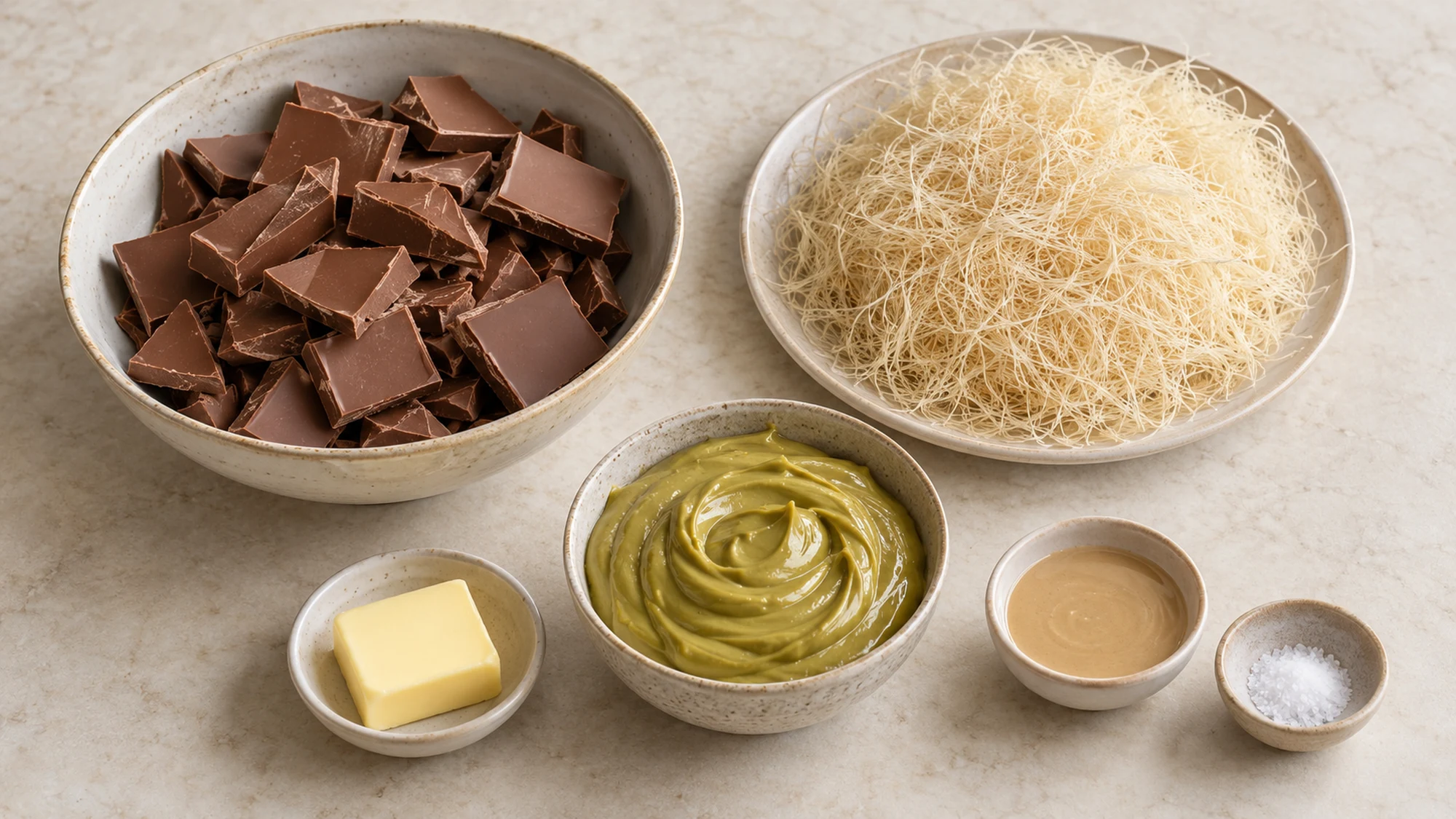
- 300 g milk chocolate finely chopped; divided
- 120 g kataifi pastry thawed as directed if frozen; cut into short strands
- 20 g unsalted butter
- 140 g sweetened pistachio cream not pure unsweetened pistachio butter
- 20 g tahini stirred smooth
- 1/8 teaspoon fine salt 0.75 g
Equipment
- 2 deep silicone chocolate-bar molds at least 700 ml combined usable capacity; set on a tray
- Large skillet
- Dry microwave-safe bowl
- Silicone spatula
- Kitchen scale
- Knife and parchment
Instructions
- Melt the butter in a large skillet over medium heat. Add the short kataifi strands and cook, stirring frequently, for 8–12 minutes until evenly golden and crisp. Reduce heat if patches brown too quickly. Transfer to a bowl and cool for about 10 minutes.
- Stir the pistachio cream, tahini and salt together, then fold in the cooled toasted kataifi. Keep the strands textured rather than blending them.
- Put the chocolate in a completely dry microwave-safe bowl. Heat in 20-second bursts at medium power, stirring after each, until just melted and smooth. Avoid overheating or adding water. This recipe uses refrigeration to set the chocolate.
- Use about two thirds of the chocolate to coat the bottoms and sides of the two molds, sharing it evenly. Set the molds on a tray and refrigerate for 10–15 minutes until the shells are firm.
- Divide the filling between the shells, pressing gently into the corners without breaking the shell. Keep the filling below the rim so the chocolate cap can seal to the sides.
- Gently rewarm the reserved chocolate if needed, then spread it over the filling to seal each bar. Refrigerate for 25–30 minutes or until completely firm. Unmold carefully.
- Cut each bar into 8 pieces with a clean knife. Serve 2 pieces per portion. Keep covered in the refrigerator and bring out only the amount needed; the shell softens as it warms.
Nutrition
Video
Notes
Tried this recipe?
Let us know how it turned out!Hi, I’m Emily Pocker! I share recipes and food guides here at Recipes360 to help you find everyday meal inspiration and feel more confident in the kitchen. My goal is to make cooking approachable, enjoyable, and full of flavor.