
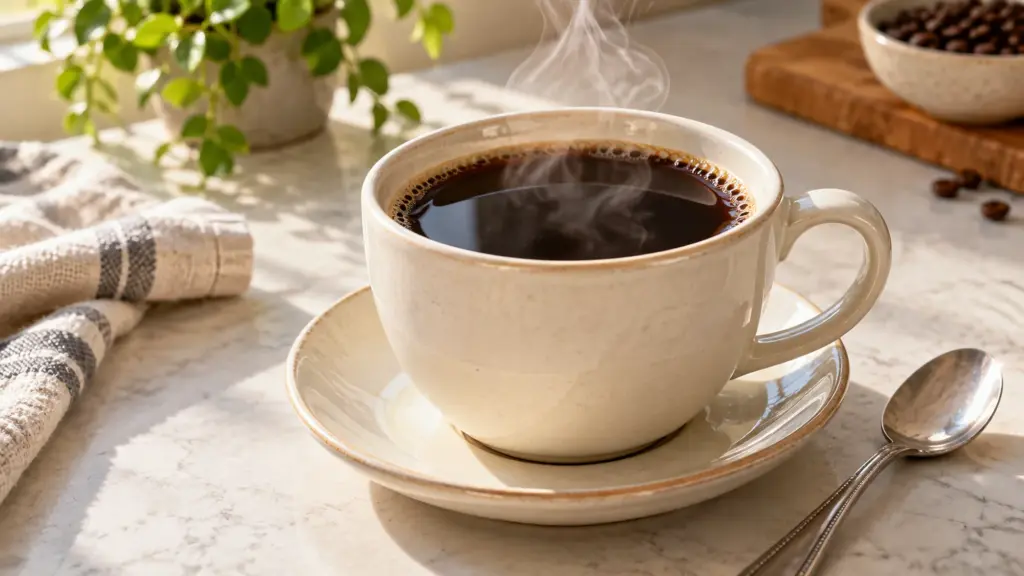
The smell of coffee can be comforting even when you want much less caffeine. If you are searching for decaf coffee for pregnant woman, the practical answer is that decaf can reduce caffeine intake, but the label does not mean zero. The size of the drink and everything else you consume still matter.
Choose decaf for the coffee flavor, then count its remaining caffeine along with other sources. Pregnancy guidance is about the whole day, not a special allowance for each drink.
Decaf coffee for pregnant woman: start with the daily limit
The American College of Obstetricians and Gynecologists advises keeping caffeine below 200 milligrams per day during pregnancy. This is general guidance, not a guarantee about an individual pregnancy; your obstetric clinician may recommend a different approach for your circumstances.
I’d start with a familiar, modest cup rather than try to calculate the largest possible order. A daily limit is not a target to reach, and a drink you comfortably enjoy is more useful than one that leaves you uneasy about the numbers.
- Count coffee, tea, chocolate and other caffeinated foods or drinks together.
- Include caffeine in medicines or supplements; ask a pharmacist if the ingredient list is unclear.
- Follow your pregnancy care team’s advice if it is more restrictive.
How much caffeine is left in decaf?
The FDA gives a typical range of 2–15 milligrams for an 8-fluid-ounce cup of decaf coffee. That is a range, not a promise for every brand, brewing method or café order. An oversized mug can hold considerably more than one reference cup.
Here is the distinction I would keep on a kitchen note. Ask for product-specific caffeine information when available instead of assuming that every brown drink follows the same rule.
| Drink choice | What to check | Useful distinction |
|---|---|---|
| Decaf brewed coffee | Caffeine per actual serving | Lower caffeine, not necessarily zero |
| Decaf espresso drink | Number of shots and caffeine per shot | Cup volume includes milk or water |
| Half-caf coffee | Blend and serving size | Contains regular coffee as well |
| Caffeine-free drink | Ingredients and pregnancy suitability | Not the same label as decaf |
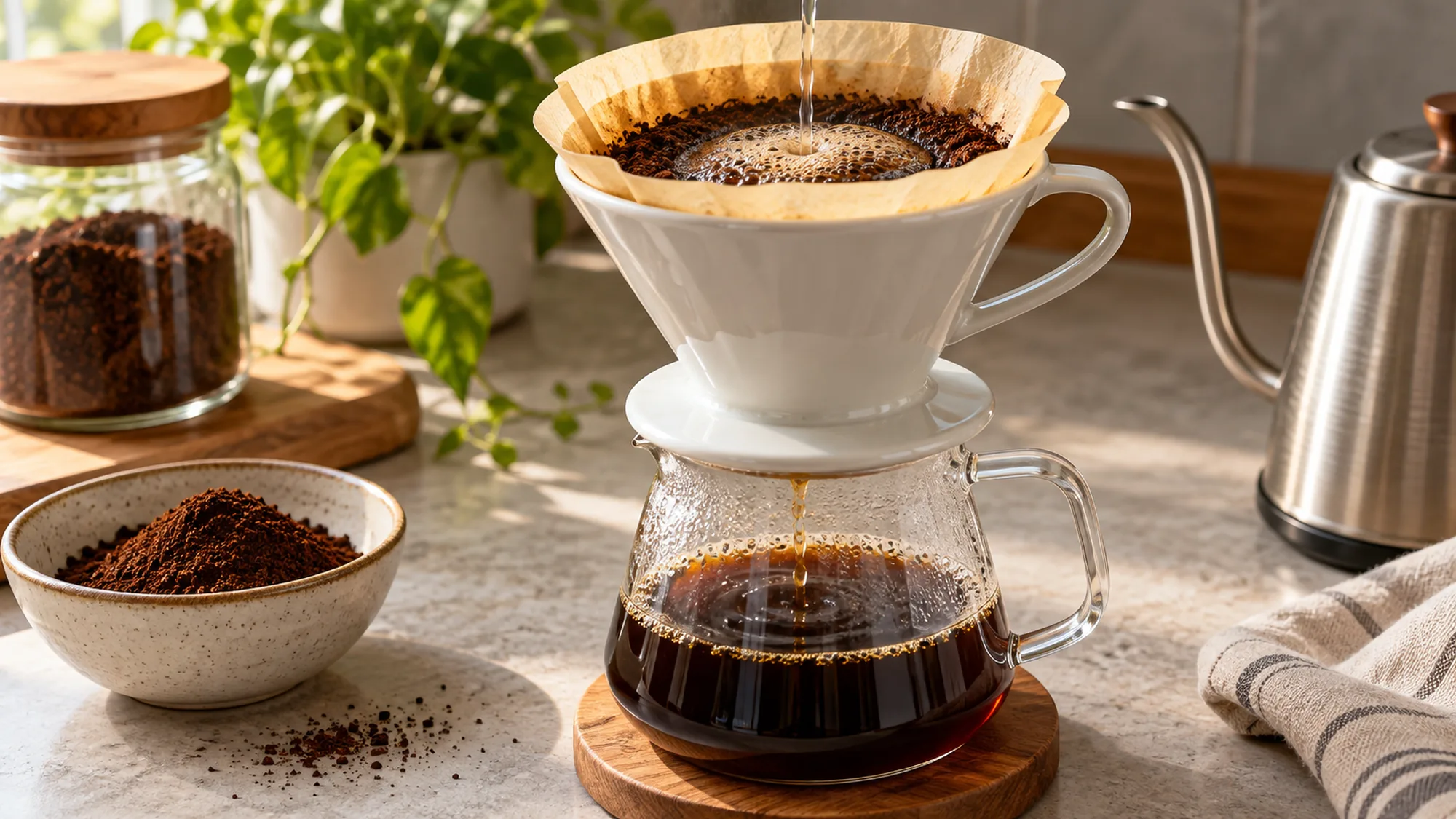
Make ordering and brewing less confusing
At a café, say decaf explicitly and confirm the number of espresso shots. Adding milk does not remove caffeine from the coffee already in the cup; it changes the drink’s volume and flavor. At home, keep the decaf bag separate from regular beans so an early-morning scoop does not become a guessing game.
For flavor, I’d choose the roast and brewing style you actually like rather than treat decaf as a medicinal drink. Freshly opened coffee, clean equipment and the maker’s brewing directions are sensible starting points; there is no need to make the cup stronger just because it is decaffeinated.
- Use a consistent mug so you know what one serving means in your kitchen.
- Check a café’s current nutrition information instead of reusing numbers for a different drink size.
- Keep track of refills, including the small top-ups that are easy to overlook.
- If you switch to tea, remember that decaf green tea also needs a caffeine check.
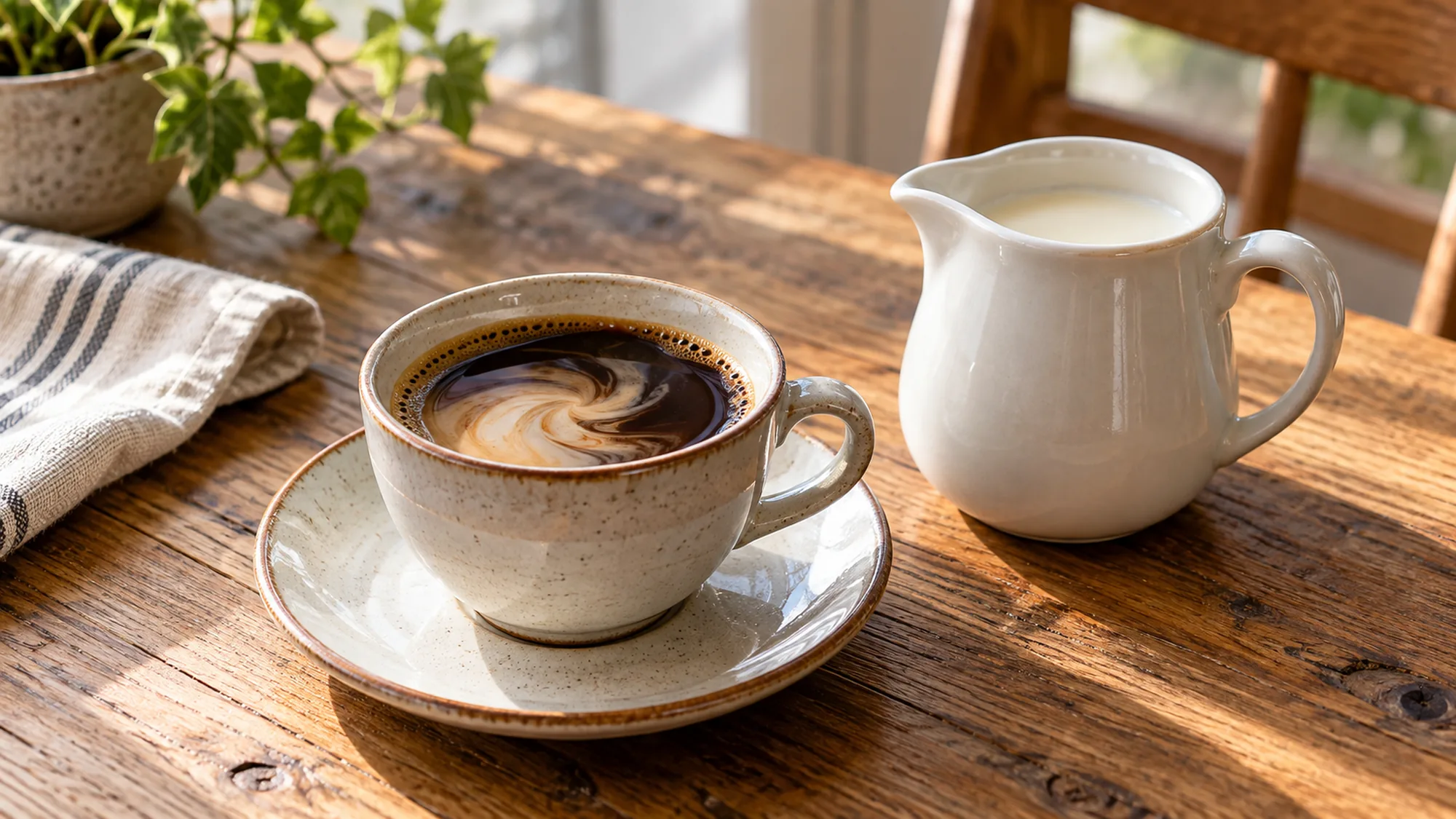
When a different drink or personal advice makes sense
A low caffeine number does not require you to keep drinking something that feels unpleasant. If coffee seems to worsen nausea, interfere with sleep or cause uncomfortable symptoms, discuss it with your care team. You can choose water or another suitable drink without finding a perfect coffee replacement.
Avoid assuming that an herbal blend is appropriate in pregnancy simply because it is caffeine-free. Review unfamiliar ingredients with your clinician, especially concentrated products and supplements. Likewise, a general adult caffeine guideline is not the pregnancy guideline.
- Bring the product name, serving size and usual daily amount to an appointment.
- If you have been drinking much more caffeine, ask about a comfortable reduction plan rather than making assumptions about your needs.
- If you accidentally have regular coffee, note what and how much you drank; contact your clinician for individualized advice if concerned.
Bottom Line
Decaf can keep the familiar aroma and flavor while reducing caffeine. Choose a manageable serving, include its remaining caffeine in the daily total and let your pregnancy care team guide individual limits.
For background on how decaf is made, James Hoffmann explains decaffeination and residual caffeine below. This coffee discussion is not pregnancy-specific medical advice.
Sources

Hi, I’m Emily Pocker! I share recipes and food guides here at Recipes360 to help you find everyday meal inspiration and feel more confident in the kitchen. My goal is to make cooking approachable, enjoyable, and full of flavor.