

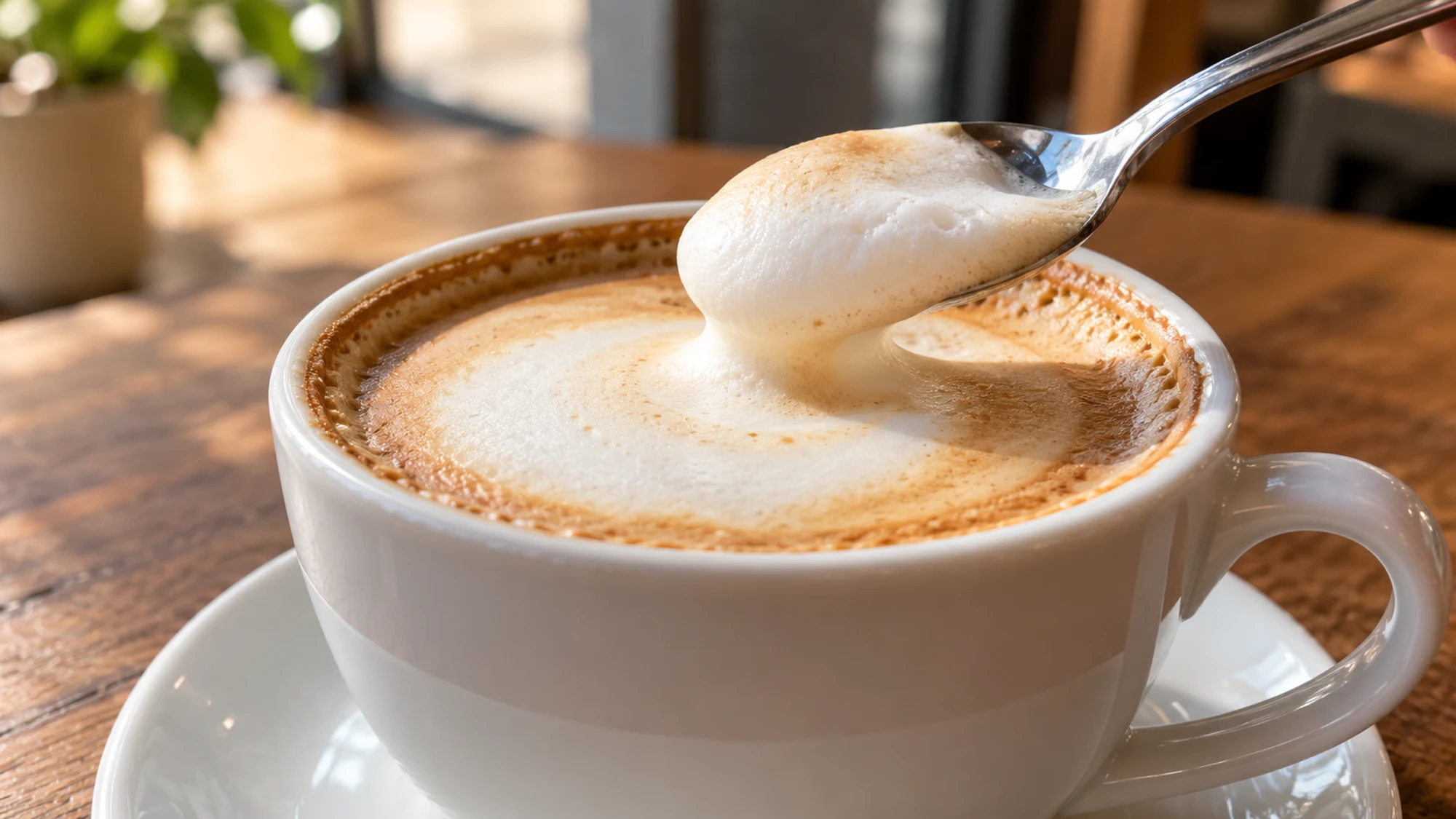
The menu gives you two familiar names, but the choice is really about what you want around the espresso. In a cappuccino vs latte comparison, a cappuccino generally has a more prominent foam layer and less liquid milk. A latte usually gives you a larger, milkier drink with a thinner foam finish.
Choose a cappuccino for a foam-forward drink with a more pronounced coffee impression. Choose a latte when you want more steamed milk and a smoother, milkier balance. Ask about cup size and espresso shots when comparing a particular café’s versions.
Cappuccino vs latte: the useful differences
Both start with espresso and milk, but the balance changes the experience. Nespresso’s comparison describes a thicker foam layer for cappuccino and more steamed milk with a thinner foam layer for latte. The names give you a starting point; they do not replace the café’s own description.
| Detail | Cappuccino | Latte |
|---|---|---|
| Milk balance | Generally less liquid milk | Generally more liquid milk |
| Foam | More prominent | Thinner finish |
| Typical impression | Coffee stands out more | Milkier and smoother |
| Size to check | Often the smaller option | Often the larger option |
| Espresso shots | Ask the café | Ask the café |
I’d start with texture when deciding between them. If you enjoy the airy first sip, cappuccino is the more obvious direction. If you want coffee softened by a generous amount of milk, a latte makes sense. Neither choice needs to win an argument to be worth ordering.
Why a ratio cannot describe every cup
Classic diagrams can be useful, but a café’s cup, espresso dose and milk technique determine the drink you actually receive. Illy’s cappuccino instructions, for example, specify their own espresso and milk quantities and a target increase in milk volume. That is a particular preparation, not permission to treat every menu as identical.
- Ask which size the café uses for its standard cappuccino.
- Check whether a larger size changes the espresso shot count or mainly adds milk.
- Describe the texture you like instead of relying only on a familiar name.
- If comparing two drinks, keep the milk choice and added flavorings the same.
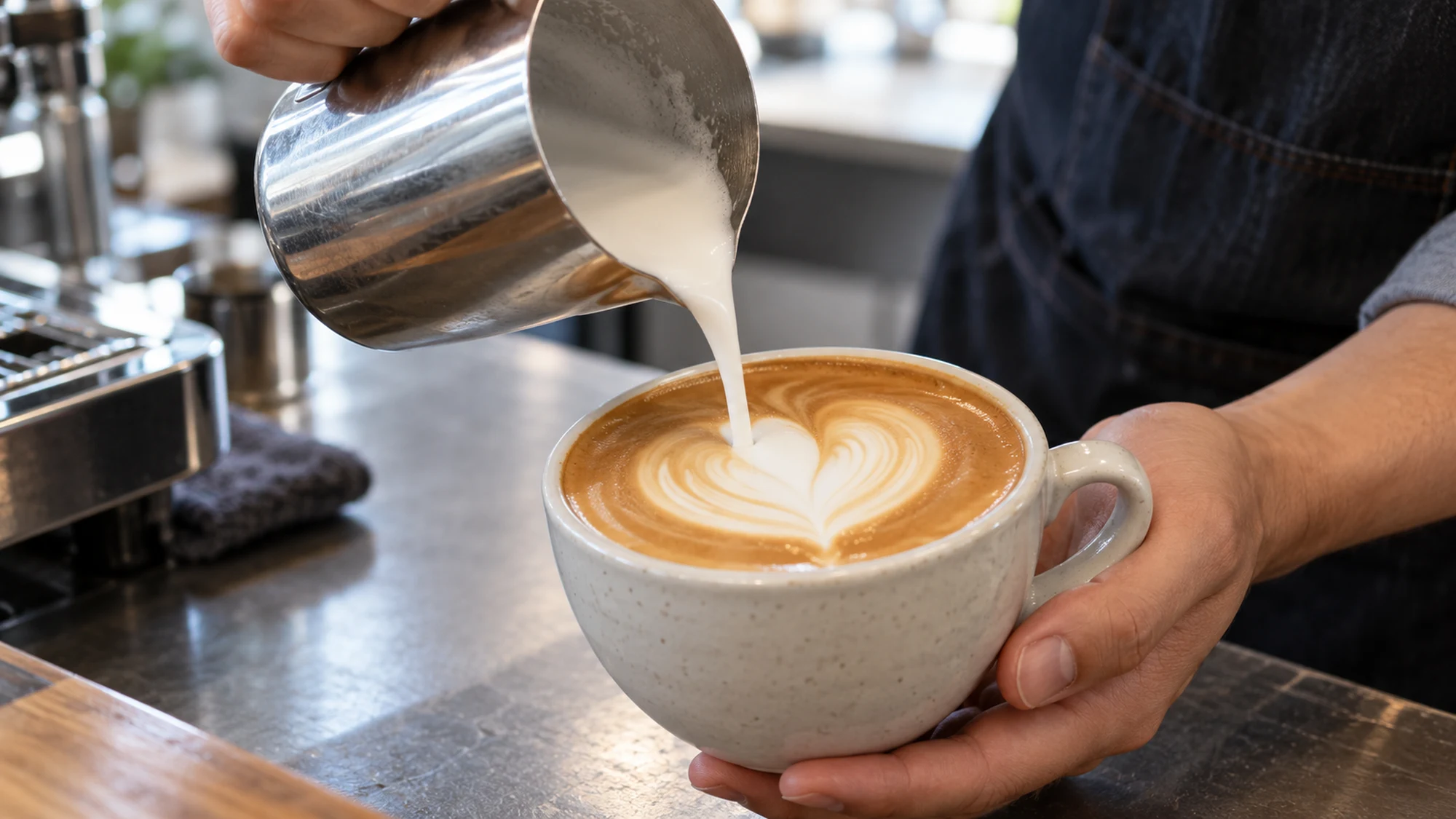
- Treat latte art as decoration and technique, rather than proof of a precise milk ratio.
This is especially helpful when a cappuccino from one shop tastes milkier than a latte from another. The words may be familiar while the serving sizes differ. I’d rather ask one practical question at the counter than expect a diagram to settle what is in the cup.
Coffee strength, caffeine and sweetness
A stronger coffee impression is not the same measurement as more caffeine. If two drinks contain the same espresso preparation, adding more milk changes the concentration and taste without removing that espresso’s caffeine. Ask about the coffee base and shot count rather than using the foam layer as a caffeine guide.
- For caffeine information: Use the café’s product information for the size you order.
- For a less sweet drink: Ask whether syrups or sweetened toppings are included.
- For a fair nutrition comparison: Match cup size, milk and flavor additions.
- For decaf: Ask for it explicitly rather than assuming a milkier drink contains less caffeine.
The FDA notes that caffeine content varies and that decaffeinated coffee is not necessarily caffeine-free. Avoid attaching a universal caffeine figure to either drink name. Similarly, a plain latte and one with several syrup additions are different orders even when the menu groups them together.
Milk choices, iced versions and safe handling
Cow’s milk makes these dairy drinks, and FDA allergen guidance identifies milk as a major allergen. A plant-based option requires its own ingredient check; soy, nut ingredients or other allergens may matter. Tell the café about an allergy and ask about shared equipment rather than assuming a substitution settles everything.
- Choose a milk option you enjoy, then ask how it changes the café’s usual texture.
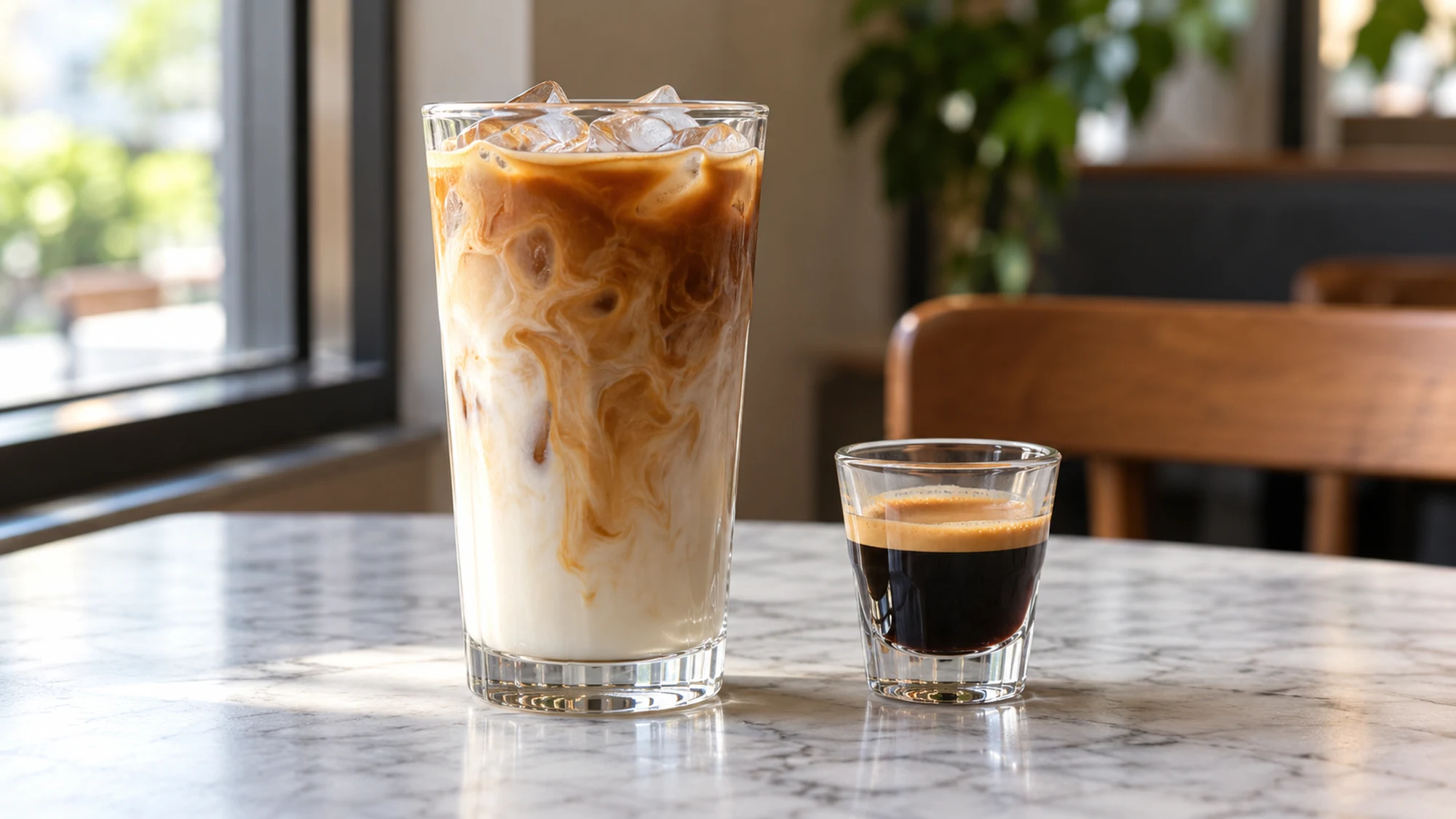
- For iced coffee, read the specific menu description; an iced latte is not simply a hot foam comparison poured over ice.
- At home, follow your machine’s instructions and take care around hot steam and milk.
- Keep unused milk refrigerated and avoid leaving a milk-based drink sitting out for an extended period.
For home storage, the FDA recommends a refrigerator at 40°F (4°C) or below and prompt chilling of perishable food. Ordering coffee does not require a complicated rulebook, but milk still needs ordinary cold handling. Flavor is the enjoyable decision; safe storage should be routine.
Bottom Line
For cappuccino vs latte, begin with foam and milk balance, then check the café’s size and espresso shots. Cappuccino generally puts foam and coffee forward; latte generally offers more milk. Order for the texture you enjoy, with allergens and additions checked separately.
Sources
- Nespresso: Cappuccino vs Latte
- Illy: Cappuccino preparation and latte differences
- FDA: Caffeine information
- FDA: Food Allergies
- FDA: Refrigerator Thermometers

Hi, I’m Emily Pocker! I share recipes and food guides here at Recipes360 to help you find everyday meal inspiration and feel more confident in the kitchen. My goal is to make cooking approachable, enjoyable, and full of flavor.