
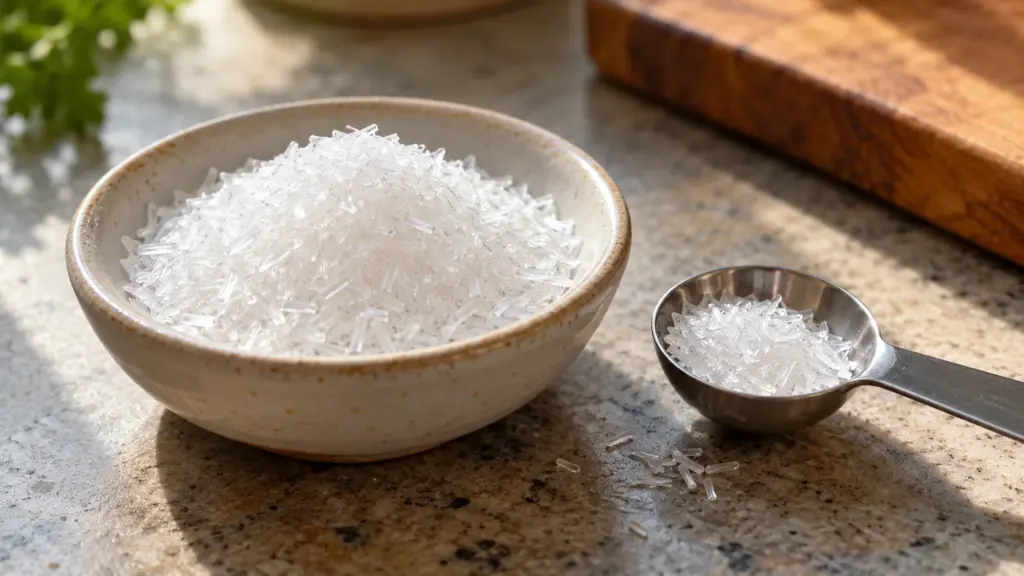
A shaker of accent seasoning can look like salt, yet its purpose is different. Original Ac’cent Flavor Enhancer is monosodium glutamate, usually shortened to MSG. It adds savory depth rather than garlic, pepper, heat or a whole blend of spices.
Accent seasoning is a brand-name MSG product used to enhance savory foods. Original Ac’cent lists monosodium glutamate as its ingredient. Start sparingly, taste the complete dish and keep salt decisions separate; it is neither a cure-all for bland food nor a reason for fear.
What Is in Accent Seasoning?
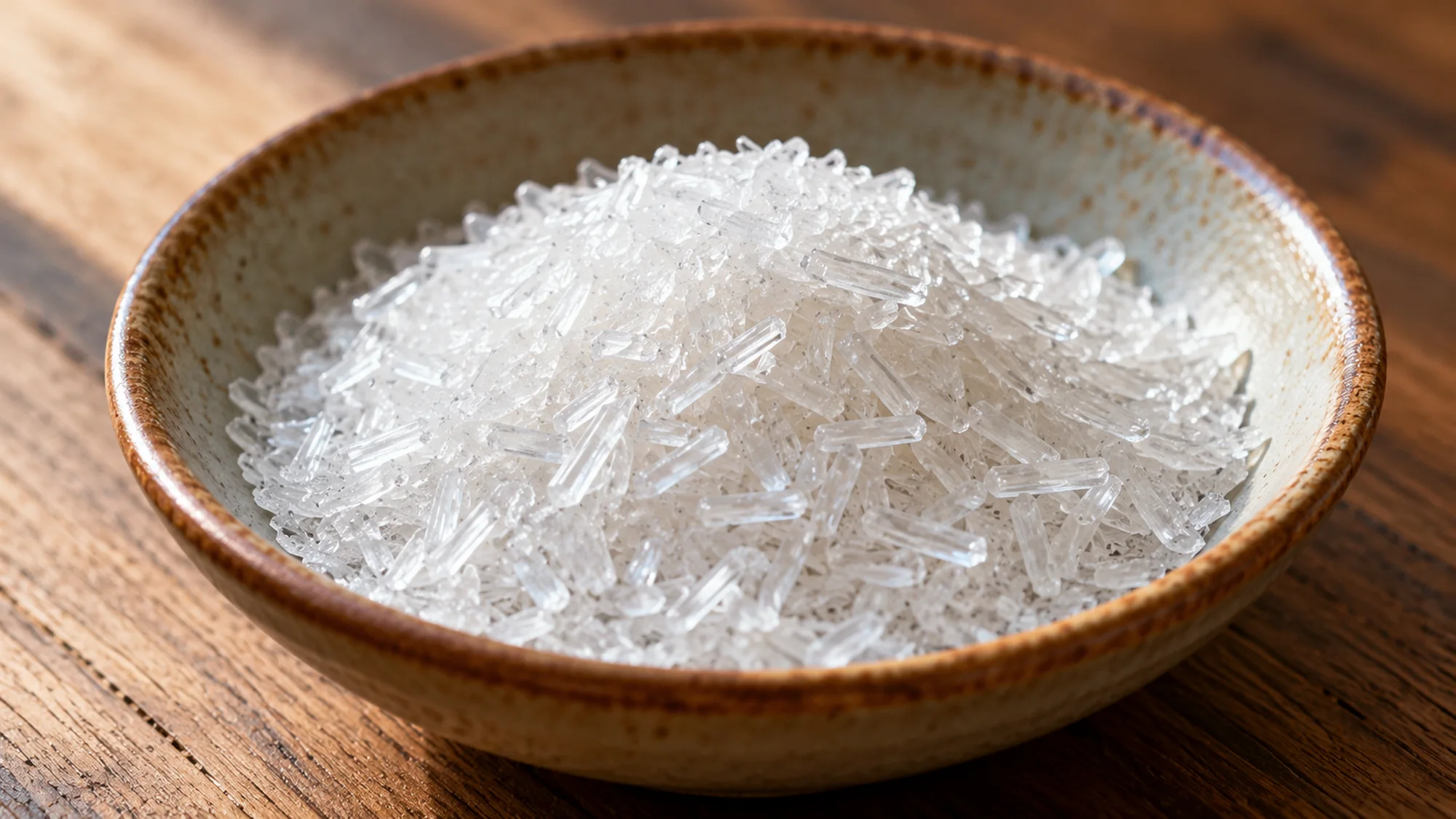
The manufacturer’s Original Ac’cent Flavor Enhancer page identifies one ingredient: monosodium glutamate. Its product FAQ describes a slightly salty, broth-like taste and recommends savory uses such as soups, vegetables, rice and meat dishes. Check the container you actually buy because product names and formulations can change.
Umami is the savory taste associated with glutamate. Think of the depth in a tomato-rich sauce or a broth, rather than the aroma of a dried herb. I’d use that distinction when a dish seems thin in savory flavor but already has enough garlic or chili.
- Original product: MSG, rather than an all-purpose herb-and-spice mixture.
- Salt blends: Products that combine MSG with salt need their own label and serving directions.
- Brand versus ingredient: Ac’cent is a brand; MSG is the ingredient name to recognize on labels.
Choose the Seasoning for the Missing Flavor
A dish can need several different adjustments. More MSG does not supply the aroma of an onion, the sourness of lemon or the heat of pepper. The useful question is what the food lacks, then which ingredient can supply it.
| Ingredient | What it contributes | What to check |
|---|---|---|
| Original Ac’cent | MSG for savory depth | Ingredient list and amount used |
| Table salt | Saltiness | Total sodium and other salty ingredients |
| Garlic powder | Garlic flavor | Plain powder versus salted blend |
| Soy sauce | A liquid savory seasoning | Sodium, soy and possible wheat |
| Parmesan | Savory flavor and cheese texture | Milk allergen and salt |
Health Canada’s glutamate guidance explains that adding excessive MSG does not continue improving a food’s flavor. It recommends using the smallest amount needed. That is useful kitchen advice: season the food in front of you rather than chase a more-is-better rule.
How to Use a Small Amount Thoughtfully
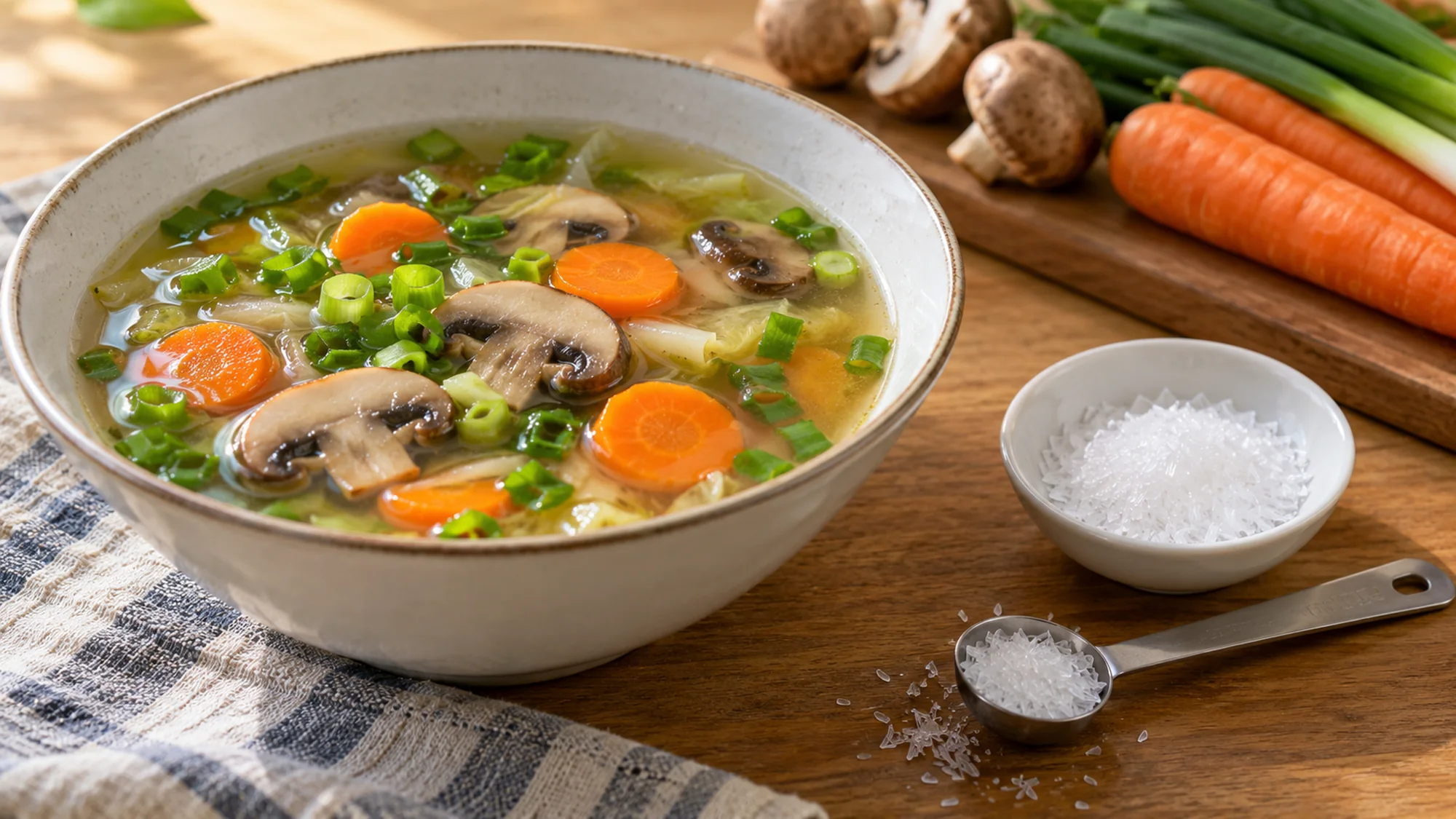
Follow the directions on your package or in a recipe written for MSG. When improvising, add a small measured amount to a savory dish, mix and taste. Keep track of the starting amount so you can repeat a result you enjoy instead of relying on an invisible shake.
I’d begin with a simple vegetable soup or rice dish where the change is easier to notice. Taste before adding anything if you are using packaged broth, bouillon or a seasoning blend: those ingredients may already provide glutamate and considerable salt.
- Adjust one thing at a time: Add MSG, mix, then decide whether salt or acidity still needs attention.
- Remember sodium: MSG contains sodium. A lower-sodium ingredient does not reduce the sodium of a meal if you simply add it on top of the existing salt.
- Keep it culinary: Use it to season food rather than swallowing a large amount by itself.
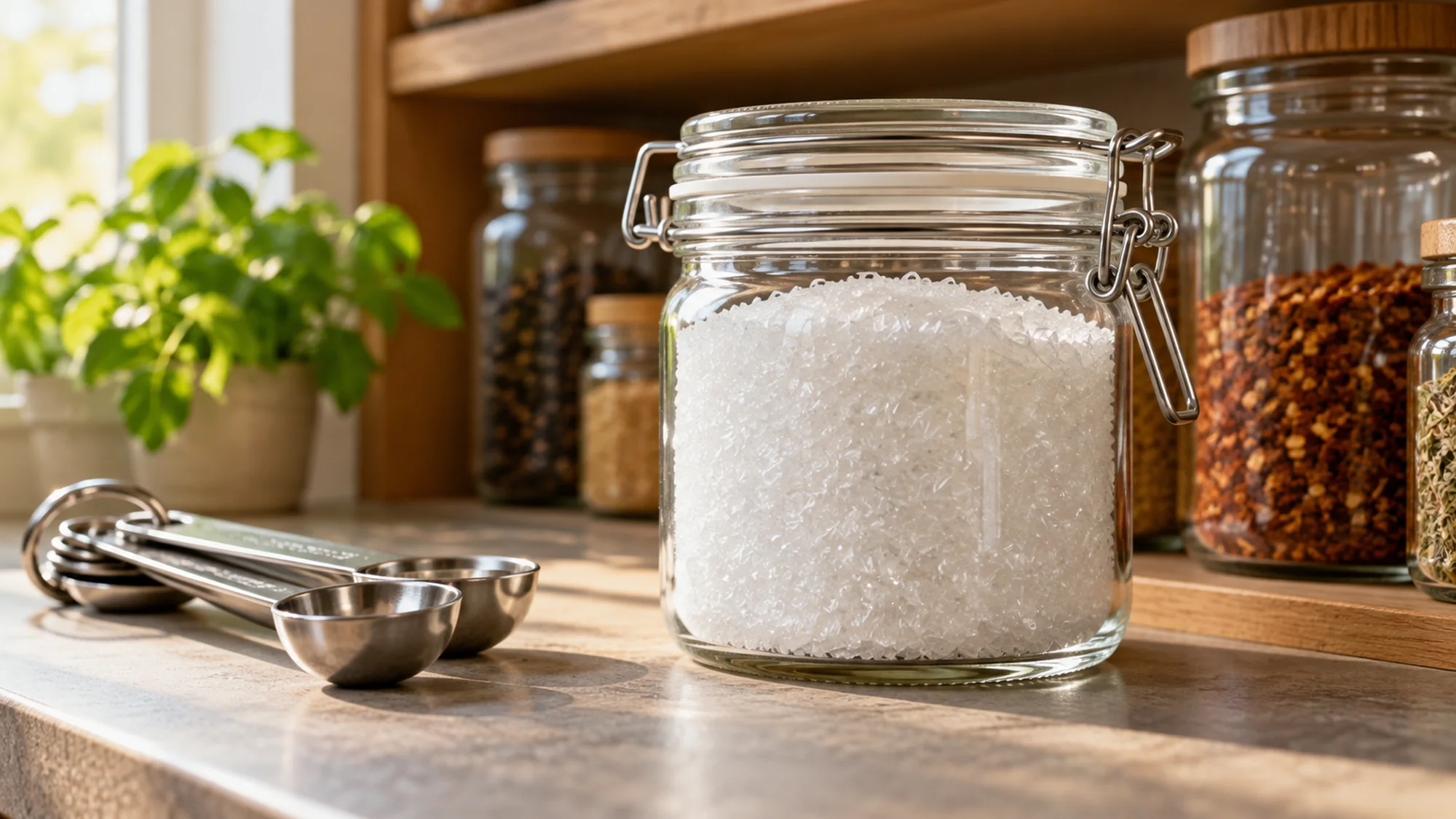
- Store carefully: Keep the container closed and dry, follow the manufacturer’s date guidance and avoid contaminating it with a wet spoon.
MSG Evidence and Allergy Checks
FDA’s MSG questions and answers says added MSG is generally recognized as safe. Studies have not consistently reproduced reactions in people identifying themselves as sensitive. FDA also notes that some sensitive individuals may experience short-lived, generally mild symptoms after three grams or more without food; that context differs from ordinary seasoning.
MSG is not gluten. FDA explains that a person with celiac disease may react to wheat in soy sauce, rather than to its MSG. That does not make every savory sauce interchangeable: soy sauce, cheese and other alternatives bring their own ingredients.
- Read each replacement: FDA allergen guidance identifies soy, wheat, milk and fish among the major allergens that must be declared when present in covered foods.
- Respect symptoms: If a food repeatedly causes problems, discuss it with a qualified clinician rather than using an ingredient headline to diagnose the cause.
- Keep perspective: Neither a safety assessment nor a product claim means every person must use the seasoning.
Bottom Line
Use accent seasoning as a measured savory tool. Check that you have Original Ac’cent, taste before adding more, and consider sodium and allergens in the whole dish. Sound evidence supports ordinary MSG use without turning it into a miracle ingredient.
The American Chemical Society’s Reactions video below explains MSG and its reputation. The FDA guidance above supplies the practical safety context.
Sources
- Ac’cent: Flavor Enhancer ingredients
- Ac’cent: Product questions and storage
- FDA: Questions and answers about MSG
- Health Canada: MSG and glutamate
- FDA: Food allergy labeling
- American Chemical Society: MSG video

Hi, I’m Emily Pocker! I share recipes and food guides here at Recipes360 to help you find everyday meal inspiration and feel more confident in the kitchen. My goal is to make cooking approachable, enjoyable, and full of flavor.