
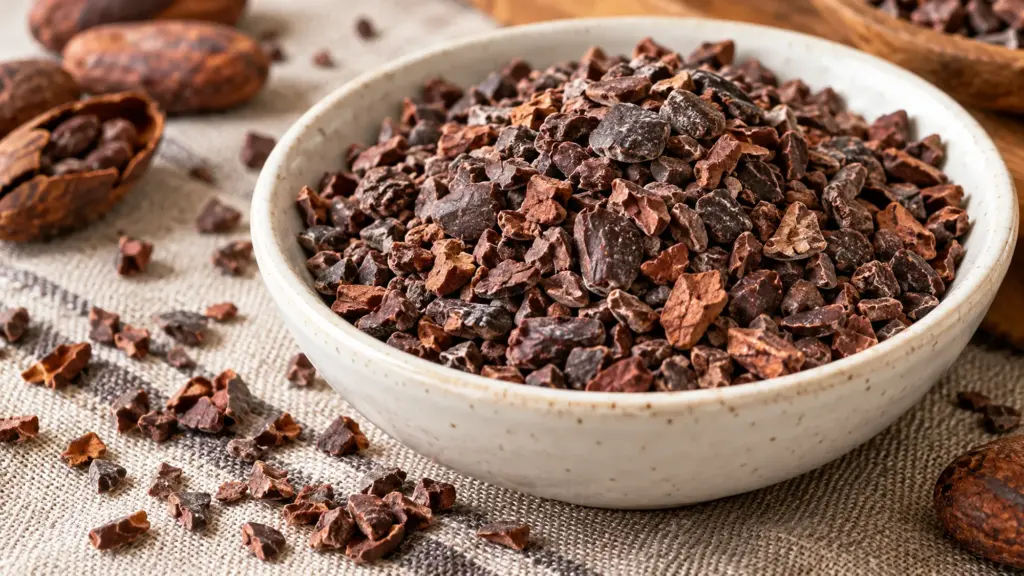
A spoonful of cacao nibs looks like it might behave like chopped chocolate. Then comes the surprise: a firm crunch and a much less sweet bite. These small pieces of cacao bean are useful when you want concentrated cocoa flavor and texture, not the melting sweetness of a chocolate chip.
Treat cacao nibs as a crunchy accent rather than a direct chocolate-chip replacement. A little over a creamy or naturally sweet food lets their roasted, bitter flavor make sense.
What cacao nibs actually are
Nibs are pieces of the cacao bean’s interior with the shell removed. The European Cocoa Association’s processing guide explains how beans are fragmented and husks separated before the nibs are further processed. Grinding them is one step toward cocoa paste; a bag of nibs has not become a smooth bar.
Plain nibs have no added sweetener, but coated or flavored products may. Expect an assertive cocoa taste and rough little fragments rather than neat drops. I’d try a small amount with something creamy first; an entire handful is not the most welcoming introduction.
- Look for the actual ingredient list, not just a large cacao percentage on the front.
- Check whether the product is roasted, unroasted or coated; those are meaningful differences.
- Do not assume the word cacao automatically means raw. Our cacao-versus-cocoa guide explains the labeling overlap.
Cacao nibs, chips and powder do different jobs
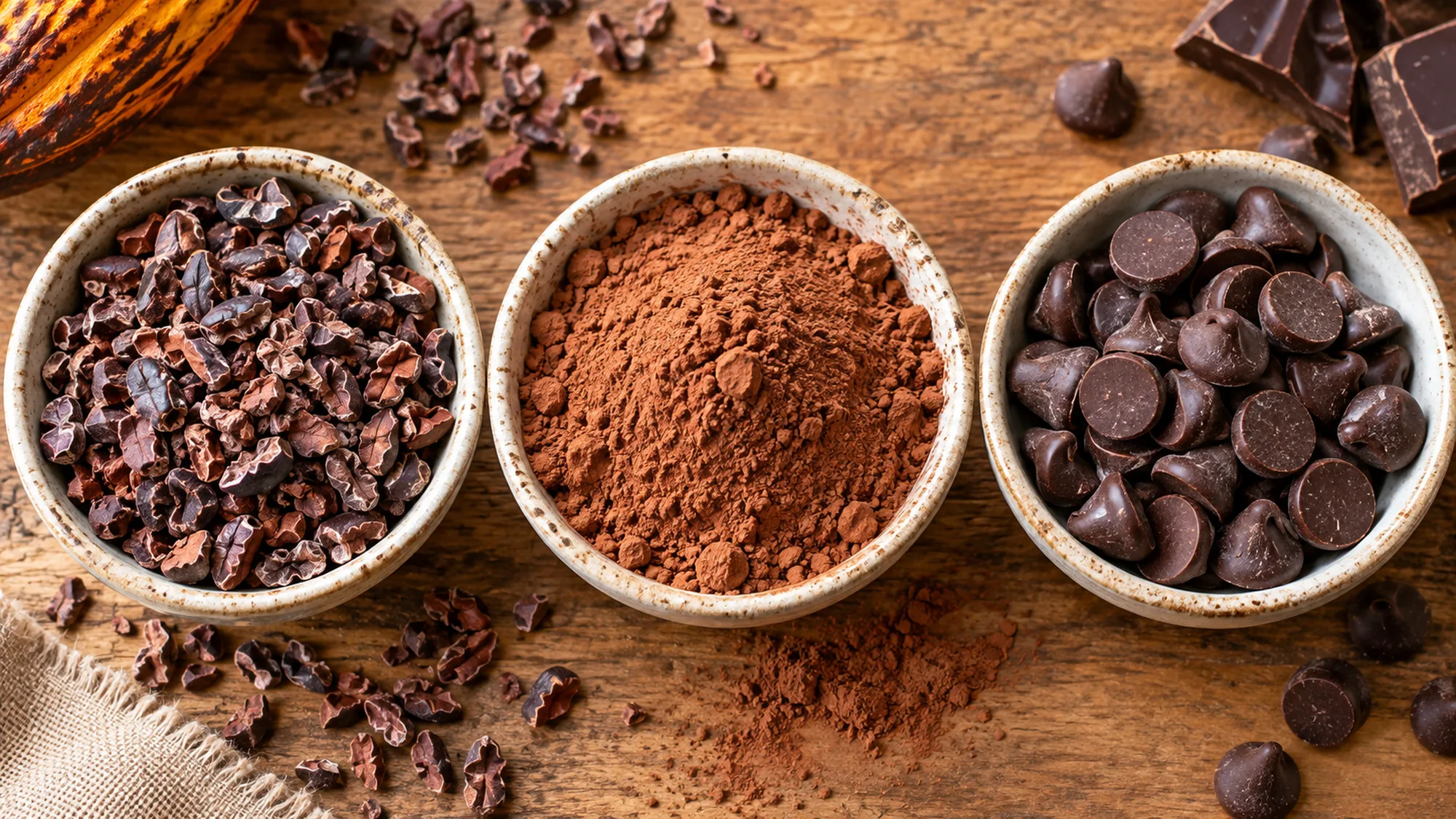
Think about the texture you want before making a substitution. Nibs remain noticeable pieces in ordinary home baking, while finely ground powder distributes flavor through a mixture. Chocolate chips bring their own balance of cocoa ingredients, fat and usually sugar.
| Ingredient | Main contribution | Choose it when you want |
|---|---|---|
| Plain cacao nibs | Firm crunch and unsweetened cocoa flavor | A small textured topping or mix-in |
| Chocolate chips | Sweetness and chocolate pockets | The result specified in a cookie recipe |
| Unsweetened cocoa powder | Fine cocoa solids | Chocolate flavor mixed through batter |
| Chocolate-coated nibs | Crunch plus a sweet coating | A confection rather than plain nibs |
I wouldn’t replace every chip in a favorite cookie recipe on the first attempt. Nibs do not supply the same sweetness or melting behavior, and a successful substitution depends on the rest of the recipe. A topping is the easier place to experiment because you can taste and adjust before committing.
Easy ways to use cacao nibs without overpowering a dish
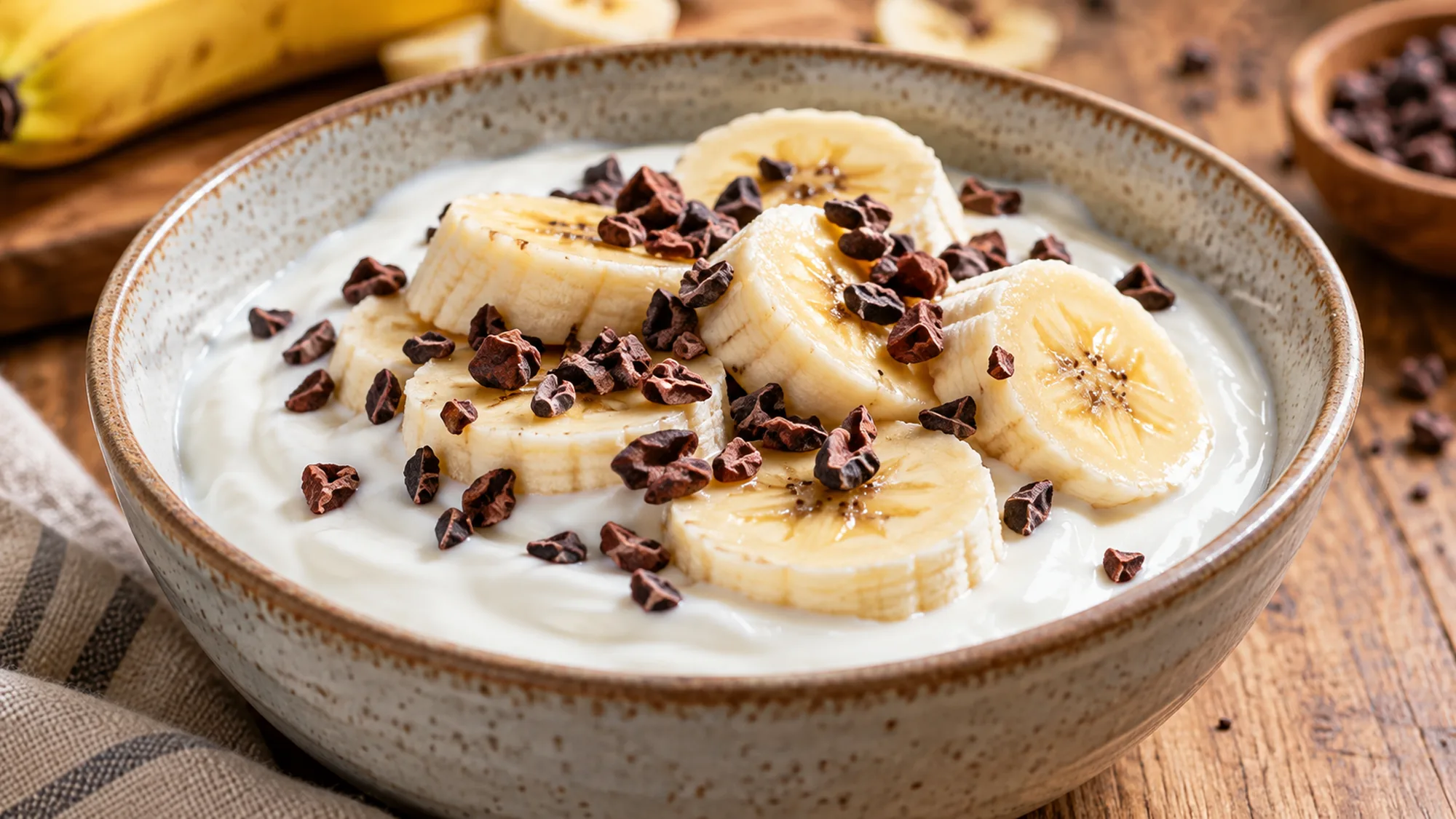
The chocolate maker Taza lists yogurt, oatmeal, granola and cookies among uses for its roasted nibs. Those pairings work as starting ideas, not as a requirement to turn every breakfast into a chocolate project. Add them just before serving when you want their contrast to stay obvious.
- Yogurt and banana: scatter a small pinch over a spoonful first, then decide whether the whole bowl needs more.
- Oatmeal: let soft oats provide the background and use nibs for a crisp finishing contrast.
- Fruit and nut mix: combine modest amounts with ingredients you already enjoy; check allergy needs first.
- Cookies or granola: use a recipe developed for nibs, or keep an experimental addition small.
- Ice cream: use a light scattering where the creamy base softens the impression of bitterness.
Start with a teaspoon as a tasting experiment, not a nutrition prescription. If the result is too bitter, reduce the nibs before automatically adding more sugar. For a smooth chocolate drink, cocoa powder is generally the more straightforward ingredient; whole nibs are not instant drink powder.
Read health claims and storage directions carefully
Cacao’s reputation can make a small bag sound like a supplement. The FDA’s qualified cocoa-flavanol claim concerns specific high-flavanol cocoa powder and describes very limited scientific evidence. It is not proof that ordinary cacao nibs prevent heart disease, and it does not establish a daily nib dose.
I’d buy nibs for flavor and compare the actual Nutrition Facts panel for portions and nutrients. Cacao contains caffeine; the amount depends on the product and serving, so ask the maker if a precise amount matters for pregnancy or sensitivity. Plain cacao also does not guarantee freedom from cross-contact allergens.
- Read ingredients and allergen information each time; facilities and products can differ.
- Keep the package closed and follow the manufacturer’s storage instructions, away from heat and moisture.
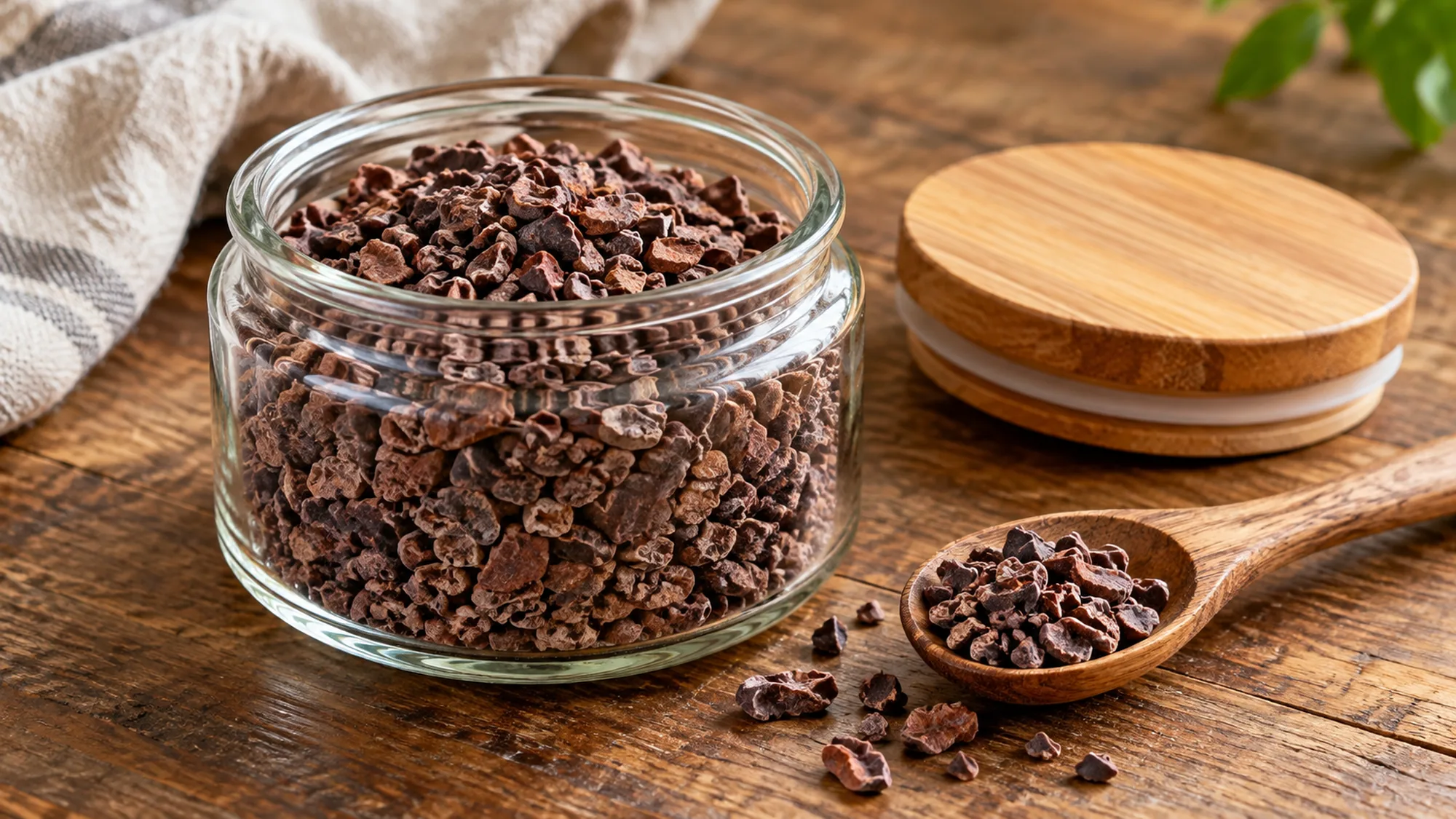
- Use a clean, dry spoon and retain the original label if transferring nibs to a jar.
- Do not use a health slogan to override an allergy restriction or medical advice.
Bottom Line
Cacao nibs are an ingredient with a distinctive job: concentrated cocoa flavor and a firm bite. Begin with a little, pair them with a contrasting texture and choose them because you enjoy the result—not because the bag promises a shortcut to better health.
The Scramble demonstrates everyday ways to use cacao nibs in the video below. Use the serving ideas as inspiration rather than a medical recommendation.
Sources
- European Cocoa Association: from beans to cocoa ingredients
- Taza: roasted cacao nibs and product information
- FDA: qualified claim for high-flavanol cocoa powder

Hi, I’m Emily Pocker! I share recipes and food guides here at Recipes360 to help you find everyday meal inspiration and feel more confident in the kitchen. My goal is to make cooking approachable, enjoyable, and full of flavor.