
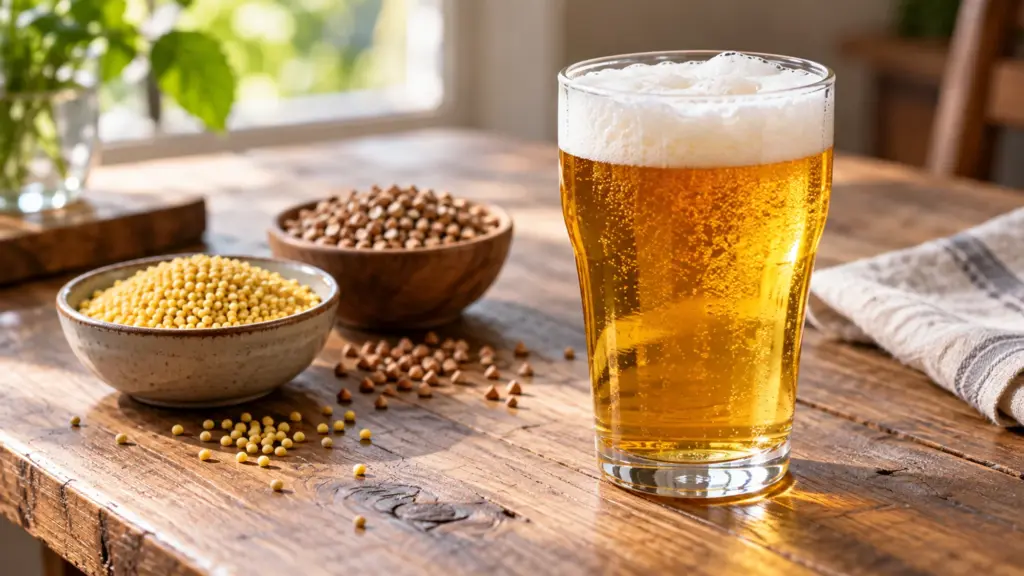
A gluten free ale should let you choose a beer style without having to decode a vague promise on the can. The important distinction is not pale versus dark: it is whether the beer was made from gluten-free ingredients or treated to reduce gluten after brewing.
For a gluten free ale, look for a clear gluten-free claim and reliable production information. “Crafted to remove gluten” is not the same claim, particularly when choosing for someone with celiac disease.
I’d check that distinction before comparing tasting notes. Once the label fits your needs, you can narrow the choice to a lighter blonde, a hop-forward pale ale, or a darker, roastier style—without assuming that every gluten-free beer tastes alike.
What Makes a Gluten Free Ale Different?
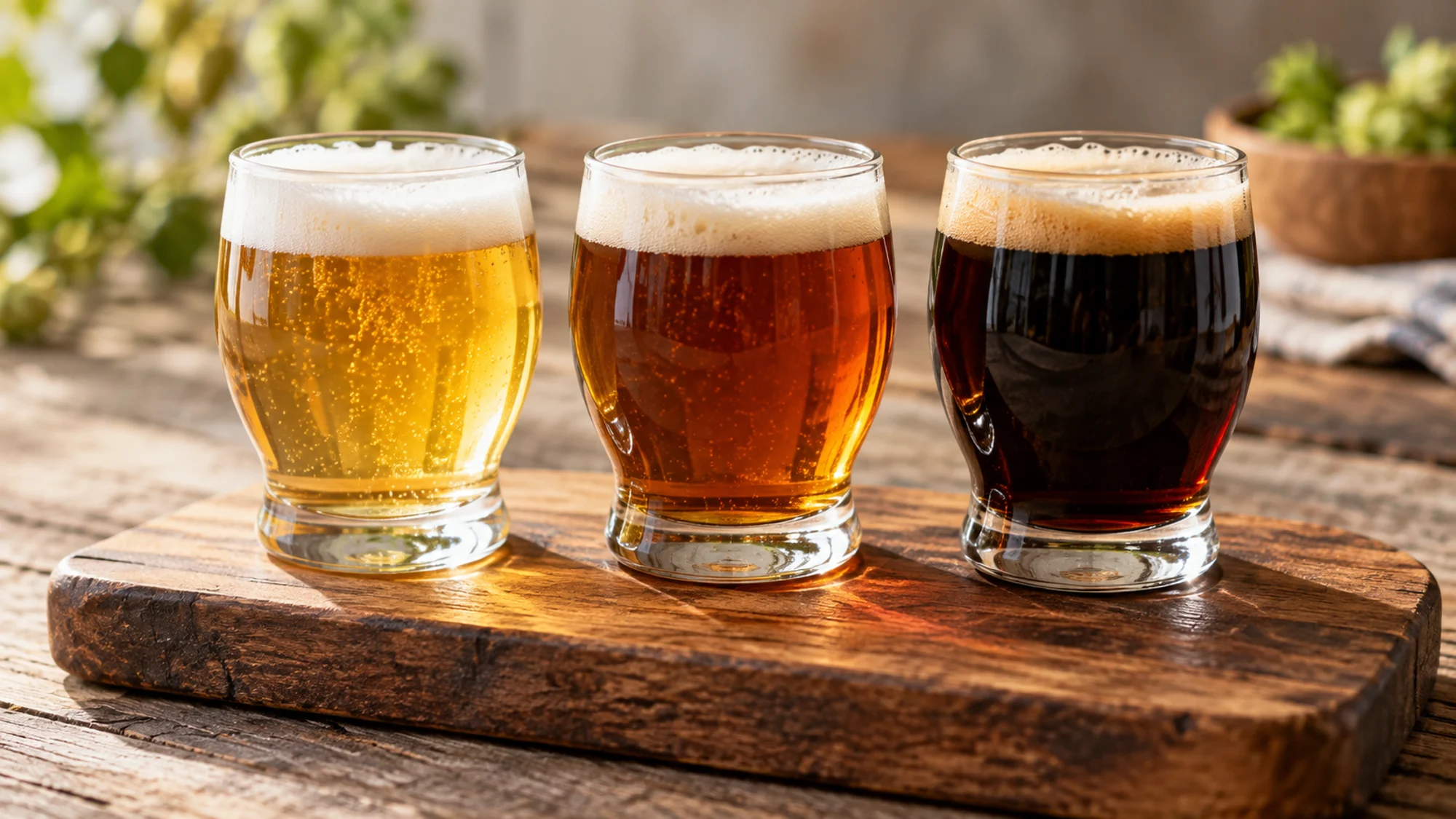
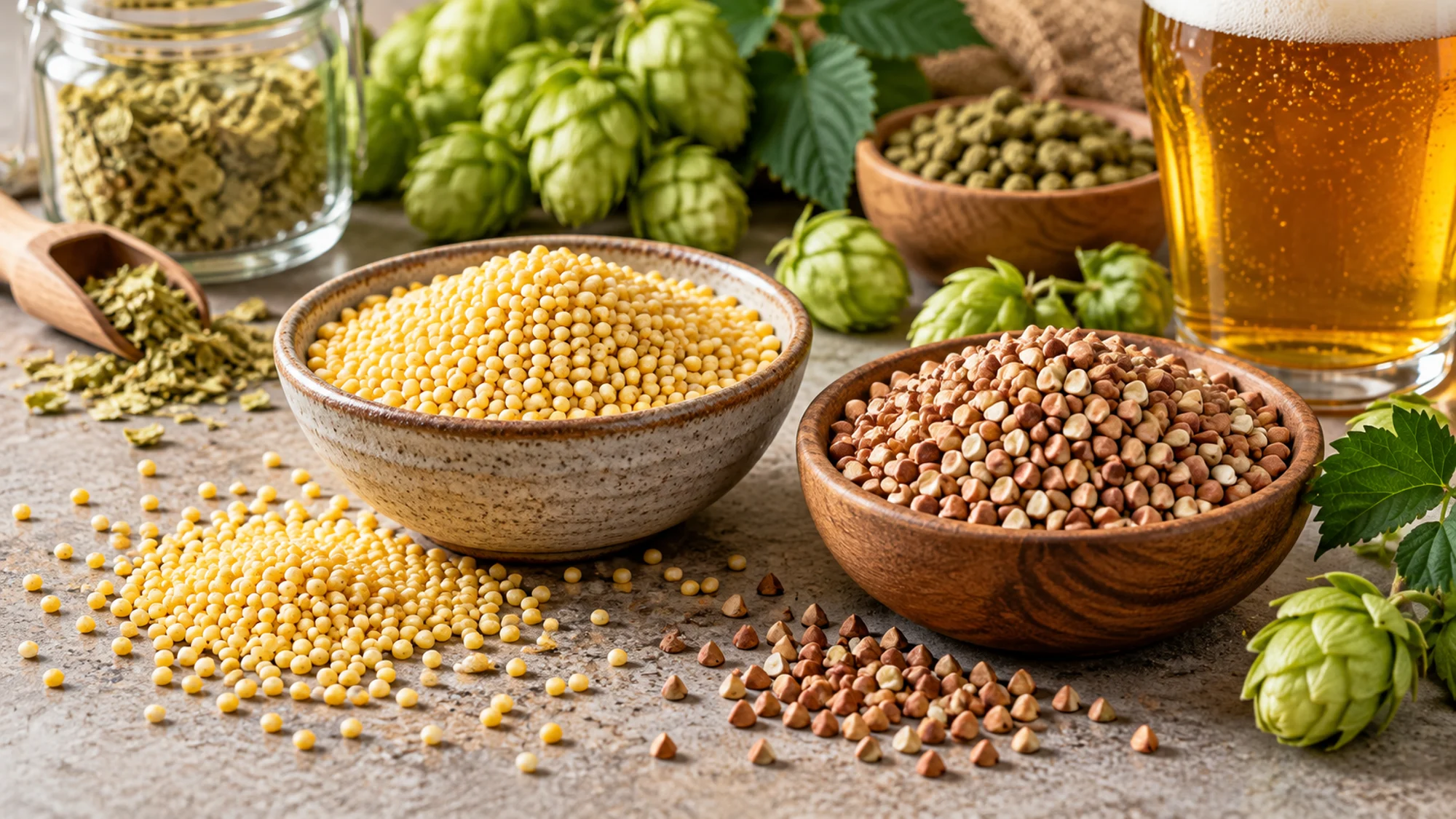
Ale describes a family of beer styles, not a guarantee about the grain ingredients. A brewer can build those styles around alternatives to barley. For example, Ghostfish Brewing’s ingredient FAQ describes malted millet and buckwheat, with rice or sorghum in some beers. Different malts and roast levels give brewers room to create different colors and flavors.
That does not mean an unlabeled beer made with some rice is automatically gluten-free. It might still contain barley malt. Read the complete product description, and remember that a grain photograph, a pale color, or the absence of the word wheat on the front is not proof.
For the broader label distinctions across beer styles, see our gluten-free beer guide. Here, the useful next step is choosing an ale style after confirming the product’s gluten-free status.
Gluten-Free and Gluten-Removed Are Different Claims
Under TTB Ruling 2020-2, a fermented product made from gluten-containing grains cannot simply become eligible for a gluten-free label because it was treated with enzymes. Claims about removing gluten require qualifying information. The rule also explains limitations in measuring gluten in fermented products.
The Celiac Disease Foundation discusses research on gluten-removed beer and why it should not be treated as equivalent to beer made from gluten-free ingredients. For celiac disease, choose a clearly gluten-free product rather than relying on a gluten-removed claim. Ask your clinician or dietitian about individual dietary needs.
| Wording or situation | What it tells you | Useful next check |
|---|---|---|
| Gluten-free | A distinct labeling claim | Confirm the exact product and producer |
| Certified gluten-free | A certification claim | Check the named certifier and product coverage |
| Crafted to remove gluten | Not equivalent to gluten-free | Do not substitute it for a gluten-free requirement |
| No clear claim | Status is unresolved | Ask the producer or choose another option |
Check the wording first. Certification can add information, but an unfamiliar symbol or a gluten-removed statement should not be treated as a gluten-free guarantee.
Choose the Flavor Style You Actually Want
Use the brewer’s tasting description rather than expecting gluten-free to describe a flavor. For a gentler starting point, look at blonde or light pale ales described as mild or crisp. If you enjoy noticeable hop aroma and bitterness, compare pale ales and IPAs. Darker styles may emphasize toasted or roasted notes instead.
Those are shopping cues, not promises about every bottle. I’d start with a single can when available rather than buy a large mixed pack on the strength of one appealing label. Check alcohol by volume separately; a gluten-free claim says nothing about alcohol strength or whether the drink is appropriate for you.
When comparing two options, write down three things: the gluten-free claim, the stated flavor profile, and the alcohol percentage. That small checklist is more helpful than treating a medal, fashionable can design, or the word natural as evidence of dietary suitability.
Serve It Without Undoing the Label Check
Keep the original packaging available when serving guests so they can make their own decision. At a bar, ask about the exact beer and handling, not merely whether the menu has a gluten-free section. A sealed, clearly labeled container can make product identification easier than an unexplained tap pour.
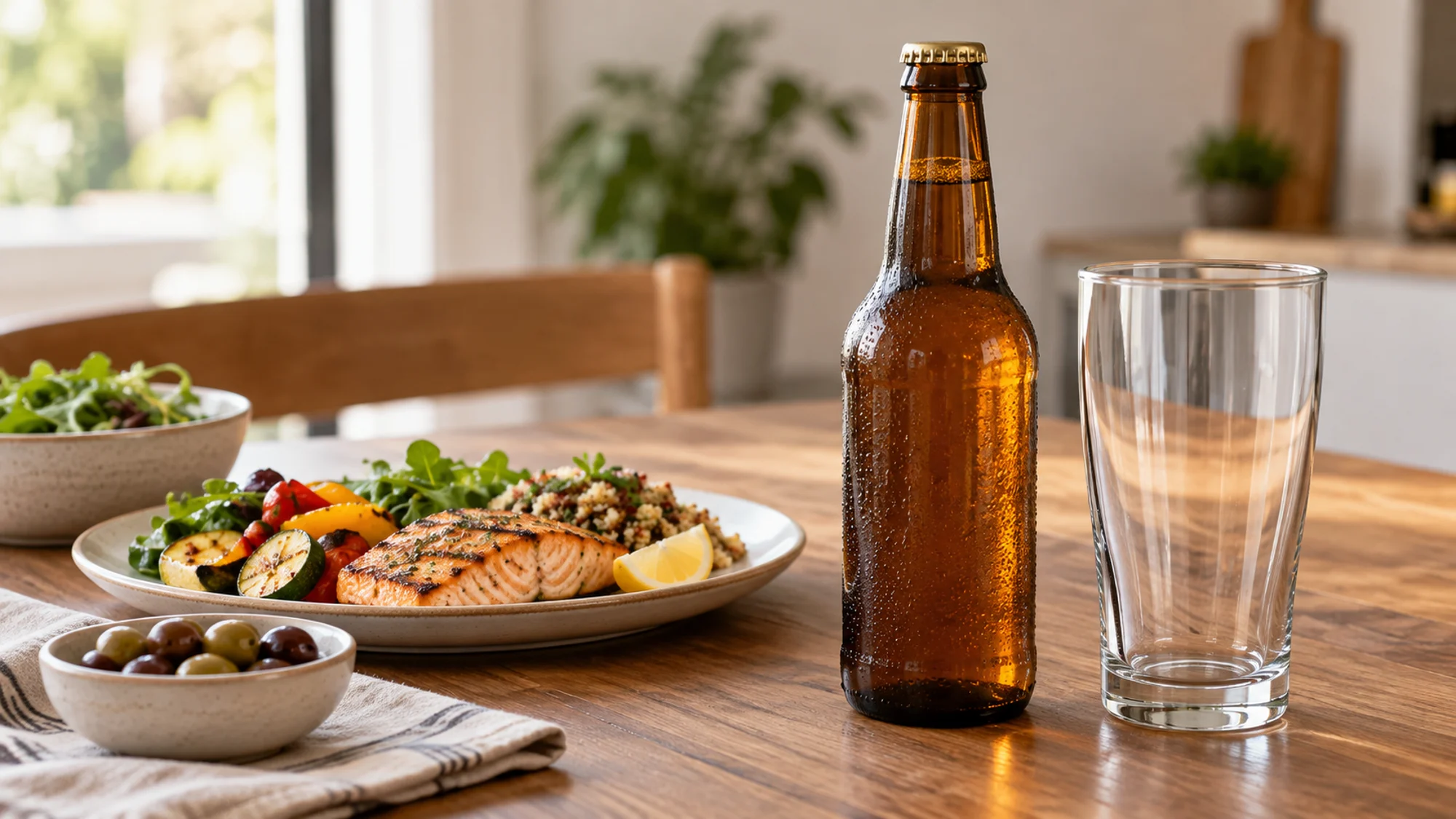
For a meal, pair according to flavor rather than a health claim: a milder ale alongside simply cooked food, or a more assertive style when that is the taste you want. Check sauces, batters, and shared serving utensils separately if the whole meal must avoid gluten.
Gluten-free alcohol is not a health food, and nobody needs to start drinking to follow a gluten-free diet. I’d always offer an alcohol-free option too, without making anyone explain why they prefer it.
Bottom Line
Choose a gluten free ale in two steps: verify the gluten-free claim, then pick the flavor and strength you want. Do not confuse gluten-removed wording with the same dietary assurance.
Sources
TTB Ruling 2020-2; Celiac Disease Foundation: gluten-free and gluten-removed beer; Ghostfish Brewing: ingredients and production FAQ.

Hi, I’m Emily Pocker! I share recipes and food guides here at Recipes360 to help you find everyday meal inspiration and feel more confident in the kitchen. My goal is to make cooking approachable, enjoyable, and full of flavor.