
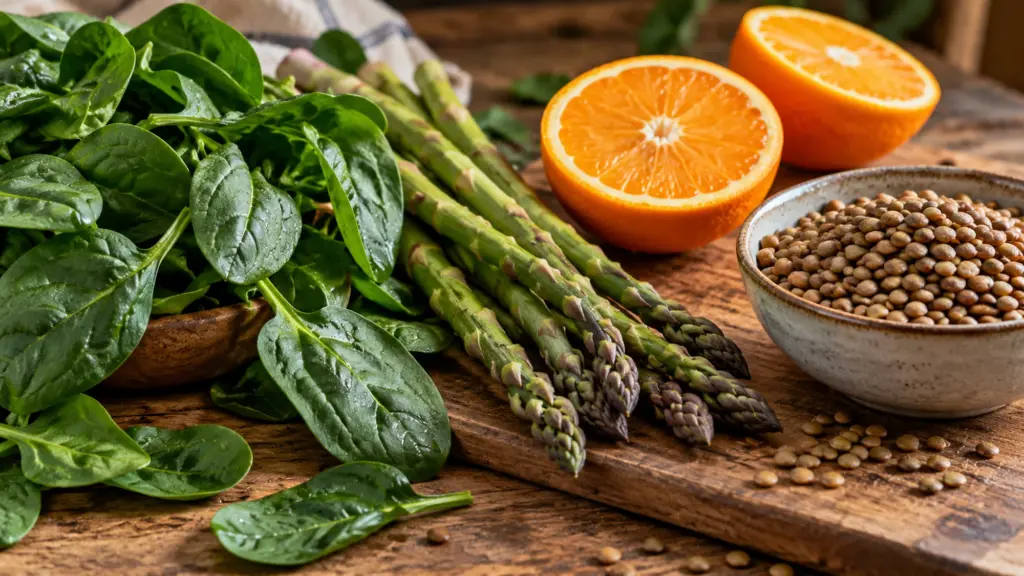
Folate, folic acid, vitamin B9, and DFE can all appear in the same nutrition conversation. That can make a simple grocery question feel unexpectedly complicated. The useful first step is separating the nutrient’s name from the forms and units used on a label.
Folate is vitamin B9, a nutrient the body needs to make DNA and support cell division. Foods such as leafy greens, beans, and lentils provide folate naturally. Folic acid is a form used in many fortified foods and supplements; DFE is a labeling unit that accounts for differences in absorption.
I would keep the food question and the supplement question separate. Knowing which vegetables or beans provide a nutrient is useful, but it is not the same as deciding whether a particular supplement is right for you.
What Is Folate, and How Is Folic Acid Different?
The NIH Office of Dietary Supplements describes folate as a water-soluble B vitamin. “Vitamin B9” is another name you may encounter. Folic acid belongs in the same nutrient discussion, but it is not simply a label for every naturally occurring food folate.
| Term | What it means | Where you may see it |
|---|---|---|
| Folate / vitamin B9 | The nutrient and its family of forms | Food information and nutrition guidance |
| Food folate | Forms naturally present in foods | Greens, legumes and other foods |
| Folic acid | A form used in fortification and supplements | Enriched foods and supplement labels |
| DFE | Dietary folate equivalents | Nutrition labels and intake references |
These distinctions explain why two packages can use different wording without talking about completely unrelated nutrients. They also explain why a number copied from one label is not always directly comparable with a number expressed in another unit.
Folate names the nutrient; folic acid names a particular form. DFE tells you how the amount is being expressed.
Bring Folate-Rich Foods Into Familiar Meals
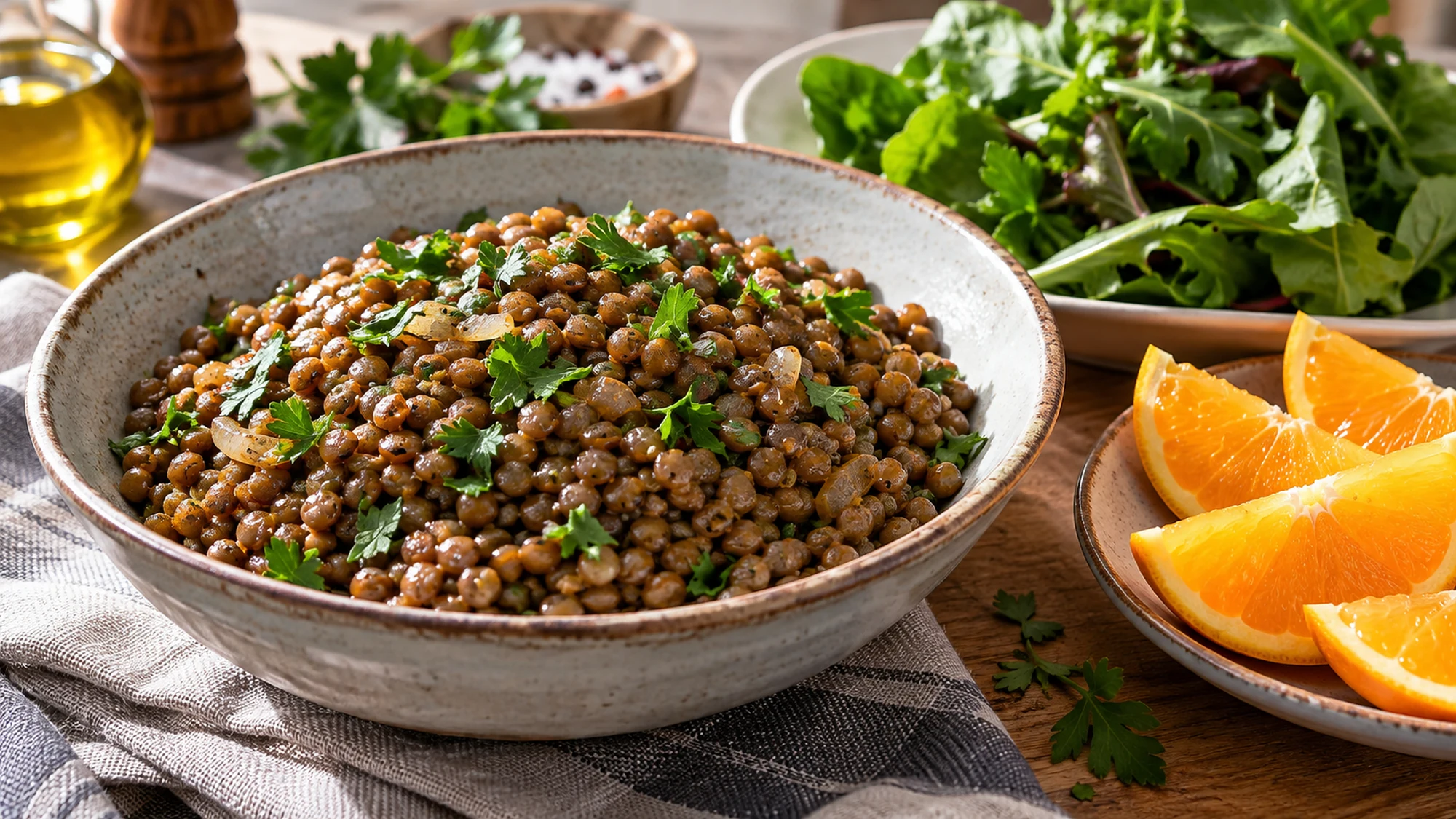
MedlinePlus lists leafy vegetables, legumes, citrus fruits, and fortified grain products among food sources. Instead of building every meal around a single ingredient, use that range to find something that fits your kitchen.
- Start with a bean or lentil dish. Add cooked lentils to a soup or grain bowl, or use beans in a salad you already enjoy.
- Make greens easy to reach. Keep a suitable fresh or frozen option for an omelet, soup, or simple side dish.
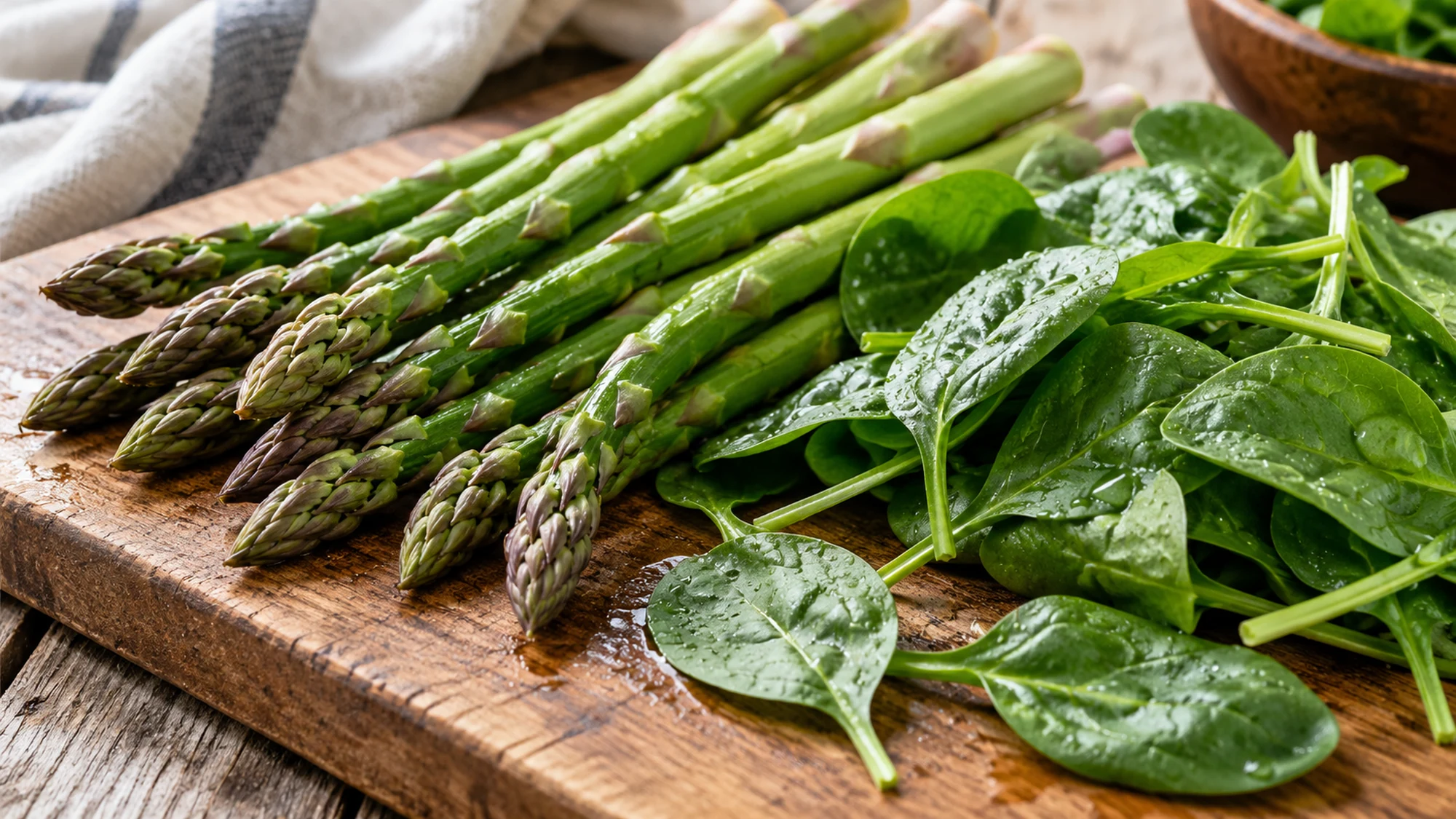
- Use produce for variety. Asparagus, leafy greens, and an orange offer different flavors and textures, rather than three versions of the same meal.
- Check grain products individually. Fortification differs among products; a familiar-looking package does not guarantee identical ingredients or nutrient amounts.
For a practical bean introduction, our fava bean guide covers preparation and an important G6PD-related safety caution. No particular bean is essential: choose foods that suit your needs, preferences, and any medical advice you have received.
Variety is more useful than a single “best” food. Choose a few sources that fit meals you already make.
Read DFE and Fortification Without Guessing
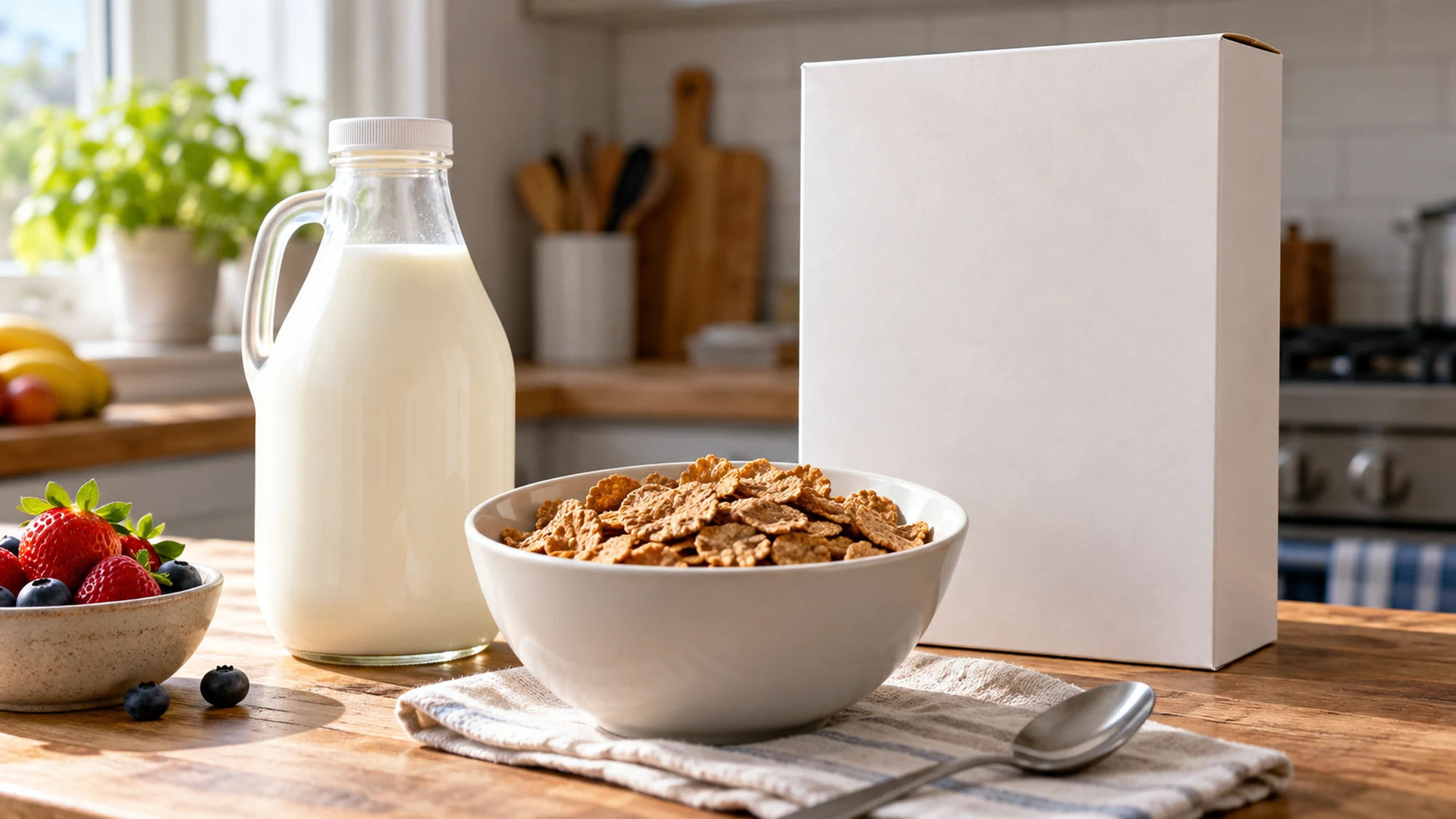
DFE stands for dietary folate equivalents. NIH explains that the unit accounts for differences in how naturally occurring food folate and folic acid are absorbed. A label can therefore show a folate amount in micrograms DFE and a separate folic acid amount in parentheses.
Do not add those two figures together as though they represent two separate servings of a vitamin. First identify what each figure describes. Also check whether the serving is one slice, one cup, or another portion; the amount on the package applies to that stated serving.
- Read the ingredient list. Look for the actual fortification ingredients rather than relying only on a front-of-package claim.
- Compare like units. Micrograms DFE and micrograms of folic acid are not interchangeable labels.
- Keep supplements separate. A food label does not tell you which supplement, if any, you should choose.
Before comparing numbers, compare the units and portions. The parentheses on a folate label are an explanation, not an extra amount to add.
Pregnancy Guidance Deserves Its Own Conversation
Folic acid has a specific role in preventing certain neural tube defects. The CDC’s folic acid guidance emphasizes the period before and very early in pregnancy, when someone may not yet know they are pregnant. A varied food pattern should not be treated as a substitute for that specific guidance.
If pregnancy is possible or planned, discuss a folic acid plan with a qualified healthcare professional. Ask about medicines and existing supplements too. The NIH professional fact sheet notes medication interactions and the concern that high folic acid intake can conceal the anemia associated with vitamin B12 deficiency while neurological problems continue.
Bottom Line
Folate is vitamin B9. Food sources, folic acid fortification, and DFE labels are related but distinct ideas. Use the label carefully and enjoy a range of foods; seek individualized guidance for pregnancy planning, symptoms, or supplement decisions.
The CDC’s short documentary below explains the public-health story of folic acid fortification. It provides historical context, not a personalized supplement plan.
Sources
- NIH ODS: Folate—consumer fact sheet
- NIH ODS: Folate—health professional fact sheet
- MedlinePlus: Folate in the diet
- CDC: About folic acid

Hi, I’m Emily Pocker! I share recipes and food guides here at Recipes360 to help you find everyday meal inspiration and feel more confident in the kitchen. My goal is to make cooking approachable, enjoyable, and full of flavor.