
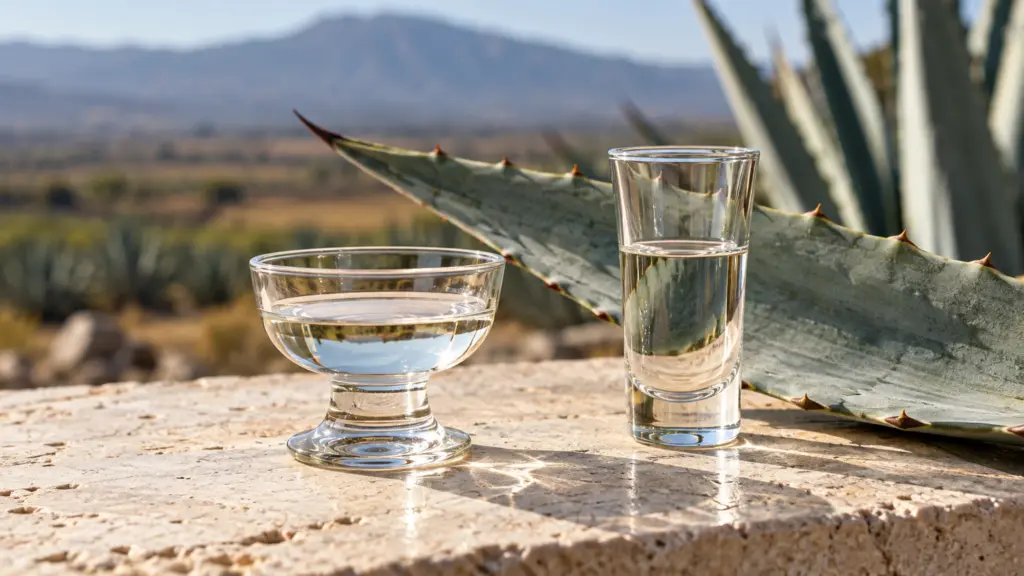
Two clear spirits can look almost identical in a glass and still tell different stories. With mezcal vs tequila, the useful distinction is not simply “smoky” versus “not smoky”: it starts with the agave, the place, and the way the spirit is made.
Tequila and mezcal are Mexican agave spirits with different production identities. Tequila uses blue agave; mezcal can use several agave species. Smoke is a possible flavor, not the definition of mezcal or a measure of alcohol strength.
I would read the back label before letting a dramatic bottle or a tasting adjective make the decision. A little production detail is more informative than a blanket claim that one category is better.
Mezcal vs Tequila: The Useful Comparison
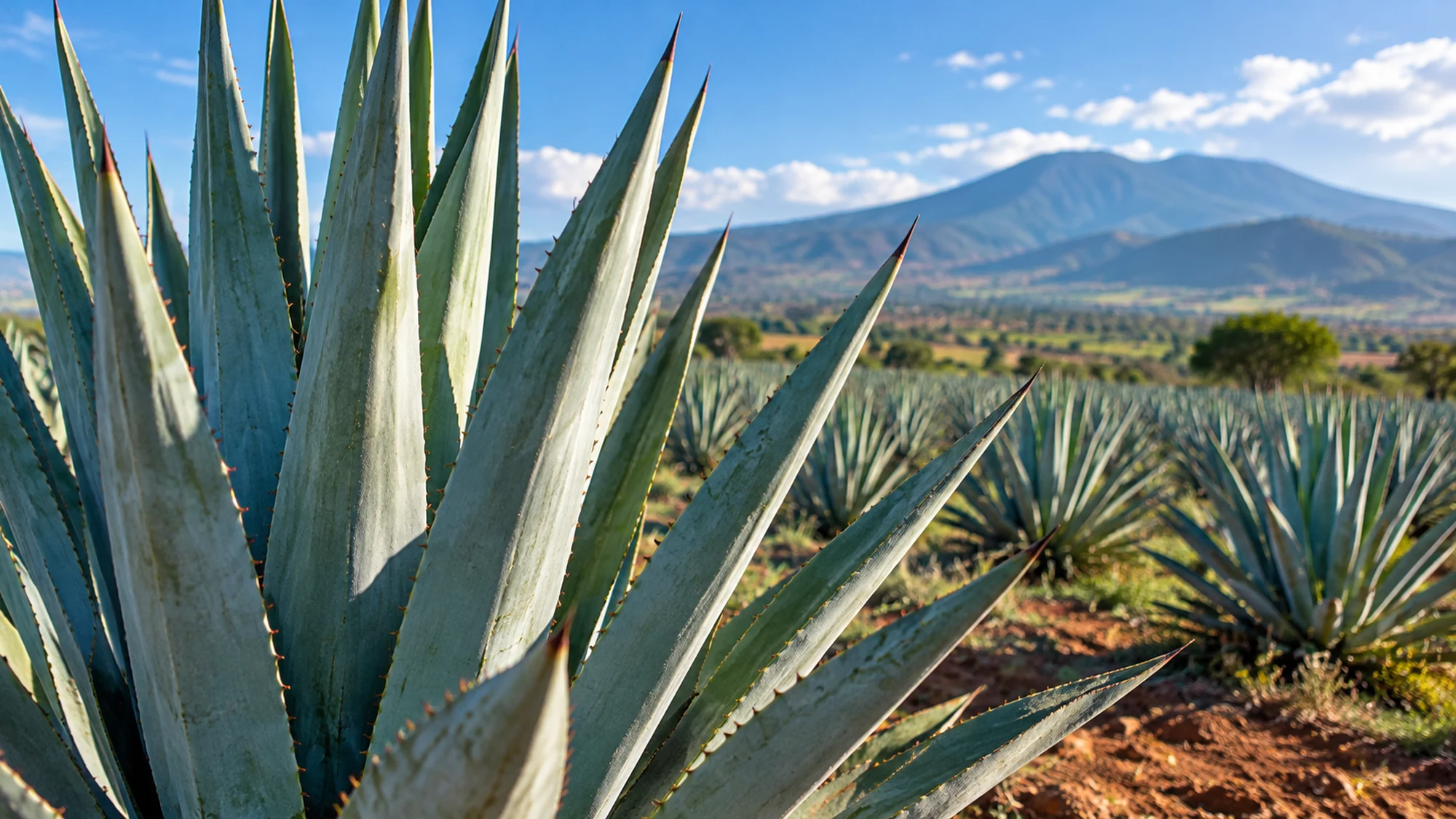
Both names identify distinctive Mexican products under U.S. agave-spirit standards. They are not interchangeable names for any spirit made from agave. The familiar phrase “all tequila is mezcal” refers to a broader historical tradition, rather than telling you that modern bottle labels follow the same rules.
| Detail | Tequila | Mezcal |
|---|---|---|
| Agave | Blue Weber agave | Multiple permitted agave species |
| Common production association | Jalisco | Oaxaca |
| Cooking often encountered | Steam-heated ovens or autoclaves | Pit roasting; other permitted methods exist |
| Flavor shorthand to avoid | Always mild | Always smoky |
| Best strength check | Printed alcohol by volume | Printed alcohol by volume |
The Tequila Regulatory Council identifies Agave tequilana Weber, blue variety, as tequila’s raw material and ties its name to authorized territory and production requirements. Mezcal’s wider range of agaves is one reason a single flavor description falls short.
Use the category to understand the starting point, then use the producer’s details to understand the particular bottle.
What the Oven Can—and Cannot—Explain
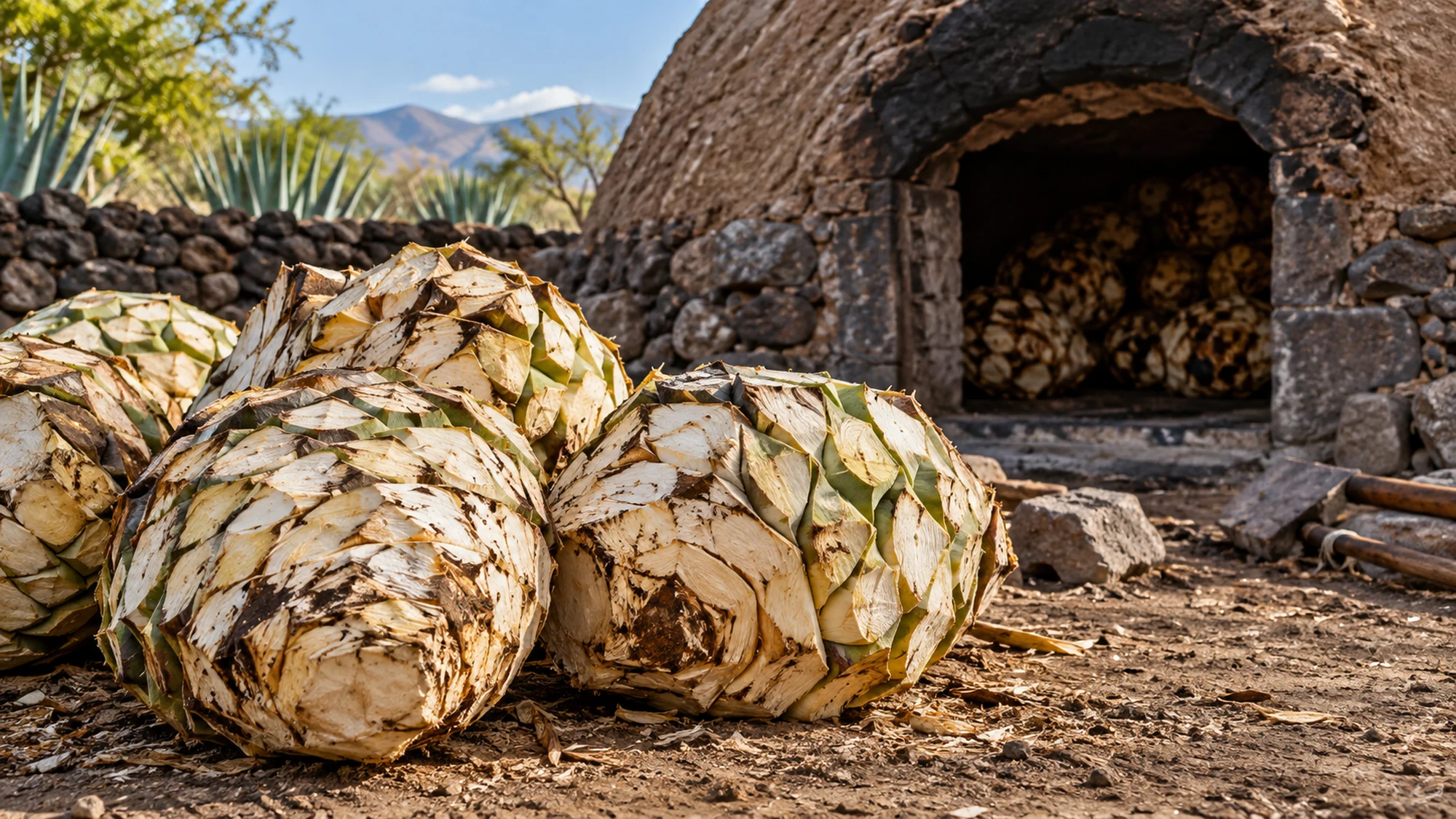
Agave hearts, called piñas, are processed before fermentation and distillation. WSET’s production comparison explains that pit cooking often contributes smoky character to mezcal, while steam cooking is common in tequila production. Fermentation, extraction, and distillation choices also affect aroma.
- Smoke is only one dimension. Descriptions may also include fruit, herbs, earth, pepper, or cooked agave; those are tasting impressions, not proof of added ingredients.
- Not every mezcal tastes alike. Agave species, producer, and process matter. One smoky example cannot represent the whole category.
- Color is a separate clue. Wood maturation may affect appearance and flavor, but a darker liquid does not automatically contain more alcohol.
I find “what makes this bottle different?” a more useful question than “which spirit wins?” It leaves room for a clear explanation instead of turning regional traditions into a ranking.
A smoky aroma describes character. It does not tell you the alcohol concentration, quality, or health impact.
Read the Label in a Practical Order
The CRT’s authenticity guidance highlights the category, class, producer, official NOM marking, alcohol percentage, origin, and lot information. Start with those concrete details rather than words such as premium or smooth.
- Identify the named spirit. Tequila, mezcal, and a product simply labeled agave spirit are not equivalent labeling statements.
- Check the agave information. “100% agave” tequila describes the source of its fermentable sugars, not a health claim. A mezcal label may name an agave such as espadín.
- Notice maturation language. Blanco, reposado, and añejo communicate style information; compare the relevant producer explanation rather than assuming all terms work identically across categories.
- Read ABV and volume. Bottle size, pour size, and alcohol strength are separate facts. Keep them separate when comparing products.
An informative label should help you identify the producer and product, not merely suggest a mood.
Is One Stronger or Healthier?
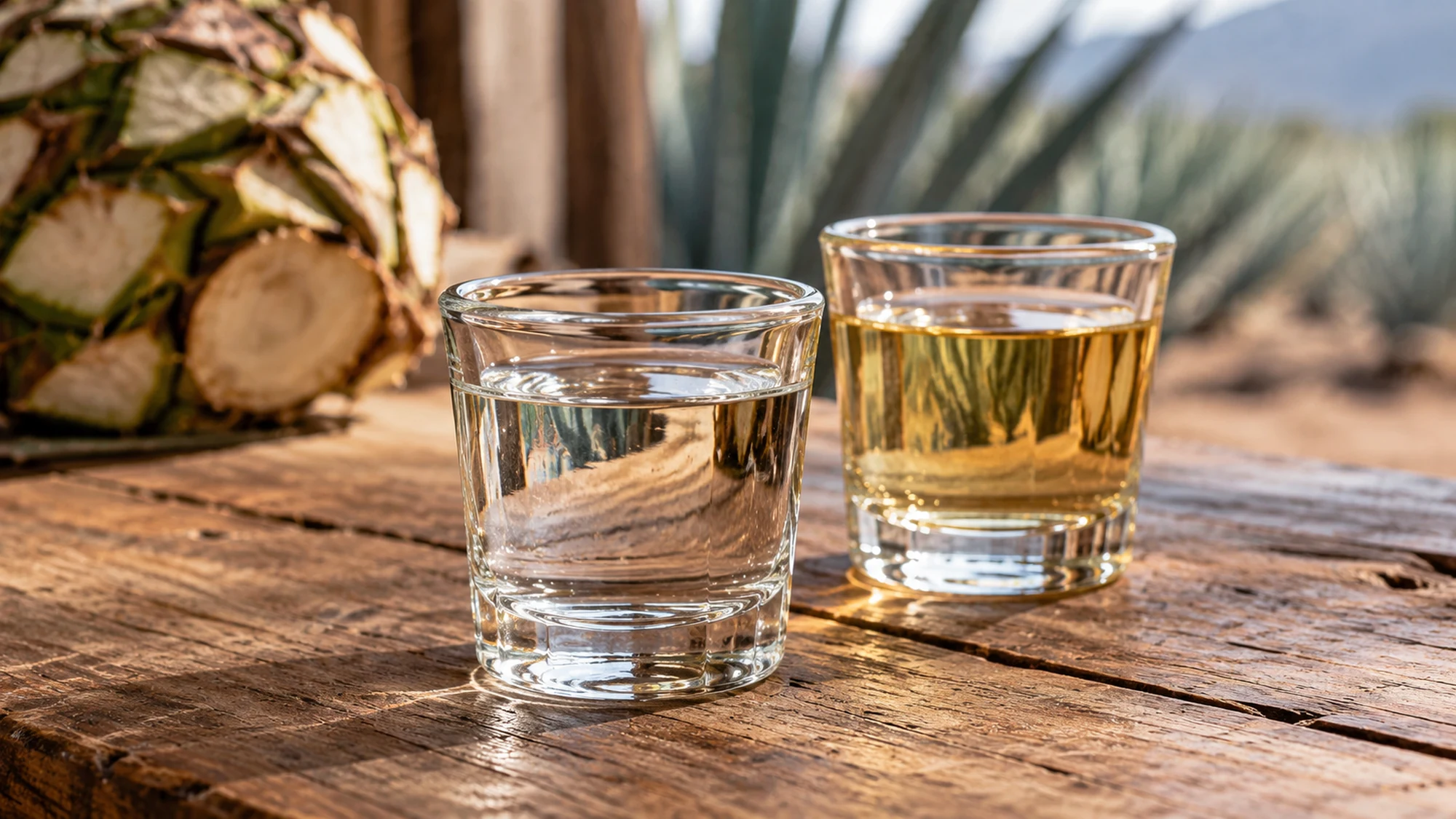
Neither name alone answers the strength question. NIAAA defines a U.S. standard drink as about 14 grams of pure alcohol: 1.5 fluid ounces of a 40% ABV spirit is one example. The same pour of a higher-ABV spirit contains more alcohol.
This comparison is about ingredients and production, not a reason to begin drinking. “Natural,” “artisanal,” and “100% agave” do not remove alcohol-related risk. For another example of why a beverage label needs careful reading, see our guide to gluten free beer labeling.
Bottom Line
Mezcal vs tequila is best understood through agave, production, origin, and the actual label. Smoke can be part of mezcal’s character, but it is not a shortcut for judging strength or quality. Neither category is a health product.
Lui Fernandes’s explanation below explores the production and flavor differences. Its tasting discussion is additional context, not a recommendation to drink.
Sources
- eCFR: Agave spirits
- Consejo Regulador del Tequila: Product and label guidance
- WSET: Tequila versus mezcal
- NIAAA: What is a standard drink?

Hi, I’m Emily Pocker! I share recipes and food guides here at Recipes360 to help you find everyday meal inspiration and feel more confident in the kitchen. My goal is to make cooking approachable, enjoyable, and full of flavor.