
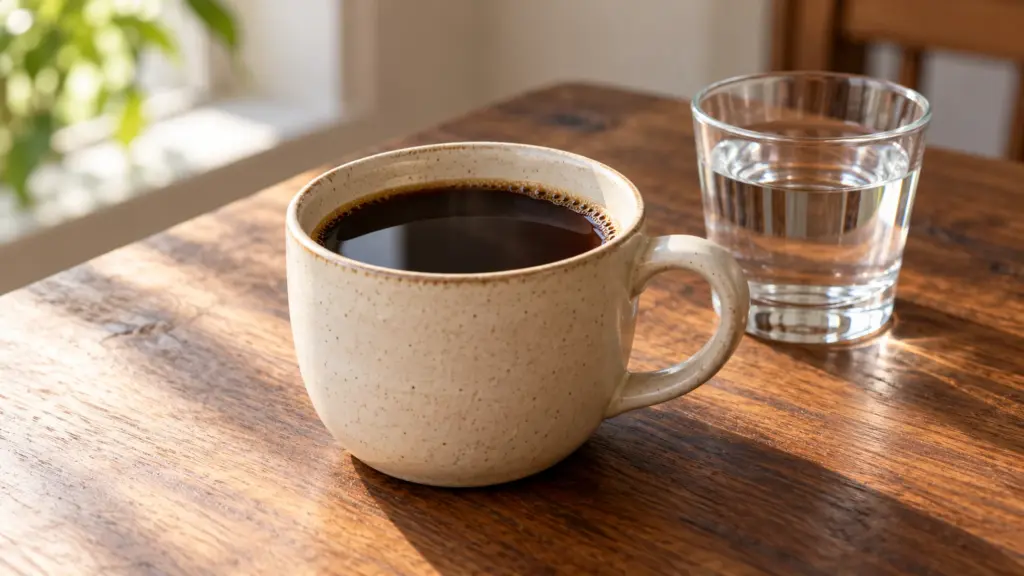
That second cup smells inviting, but the headlines can make a simple refill feel complicated. Is coffee bad for you? For most healthy adults, moderate coffee drinking can fit a healthy eating pattern. The more useful questions are how much caffeine your cup contains, when you drink it, and whether it leaves you feeling comfortable or wired.
Coffee does not need a blanket good-or-bad label. Pay attention to your portion, your sleep, and your own response before pouring another cup.
Is Coffee Bad for You? Separate the Drink From the Dose
Coffee contains more than caffeine, and research on the drink should not be confused with research on concentrated caffeine supplements. A BMJ umbrella review of coffee studies found that usual coffee consumption was more often associated with favorable outcomes than harmful ones. Much of that evidence was observational: it cannot prove coffee itself prevented illness.
I would treat those findings as reassurance for someone who already enjoys coffee, not an instruction to start drinking it. A cup is a food choice, not preventive medicine, and someone who prefers water or caffeine-free tea is not missing a required part of a healthy diet.
- Association is not a promise: coffee drinkers and nondrinkers can differ in other habits and health conditions.
- More is not automatically better: favorable population findings do not establish your personal ideal intake.
- The whole drink counts: syrup, cream, portion size, and brewing style can change the practical trade-offs.
Look at the coffee you actually drink, rather than trying to turn a research headline into a daily cup quota.
Count Caffeine, Not Just Cups
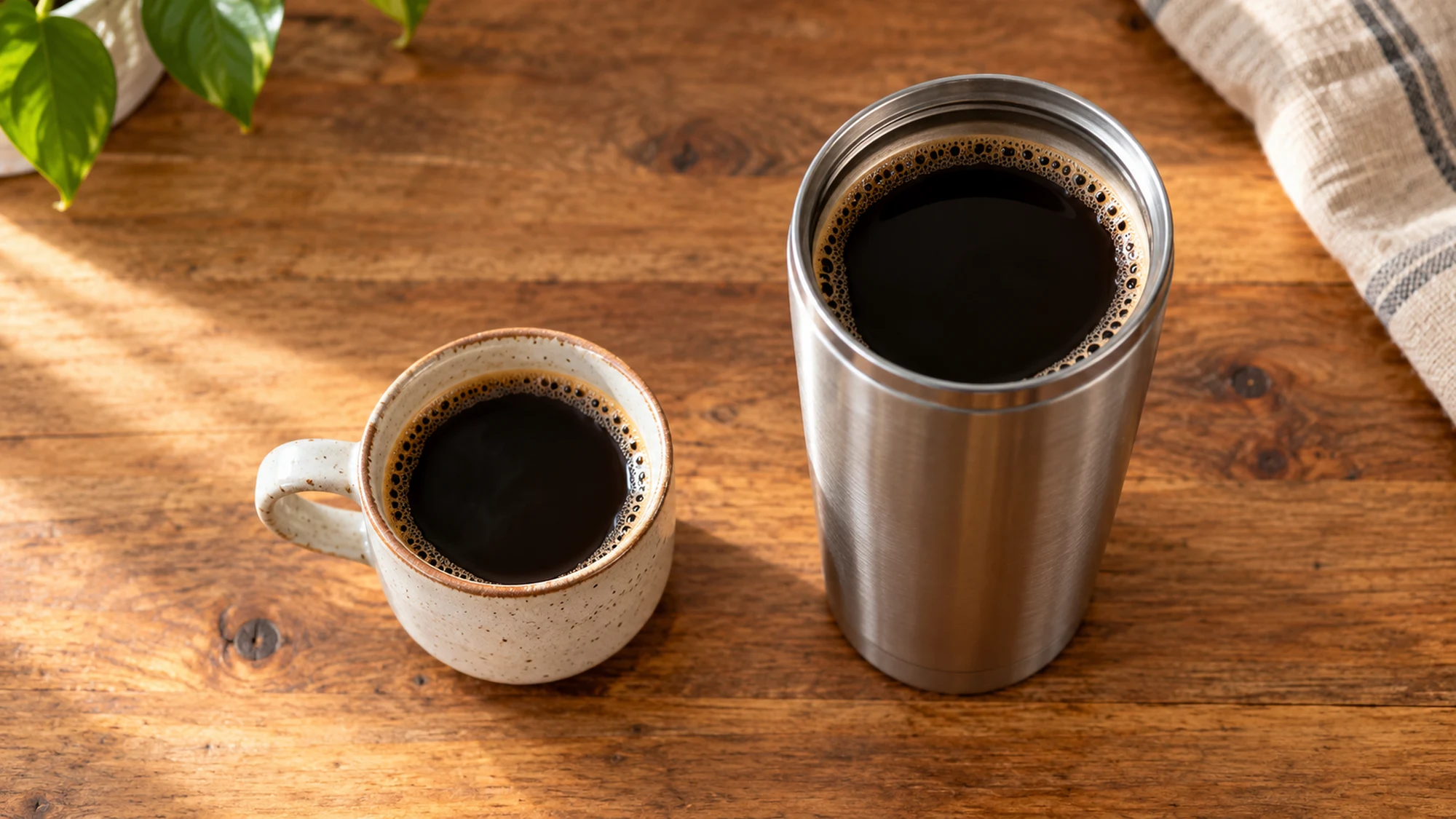
The FDA’s caffeine guidance cites 400 milligrams per day as an amount not generally associated with negative effects for most adults. That is not a goal, a guarantee, or a universal limit for every situation. Coffee strength and cup size vary, so “two coffees” is not a precise measurement.
This table compares common drinks on the same 12-fluid-ounce basis using the FDA’s typical figures. These are reference values, not measurements of your homemade brew or favorite café order.
| Drink, 12 fl oz | Typical caffeine | Useful check |
|---|---|---|
| Regular brewed coffee | 113–247 mg | Ask about the actual serving |
| Black tea | 71 mg | Include it in your daily total |
| Green tea | 37 mg | Lower does not mean caffeine-free |
- Check the size: a large travel tumbler may hold more than one familiar kitchen cup.
- Count other sources: tea, chocolate, energy drinks, and some medicines also contribute caffeine.
- Remember decaf: it contains much less caffeine, but it is not necessarily caffeine-free.
A smaller serving or a decaf swap can be more useful than arguing over how many “cups” are allowed.
When Your Body Needs a Different Approach
According to MedlinePlus, caffeine can remain noticeable for four to six hours, and sensitivity varies. An afternoon coffee that seems harmless at the time may still complicate bedtime. Trouble sleeping, shakiness, anxiety, or an uncomfortable heartbeat deserve more attention than a general adult benchmark.
- Move the last coffee earlier: if sleep is affected, adjust the timing as well as the quantity.
- Reduce gradually: an abrupt change can bring headaches, fatigue, and irritability.
- Ask about your circumstances: pregnancy, breastfeeding, heart-rhythm conditions, reflux, anxiety, and certain medicines can change the advice you need.
- Do not apply adult amounts to children: their caffeine guidance is different.
If symptoms persist, discuss them with a healthcare professional rather than assuming coffee explains everything. I would rather protect a good night’s sleep than insist on keeping a late refill simply because the daily total looks modest.
Your response matters: an amount that suits another person may not suit you.
Make the Cup Fit Your Day
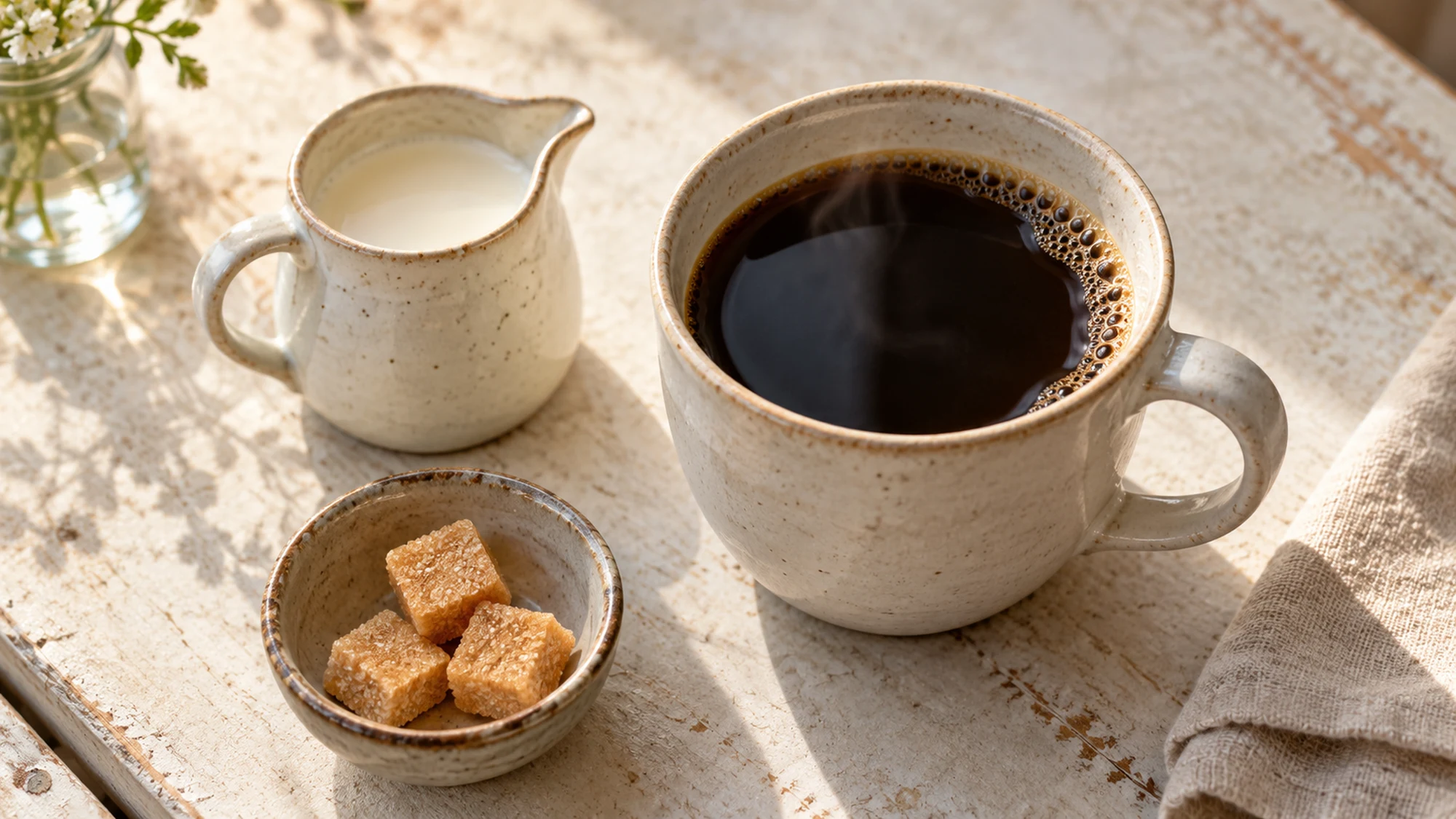
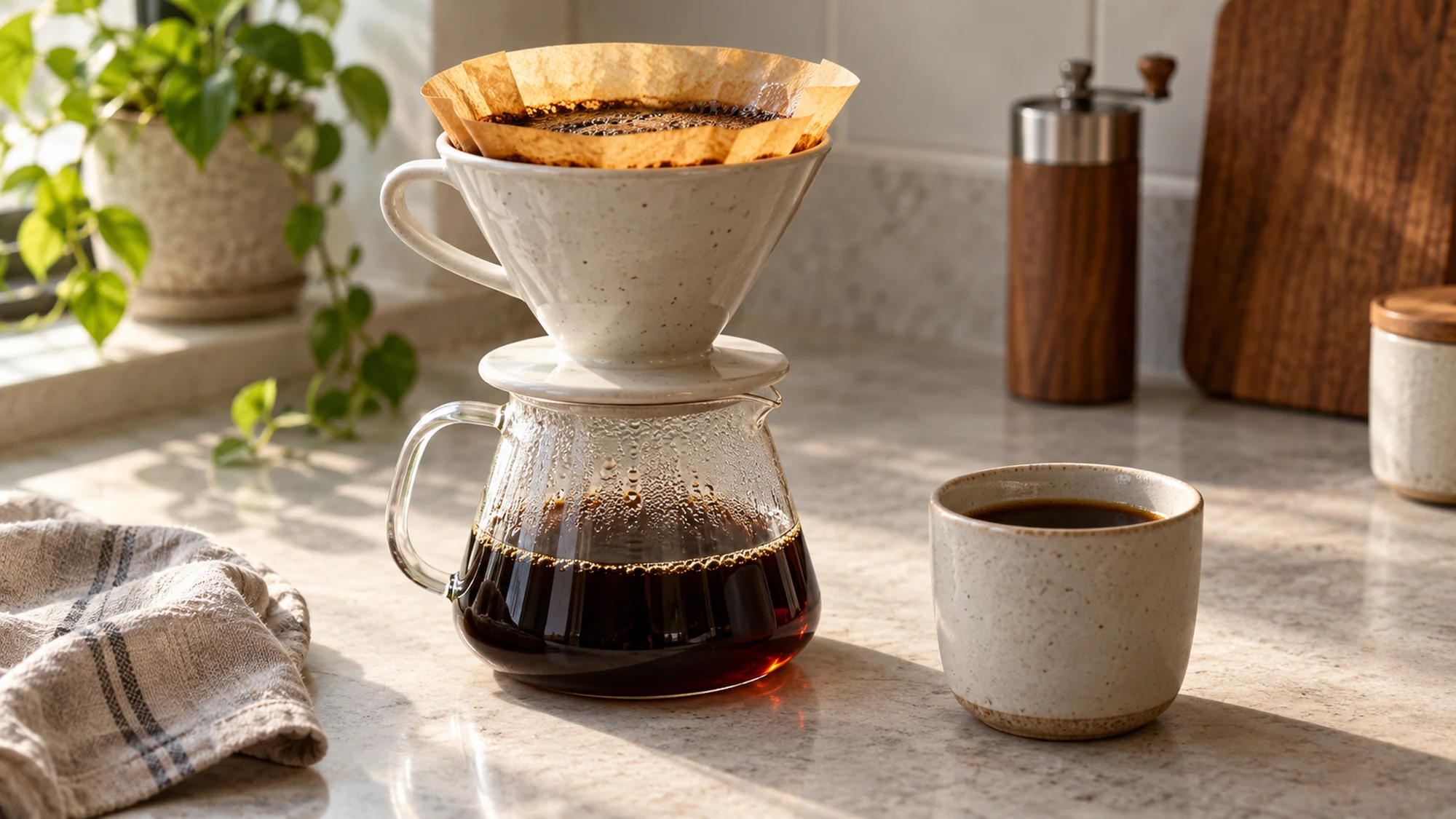
Brewing and additions deserve a look, too. Mayo Clinic’s review of coffee and health notes that unfiltered coffee, including French press coffee, has been linked with a small cholesterol increase. A paper-filtered brew is a practical option to discuss if cholesterol is a concern; it does not remove all caffeine.
- Keep additions deliberate: taste before adding another spoonful of sugar or another pump of syrup.
- Choose enjoyment over intensity: there is no need to make every cup larger or stronger.
- Enjoy flavor variety: our cinnamon-scented café de olla offers a different coffee experience; its piloncillo is still added sugar.
Bottom Line
For many adults, coffee is a reasonable everyday drink—not a health requirement and not automatically a problem. Choose a portion you tolerate, keep the timing sleep-friendly, and seek individual advice when your health circumstances call for it.
Mayo Clinic’s 2015 overview below explains the research interest in coffee. Its discussion of possible benefits should be understood as evidence about associations, not a reason to increase your intake.
Sources
- FDA: How much caffeine is too much?
- MedlinePlus: Caffeine
- BMJ: Coffee consumption and health umbrella review
- Mayo Clinic: Coffee and health

Hi, I’m Emily Pocker! I share recipes and food guides here at Recipes360 to help you find everyday meal inspiration and feel more confident in the kitchen. My goal is to make cooking approachable, enjoyable, and full of flavor.