
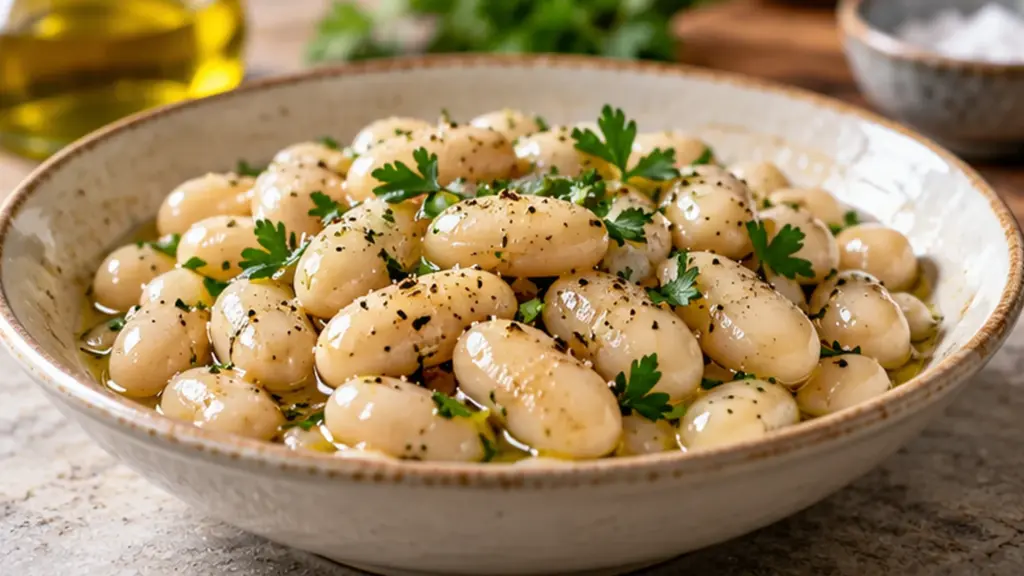
A recipe asks for white beans, but the shelf offers cannellini, navy and Great Northern. You can often swap them, especially in a soup, but their size and texture are worth noticing. Choose a bean that holds together for a salad or one that becomes smooth easily for a dip.
White beans are a group of pale bean varieties, not one single ingredient. Canned beans are ready to use; dried beans need appropriate preparation, with special care for dried kidney-type beans.
I would begin with the finished dish rather than hunt for one supposedly best variety. A creamy spread and a bowl of distinct, tender beans have different needs.
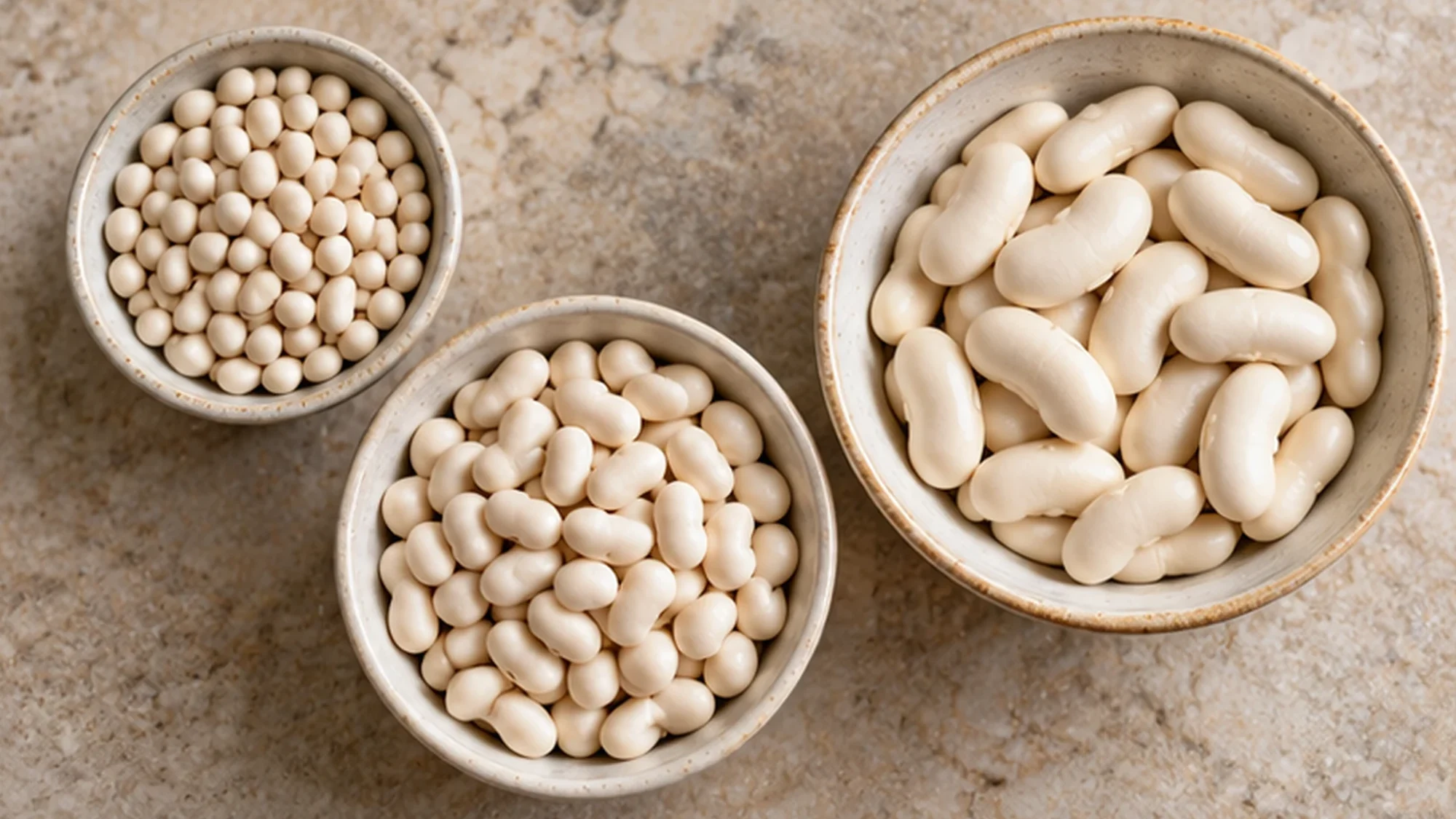
Which white beans are in the package?
University of Illinois Extension compares the common types: cannellini are white kidney beans, Great Northern are smaller, and navy beans are smaller still. Butter beans belong in the broader white-bean conversation too, although their shape and starchiness make them a noticeably different choice.
Use the table as a cooking guide, not a rule that forbids substitutions. Brands, age and cooking time also affect how firmly beans hold together.
| Bean | Useful texture cue | A good starting point |
|---|---|---|
| Cannellini | Larger, kidney-shaped; creamy inside | Salads and hearty soups |
| Great Northern | Medium-sized; tender skin | Soups and stews |
| Navy | Small; thin skins soften readily | Dips and thick bean soups |
| Butter or lima beans | Larger, broader, starchy texture | Casseroles and substantial bowls |
Canned or dried: choose the work you want
Canned white beans are convenient because the cooking is already done. Drain them for a salad or follow the recipe if it uses the canning liquid. For a quick dinner, that convenience can matter more than an idealized plan to soak a bag overnight.
University of Alaska Fairbanks Extension’s bean guide explains preparation and the differences between varieties. Dried beans offer control over the finished texture, but they need time; do not substitute a dry cup for a cooked cup and expect the recipe to work.
- Read the can: compare sodium levels if that matters to you. No-salt-added options give you more control over seasoning.
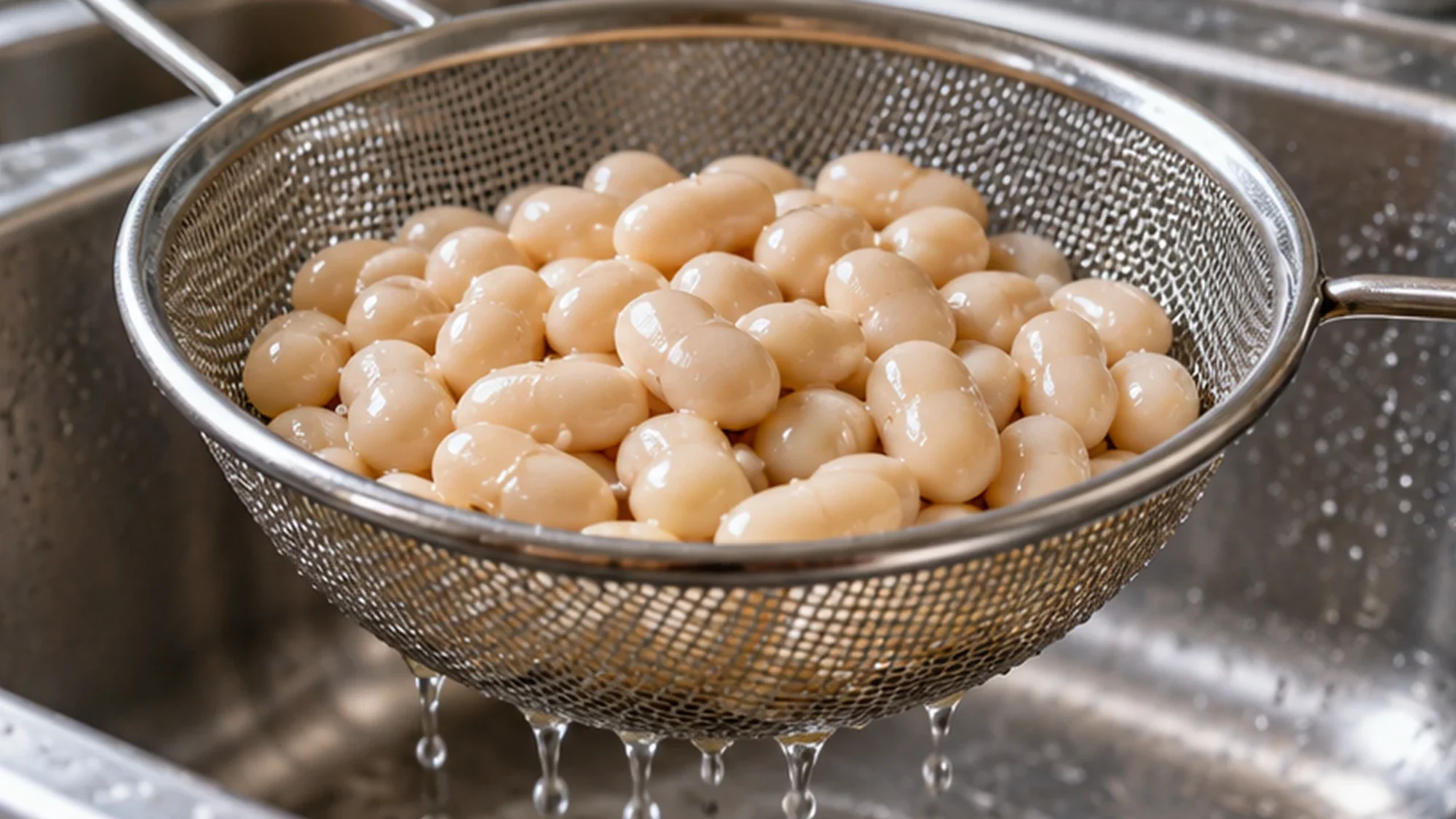
- Rinse when appropriate: draining and rinsing canned beans removes some of the packing liquid and can reduce sodium. It also gives salads a cleaner starting texture.
- Save liquid deliberately: bean liquid can help thicken a soup, but its saltiness varies. Taste before adding more seasoning.
- Plan the amount: a recipe that calls for drained beans means the beans after the liquid is removed, not the total contents of the can.
Prepare dried white beans safely
Cannellini are white kidney beans, so do not treat raw dried cannellini like a ready-to-eat ingredient. The FDA’s Bad Bug Book explains kidney-bean lectin safety: raw or inadequately cooked kidney beans can cause illness. White kidney beans contain this toxin too, although less than red kidney beans.
Use an established bean-specific method. For dried kidney-type beans, the FDA describes soaking for at least five hours, discarding that water, and boiling in fresh water for at least thirty minutes. Continue cooking as needed for complete tenderness; do not rely on low-temperature slow cooking alone.
- Sort and rinse first: remove debris and damaged beans before soaking.
- Do not sample raw beans: checking flavor before proper cooking is not a safe shortcut.
- Separate canned from dried: commercially canned beans have already been cooked. A slow-cooker recipe using canned beans is not permission to substitute raw dried kidney beans.
- Use the package as well: variety-specific directions matter, and cooking times can vary. Do not assume another bean’s timing applies.
Build a meal around their gentle flavor
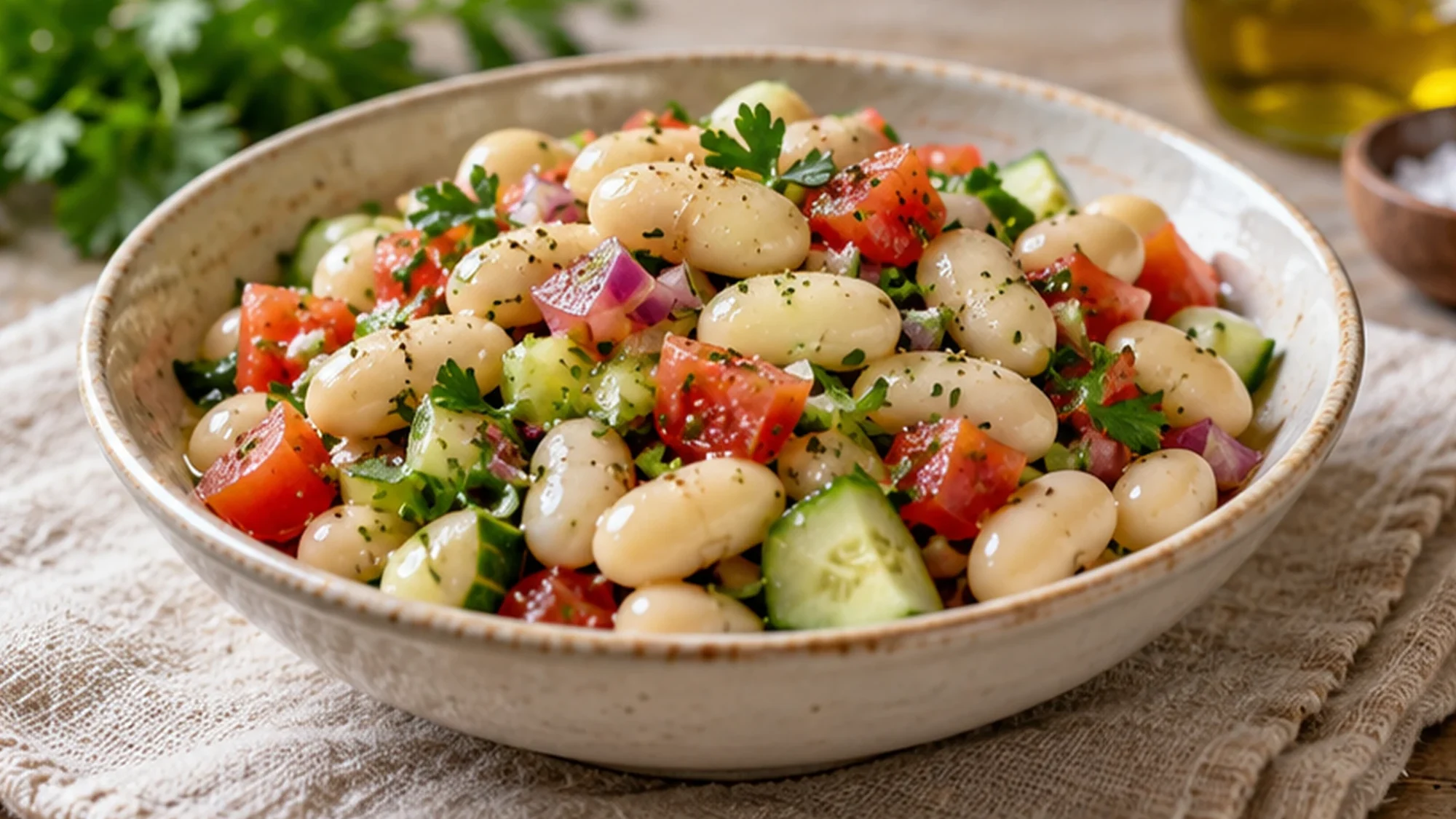
White beans give you a mild base that welcomes sharper ingredients. Lemon, vinegar, tomato, herbs and a little heat can keep a soft, creamy bowl from feeling flat. I like the contrast of tender beans with something crisp, rather than adding more and more soft ingredients.
Beans contribute protein and fiber, but the finished meal still depends on portions and additions. Our guide to legumes and pulses explains the larger family without treating every member as nutritionally identical.
- For a salad: fold beans gently with crunchy vegetables and dressing. Vigorous stirring can turn a delicate batch into an accidental dip.
- For a thicker soup: mash some cooked beans and leave the rest whole. You get body and texture without needing every bean to disappear.
- For a spread: blend fully cooked beans, then add liquid gradually. It is easier to loosen a thick dip than rescue a watery one.
- For leftovers: cool and refrigerate promptly in shallow containers rather than leaving a large pot on the stove. Follow established food-safety storage guidance.
Bottom Line
Choose white beans by texture and convenience: intact beans for salads, softer ones for dips, and either for soups. Keep canned and dried preparation separate, and give dried kidney-type beans the proper soaking and boiling they require.
Jessica in the Kitchen demonstrates a marinated-bean serving idea using cooked beans. Treat the video as cooking inspiration, not evidence that one dish treats inflammation.
Sources
- University of Illinois Extension: common white bean varieties
- University of Alaska Fairbanks Extension: cooking dried beans, peas and lentils
- FDA Bad Bug Book: kidney-bean lectin and safe preparation

Hi, I’m Emily Pocker! I share recipes and food guides here at Recipes360 to help you find everyday meal inspiration and feel more confident in the kitchen. My goal is to make cooking approachable, enjoyable, and full of flavor.