
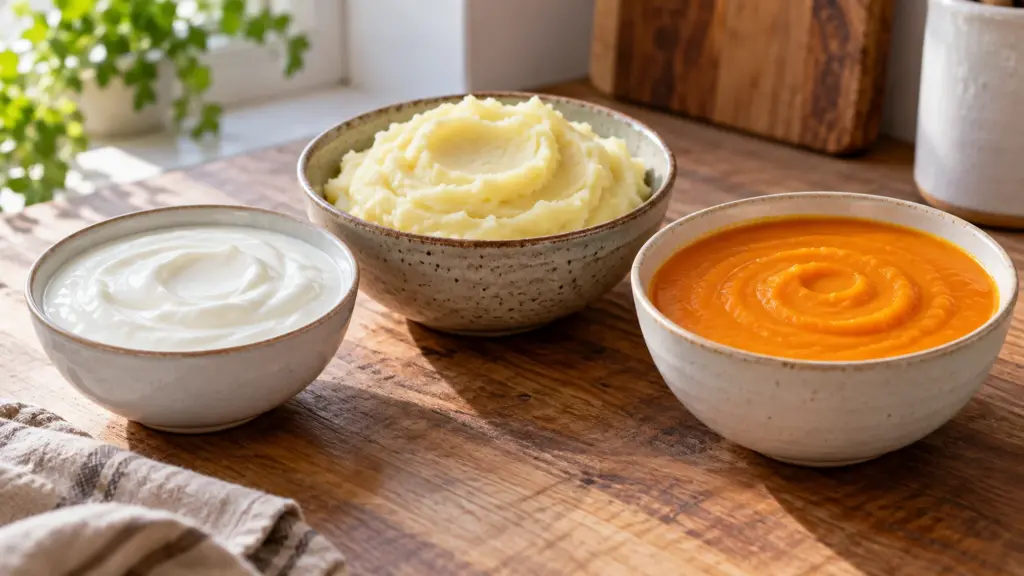
Wondering what to eat after wisdom teeth removal? Start with smooth, soft foods that need little or no chewing, then add more texture only as your oral surgeon’s instructions and comfort allow. A short grocery list is more useful than a rigid promise that everyone can eat normally by a particular day.
Choose smooth yogurt, applesauce and cooled blended soup first; move toward soft meals gradually, and let your own surgical team—not an online timetable—set the pace.
I like to organize a recovery shopping list around texture and convenience: something cool, something savory and a few easy portions. This is a food-planning guide, not a substitute for your discharge instructions or individualized dental advice.
What to eat after wisdom teeth removal at first
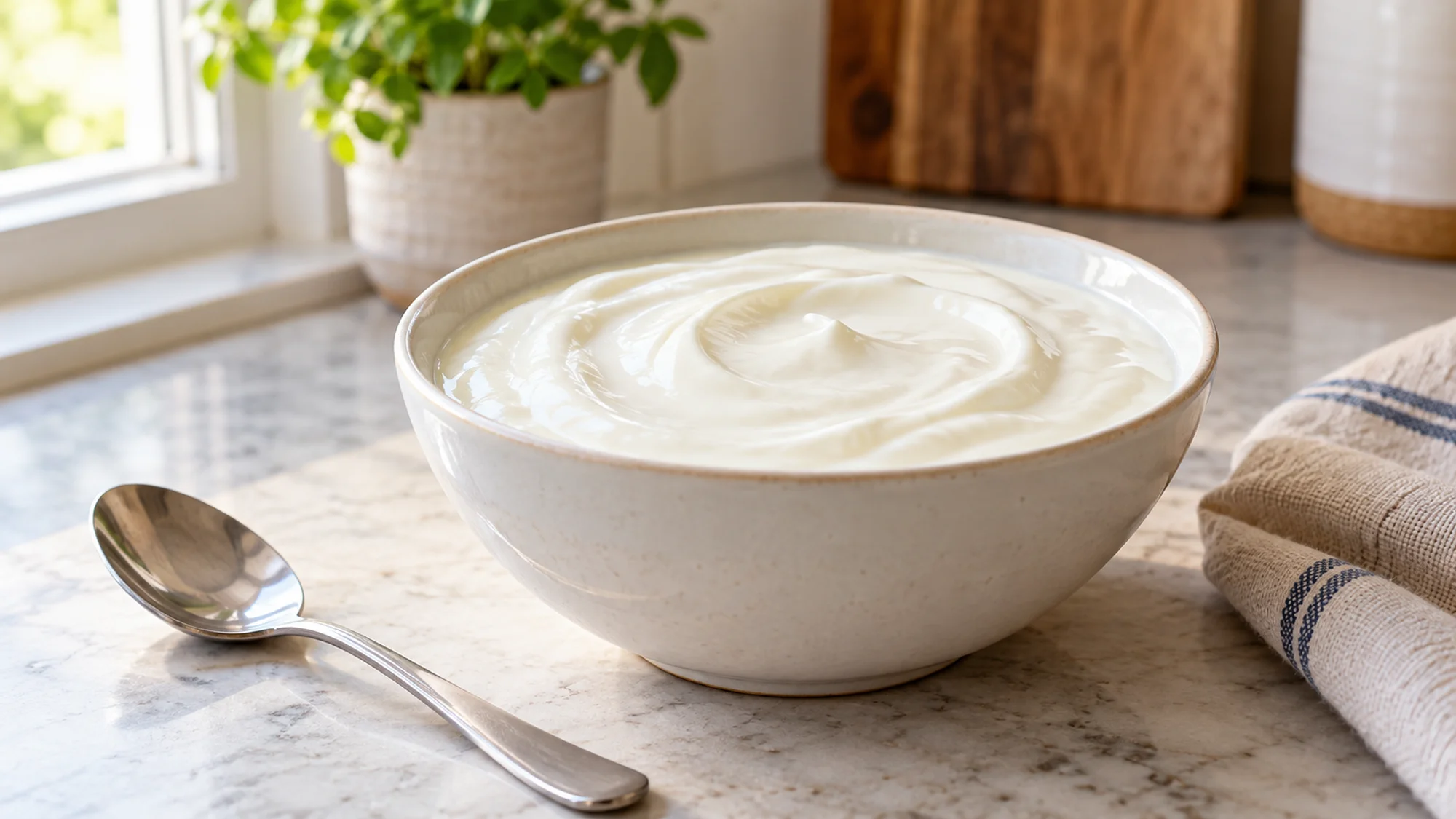
The American Association of Oral and Maxillofacial Surgeons (AAOMS) recommends soft or liquid foods immediately after extraction. Smooth yogurt, applesauce and pureed soup are examples; remove chunks, seeds and crunchy toppings rather than assuming that anything served in a bowl is gentle.
Follow your team’s instructions about when to start eating after anesthesia, especially while your mouth is numb. Keep the first portions modest, use a spoon or sip from a cup, and choose a comfortable cool or lukewarm temperature rather than a steaming meal.
- Plain smooth yogurt without fruit pieces or granola
- Smooth applesauce without firm chunks
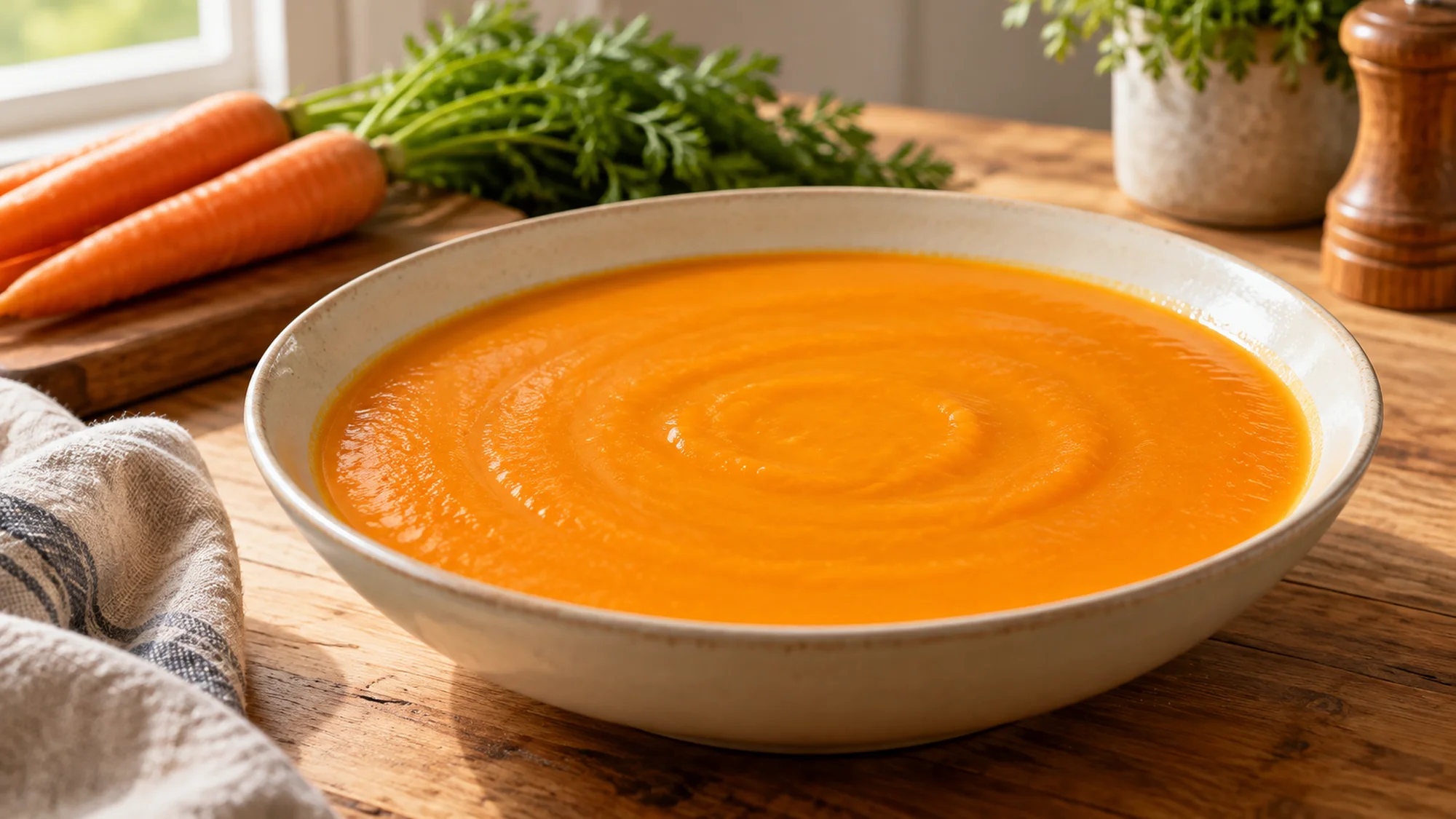
- Fully blended soup, strained if needed and allowed to cool
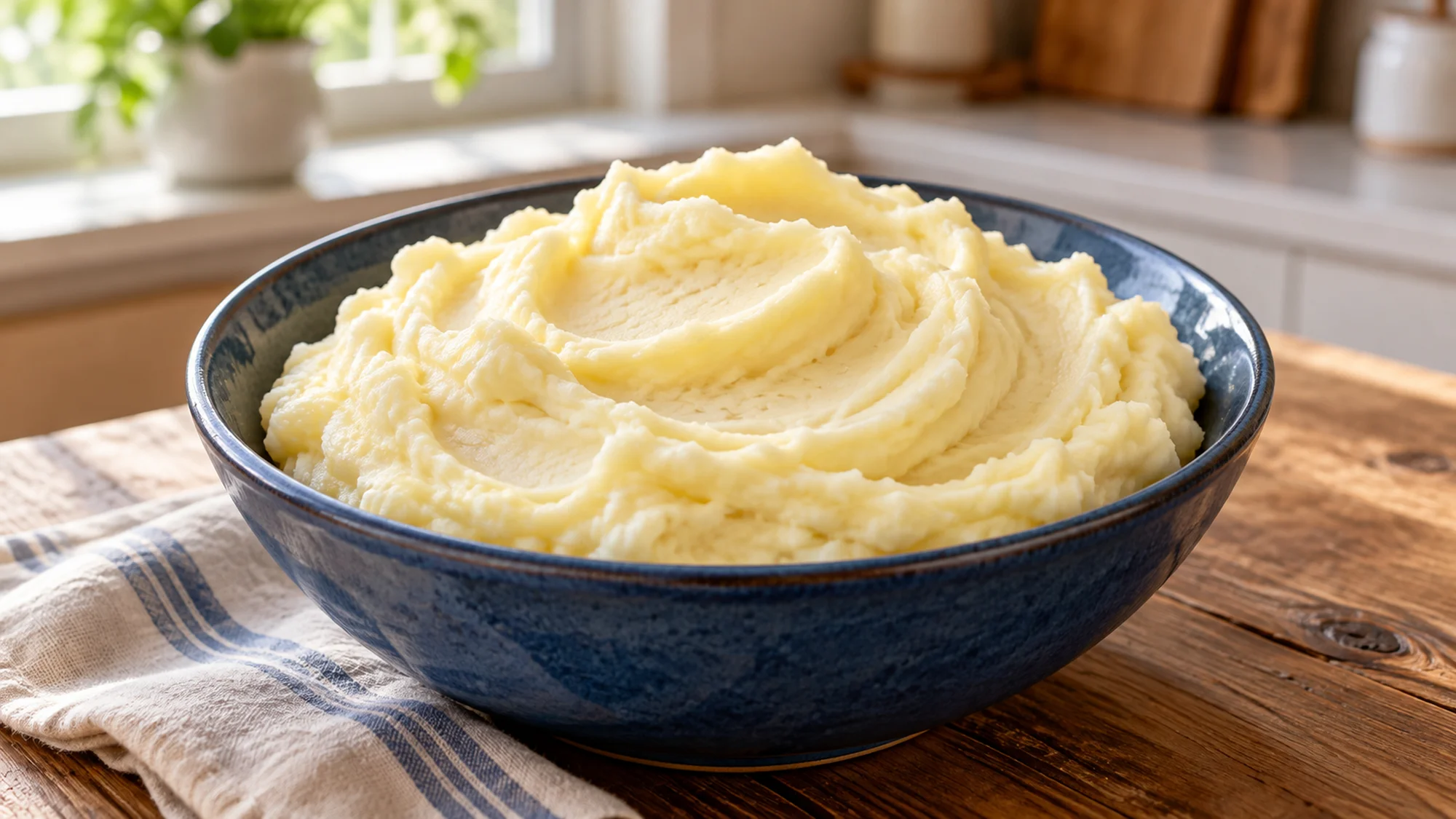
- Smooth mashed potatoes, thinned if necessary and permitted by your instructions
Build a soft-food menu without relying on ice cream
A little variety can make shopping less frustrating. I would keep both sweet and savory options ready, so every meal does not become another dessert. Before surgery, portion familiar foods into small containers so you or a helper can serve them without a long cooking session.
These are texture ideas, not a day-by-day clearance chart. Allergies, diabetes, swallowing difficulties and other dietary needs may require a different plan; ask your clinician or dietitian when standard suggestions do not fit. Keep a suitable protein option on the list rather than planning only sweet snacks.
| Food idea | Make it gentler | Leave out |
|---|---|---|
| Yogurt | Choose a smooth consistency | Seeds, fruit chunks, granola |
| Blended soup | Puree thoroughly; cool before eating | Croutons, coarse herbs, hot temperature |
| Mashed potatoes | Make smooth and comfortably moist | Crisp skins and crunchy toppings |
| Eggs or soft pasta | Add when your team permits chewing | Firm edges, chewy additions |
Foods and habits to hold off on
The NHS recovery guidance advises against hard or crunchy foods and small items such as nuts and seeds that can lodge in the wound. Very hot drinks and alcohol are also poor choices during early recovery. A crisp chip or toast crust is not made gentle simply by cutting it smaller.
AAOMS also cautions against straws: suction can disturb the protective clot. Follow your surgeon’s specific restriction rather than choosing your own restart date. Keep spicy or acidic foods off the menu if they sting, and do not poke at the socket to remove something that feels stuck.
- Avoid crunchy crackers, popcorn, nuts and seeds during the restricted period.
- Skip smoothie add-ins that leave gritty seeds or fragments.
- Ask your team how and when to rinse; do not start forceful rinsing on your own.
- Avoid smoking and follow the team’s alcohol restrictions.
Adding texture and knowing when to call
As recovery progresses, AAOMS lists options such as scrambled eggs, mashed potatoes and very soft pasta, guided by the treating surgeon. Try a small amount rather than jumping straight to a chewy meal. If chewing hurts or food catches, pause and ask for advice instead of pushing through.
The NHS inform aftercare advice emphasizes protecting the clot and following the timing for mouth care. My practical preference is to keep written instructions beside the meal plan. Two people with different extractions may receive different advice, even when both describe the procedure as wisdom tooth removal.
Contact your dental team promptly for bleeding that will not stop, severe or worsening pain or swelling, fever, a bad taste with pain, or feeling increasingly unwell. Trouble breathing or swallowing needs emergency care. If you cannot drink enough or keep fluids down, seek medical advice rather than trying another food list.
Bottom Line
The best answer to what to eat after wisdom teeth removal is not a universal calendar. Choose smooth foods, protect the healing area and return to chewing gradually under your surgeon’s guidance. Keep the menu simple, make small portions easy to reach, and treat worsening symptoms as a reason to call—not a reason to tough it out.
Sources

Hi, I’m Emily Pocker! I share recipes and food guides here at Recipes360 to help you find everyday meal inspiration and feel more confident in the kitchen. My goal is to make cooking approachable, enjoyable, and full of flavor.