
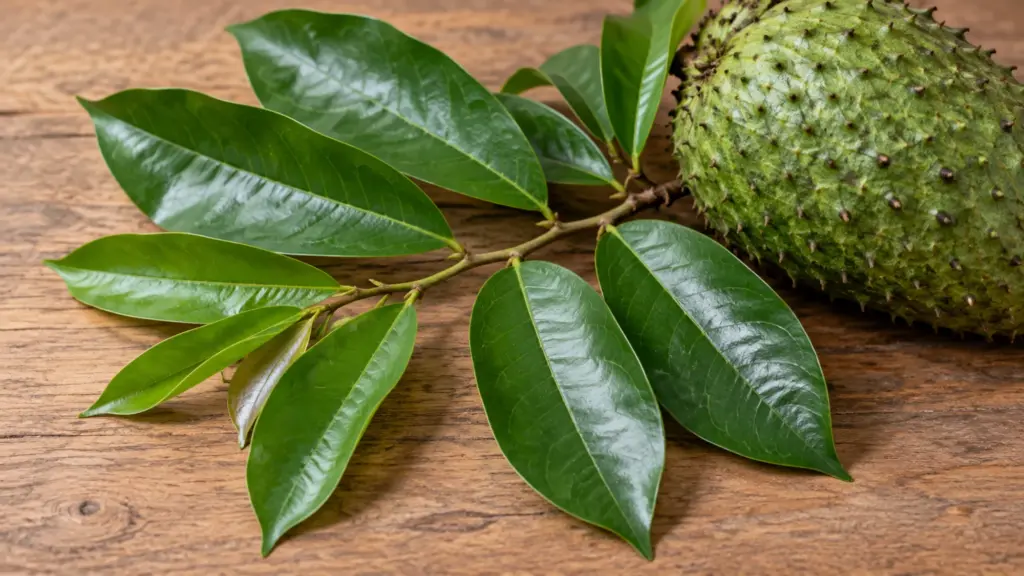
A bag of dried soursop leaves can come with claims much larger than the leaves themselves. Before treating it like an everyday tea purchase, separate the plant, the preparation, and the evidence. A familiar fruit name does not establish that its leaves are safe to use regularly.
Soursop leaves come from Annona muricata, also called graviola or guanabana. They are used in traditional preparations, but they are not a proven cancer treatment. Human benefit and safety evidence is limited, and neurological concerns and possible medicine interactions deserve attention.
What soursop leaves are
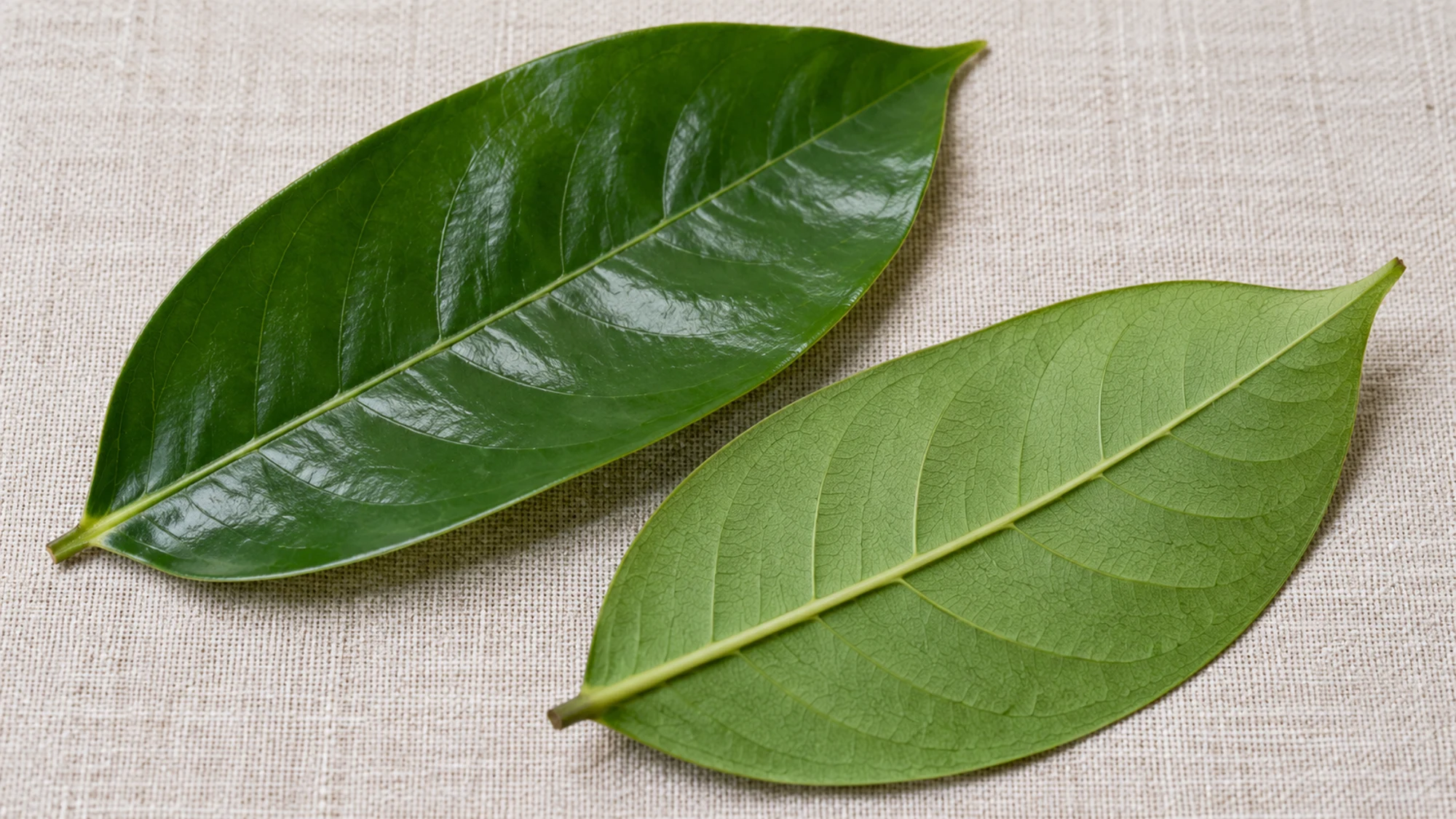
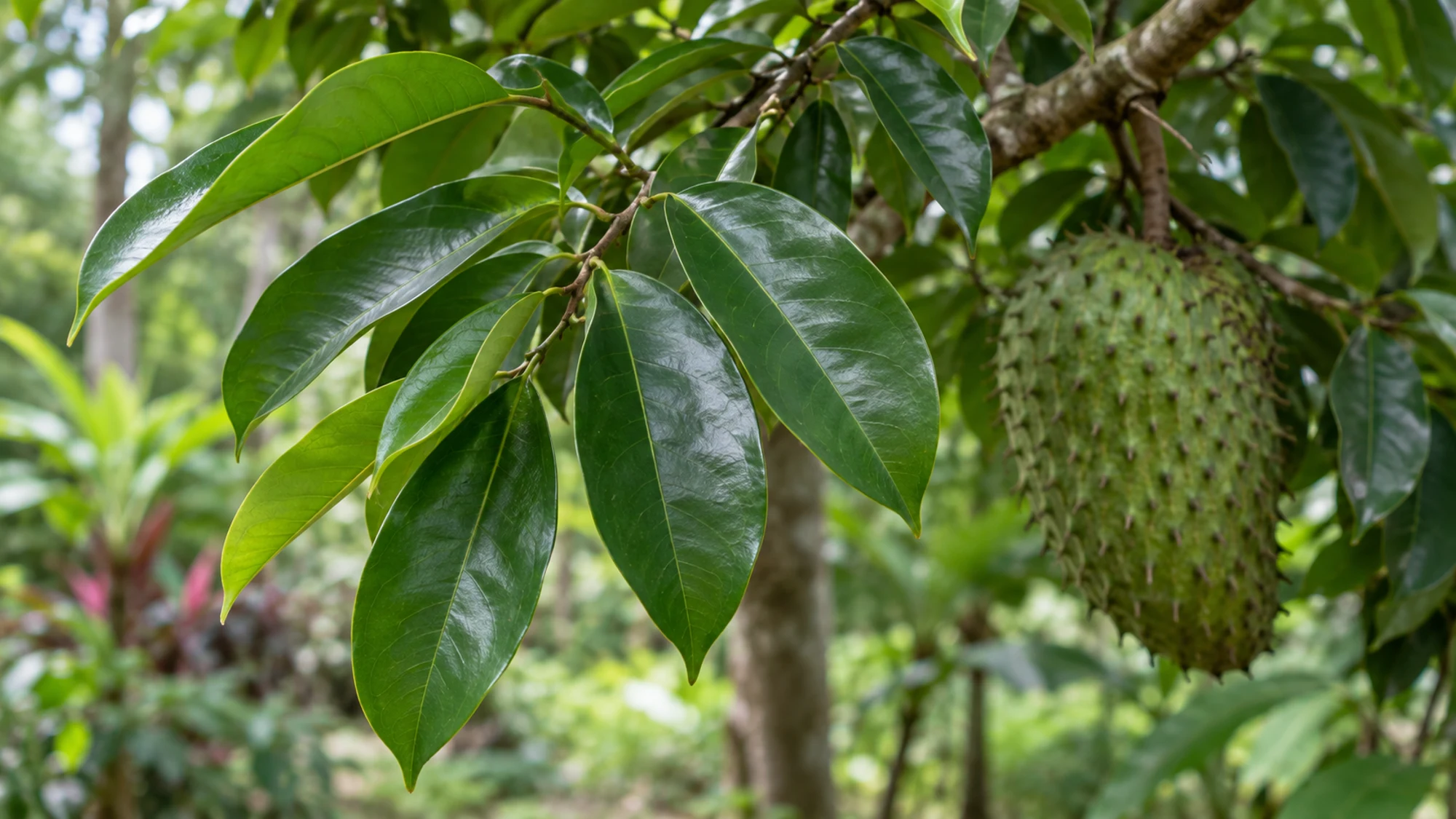
The Singapore NParks plant description identifies smooth, glossy leaves that are darker above and lighter underneath, with an oblong or elliptical shape. This is the same tree that produces the soft-spined soursop fruit, but the leaf and edible fruit pulp are different plant materials.
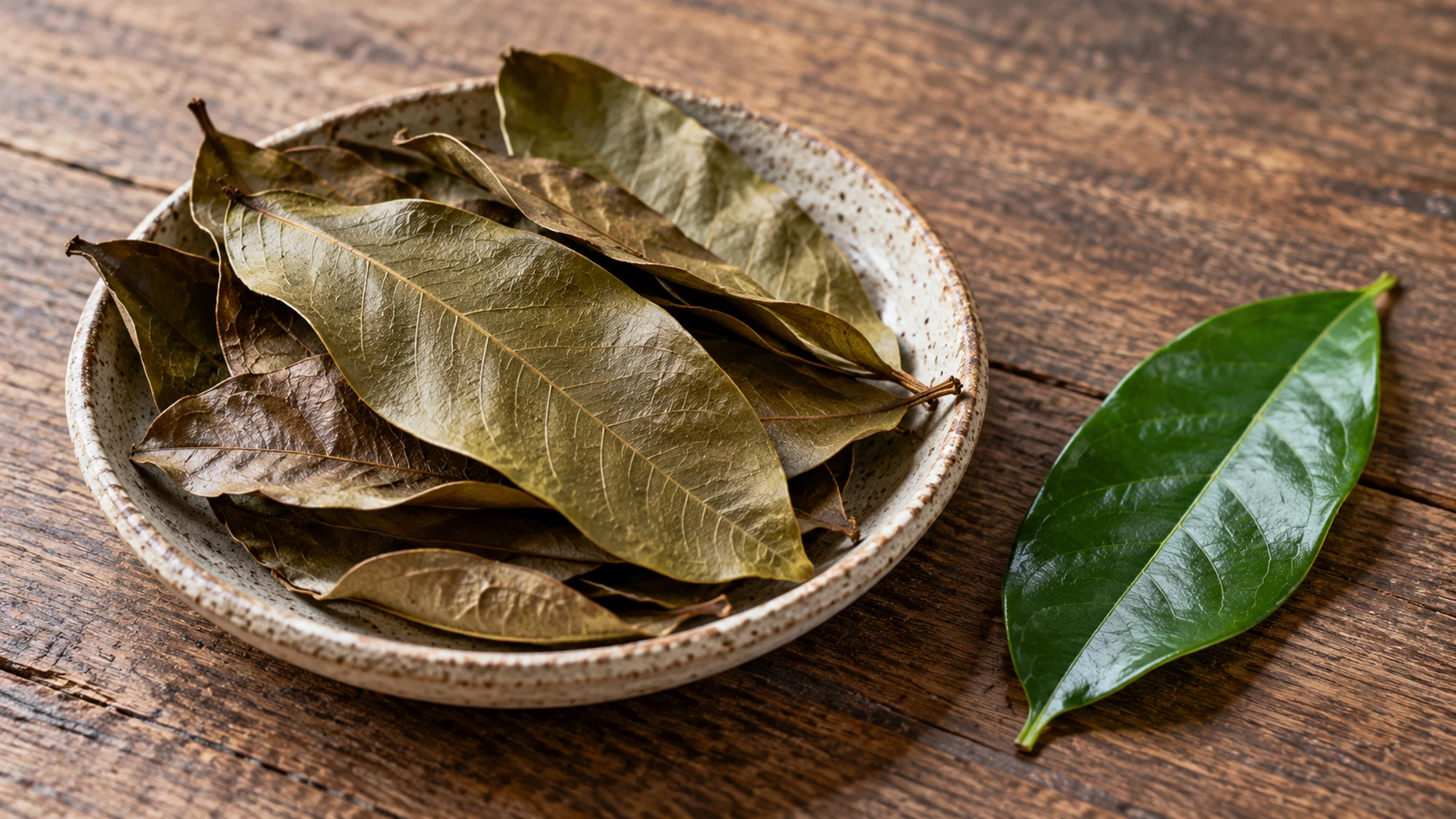
I’d start with the scientific name on the product rather than a photograph in a marketplace listing. Common names can be confusing, and a leaf’s appearance is not enough to confirm identity, purity, or suitability for ingestion. An attractive botanical image cannot answer those questions.
- Fresh or dried leaves: plant material used in traditional preparations.
- Leaf powders or extracts: products that may differ in concentration and composition.
- Fruit pulp: a food use that does not establish a safety record for concentrated leaves.
Why cancer claims go beyond the evidence
Memorial Sloan Kettering’s graviola review describes laboratory work involving extracts and cancer cell lines, while noting a lack of clinical evidence. Killing cells in a laboratory does not show that drinking a leaf preparation treats a tumor safely in a person.
| Evidence or claim | What it can tell you | What it cannot establish |
|---|---|---|
| Traditional use | How a plant has been used | Proven benefit or long-term safety |
| Cell study | A biological effect under lab conditions | A safe, effective human treatment |
| Animal study | Signals worth investigating | The result in people |
| Customer testimonial | Someone’s reported experience | Cause, effectiveness, or a safe dose |
The National Cancer Institute cautions that foods, herbs, and supplements have not been proved to slow, cure, or prevent cancer returning. Do not delay or replace prescribed cancer care because of a soursop claim. More persuasive marketing does not fill a gap in clinical evidence.
Safety questions remain unresolved
Cancer Research UK describes concerns about nerve changes and movement disorders, based on laboratory research and observations involving substantial graviola exposure. Such findings are safety signals; they do not prove that one particular cup causes Parkinson’s disease or establish a safe daily amount.
MSK also notes uncertainty about how preclinical neurotoxicity findings translate to people. That uncertainty should not be turned into reassurance that an unspecified leaf product is harmless. “Natural” describes an origin, not a completed safety assessment.
- A homemade leaf drink is not a standardized medicine.
- Drying, extracting, and combining plant parts can change what a product contains.
- A seller’s brewing instructions do not establish a medically safe regimen.
- This evidence does not support recommending a therapeutic leaf count, dose, or course of use.
Bring the actual product to a medicine review
MSK flags possible additive effects with blood-sugar-lowering and blood-pressure-lowering medicines, based on animal findings whose clinical relevance remains uncertain. It also advises avoiding graviola around nuclear imaging such as PET scans because it may affect test results. Discuss the product with the team arranging the test.
If you have cancer, Sunnybrook recommends discussing natural health products with your pharmacist or oncology team. I’d bring the packet or clear photos of every label, rather than describing it only as “tea.” That gives the conversation something concrete to work with.
- Record the product name, scientific name, plant part, and full ingredient list.
- Tell the clinician whether you already use it and how often; include other teas and supplements.
- Ask whether it could affect your medicines, condition, treatment, or planned tests.
- Do not stop prescribed medicine to make room for an unproven product.
Bottom Line
Soursop leaves deserve an evidence and safety check, not cancer-cure promises. Traditional use and laboratory results do not establish an effective human treatment or a safe regimen. Review the actual product with your healthcare team before using it medicinally.
Sunnybrook Hospital’s longer education session below covers natural health products and cancer care generally. It provides context for discussing supplements; it is not a soursop treatment demonstration.
Sources
- Singapore NParks: Annona muricata plant description
- Memorial Sloan Kettering: graviola evidence and interactions
- Cancer Research UK: graviola claims and safety concerns
- National Cancer Institute: diets, supplements, and cancer
- Sunnybrook Hospital: natural health products during cancer care

Hi, I’m Emily Pocker! I share recipes and food guides here at Recipes360 to help you find everyday meal inspiration and feel more confident in the kitchen. My goal is to make cooking approachable, enjoyable, and full of flavor.