
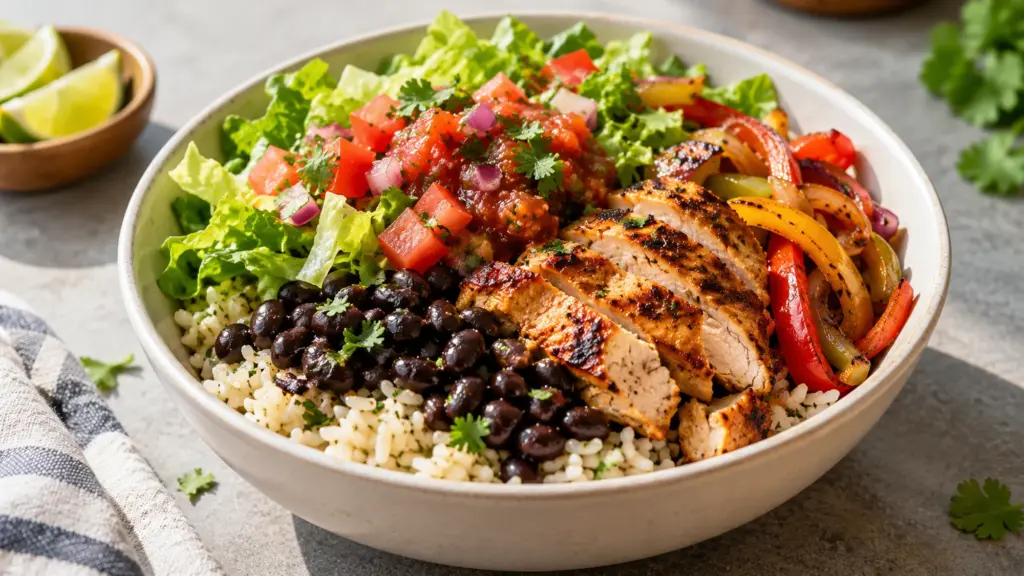
You reach the counter with a simple plan, then rice, beans, salsa, cheese, and guacamole start competing for space. Is Chipotle healthy? There is no useful yes-or-no answer for an entire restaurant. The ingredients, amounts, and combination you order matter more than whether the meal arrives in a bowl or a tortilla.
Chipotle can fit a balanced eating pattern, but no single order is right for everyone. Beans, vegetables, protein choices, toppings, and portion size all matter; sodium deserves attention even in a bowl that looks vegetable-heavy.
I’d begin with what you actually want to eat and one practical priority, rather than trying to engineer a supposedly perfect lunch. The bowls pictured here are illustrative meal combinations, not photographs or measured portions of Chipotle orders.
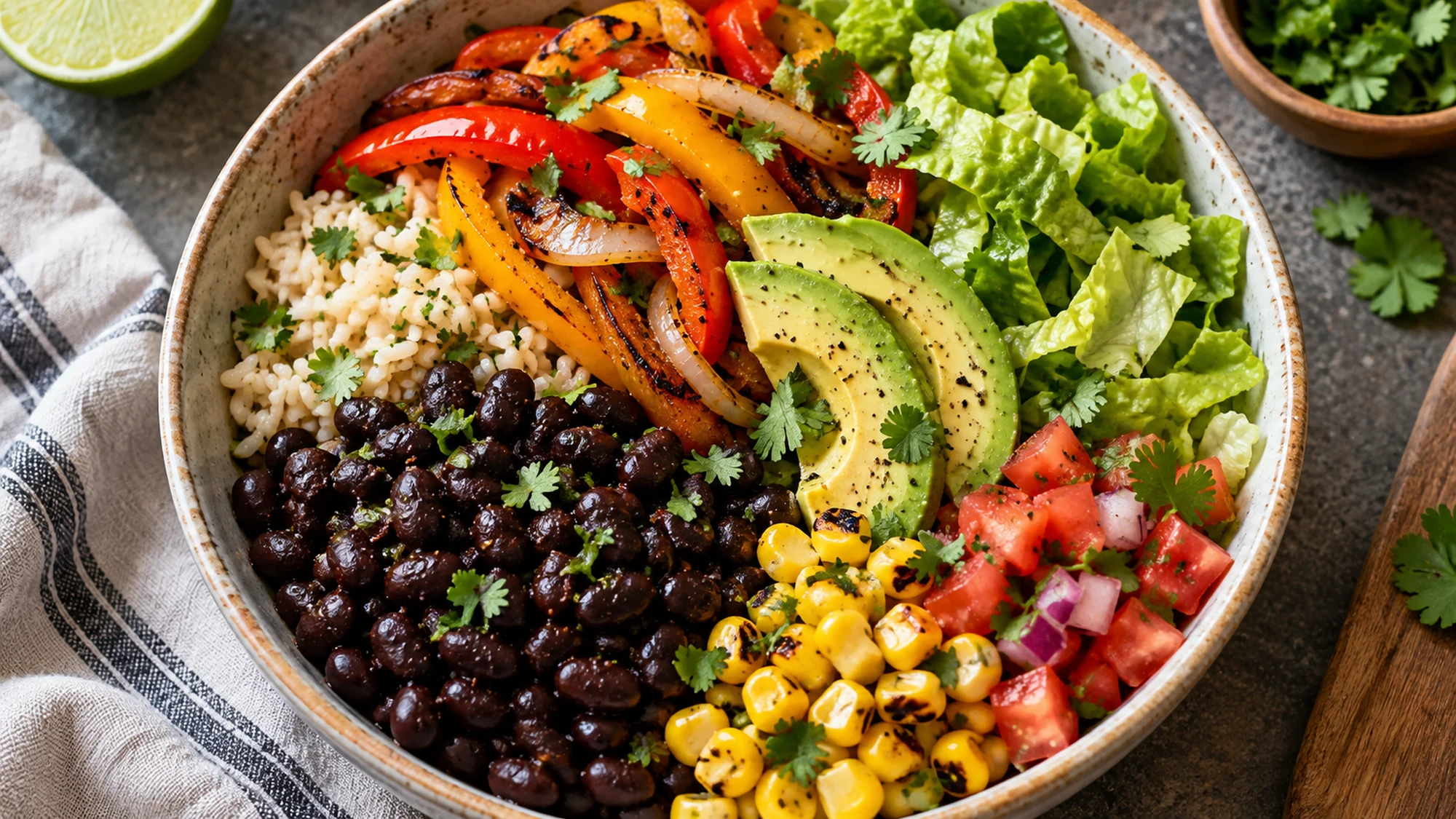
Is Chipotle Healthy? Judge the Order, Not the Name
Chipotle’s published U.S. nutrition chart lists ingredients separately, making it possible to compare the components. The figures below come from its March 2025 chart, checked October 27, 2026—not a promise that every restaurant scoop or later menu item matches exactly.
- Choose a meal structure: rice or another base, beans, vegetables, and a protein option can play different roles. You do not have to remove every carbohydrate to make a thoughtful choice.
- Decide what matters to you: appetite, food preferences, allergies, budget, and any individual nutrition advice may point toward different orders.
- Check the finished combination: a bowl is not automatically lighter than a burrito when extra toppings or sides change the meal.
- Use current ordering information: consult the official nutrition calculator for the items available to you. Recipes and limited-time offerings can change; the chart also notes portion variation.
A useful starting order might include rice, beans, fajita vegetables, and a protein you enjoy, then the salsa or topping you most want. That is an example, not a prescription. I’d rather keep a favorite topping intentionally than order a meal that feels like a compromise and still misses the nutrition priority.
What the Rice and Beans Actually Add
Compare like portions before deciding one option is dramatically different. These are 4-ounce servings from Chipotle’s published chart. Rice and beans are not interchangeable foods, but seeing the same serving basis helps clarify what each contributes.
| Item, 4 oz | Calories | Fiber | Sodium |
|---|---|---|---|
| Brown rice | 210 | 2 g | 190 mg |
| White rice | 210 | 1 g | 350 mg |
| Black beans | 130 | 7 g | 210 mg |
| Pinto beans | 130 | 8 g | 210 mg |
In this chart, brown and white rice have the same calories; the fiber difference is modest. Beans contribute more fiber in the listed portion. Choose the rice you enjoy, and consider whether adding beans serves your meal better than expecting a rice swap alone to transform it.
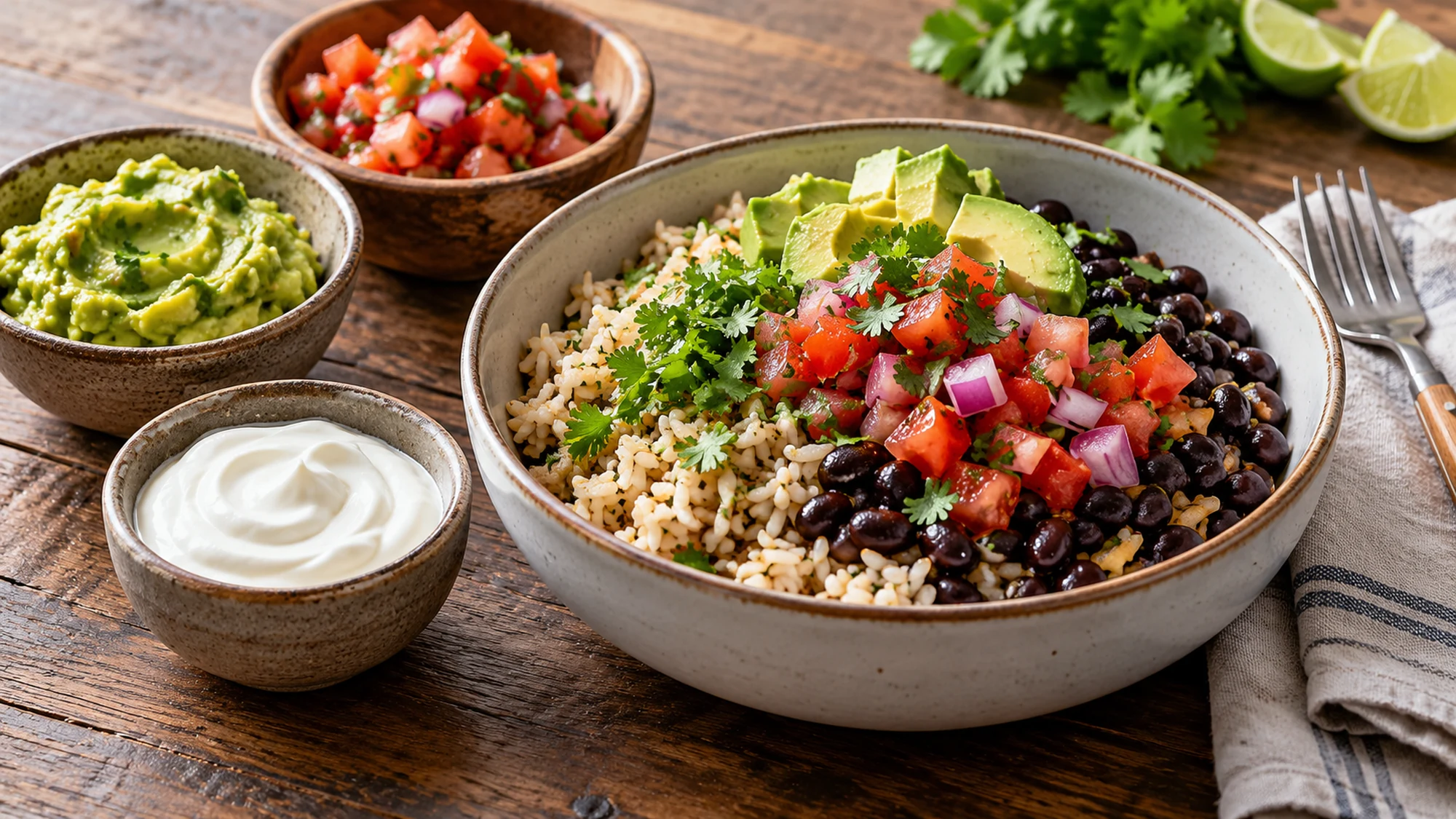
Sodium and Toppings Deserve a Separate Look
Vegetables and salsa do not automatically mean a low-sodium meal. Chipotle’s chart lists 550 mg sodium for a 4-ounce serving of fresh tomato salsa and 600 mg for one burrito tortilla. The FDA’s sodium Daily Value is 2,300 mg; that is a label reference, not a personalized target for every person.
- Look across the whole order: rice, beans, protein, salsa, and a tortilla can each contribute sodium. Focusing only on the saltiest-tasting ingredient can miss the total.
- Choose rich toppings deliberately: cheese, sour cream, and guacamole have different ingredients and nutrient profiles. None is mandatory, and none needs to be treated as forbidden.
- Consider a side portion: asking for a topping separately can make it easier to choose how much you use. It does not guarantee a precisely measured restaurant serving.
- Remember extras: chips, dressing, and drinks are part of the meal too. Compare the order you intend to eat, not an imaginary bowl without its usual accompaniments.
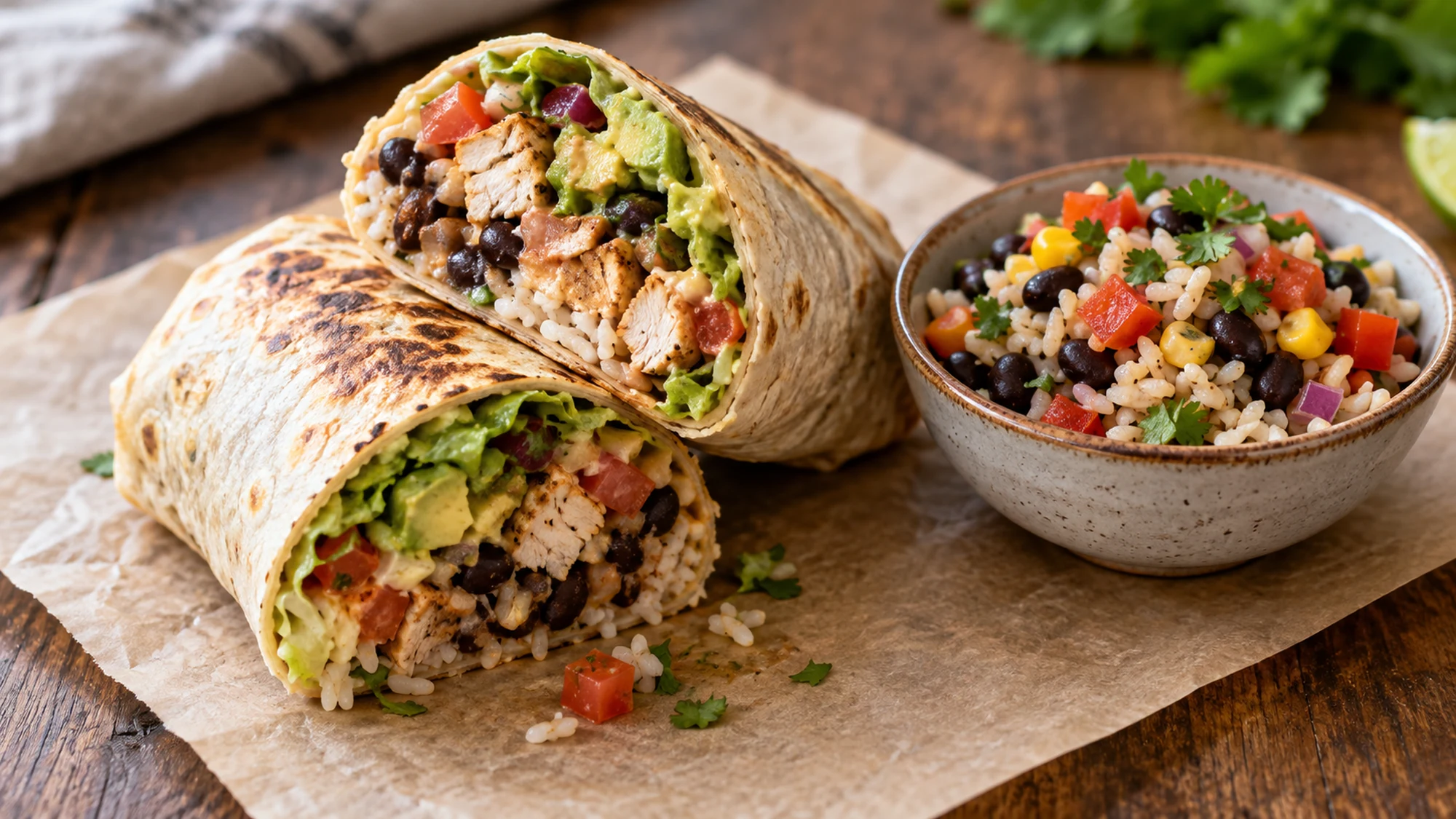
Fit the Meal to Your Needs, Including Allergies
For allergies, use Chipotle’s current allergen information and speak with staff. The company warns that cross-contact is possible and that limited-time or test items may contain additional allergens. Removing a visible ingredient is not the same as making an order allergy-safe.
- For a plant-based order: verify the current ingredients rather than assuming every dressing or topping is vegan.
- For a specific sodium limit or medical diet: follow individualized advice and check the complete meal. A general restaurant guide cannot establish suitability.
- For portion comfort: order an amount that suits your appetite, or plan to save part safely. A large portion does not create an obligation to finish it.
Bottom Line
Build the meal you want with a clear view of its ingredients. Beans and vegetables can be useful additions, but the full order—including sodium, toppings, sides, and portion size—is the meaningful comparison.
Sources
- Chipotle: U.S. nutrition chart, March 2025
- Chipotle: Nutrition calculator
- Chipotle: Allergens and special diets
- FDA: Sodium in your diet

Hi, I’m Emily Pocker! I share recipes and food guides here at Recipes360 to help you find everyday meal inspiration and feel more confident in the kitchen. My goal is to make cooking approachable, enjoyable, and full of flavor.