
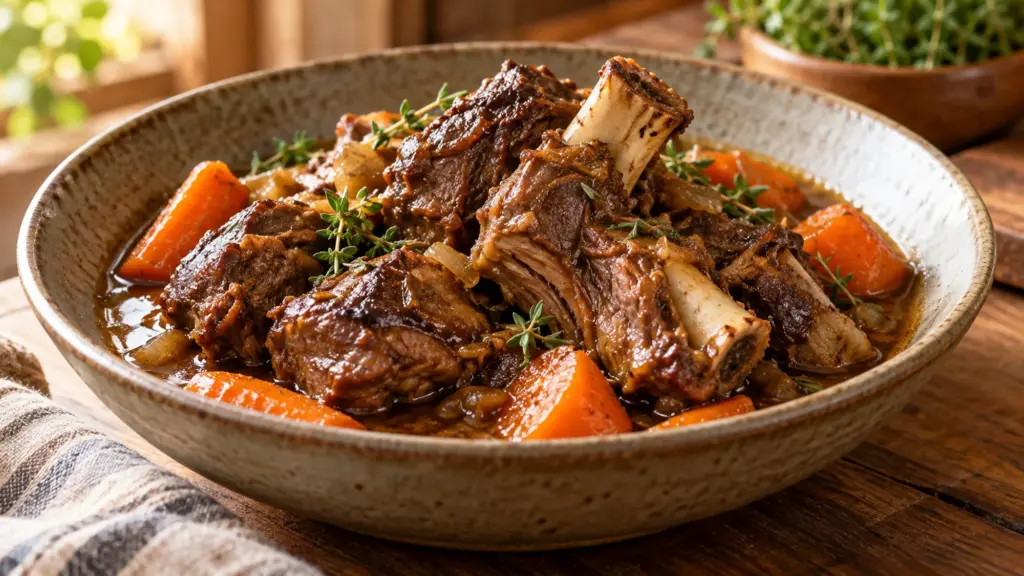
A package labeled goat meat deserves a little more attention than “cook it like beef.” The cut, the animal’s maturity and whether the meat is ground or bone-in can change the best approach. Goat is red meat, often lean, and the useful starting question is which part you bought and how you want to serve it.
Choose goat meat by cut and cooking purpose. Less tender pieces suit braising or stewing; a safety temperature is not a tenderness guarantee. Cook steaks, chops and roasts to at least 145°F with a three-minute rest, and ground goat to 160°F.
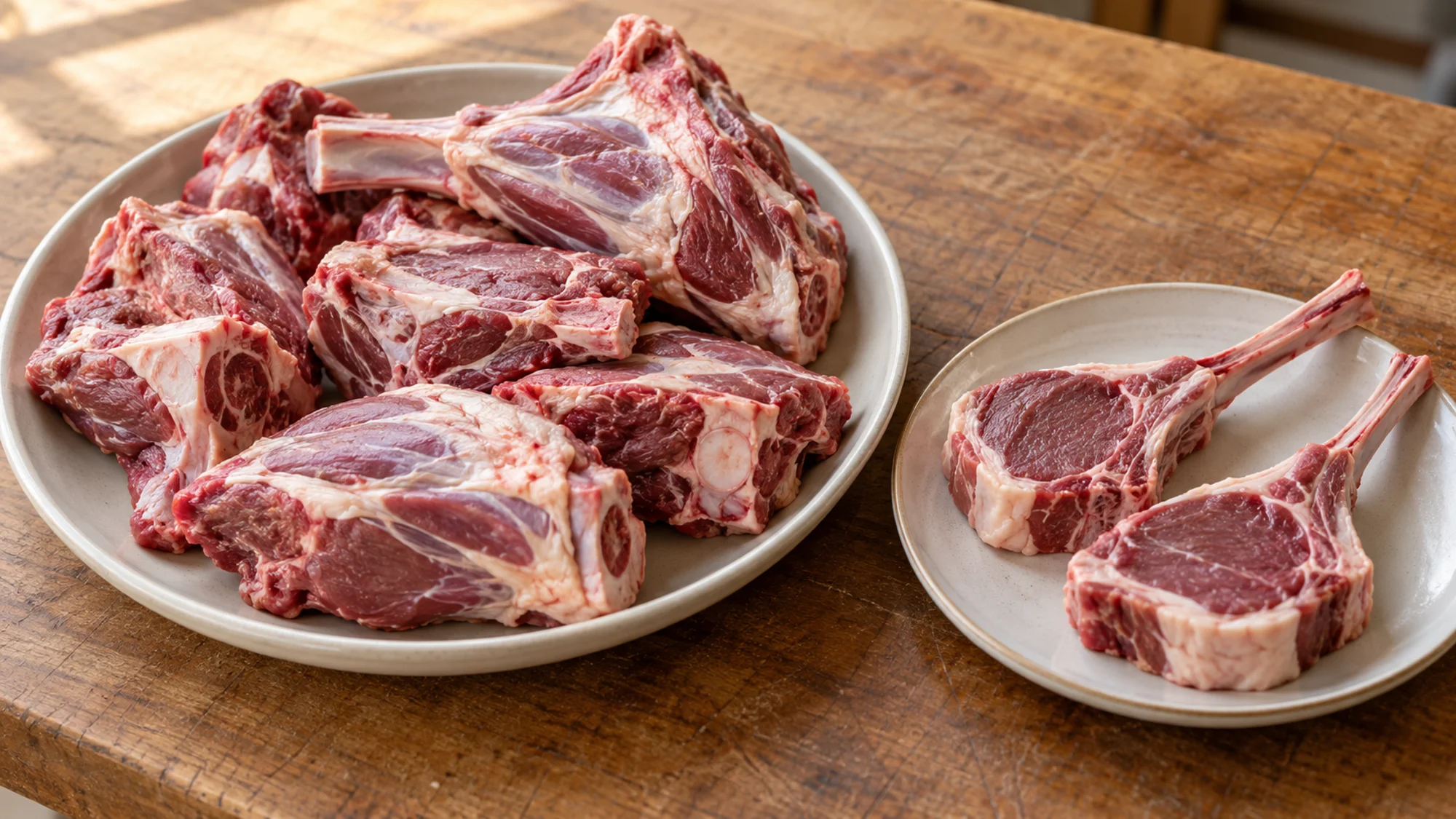
Choose goat meat by cut, not just the name
Penn State Extension describes goat as lean red meat with a distinctive flavor. That does not make every package identical. Bone, trimming, the cut and the age of the animal affect what you buy and how the meat behaves. Ask the seller for a clear cut description instead of assuming a mixed bag of pieces is all one muscle.
I would tell the butcher what dinner is meant to be: a slow braise, grilled chops or ground meat for a familiar dish. That gives the conversation a practical destination. If pieces are sold bone-in, think about edible yield as well as package weight; a pound of mixed bone-in pieces is not a pound of boneless meat.
| What you buy | Useful planning question | Safety reference |
|---|---|---|
| Steaks, chops or roast | Is this cut suited to quick cooking or a longer method? | 145°F minimum, then 3-minute rest |
| Less tender pieces | Will a covered braise or stew suit the cut? | Safety and tenderness are separate checks |
| Ground goat | Does the recipe call for plain or seasoned ground meat? | 160°F minimum |
| Cooked leftovers | How soon will you eat or freeze them? | Reheat to 165°F |
Match the method to tenderness
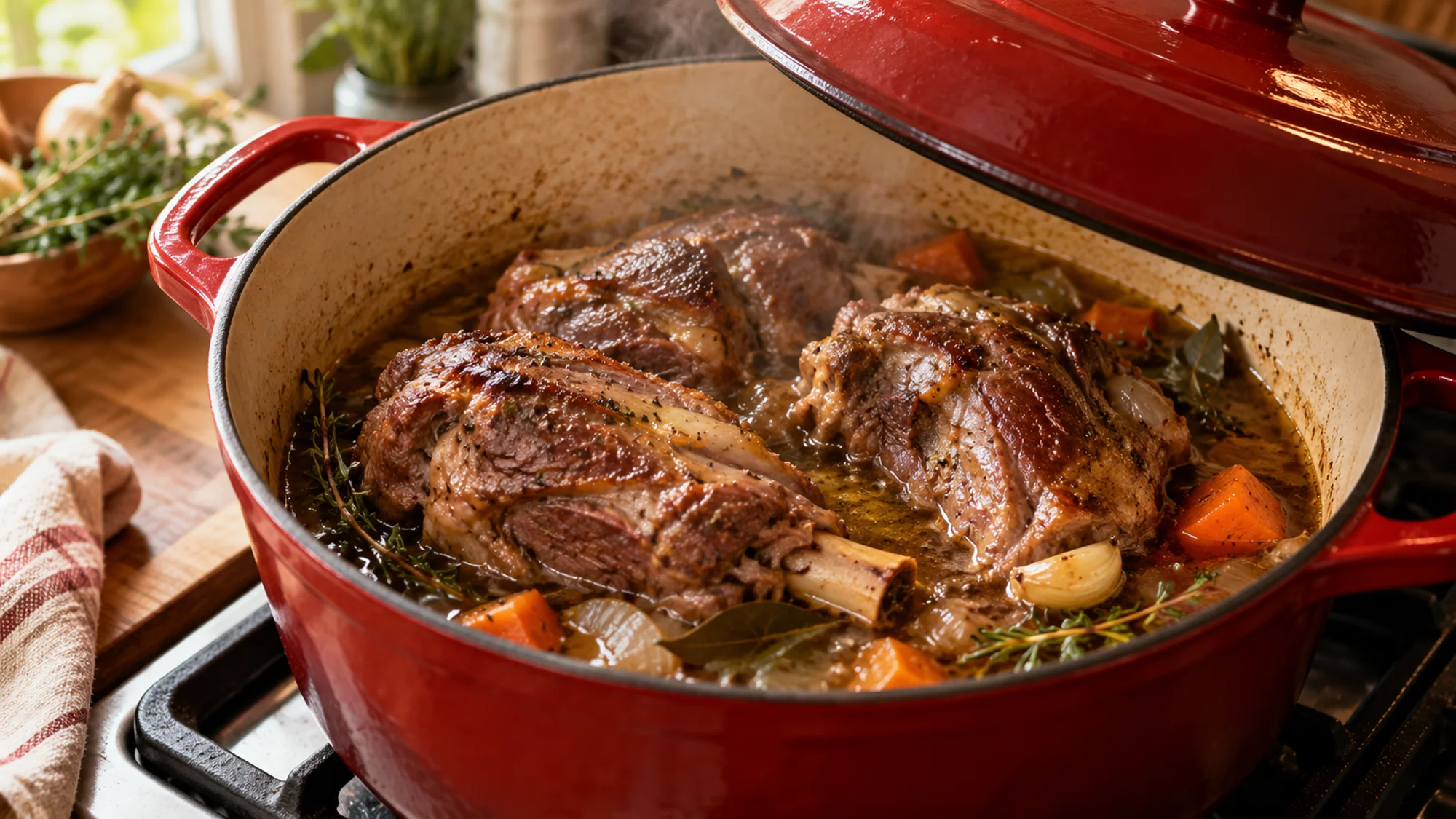
USDA’s goat cooking guidance recommends braising or stewing less tender cuts. Moist cooking in a covered pan suits pieces that need time to become tender. Young goat and more mature meat need not behave alike, so avoid borrowing one fixed cooking time for every package.
Check the cut and the recipe together. A method written for small boneless pieces may not suit large bone-in chunks without adjustment. I would look for a recipe that names the cut or clearly describes the pieces, rather than one that promises every goat dish will be ready on the same schedule.
- Keep pieces reasonably similar in size when the recipe allows it.
- Use the specified cut when following a tested cooking method.
- Check tenderness separately from the safe minimum temperature.
- Do not assume a marinade can turn every cut into a quick-cooking chop.
Choose the cooking method for the meat’s structure, then verify safety with a thermometer.
Check temperature without relying on color
The federal safe-temperature chart gives 145°F with a three-minute rest for goat steaks, roasts and chops, and 160°F for ground meat. Use a food thermometer in the relevant thick portion, avoiding bone. A browned surface or a particular shade inside is not the measurement.
A stew may need further cooking for the texture you want even after its meat reaches a safe temperature. Conversely, a tender-looking piece is not proof that it has reached the safety minimum. Keep those two decisions distinct instead of expecting a single visual cue to settle both.
- Measure more than one large or differently sized piece when needed.
- Use clean utensils and a clean plate for cooked meat.
- Check the recipe’s handling and resting instructions alongside the safety guidance.
- Reheat leftovers to 165°F rather than merely warming their surface.
Keep the storage plan simple
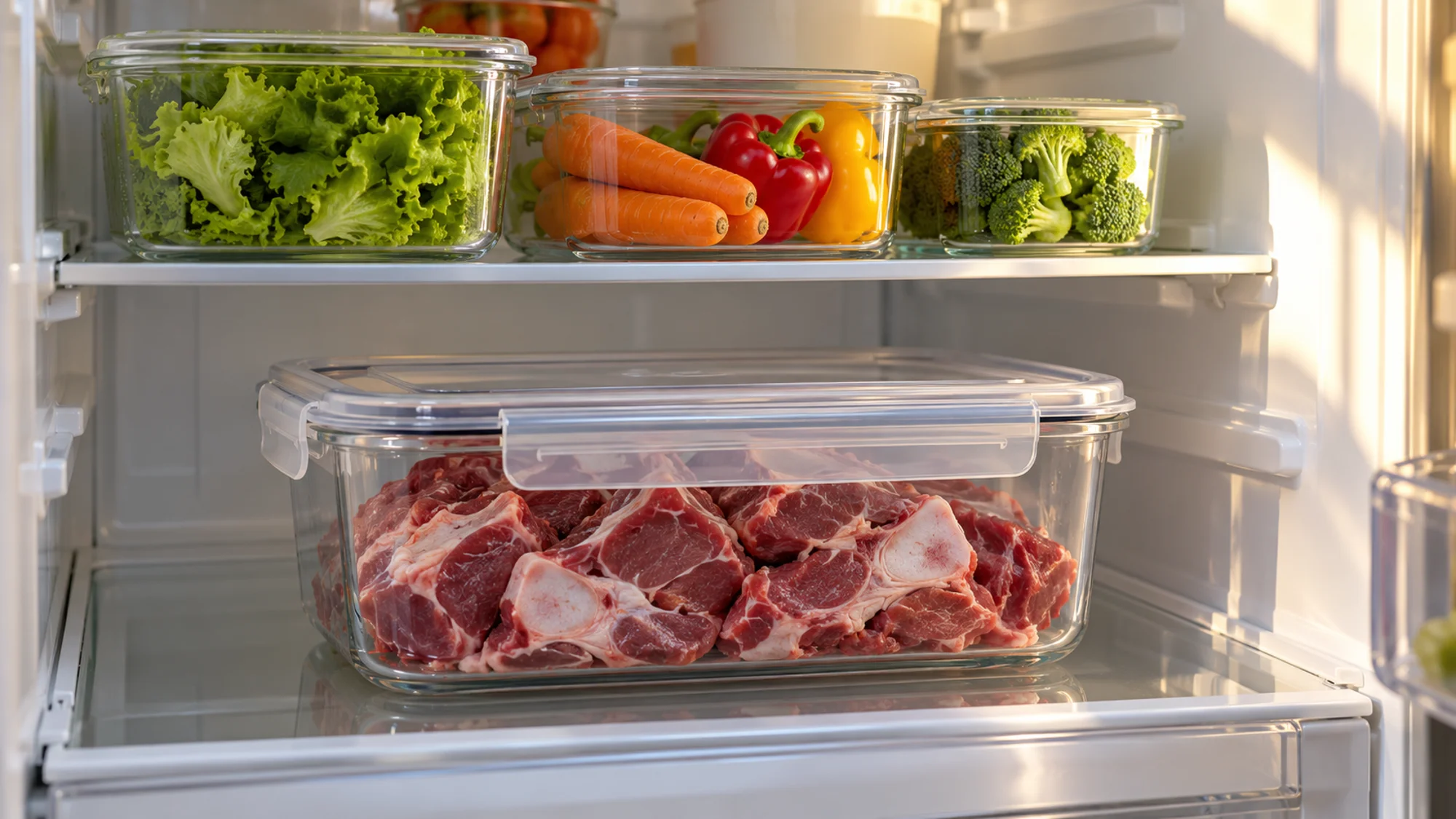
USDA lists one to two refrigerator days for raw ground goat and three to five days for raw steaks, roasts and chops before cooking or freezing. Cooked goat keeps three to four refrigerator days. Keep the refrigerator at 40°F or below and contain meat so juices cannot reach foods that will be eaten without further cooking.
Freeze portions you cannot use within the relevant window, label them and keep raw and cooked foods clearly distinguished. For comparing nutrition, use information matching the cut, edible serving and preparation. A lean piece of meat and the finished dish with oil, sauce and accompaniments are different comparisons; “goat” alone is not a complete nutrition label.
- Bring chilled meat home promptly and refrigerate it.
- Use a leak-proof container on a lower refrigerator shelf.
- Plan leftovers before cooking a large quantity.
- A frozen-storage quality recommendation is different from a promise about flavor remaining unchanged indefinitely.
Bottom Line
Goat meat is easier to choose when you know the cut and intended dish. Give less tender pieces an appropriate cooking method, verify the correct safety temperature and rest, and refrigerate or freeze portions on a clear schedule. Keep nutrition comparisons specific to what you actually eat.
Butcher Benny Tee’s English-language video identifies goat cuts for curry, stew and braising. It includes a whole-carcass butchery demonstration; use the temperature guidance above for home food-safety decisions.
Sources
- Penn State Extension: Goat meat product quality
- USDA: Cooking goat meat
- USDA: Refrigerator storage for goat meat
- FoodSafety.gov: Safe minimum temperatures

Hi, I’m Emily Pocker! I share recipes and food guides here at Recipes360 to help you find everyday meal inspiration and feel more confident in the kitchen. My goal is to make cooking approachable, enjoyable, and full of flavor.