
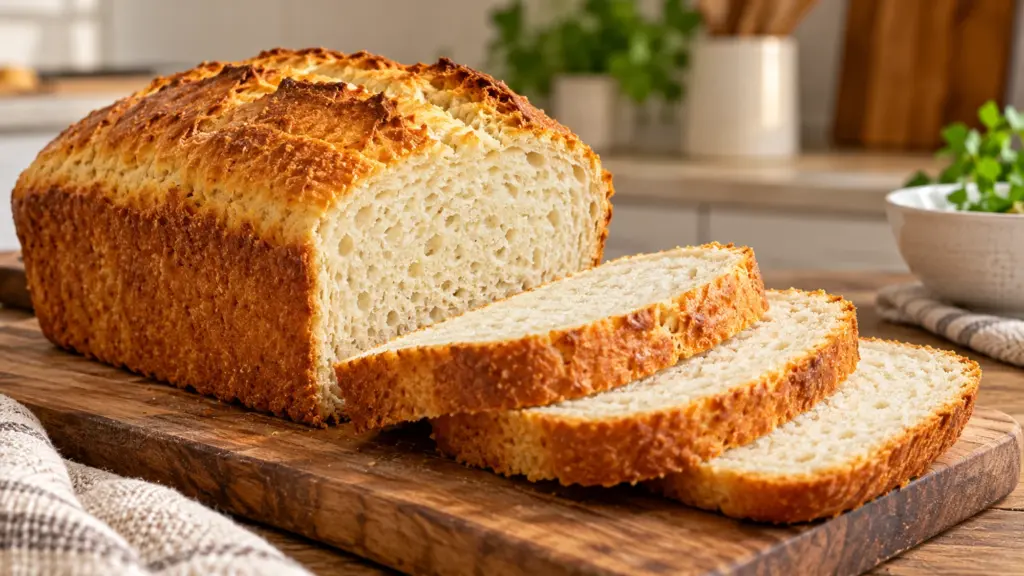
A loaf can promise soft sandwiches on the front and leave you puzzling over unfamiliar ingredients on the back. Gluten free bread is not one single style: some loaves lean on rice flour and starch, some include whole grains, and others use specially processed wheat starch.
Choose gluten free bread by checking the gluten-free claim, any separate allergy requirements and the nutrition label. Then think about how you will eat it: a loaf that shines as toast may not be your favorite for a cold sandwich.
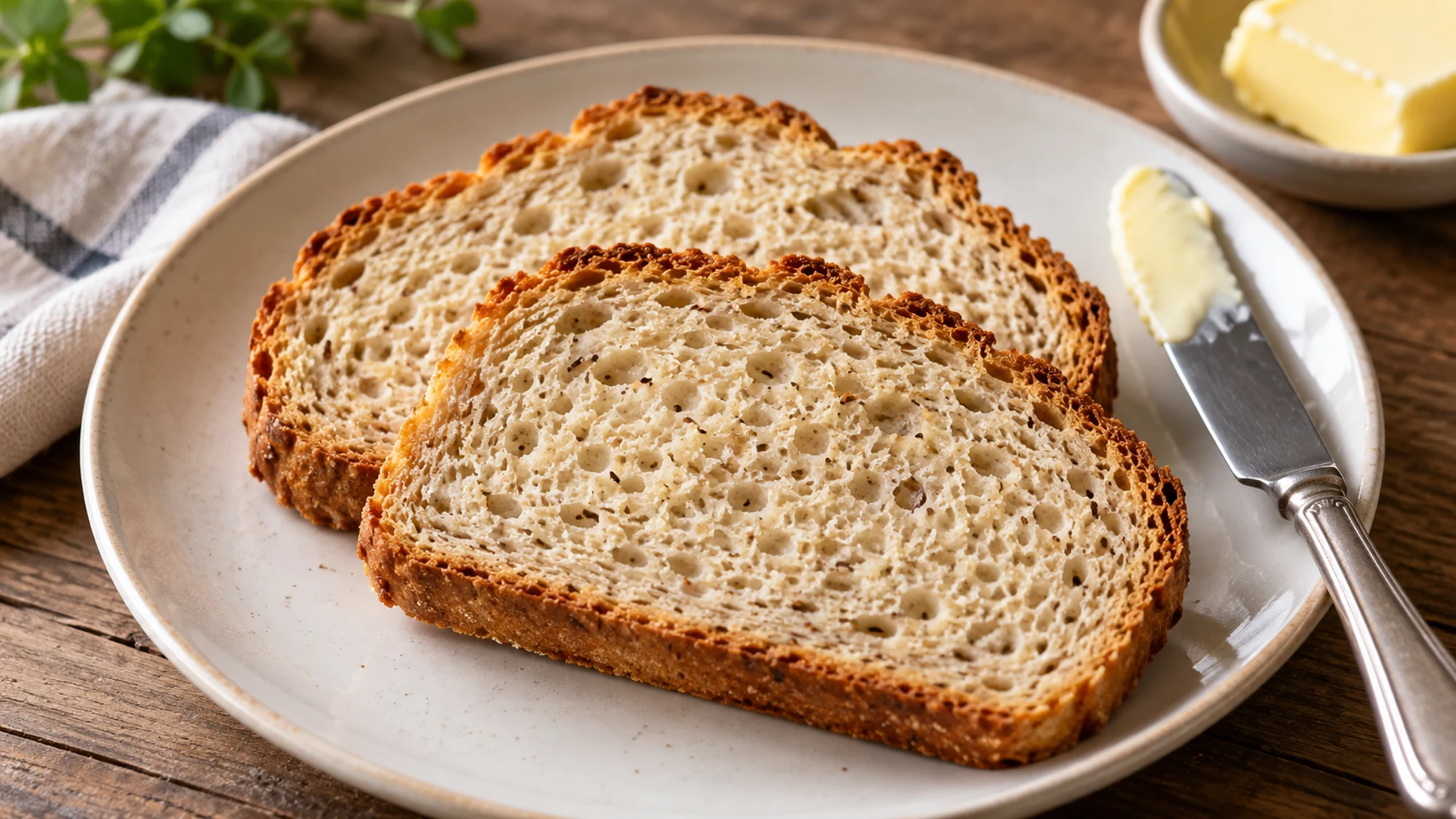
What Gluten Free Bread Labels Really Mean
For foods covered by the FDA gluten-free labeling rule, the claim requires less than 20 parts per million of gluten and compliance with ingredient restrictions. That is a defined labeling standard, not a promise that every package contains literally zero gluten.
“Wheat-free” and “gluten-free” answer different questions. Barley and rye also contain gluten, while specially processed wheat starch can appear in a compliant gluten-free food. If you have a wheat allergy, do not treat the gluten-free claim as your only safety check.
- For celiac disease: look for a clear gluten-free claim and check preparation practices as well as ingredients.
- For wheat allergy: read the wheat declaration and follow your allergy care plan; some gluten-free products still contain wheat-derived ingredients.
- For other allergies: check milk, eggs, soy, sesame and any other relevant ingredients separately. Gluten-free does not mean free of all allergens.
Read the claim that matches your need. Gluten-free and wheat-free are not interchangeable assurances.
Why the Flour Blend Changes the Slice
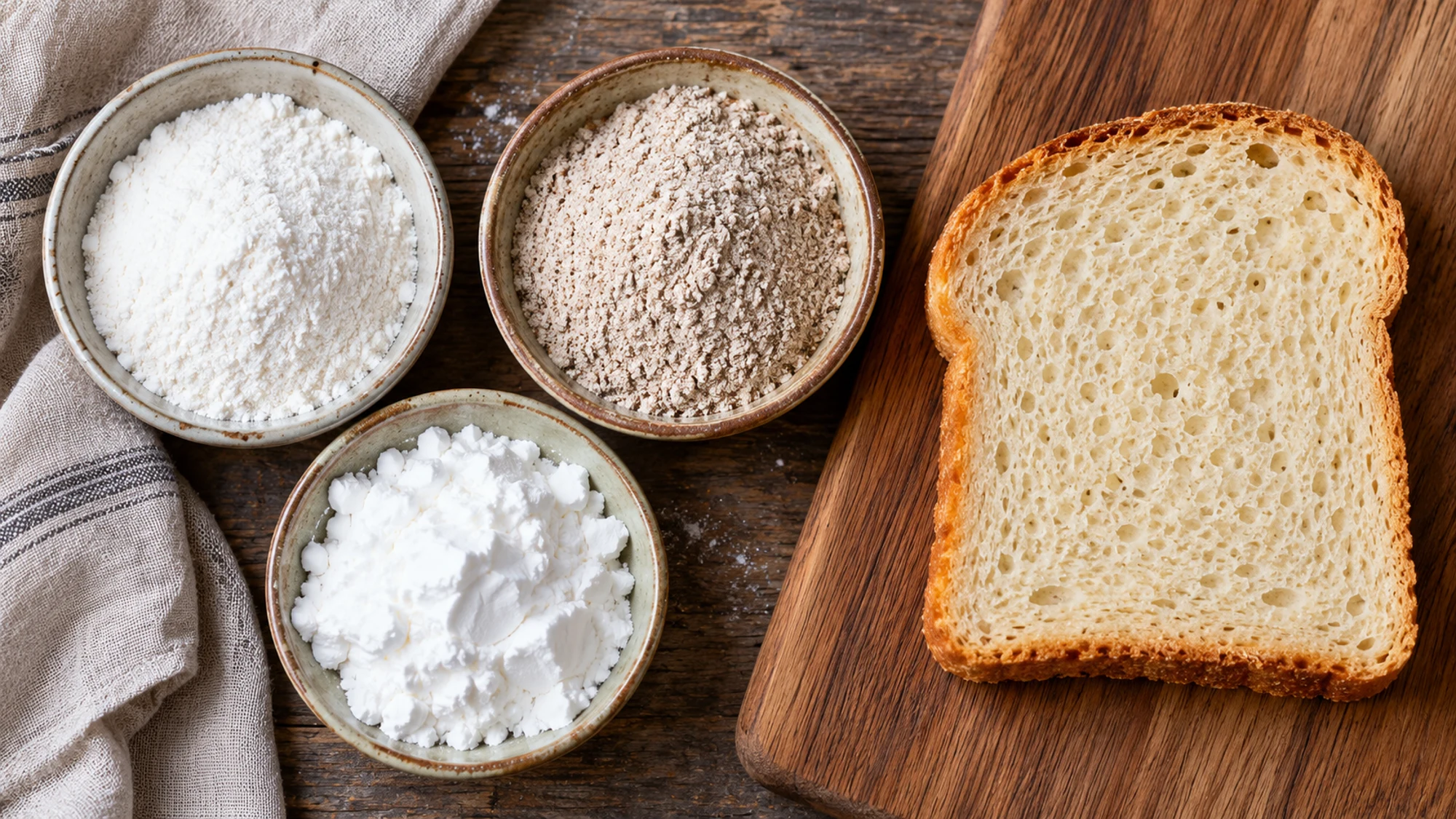
Gluten-free bread needs another way to hold its structure. King Arthur Baking explains how flour blends and xanthan gum affect bread, and why a blend intended for one baking task may not work the same way in another.
I would think of the ingredient list as a description of the loaf, not a contest to find the shortest one. A binder has a job to do. The useful question is whether the finished bread suits your taste, dietary needs and budget.
| Feature to compare | Why it matters | Practical check |
|---|---|---|
| Starch-forward blend | Can contribute to a lighter style of crumb | Compare fiber on the nutrition label |
| Whole-grain ingredients | Change flavor and may contribute more fiber | Check actual fiber per comparable serving |
| Eggs or milk | May affect texture and allergen suitability | Read the full ingredient list |
| Gluten-free wheat starch | Can help mimic conventional bread texture | Not a wheat-allergy substitute |
| Sliced frozen loaf | Allows smaller portions at a time | Follow package thawing and storage directions |
Buying Gluten Free Bread for the Meal You Want
There is no need to ask one loaf to do every job. For a packed sandwich, I would prioritize slices that bend without breaking; for breakfast, a loaf with a sturdy crumb may be perfectly pleasant toasted. Those are preferences, not proof that one brand is universally better.
Compare like with like when reading nutrition panels. A small slice and a large slice can make the numbers misleading, and a two-slice serving should not be compared directly with a one-slice serving. The label is more useful than a broad health halo around the front-of-pack claim.
- Look at serving size: compare both the stated portion and the weight when the slices differ substantially.
- Check what matters to you: fiber, sodium, added sugars and protein can vary; gluten-free does not guarantee a particular nutrient profile.
- Start with one loaf: texture preferences are personal, so a large multipack is not always the best first purchase.
- Plan the filling: bread is one part of the meal. Add the foods you enjoy and can safely eat rather than expecting the loaf to cover every nutritional need.
Choose for the actual sandwich or toast in front of you, then use comparable label information to make the final decision.
Keep the Bread Suitable After You Bring It Home
The NIDDK explains that cross-contact can transfer gluten during storage, preparation and serving. A suitable loaf can therefore become unsuitable if crumbs from regular bread reach it.
For homemade bread, follow a recipe developed for the specific flour blend rather than swapping any gluten-free flour into a wheat recipe. King Arthur notes that its different blends have different uses; a substitution that works for one product is not a rule for the entire aisle.
- Separate preparation: use clean equipment and protect gluten-free food from regular bread crumbs, shared spreads and serving surfaces.
- Follow the package: storage instructions differ between fresh, shelf-stable and frozen loaves.
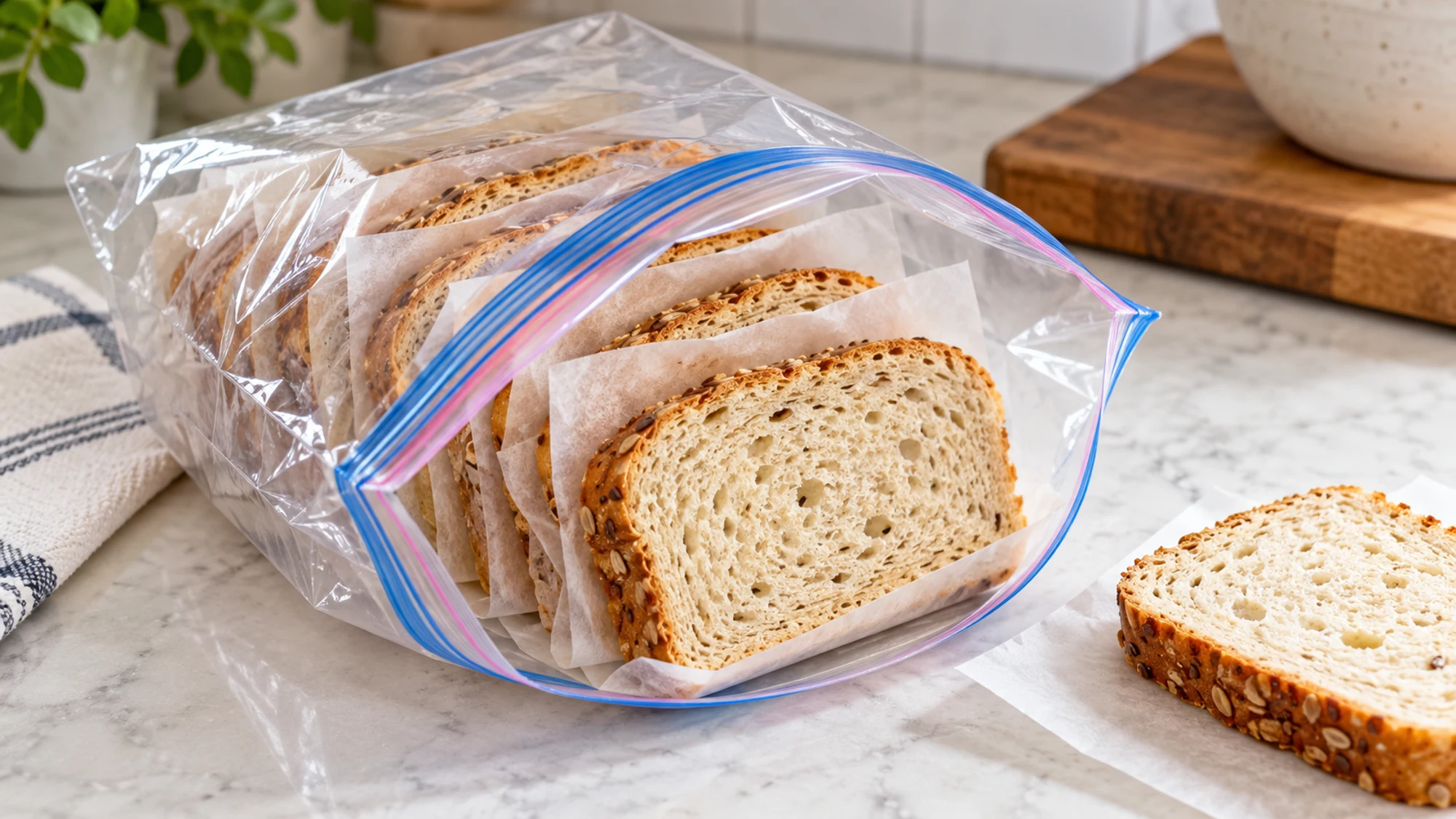
- Freeze thoughtfully: where the product permits freezing, separate slices so you can remove only what you need.
- Before changing your diet: if celiac disease is suspected, speak with a clinician before avoiding gluten, because doing so can affect diagnostic testing.
Bottom Line
A good gluten free bread choice meets your dietary requirements and works for the way you eat. Read the claim and allergens first, compare nutrition fairly, and protect the loaf from cross-contact. Flavor and texture still deserve a place in the decision.
King Arthur Baking demonstrates a gluten-free baguette in this video. Its wheat-starch flour is not suitable for a wheat allergy.
Sources
- FDA: gluten-free labeling questions
- NIDDK: eating and celiac disease
- King Arthur Baking: choosing gluten-free bread flour

Hi, I’m Emily Pocker! I share recipes and food guides here at Recipes360 to help you find everyday meal inspiration and feel more confident in the kitchen. My goal is to make cooking approachable, enjoyable, and full of flavor.