
Two bottles can sit on the same shelf with similar-looking gluten claims and still mean different things. When shopping for gluten free beer, the important question is not whether the drink looks like an ordinary lager. It is what went into it and exactly what the label says.
Gluten-free beer is not the same category as beer described as processed to remove gluten. Read the complete claim, check the ingredients and producer information, and do not treat gluten-removed beer as an interchangeable choice for celiac disease.
This guide explains U.S. labeling, not individual medical suitability or every country’s rules. It is for adults who already choose to drink; gluten-free labeling does not make alcohol a health food or a reason to start drinking.
What gluten free beer means on a U.S. label
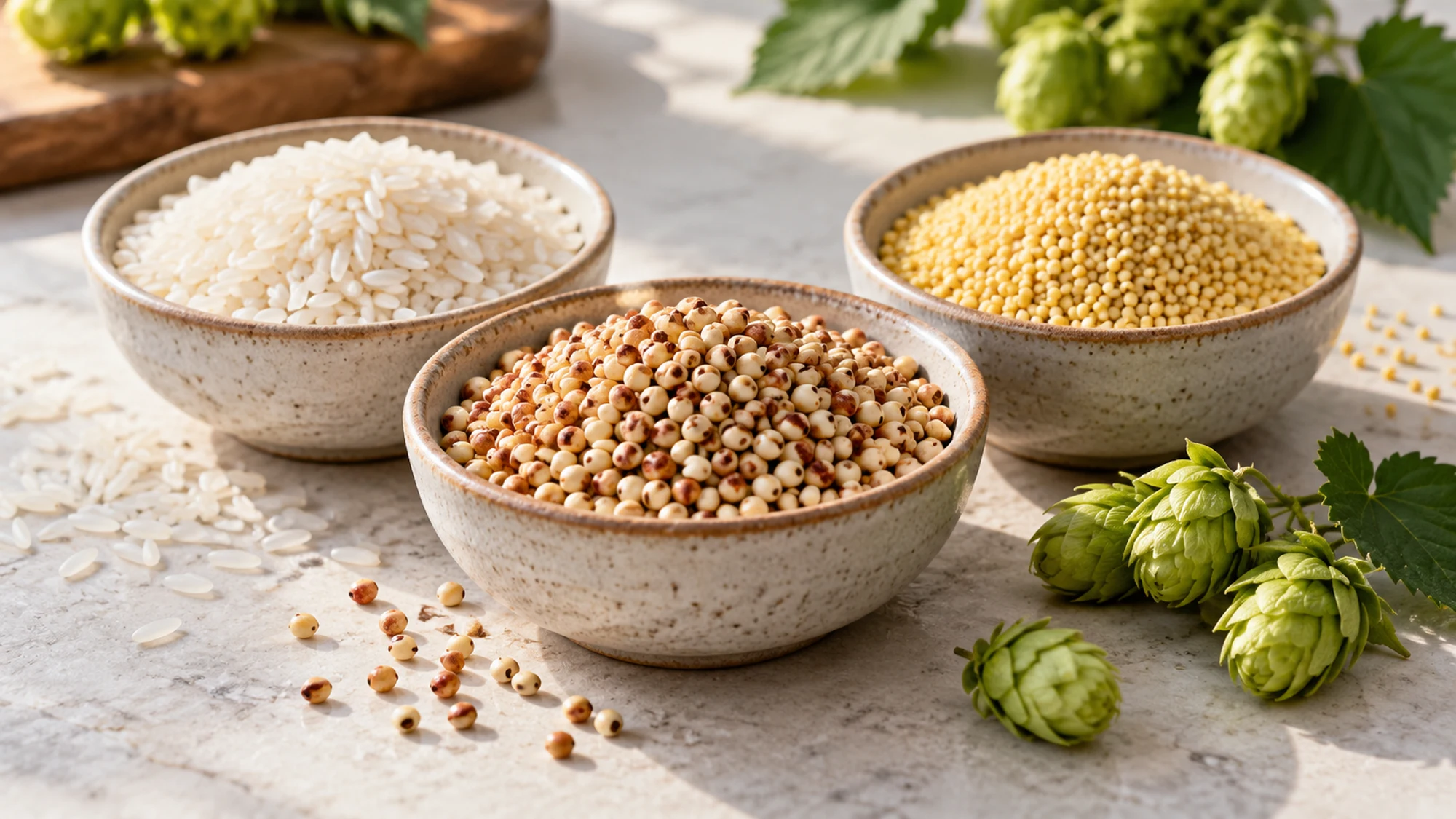
The FDA defines gluten as proteins occurring in wheat, rye, barley, and related crossbreeds. A gluten-free claim has ingredient requirements as well as a limit of less than 20 parts per million for unavoidable gluten. The number is not the whole rule.
Beer is fermented, which complicates testing. Under the FDA’s fermented-food requirements, manufacturers making the claim need records showing the food met the gluten-free definition before fermentation and that potential gluten cross-contact was assessed and controlled. Fermentation itself is not a process that makes ordinary barley beer gluten-free.
Different federal agencies oversee different beverage labels. TTB regulates most malt beverages made with both malted barley and hops; certain other beers, such as sorghum beer, fall under FDA labeling requirements. For shoppers, the practical starting point remains the actual claim and its supporting product information.
Gluten-free and gluten-removed are different
TTB Ruling 2020-2 allows qualifying statements about processing a beverage to remove gluten, but requires a warning explaining that the gluten content cannot be verified and gluten may remain. Do not read the prominent front-label phrase while overlooking that qualification.
| Label wording | What to understand | Useful next step |
|---|---|---|
| Gluten-free | A regulated claim with ingredient and production requirements | Check the exact product and current producer information |
| Processed, treated, or crafted to remove gluten | Not equivalent to a gluten-free claim | Read the accompanying qualification |
| Made with rice or sorghum | An ingredient statement alone does not describe every ingredient | Look for the complete gluten claim |
| Nonalcoholic | Describes a different characteristic, not gluten status | Check gluten and alcohol information separately |
A finished-beer test result is not a shortcut around these distinctions. TTB explains that limitations in measuring gluten after fermentation prevent such results from establishing the same assurance as the regulated gluten-free claim.
“Removed” and “free” are not interchangeable words on a beer label.
A practical checklist before buying or ordering
Start with the individual can or bottle, not the shelf sign. A shop may group several types together, and a brewery may produce more than one range. The name of a grain, a familiar brand, or an old recommendation does not answer every question about the current product.
- Read the full gluten claim and any qualifying statement.
- Check the producer’s current ingredients and production information for that exact beer.
- Ask how potential contact with gluten-containing ingredients is prevented.
- If an answer is unclear, choose another drink rather than filling in the gaps yourself.
The FDA recommends contacting the manufacturer when ingredients or gluten status are uncertain. At a restaurant, ask to see the original packaging rather than relying only on a short menu description. Keep the conversation specific: which product, which ingredients, and what handling?
If you have celiac disease, discuss uncertain products with your clinician or a dietitian familiar with your needs. This guide does not certify a brand, endorse a gluten-removed product, or suggest that a lack of immediate symptoms proves suitability.
Gluten status does not settle the alcohol question
Check alcohol by volume and container size separately. A large can or stronger beer can contain more alcohol than you expect. NIAAA guidance emphasizes that less alcohol is better and that people who do not drink should not start for health benefits.
Some people should avoid alcohol altogether, including during pregnancy and when taking medications that interact with it. Gluten-free ingredients do not remove those concerns. Ask a pharmacist or clinician about medication interactions rather than assuming a different grain changes the answer.
When hosting, keep a clearly identified alcohol-free alternative available and let guests make their own choices. Preserve original packaging so people can inspect it. There is no need to turn a gathering into a tasting challenge or pressure anyone to try a product.
Bottom Line
Read the exact label, keep gluten-free distinct from gluten-removed, and treat alcohol content as a separate decision. Clear product information is more useful than a reassuring slogan.
The following Holidaily Brewing video discusses the distinction from a brewer’s perspective. It is commercial educational material, not independent medical advice; the FDA and TTB sources below support this guide.
Sources
- FDA: Gluten-Free Means What It Says
- FDA: Gluten-Free Labeling Questions and Answers
- TTB: Ruling 2020-2
- NIAAA: Alcohol Amounts and Health

Hi, I’m Emily Pocker! I share recipes and food guides here at Recipes360 to help you find everyday meal inspiration and feel more confident in the kitchen. My goal is to make cooking approachable, enjoyable, and full of flavor.