
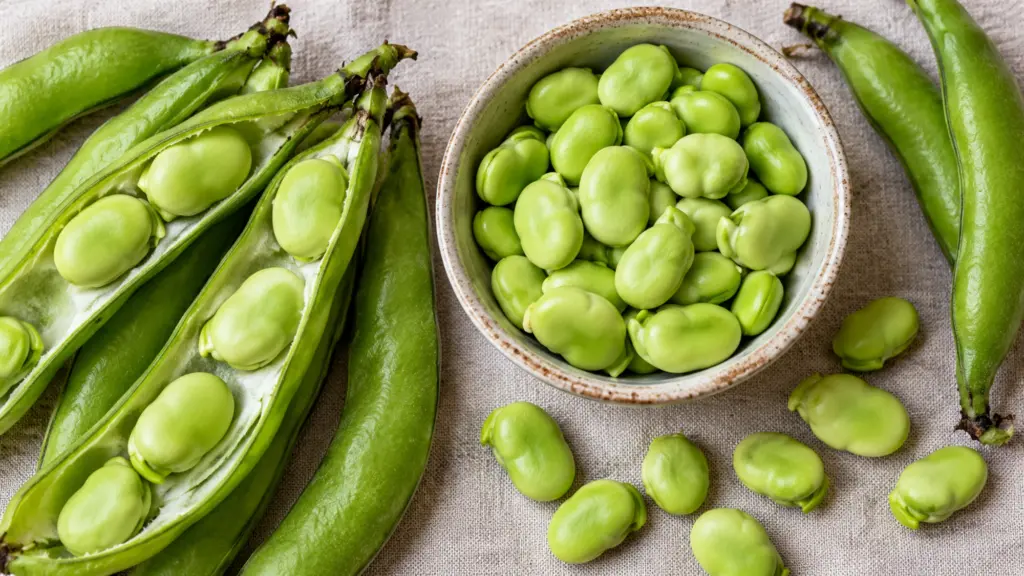
A broad green pod can hide surprisingly little food once you have shelled it. Fava beans reward that small preparation project with a tender, creamy bite, but the bag you buy matters: fresh beans, dried whole beans and peeled split beans need different treatment.
Fava beans are also called broad beans. Choose fresh beans for a green, tender texture and dried beans for hearty dishes, but check one important safety issue first: people with G6PD deficiency should avoid fava beans.
What Fava Beans Are—and Who Should Avoid Them
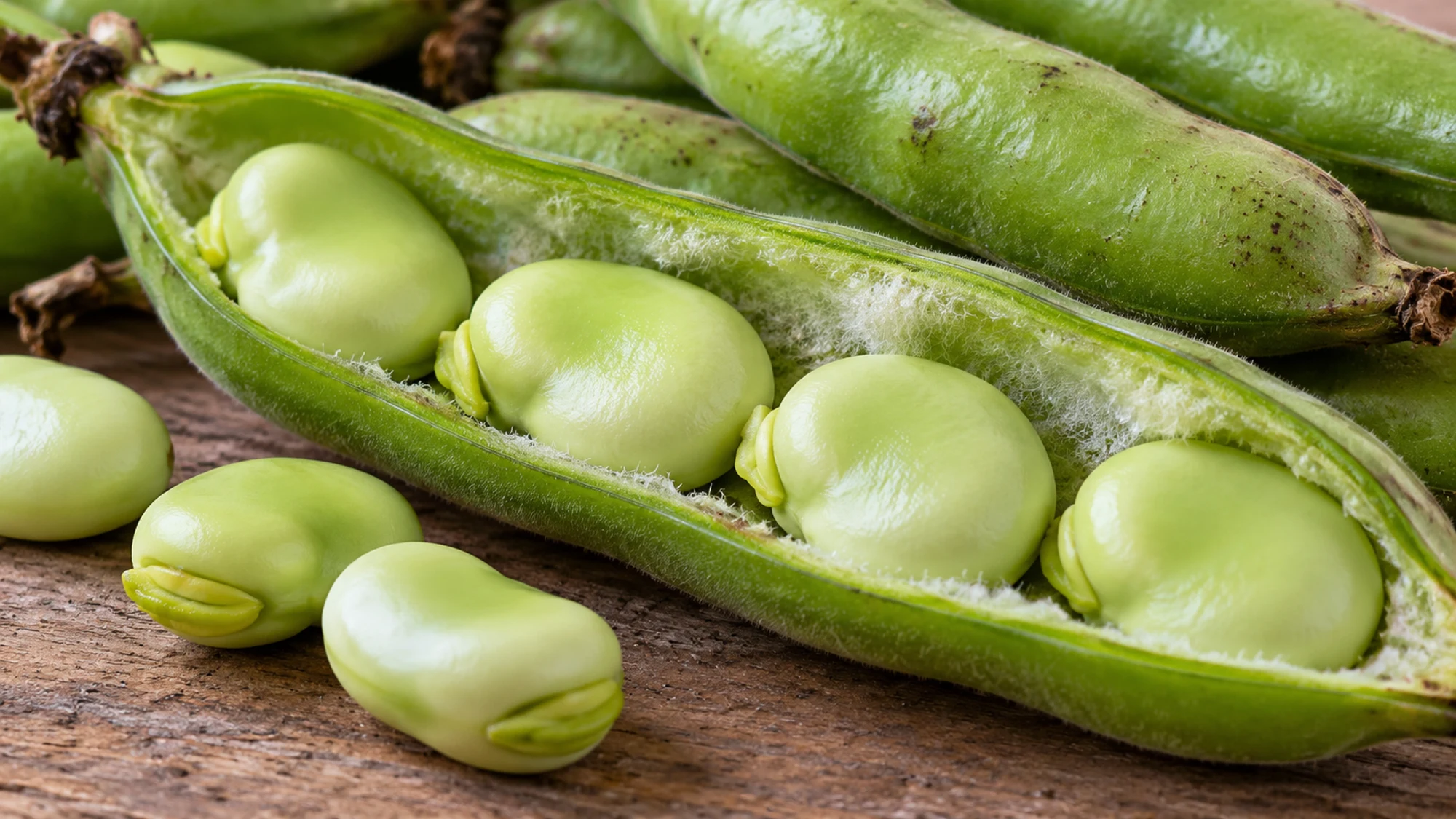
Oregon State University identifies fava beans as Vicia faba, a legume harvested both green and dry. “Broad bean” is another familiar name. They are not simply oversized peas, and the fresh and dried forms are not interchangeable cup for cup in every recipe.
The safety exception deserves attention before any cooking advice. MedlinePlus explains that fava beans can trigger red-blood-cell breakdown in people with G6PD deficiency. If you have that condition, avoid them; do not rely on soaking, peeling or cooking to make them suitable. Ask your clinician about uncertain ingredients or family-history concerns.
- Check ingredient lists for fava, faba and broad bean, including flours and prepared foods.
- If choosing a substitute, consider peas, other beans or a different dish according to your own dietary needs.
- Seek medical care if concerning symptoms occur after eating, particularly dark urine, unusual weakness, yellowing skin or breathlessness.
For someone with G6PD deficiency, this is an avoidance issue—not a question of finding a better cooking method.
Choose the Form That Matches Your Meal
Fresh beans suit dishes where you want distinct green pieces; dried beans are useful when you want a more substantial, earthy result. The product description is more helpful than assuming every package marked fava will behave the same way.
| Form | What you are buying | Best first step |
|---|---|---|
| Fresh pods | Beans still inside their outer pods | Allow time and extra weight for shelling |
| Frozen beans | A convenience product with varying preparation | Check whether skins remain and follow directions |
| Dried whole beans | Mature beans, often with skins | Use a recipe written for whole dried favas |
| Peeled split dried beans | Beans already split and skin removed | Check the recipe before choosing soaking and cooking times |
| Canned beans | A prepared product | Read ingredients and reheating instructions |
I would start with the form named in the recipe rather than redesigning dinner around whatever bag looks closest. A fresh-bean salad and a dried-bean purée have different texture goals. Canned beans can be convenient, but a seasoned product will also bring its own salt and flavor.
Understand the Two Layers Before You Peel
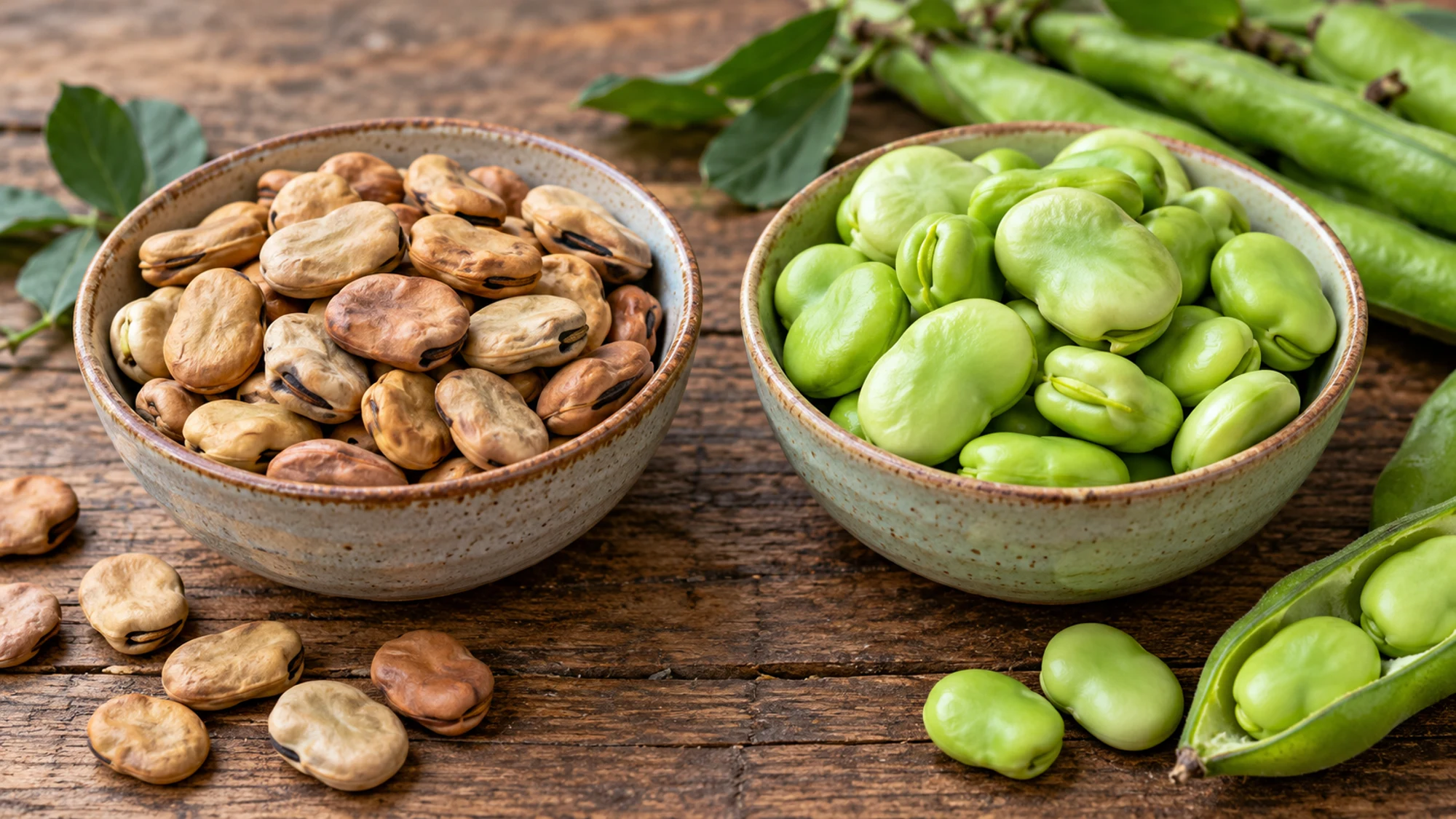
The pod and the skin around each bean are different layers. Kikkoman’s preparation guide shows splitting the pod at its seam, then removing the beans; the thin individual skin is a separate decision. Larger skins can feel tougher, while some preparations leave them on.
For a smooth, bright-green finish, peeling the individual beans is often worth the effort. The Louis Bonduelle Foundation describes blanching to help remove that skin. Follow a preparation method suited to your beans, and remember that blanching for peeling is not automatically the complete cooking step.
- Set out a bowl for beans and another for discarded pods so the work stays organized.
- Open the pods along their seams rather than cutting through the beans.
- If peeling after blanching, cool the beans enough to handle safely before pinching off their skins.
- Plan by the amount of prepared beans your dish needs; a bag of pods is not the same weight as shelled beans.
Shelling removes the pod. Peeling removes the bean’s own skin. Knowing which step a recipe means prevents a surprisingly common kitchen mix-up.
Cook for the Texture You Actually Want
There is no single useful cooking time for every fava product. Freshness, size, dryness and whether the beans are split all change the job. Follow the package or a recipe for that exact form, then check that the beans are properly tender rather than stopping because the timer rang.
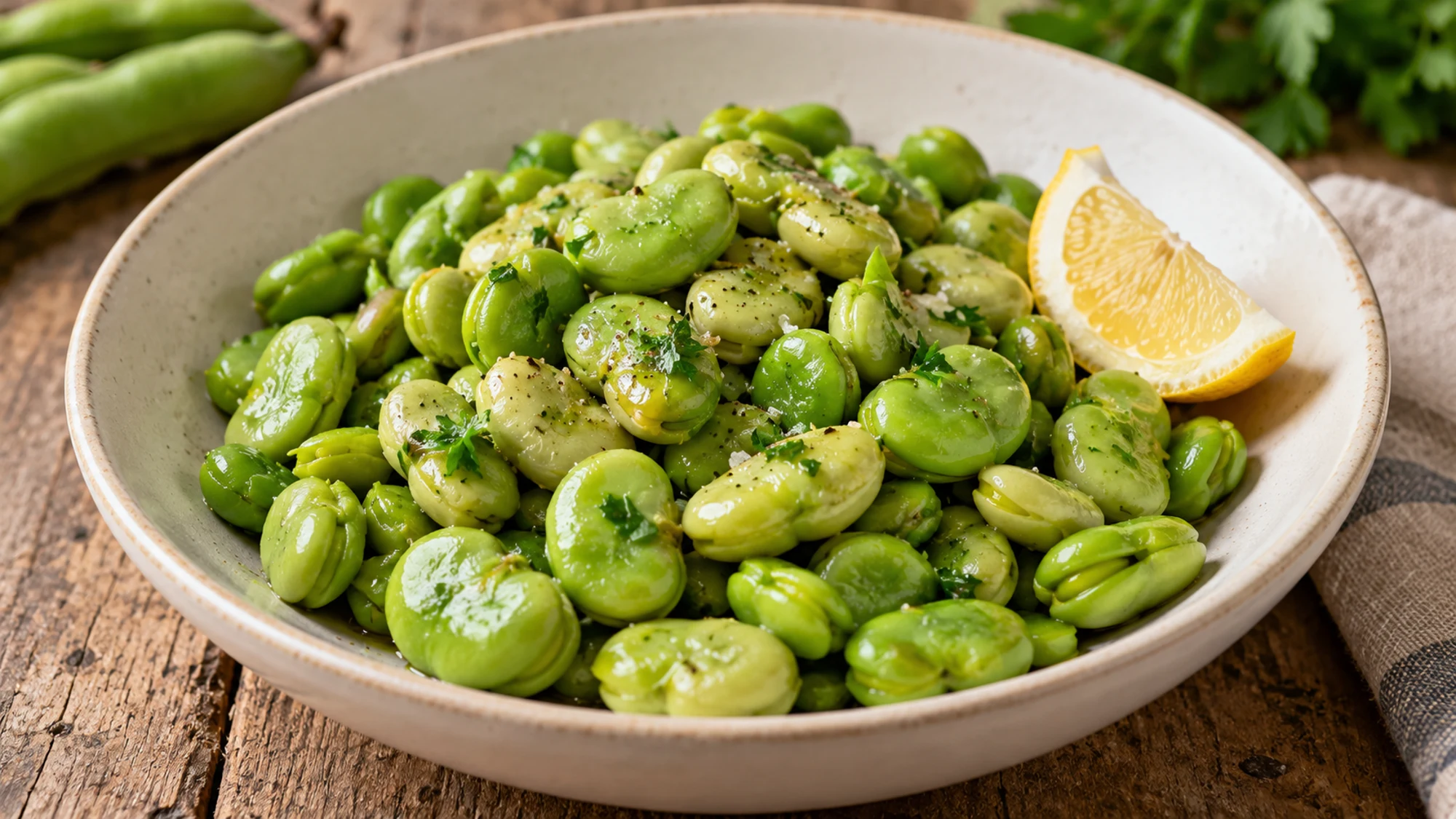
For fresh beans, a simple finish lets their flavor stay noticeable: olive oil, lemon and herbs, or a little butter if that suits your meal. For dried beans, choose a soup, stew or mash designed for them. These are serving directions, not a claim that one form is nutritionally superior.
- Keep fresh and frozen products under the storage conditions on their labels.
- Store dried beans dry and protected from moisture; inspect the package before cooking.
- Refrigerate cooked leftovers promptly in a clean, covered container.
- Do not serve a hard, chalky bean just because the outside looks finished; continue cooking according to the recipe.
Bottom Line
Buy fava beans for the dish you want, distinguish shelling from peeling and cook the actual product in front of you. The most important exception comes first: fava beans are unsuitable for people with G6PD deficiency, regardless of the attractive recipe or preparation method.
CHOW’s preparation video demonstrates peeling fresh fava beans; it is a kitchen technique demonstration, not guidance for making them suitable for G6PD deficiency.
Sources
- Oregon State University: fava beans
- MedlinePlus: G6PD deficiency
- Kikkoman: shelling and peeling
- Louis Bonduelle Foundation: fava preparation

Hi, I’m Emily Pocker! I share recipes and food guides here at Recipes360 to help you find everyday meal inspiration and feel more confident in the kitchen. My goal is to make cooking approachable, enjoyable, and full of flavor.