
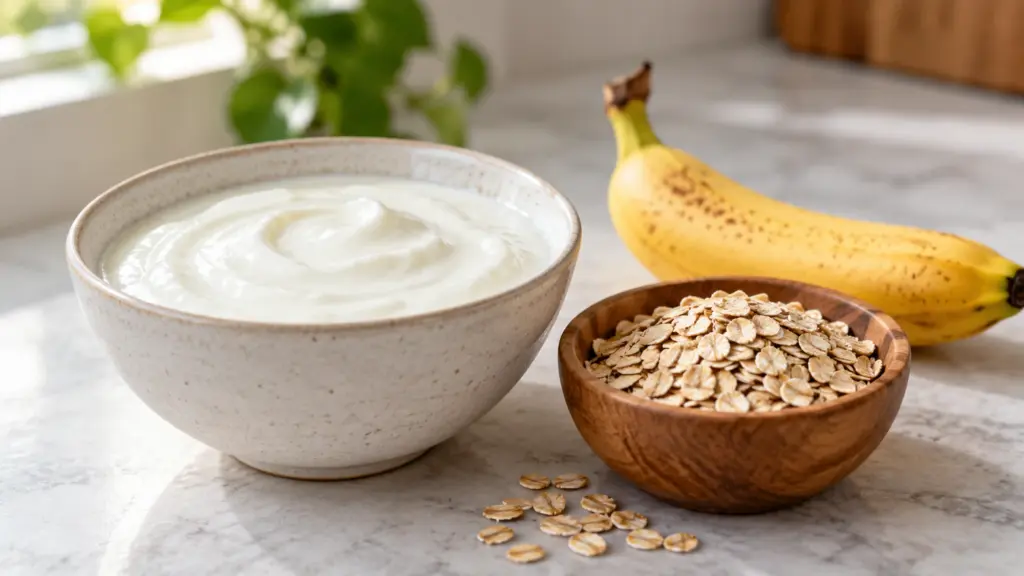
A yogurt carton says “live cultures,” an oat bar advertises prebiotic fiber, and suddenly breakfast sounds like a biology lesson. The prebiotic vs probiotic distinction is simpler than the packaging suggests: prebiotics are substances certain microbes use; probiotics are live microorganisms with a demonstrated health benefit when consumed in adequate amounts.
Prebiotics feed selected microbes; probiotics are the live microbes themselves. They are different ideas, not competing names for the same ingredient.
Prebiotic vs Probiotic: The Useful Difference
The ISAPP consensus definition of prebiotics requires both selective use by microorganisms and a health benefit. That means “contains fiber” and “proven prebiotic” are not interchangeable claims. Fiber-rich foods remain useful choices without every fiber needing that specialized label.
Meanwhile, NCCIH’s guide to probiotics explains that different microorganisms can have different effects. Evidence for one strain does not automatically apply to a different strain, a different product, or a different health concern. I would keep that distinction close whenever a package promises a vaguely happier gut.
| Term | What it describes | What not to assume |
|---|---|---|
| Prebiotic | A substance selectively used by microbes with a health benefit | Every added fiber qualifies |
| Probiotic | Live microbes with a demonstrated benefit | Every strain does the same job |
| Fermented food | Food changed through desired microbial activity | It necessarily contains proven probiotics |
Start by identifying the claim. A useful definition prevents a lot of unnecessary shopping.
Find the Food Before the Marketing
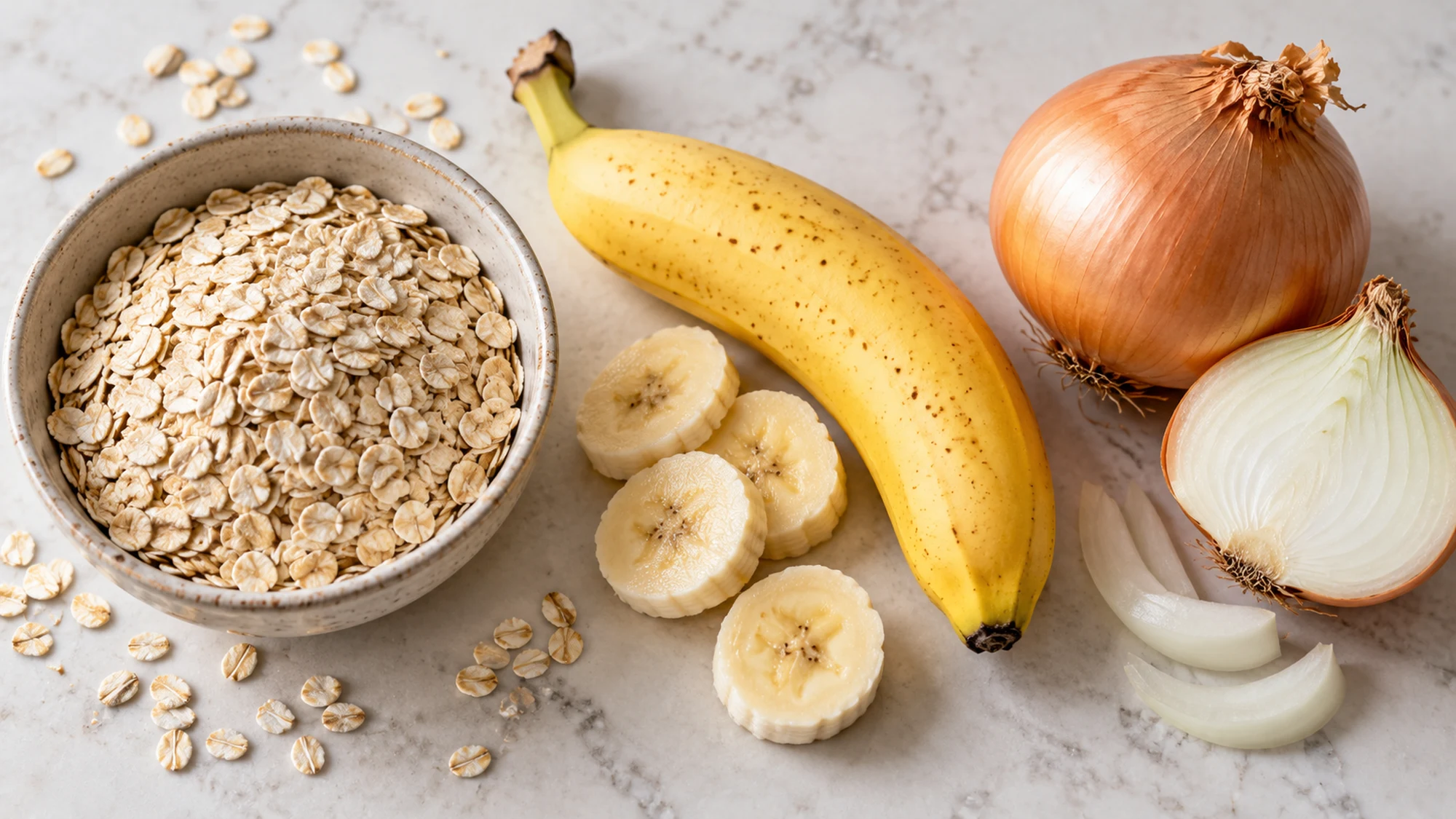
The Mayo Clinic Health System food guide includes oats, bananas, onions, garlic, and asparagus among plant-food examples associated with prebiotic components. Yogurt and kefir are familiar fermented foods. These examples offer a practical starting point, not a measured prescription for changing your microbiome.
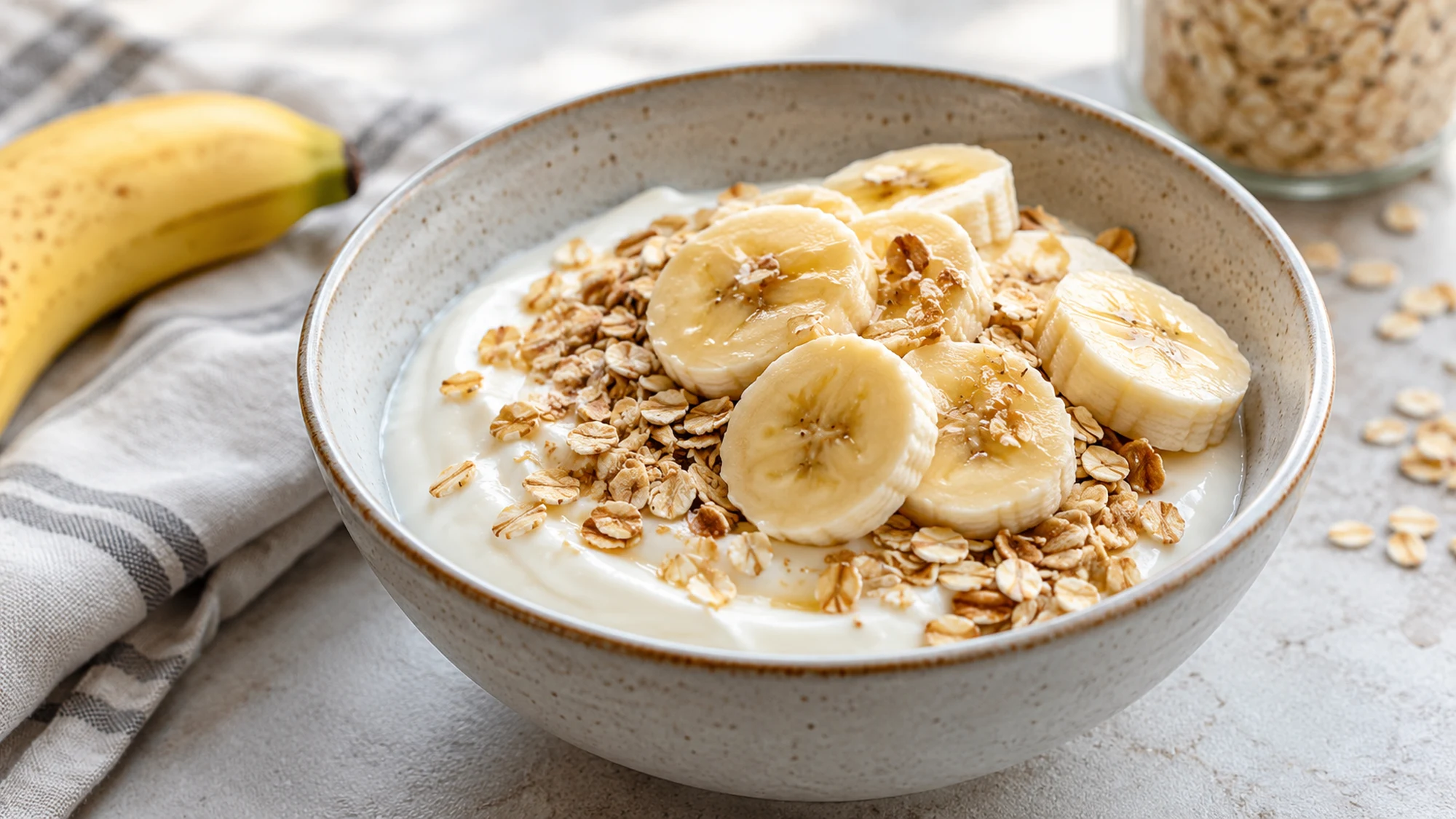
- At breakfast: combine plain yogurt with oats and sliced banana if those foods suit you.
- At lunch: use onions or garlic as part of an ordinary savory meal rather than treating them as supplements.
- At the store: compare ingredients, sweetness, salt, and serving size alongside any culture-related claim.
- With restrictions: choose foods that fit your allergies and individual tolerance; a fashionable label does not override either.
I prefer this food-first approach because it starts with meals you can actually enjoy. A breakfast bowl can be creamy, chewy, and pleasantly tangy without needing a list of promised outcomes. You do not need to turn every snack into a gut-health project.
A varied, enjoyable menu is a more workable starting point than collecting products with the biggest claims.
Fermented Does Not Automatically Mean Probiotic
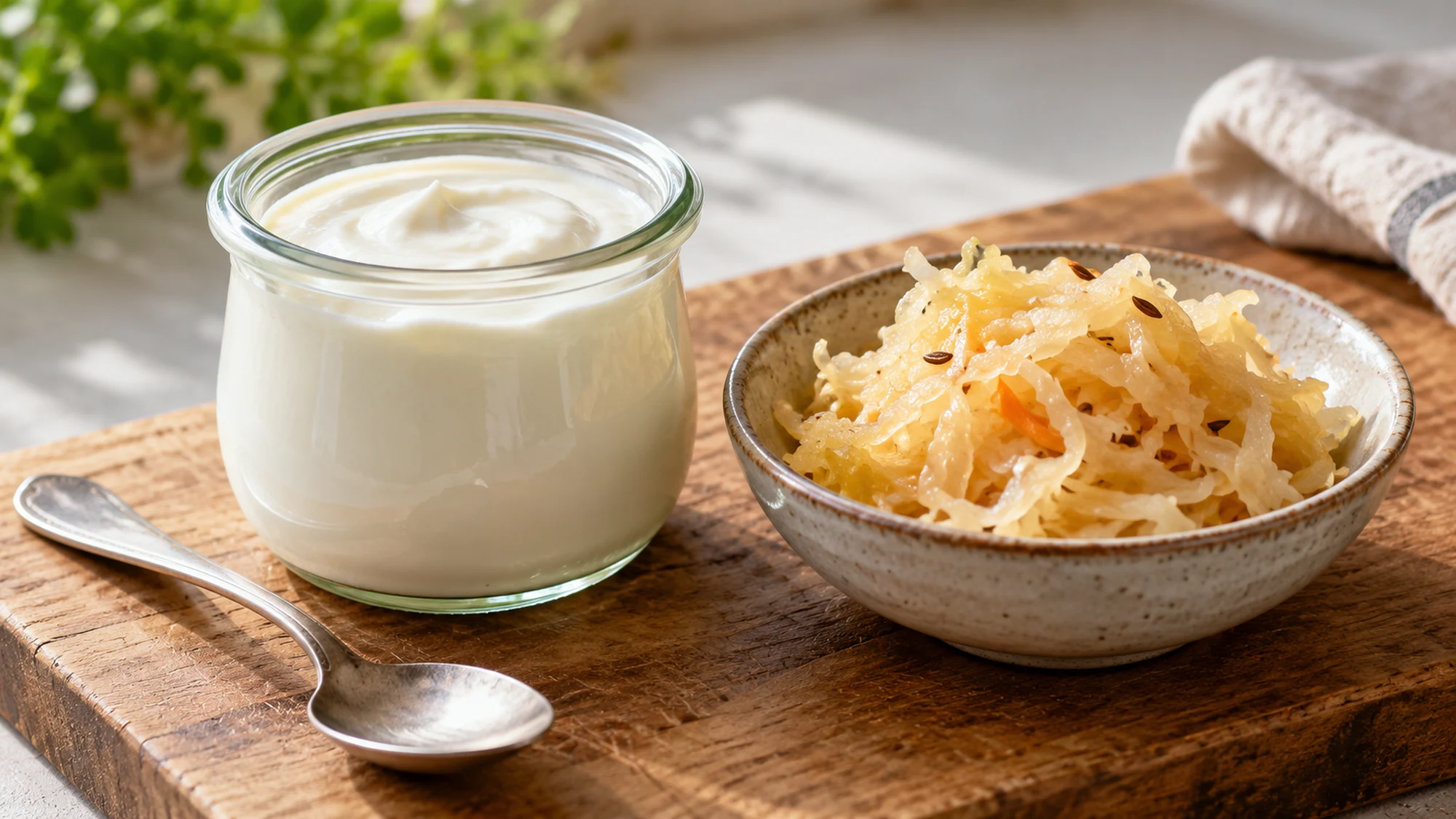
The ISAPP consensus on fermented foods separates the food-making process from proof of probiotic effects. Bread is fermented before baking, for example, but baking changes the live-microbe picture. Some fermented vegetables are heat-treated, while some pickled vegetables are acidified without fermentation at all.
- Read beyond “fermented”: look for information about live cultures when that is what you want.
- Follow storage instructions: a product’s handling requirements matter more than assumptions about where it belongs.
- Keep food claims specific: a pleasant fermented flavor is not proof that a food treats a digestive condition.
- Remember the rest of the product: sugar, salt, allergens, and portion size do not disappear because cultures are present.
This is not a reason to dismiss sourdough, sauerkraut, or yogurt. It is a reason to enjoy them for what they are and avoid assigning every fermented food the same medical role. A warm slice of bread need not defend its lack of live cultures.
Fermentation describes how a food is made. Probiotic benefits require a more specific evidence trail.
Be Careful With Supplement Shortcuts
A supplement is a separate decision from adding oats to breakfast. NCCIH notes that important questions remain about which probiotic products help particular people, in what amounts, and for which conditions. A higher number on a bottle is not enough information to answer those questions.
- For a specific symptom: seek advice rather than choosing a product solely from advertising.
- With serious illness or immune suppression: discuss probiotic use with your healthcare team; live microbes are not risk-free for everyone.
- When comparing evidence: match the actual strain, product, population, and intended use rather than borrowing results from another study.
- For persistent problems: do not let an experiment with supplements delay appropriate care.
The practical aim is not to diagnose your microbiome from how one meal feels. Keep your choices manageable, notice your tolerance, and ask for individualized help if symptoms are ongoing. More complicated is not automatically more useful.
Bottom Line
Prebiotics and probiotics have different roles, and neither term guarantees that a product is right for you. Start with foods you enjoy, read claims carefully, and keep treatment decisions separate from everyday meal planning.
Cleveland Clinic’s overview below introduces probiotics and includes an explanation of prebiotics. Specific health claims still need evidence matched to the product and person.
Sources
- NCCIH: Probiotics usefulness and safety
- ISAPP: Prebiotic definition
- ISAPP consensus: Fermented foods
- Mayo Clinic Health System: Food examples

Hi, I’m Emily Pocker! I share recipes and food guides here at Recipes360 to help you find everyday meal inspiration and feel more confident in the kitchen. My goal is to make cooking approachable, enjoyable, and full of flavor.