
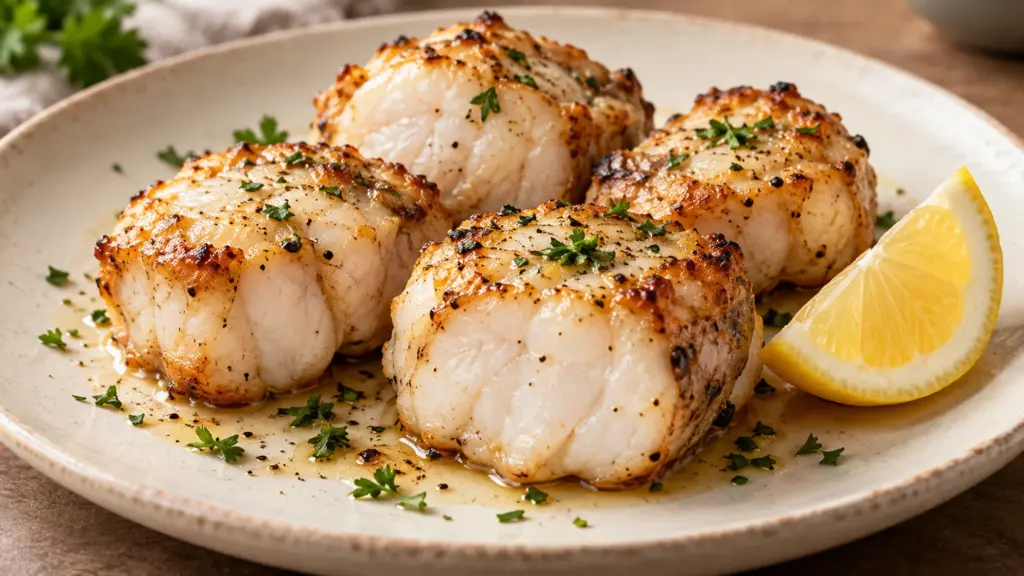
A pale monkfish tail can look much simpler than the fish it came from, yet one preparation detail makes a real difference: the outer membrane needs to come off. The tail has mild, dense, firm meat that suits portions, medallions and stews. Buy the cut your dish needs and ask how completely it has been trimmed.
Monkfish tail is firm and meaty rather than delicately flaky. Ask for the blue-gray outer membrane to be removed, check whether the tail is bone-in or filleted, and use a thermometer to verify safe cooking.
What is monkfish like to eat?
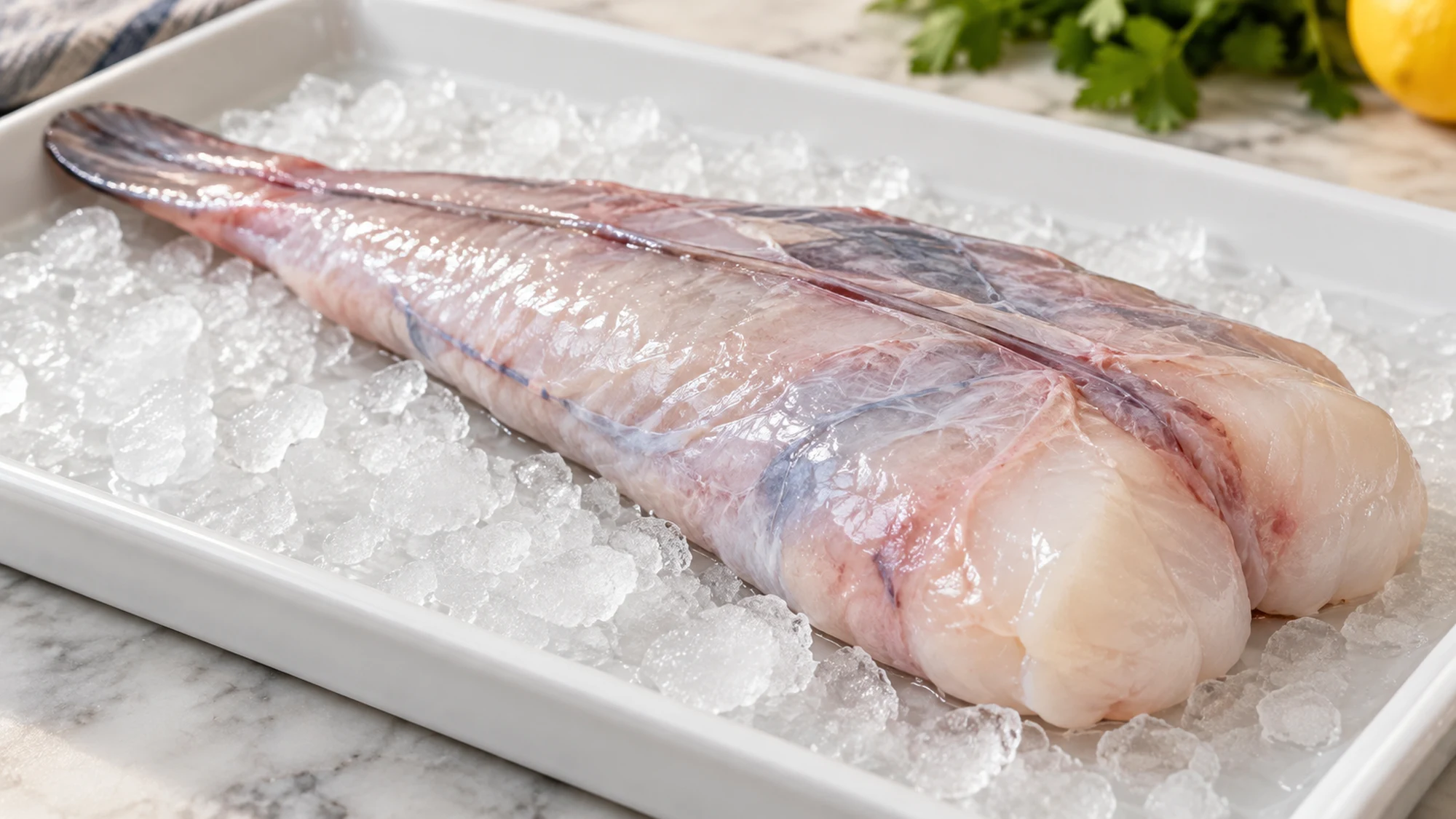
NOAA identifies American monkfish as Lophius americanus and describes its mild flavor and dense tail meat. Its texture is often compared with lobster, but that comparison is about eating quality, not an interchangeable ingredient identity.
The FDA Seafood List also records the common name goosefish. Names can vary at the counter, so I’d ask for the species and the exact cut before worrying about a sauce. A tail, a prepared fillet and monkfish liver are different purchases.
- Flavor: Mild enough to work with either a simple finish or a more assertive sauce.
- Texture: Dense and relatively boneless, with a different bite from flaky white fish.
- Kitchen priority: Understand the trimming and portion size before choosing the cooking method.
Choose a tail, fillet or ready-cut portions
Most home cooks meet monkfish as its tail rather than as a whole fish. Chef Zia Auch’s preparation advice, published by NOAA, describes tails sold whole or filleted and the importance of removing the purplish-silver covering.
Pack weight alone does not tell you how much ready-to-cook fish you have. A bone-in tail and trimmed fillets need different preparation. I’d pay attention to that distinction when comparing packages; the least expensive price per pound is not automatically the most convenient purchase.
| Form | Useful for | Question to ask |
|---|---|---|
| Tail with central bone | A method written for a whole tail | What trimming is still needed? |
| Boneless tail fillets | Roasting or cutting into portions | Has the outer membrane been removed? |
| Medallions or chunks | Searing, skewers or a stew | Are the pieces similar in thickness? |
Why the monkfish membrane matters
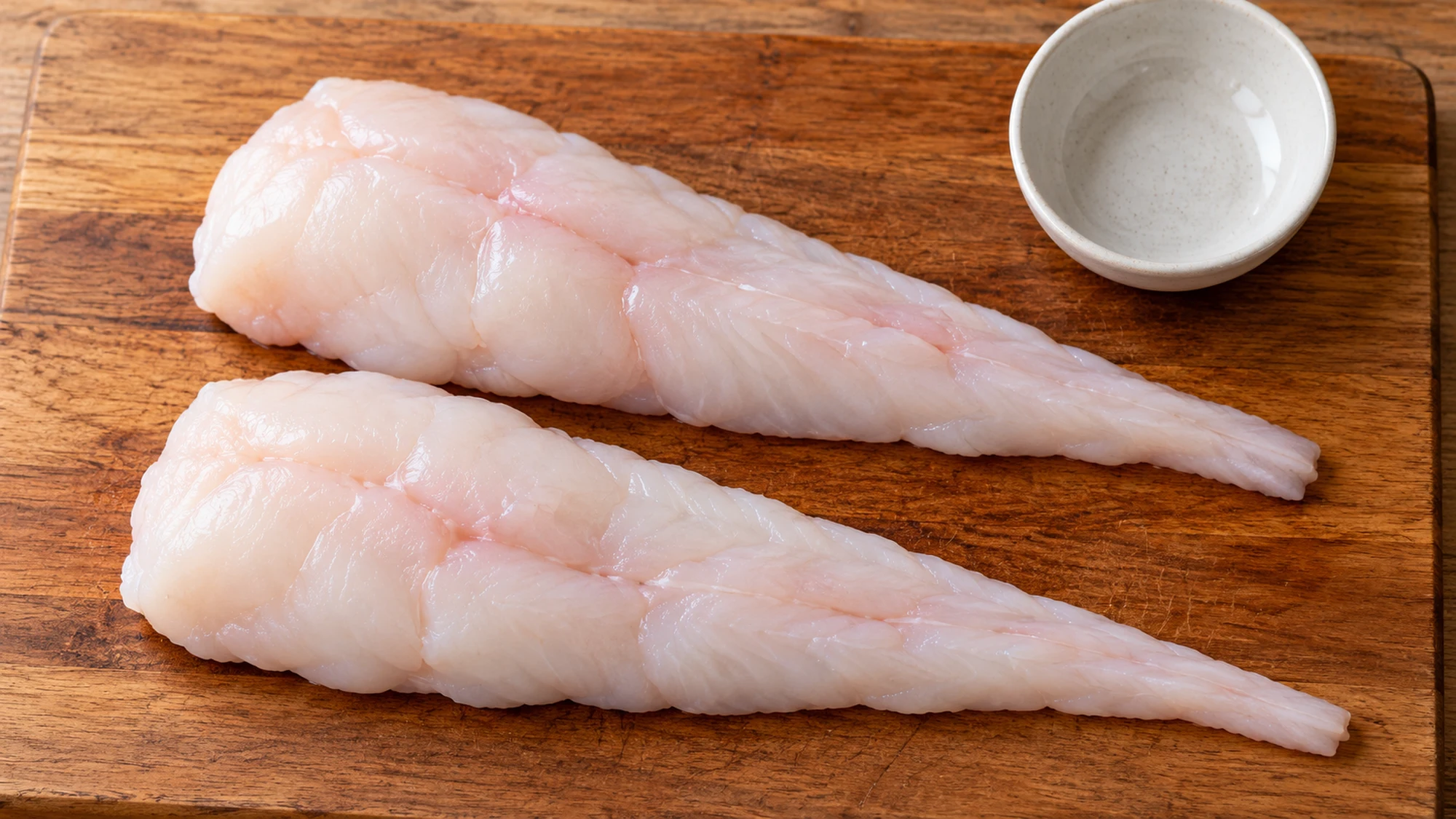
NOAA notes that raw monkfish is covered by a blue-gray membrane. Left in place, it contracts during cooking and can make the meat curl and become tough. A glossy pale surface does not necessarily mean every part of that layer has already been removed.
A NOAA podcast discussion with a seafood-industry representative makes the same practical distinction between a whole tail and a fillet properly prepared for the customer. If trimming is unfamiliar, asking the fishmonger to do it is a useful purchase decision, not a cooking defeat.
- Check with the seller whether the tail is skinless, membrane-free and boneless; these descriptions are not interchangeable.
- Keep the fish cold while preparing it, and work with clean tools on a stable board.
- Remove remaining bones or have the seller check them before portioning.
- Use the preparation video below as a visual demonstration rather than rushing through unfamiliar knife work.
Cooking and storing monkfish safely
Choose a recipe written for the cut and thickness you bought. NOAA’s monkfish recipe collection includes fried pieces and a bisque, illustrating the range without implying one cooking time fits them all. Larger chunks and thin medallions need different attention.
FDA recommends cooking most seafood to 145°F (63°C). Check the thickest part with a clean thermometer. With dense monkfish, waiting for the kind of flaking you expect from cod is a less useful plan than measuring the temperature.
- At purchase: Choose refrigerated or properly iced fish and intact, hard-frozen packages.
- At home: FDA advises refrigerating seafood at 40°F (4°C) or below if using it within two days; otherwise freeze it.
- When thawing: Thaw in the refrigerator and keep raw fish separate from ready-to-eat foods.
- When serving: Use clean utensils and dishes for cooked portions rather than those that held raw fish.
- Allergens: Monkfish is fish. FDA identifies fish as a major allergen; sauces and preparation surfaces need attention too.
Bottom Line
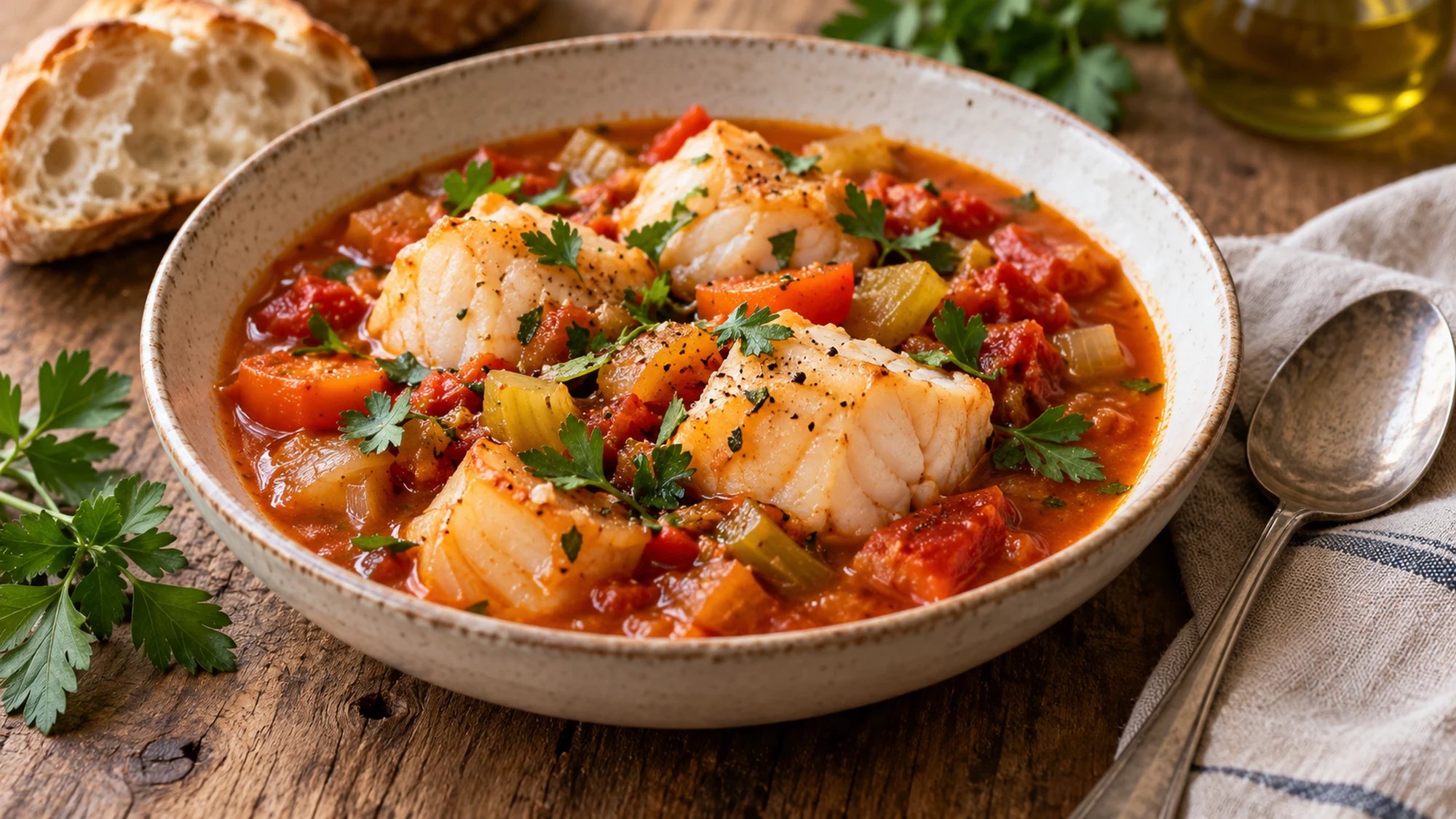
Buy monkfish in the form your dish needs, confirm that the outer membrane has been removed and check the center temperature during cooking. Its dense texture is the attraction; careful trimming helps preserve it.
Sources
- NOAA Fisheries: Monkfish identity, texture and membrane
- FDA Seafood List: American monkfish
- NOAA Fisheries: Chef’s monkfish preparation advice
- NOAA Fisheries: Monkfish preparation discussion
- NOAA Fisheries: Monkfish cooking examples
- FDA: Seafood storage and safe cooking
- FDA: Food allergens

Hi, I’m Emily Pocker! I share recipes and food guides here at Recipes360 to help you find everyday meal inspiration and feel more confident in the kitchen. My goal is to make cooking approachable, enjoyable, and full of flavor.