
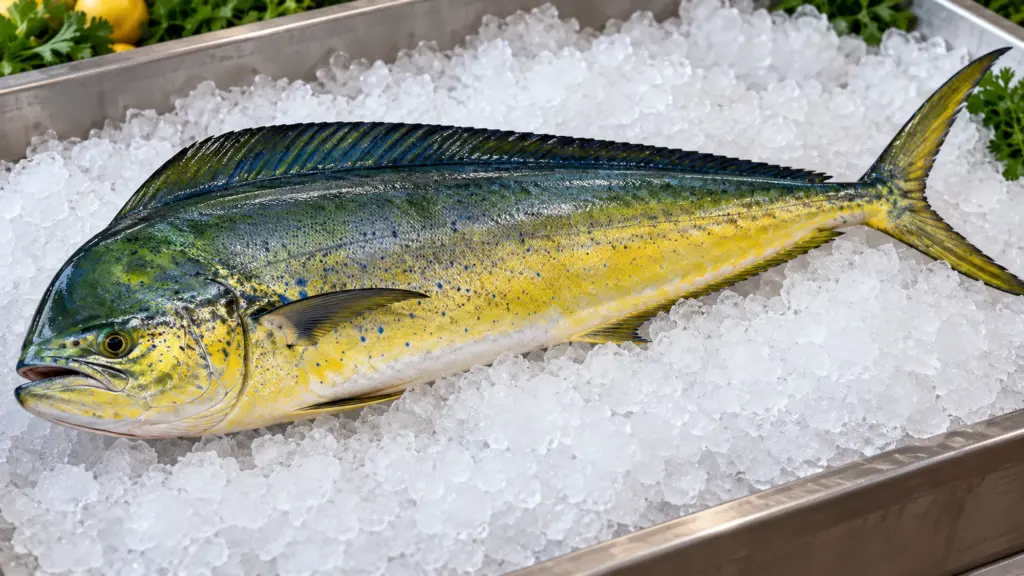
A menu that says dorado fish does not always identify the same dinner. In many ocean-fish contexts, dorado means mahi-mahi; the similar Spanish name dorada commonly identifies gilthead sea bream. South American freshwater contexts add another meaning. Ask for the species before choosing a recipe, rather than treating these names as interchangeable.
Check the scientific name when buying dorado fish. Coryphaena hippurus is mahi-mahi, Sparus aurata is gilthead sea bream, and freshwater dorado can refer to Salminus species. The local common name alone is not enough.
What does dorado fish mean in different places?
NOAA lists dorado as a common name for mahi-mahi, Coryphaena hippurus. It also lists dolphinfish: that name belongs to a fish here, not the marine mammal. This is the species to confirm when an ocean-fish recipe calls for mahi-mahi.
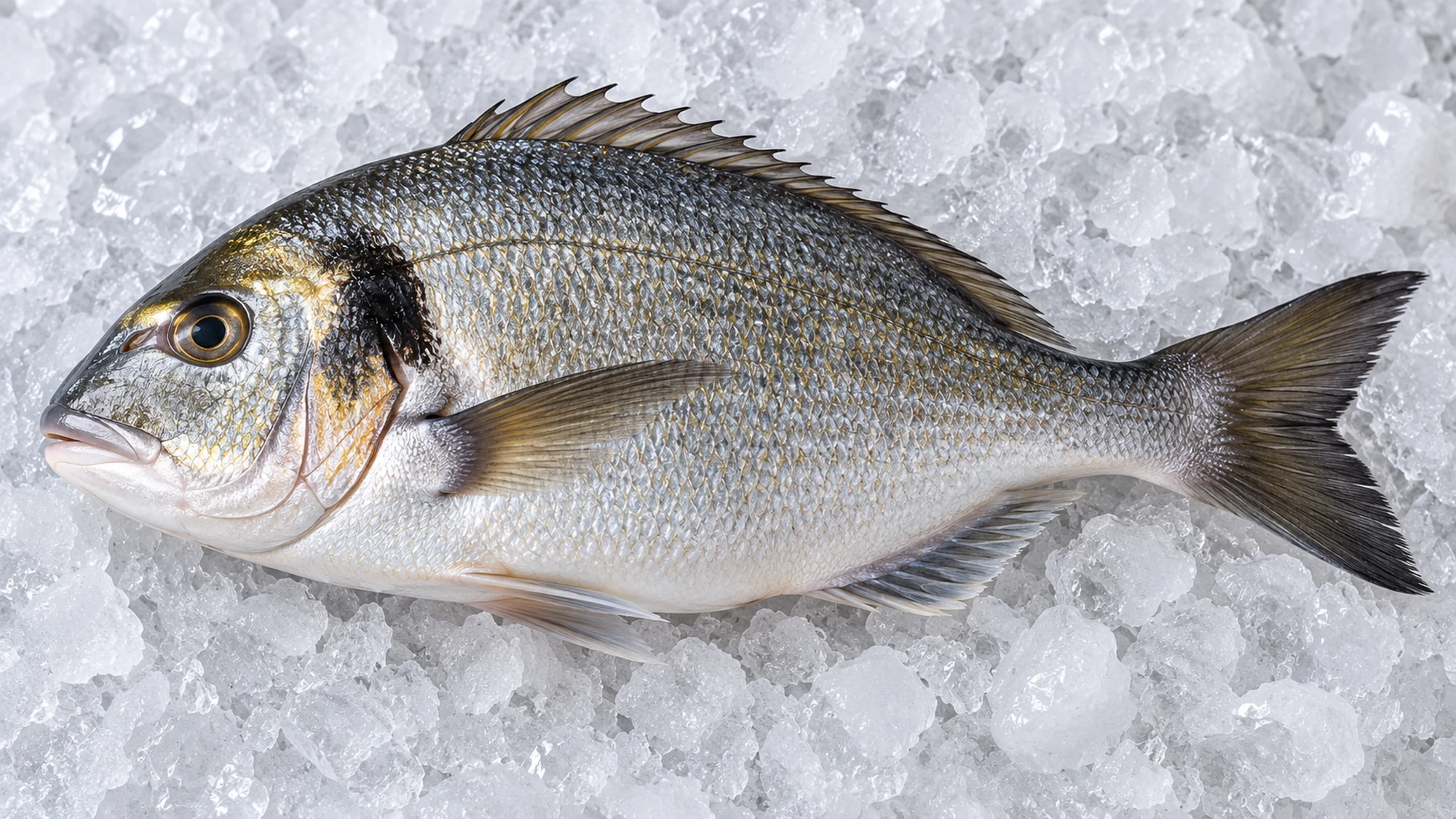
The similar names dorada and dorade can cause a different shopping mix-up. FAO identifies Sparus aurata as gilthead seabream, Spanish dorada and French dorade royale. Meanwhile, Argentina’s national parks information identifies freshwater dorados as Salminus brasiliensis. These examples are a reason to ask, not an exhaustive dictionary of local fish names.
| Name or context | Species to confirm | Important distinction |
|---|---|---|
| Dorado / mahi-mahi | Coryphaena hippurus | Ocean fish, also called dolphinfish |
| Dorada / dorade royale | Sparus aurata | Gilthead sea bream |
| Freshwater dorado in Argentina | Salminus brasiliensis | River fish, not mahi-mahi |
Buying the right fish for your dish
I’d start with the recipe’s actual fish name and the form it needs: whole fish, skin-on fillets or skinless portions. A whole sea bream is a different cooking project from thick mahi-mahi portions. A shared word on the price card does not make the shapes, bones or cooking instructions identical.
Ask the fishmonger to write the species on the package if the local label is unclear. FDA allergen guidance requires the species of fish to be identified in applicable packaged-food allergen labeling. At a counter, clear identification is also a useful starting point for discussing bones and preparation.
- Identity: Which species is it, and what other name does the seller use?
- Form: Is it whole, filleted, portioned, skin-on or skinless?
- Preparation: Has it been scaled and gutted, and should you check for remaining bones?
- Condition: Is it fresh or previously frozen, and what storage directions accompany it?
Cooking dorado fish once the species is clear
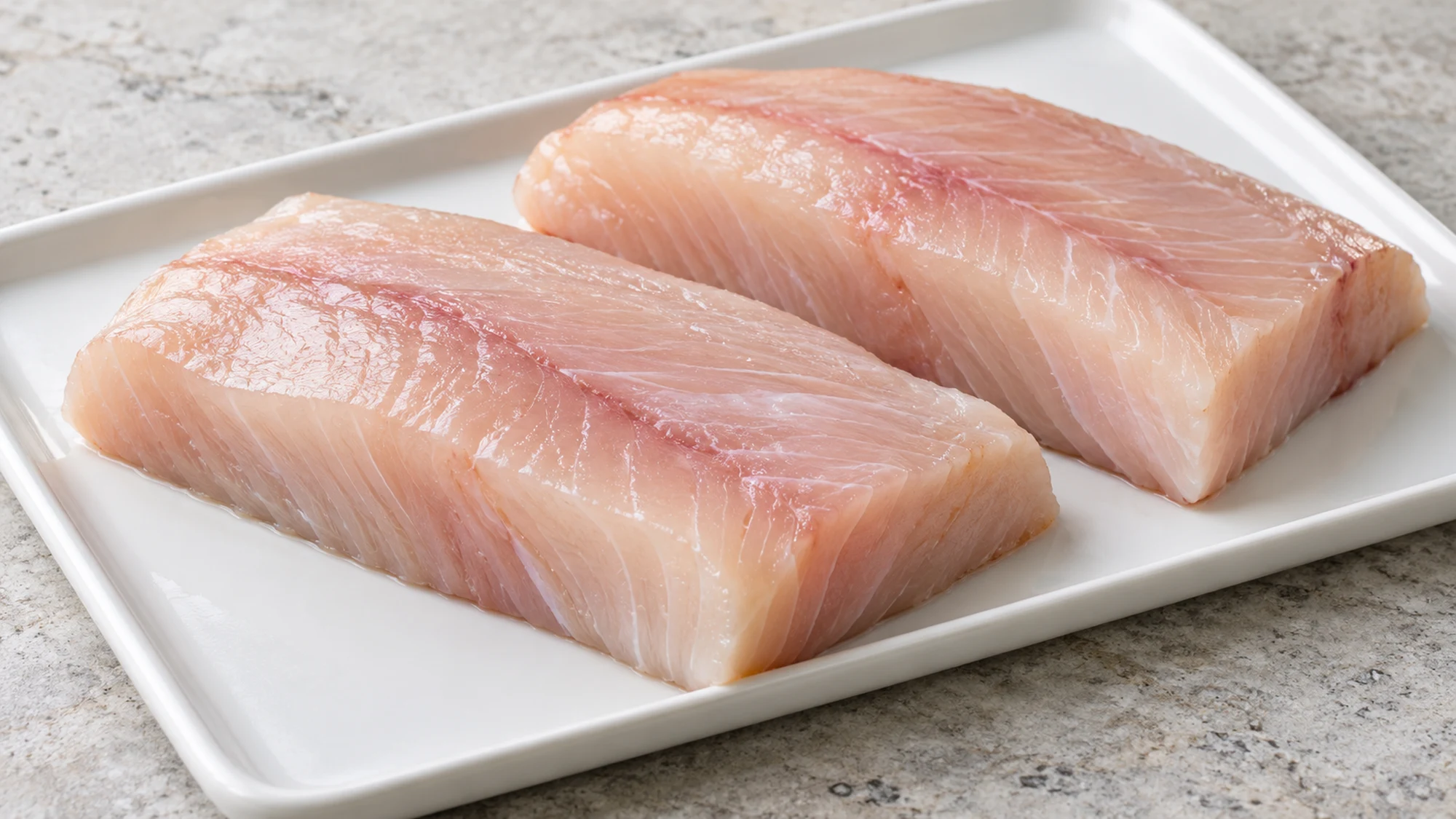
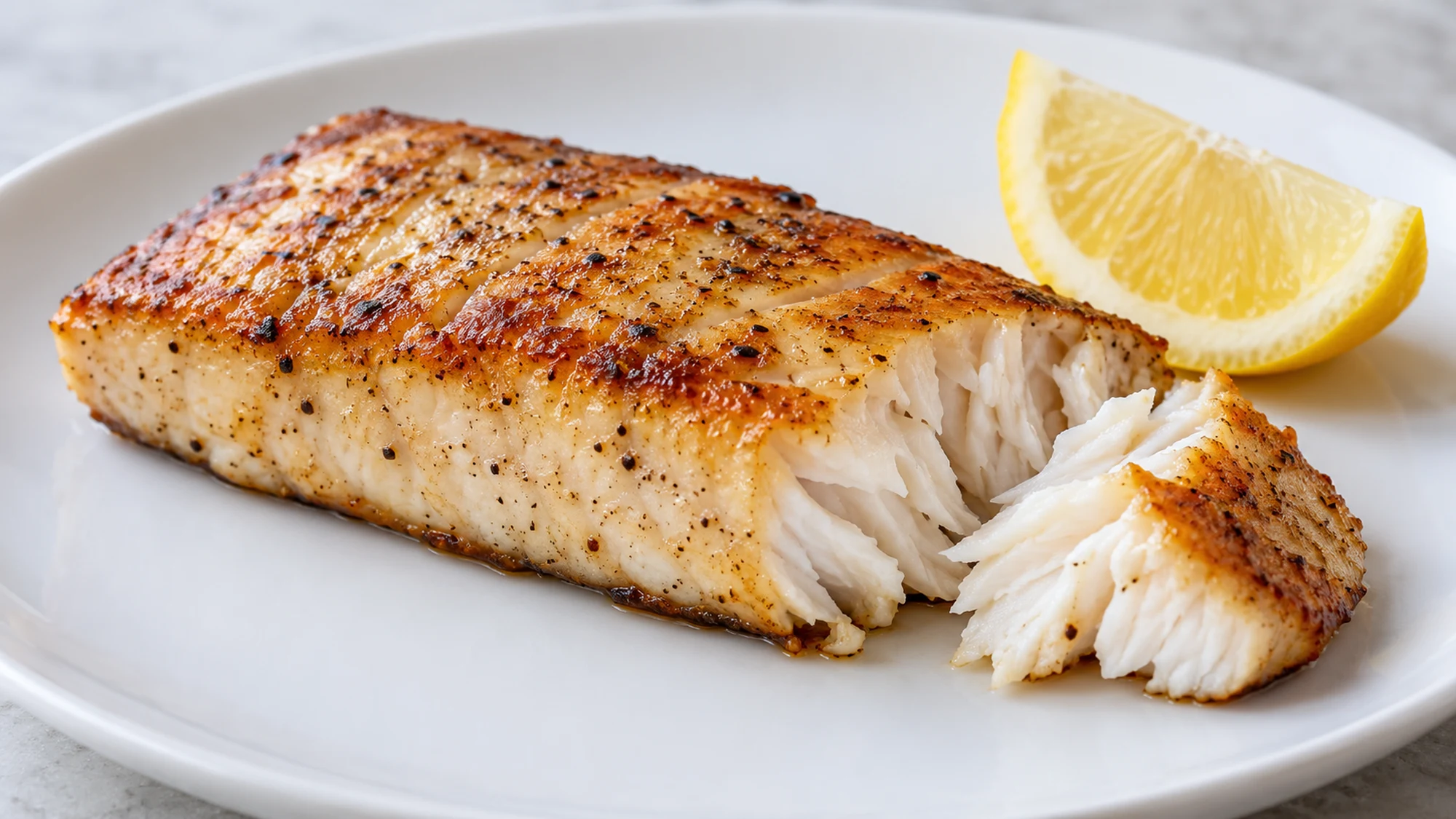
For confirmed mahi-mahi, NOAA describes a mild, slightly sweet flavor and fairly firm flesh with large flakes. Its raw flesh can be pinkish to grayish-white and becomes off-white when cooked. Those qualities help explain why portioned mahi-mahi appears in seared and grilled dishes.
Our mahi mahi recipe is an example for that species. If you bought gilthead sea bream instead, choose instructions written for its form and size. I’d match the method to the actual fish rather than carry over a cooking time from a similarly named ingredient.
- Use a thermometer: FDA recommends cooking most seafood to 145°F (63°C).
- Check the thickest part: Thin edges and thick centers do not cook at the same speed.
- Keep tools separate: Use clean dishes and utensils for cooked fish rather than returning it to a raw-fish plate.
- Check accompaniments: Butter sauces, breading and garnishes can introduce additional allergens.
Keep the fish cold and the handling simple
Buy fish from a chilled display or a substantial bed of clean ice. FDA cautions that color alone does not indicate freshness. With frozen fish, choose intact packaging and hard-frozen portions rather than a package that is soft or visibly damaged.
The same agency recommends storing seafood at 40°F (4°C) or below if using it within two days of purchase; otherwise freeze it. Thaw in the refrigerator. Keep raw fish contained and separate from ready-to-eat foods, and wash hands and preparation surfaces after handling it.
- Plan when you will cook it before buying a large quantity.
- Retain the package identity and any product-specific storage instructions.
- Portion only what you need with clean tools, keeping the remaining fish cold.
- Treat the video below as a mahi-mahi demonstration, not identification or cooking instructions for every fish called dorado.
Bottom Line
Dorado fish is a name to clarify before it is an ingredient to cook. Confirm the species and the cut, choose a matching method and keep the fish cold. Mahi-mahi, gilthead sea bream and freshwater dorado deserve their own identities.
Sources
- NOAA Fisheries: Atlantic mahi-mahi names and culinary characteristics
- FAO: Gilthead seabream / Sparus aurata
- Argentina National Parks: Freshwater dorado identity
- FDA: Selecting and handling seafood safely
- FDA: Fish species and allergen labeling

Hi, I’m Emily Pocker! I share recipes and food guides here at Recipes360 to help you find everyday meal inspiration and feel more confident in the kitchen. My goal is to make cooking approachable, enjoyable, and full of flavor.