
A bag of plain oats and a box of seasoned rice can sit in the same pantry while contributing very different amounts of sodium. Choosing low sodium foods starts with the food’s form: fresh, plain and unsalted versions often give you more control than a ready-seasoned alternative.
Build meals around plain vegetables, fruit, grains and proteins, then compare sodium on packaged foods. Reduced sodium and no salt added are useful clues, but neither automatically means low sodium.
I would begin with the foods you buy every week, not a shopping list of unfamiliar substitutes. A better everyday bread or broth choice can be more practical than replacing your whole kitchen at once.
Low Sodium Foods to Put on Your Shopping List
The NHLBI’s DASH eating plan includes vegetables, fruit, whole grains, beans, nuts, fish and poultry. Choosing plain forms makes it easier to manage seasoning; the preparation still matters more than a food’s healthy-sounding name.
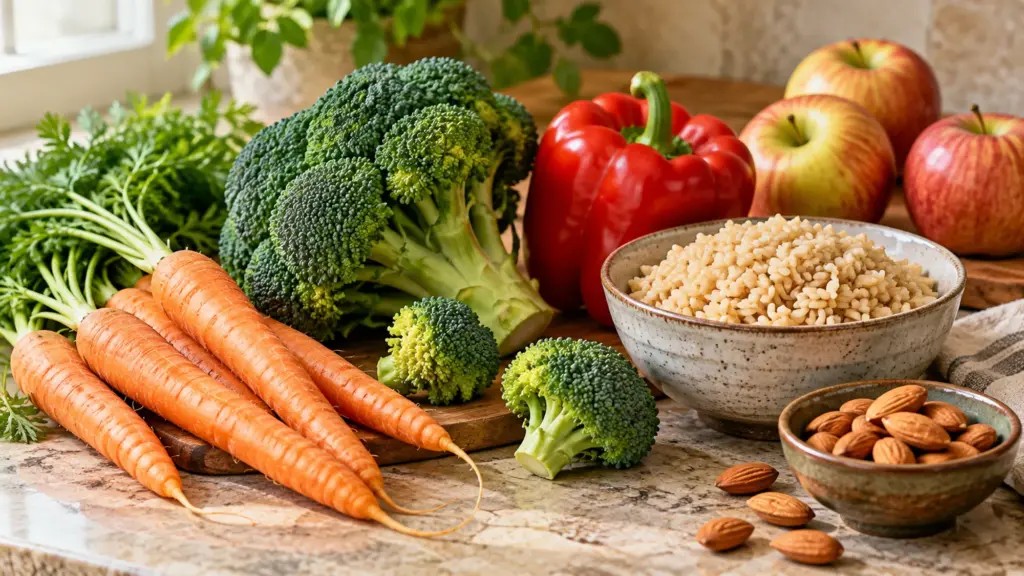
- Produce: Apples, berries, carrots, peppers and broccoli make flexible starting points. Choose frozen vegetables without salty sauces when fresh produce is inconvenient.
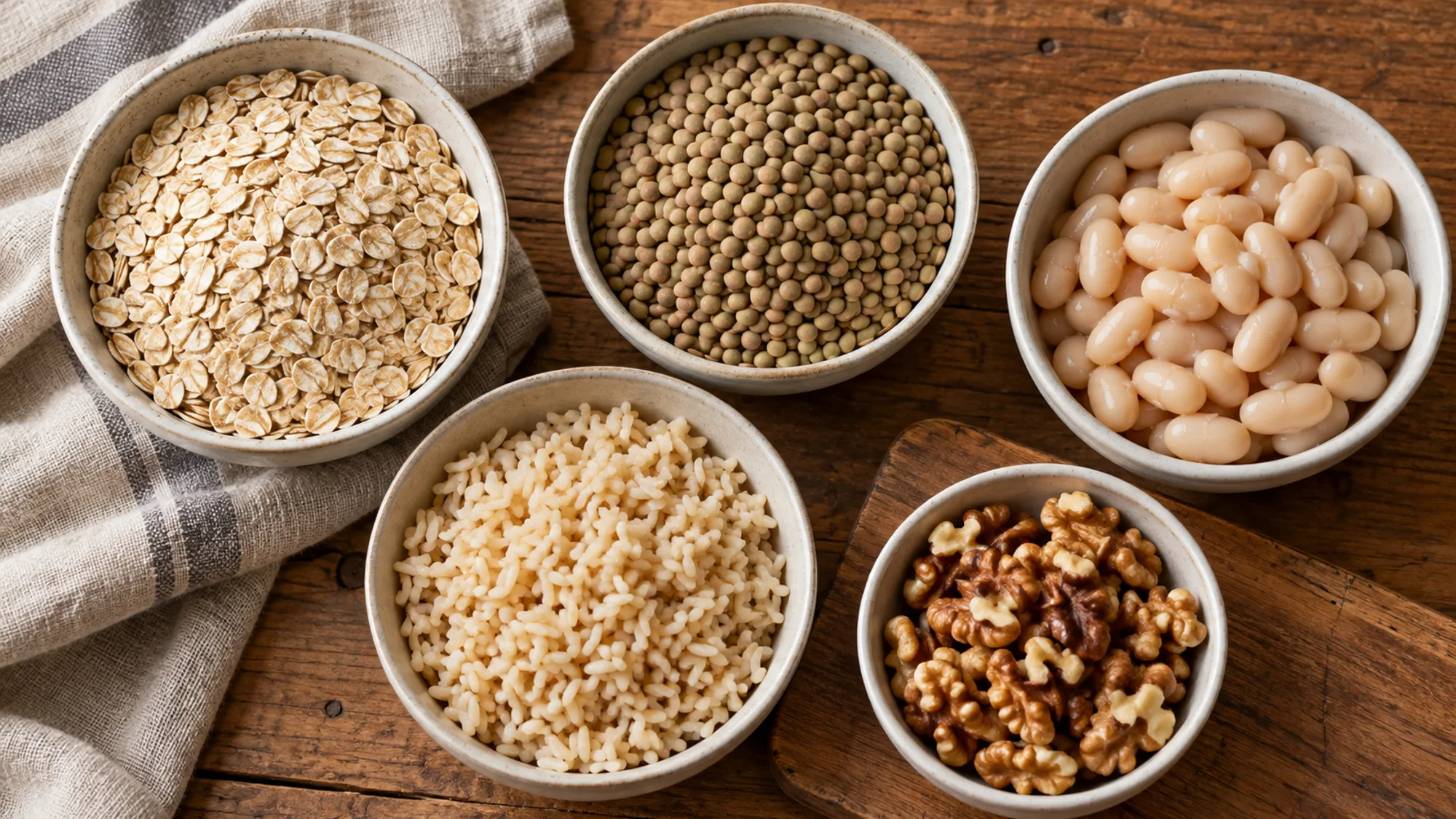
- Grains: Plain oats, rice and pasta let you decide what goes into the cooking liquid. A seasoning packet changes the comparison.
- Beans and lentils: Dried varieties cooked without added salt or no-salt-added canned options work in bowls and soups. Check the actual can rather than treating all beans alike.
- Proteins: Look for plain fish, poultry and meat rather than cured, brined or pre-seasoned versions. Even an uncooked chicken breast may contain an added solution.
- Snacks: Unsalted nuts and seeds or fruit offer alternatives to salted snack mixes. Keep individual allergies and dietary needs in view.
This is a list of starting ingredients, not a promise that every finished dish qualifies for a low-sodium claim. Cheese, sauce, stock and seasoning can change the total quickly.
What the Package Claims Actually Mean
The FDA’s consumer guide explains these common sodium claims. Compare the listed serving with the amount you actually use, especially for foods eaten several times during a day.
| Package wording | Meaning to check |
|---|---|
| Low sodium | 140 mg sodium or less per serving |
| Very low sodium | 35 mg or less per serving |
| Sodium free | Less than 5 mg per serving |
| Reduced sodium | At least 25% less than the regular product |
| No salt added | No salt added during processing; sodium may remain |
A reduced-sodium sauce can still contribute a substantial amount. As a separate label-reading shortcut, 5% Daily Value or less is considered low and 20% or more high; those percentages are not the definition of the package claim above.
Read the sodium number and the serving size together. A comparison claim tells you less than an absolute amount.
Make Lower-Sodium Meals Taste Like Dinner
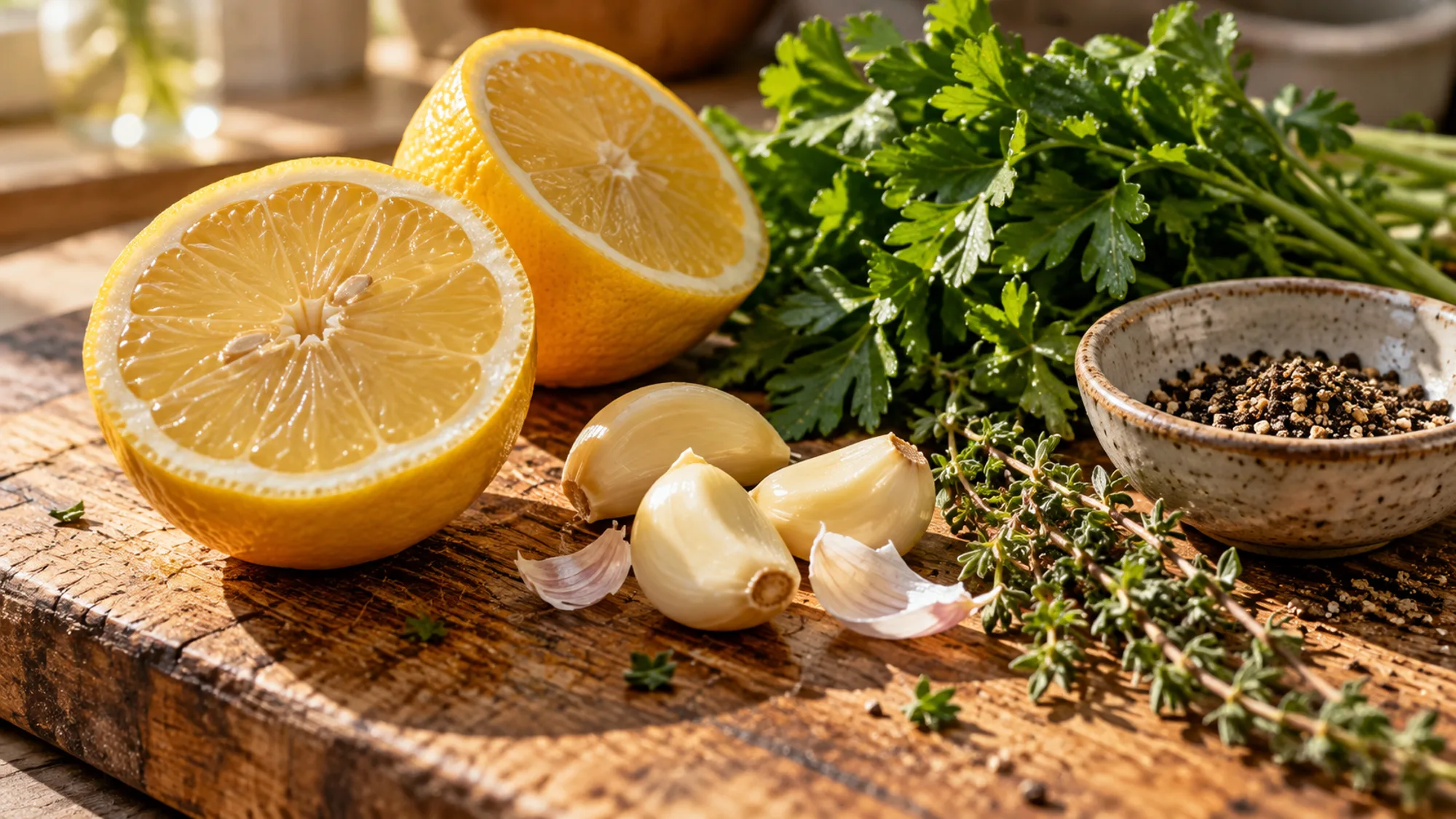
The American Heart Association suggests herbs, spices, garlic, citrus and vinegar for flavor, alongside techniques such as roasting and searing. I would give a vegetable’s browned edge and a fresh squeeze of lemon a chance before reaching for another seasoning blend.
- Breakfast idea: Plain oatmeal with berries and cinnamon keeps the flavor in recognizable ingredients. Compare packaged toppings separately.
- Lunch idea: Combine unseasoned grains with beans, crunchy vegetables, herbs and an oil-and-lemon dressing. Add a salty topping deliberately rather than automatically.
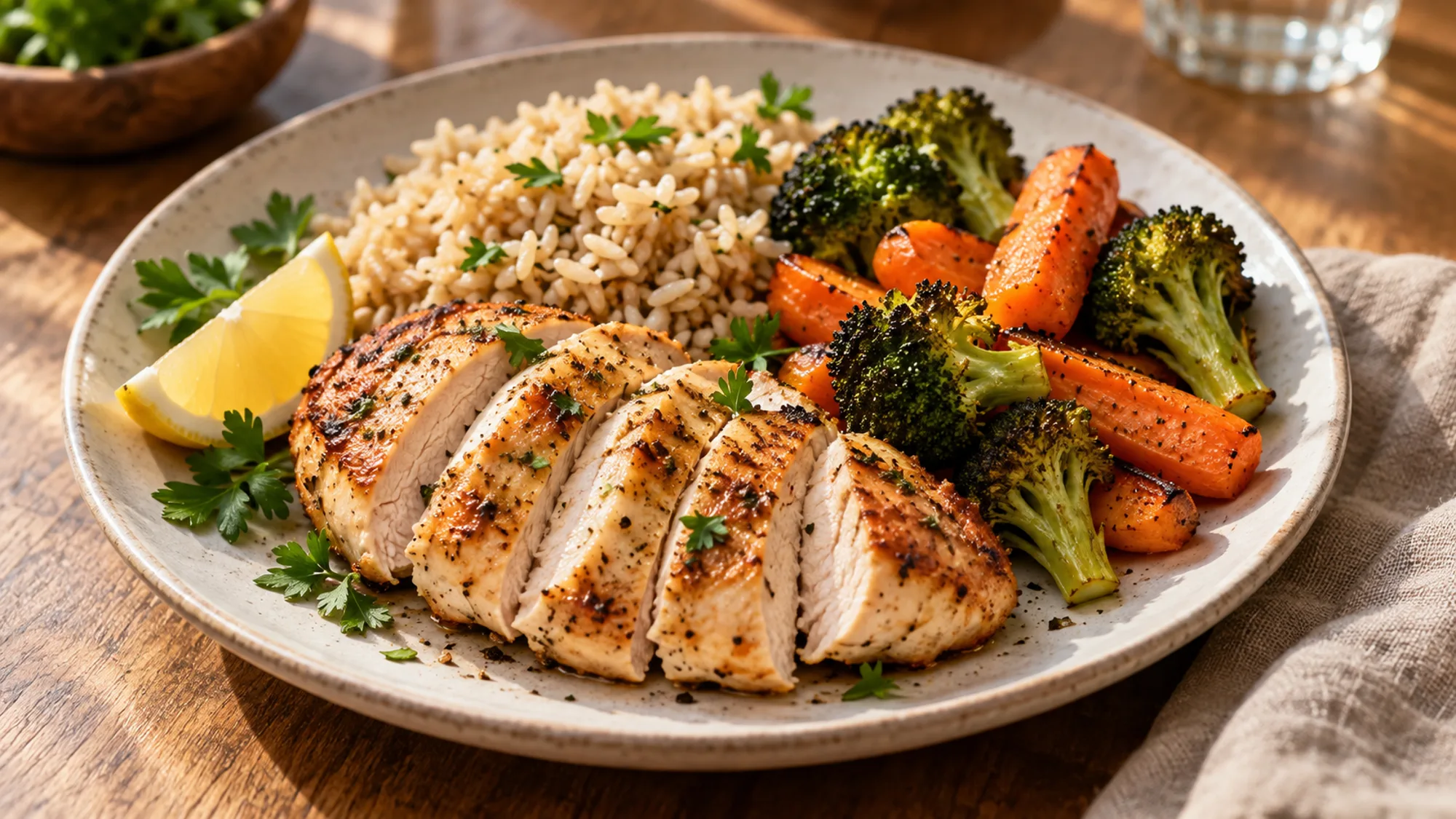
- Dinner idea: Pair plain chicken or fish with rice and roasted vegetables. Check bottled marinades and cooking stock before they enter the pan.
- Soup shortcut: Choose an appropriate lower-sodium broth and taste before seasoning. Our chicken bouillon guide explains why dilution directions matter.
These are meal-building ideas, not calculated sodium menus. Amounts depend on the products, portions and seasonings you choose; a meal can taste bright without every ingredient bringing its own salt supply.
Keep Your Personal Sodium Goal Separate
A lower-sodium shopping habit is not the same as an individualized treatment plan. NIDDK notes that a health professional can determine a sodium limit for kidney health; some people also need guidance about potassium, protein or other nutrients.
- Follow your own plan: If you have a prescribed limit, use that target rather than adopting a number from a general food list.
- Check salt substitutes: Products containing potassium chloride are not suitable for everyone. Ask your clinician when kidney disease or medicines affect potassium.
- Make changes manageable: Compare one frequently purchased food first, then another. Keep the lower-sodium choice only if it works in the meals you actually eat.
Bottom Line
Low sodium foods are easiest to use when they fit your normal meals. Start with plain ingredients, check package amounts and build flavor intentionally; let any prescribed dietary plan guide the final choices.
The FDA explains gradual sodium reduction in the video below.
Sources
- FDA: Sodium claims and Nutrition Facts
- NHLBI: DASH eating plan
- American Heart Association: Reducing sodium
- NIDDK: Individual nutrition needs in kidney disease

Hi, I’m Emily Pocker! I share recipes and food guides here at Recipes360 to help you find everyday meal inspiration and feel more confident in the kitchen. My goal is to make cooking approachable, enjoyable, and full of flavor.