
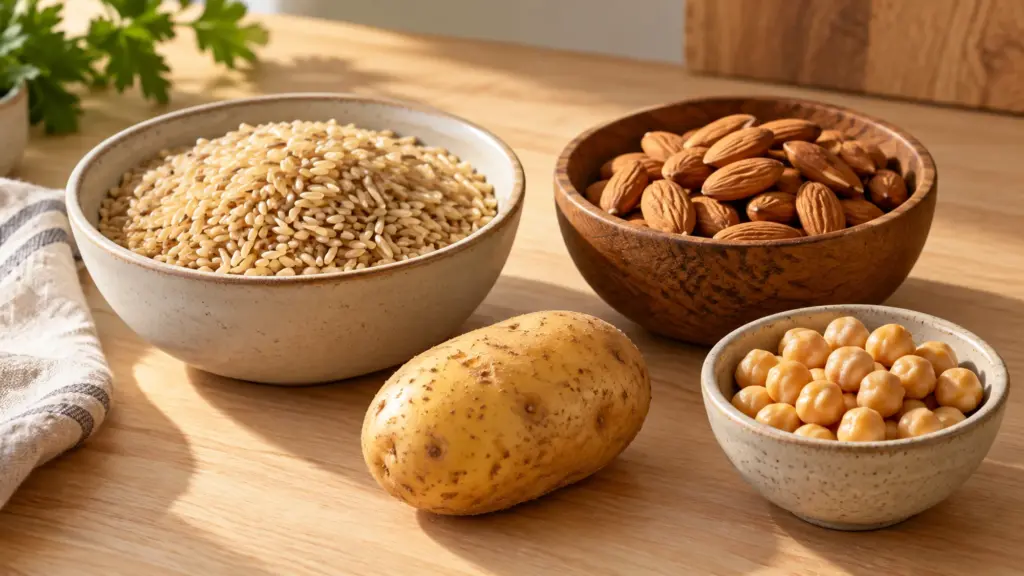
A cracker made with rice flour sits beside one made with almonds, and both packages seem to promise something similar. If you searched “gluten grain free” to untangle the difference, start here: avoiding gluten and avoiding every grain are two different decisions.
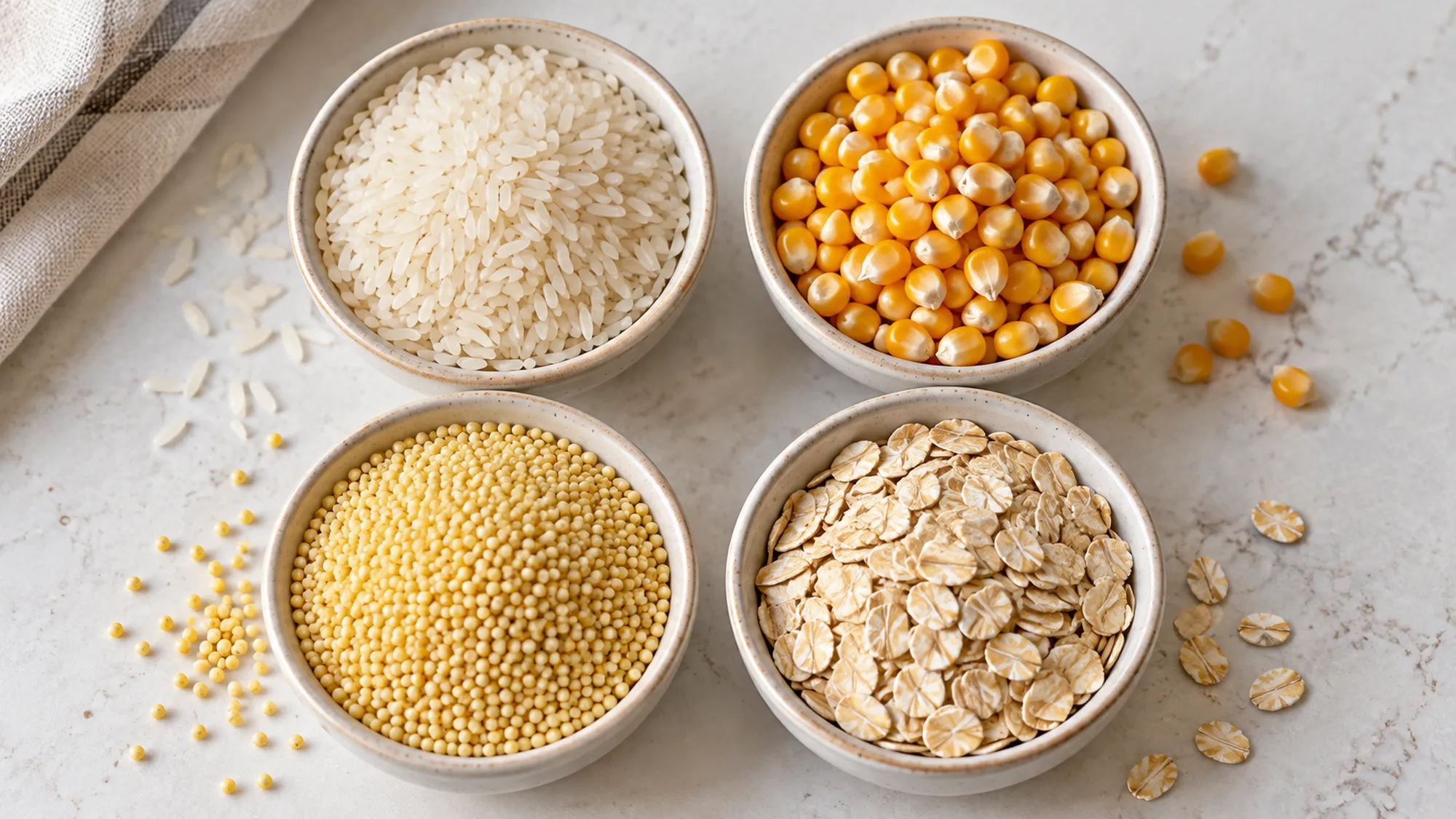
Gluten-free does not mean grain-free. Rice, corn and millet are grains that can fit a gluten-free diet. Grain-free eating excludes those grains too, but the claim alone does not establish that a packaged food is safe for someone with celiac disease.
I’d separate the medical requirement from the pantry preference before replacing familiar foods. That makes shopping more useful and usually less confusing: the important question is what you actually need to avoid, not which package has the longest list of things it leaves out.
Gluten grain free: two terms, different limits
The Celiac Disease Foundation explains that gluten is a group of proteins in wheat, rye and barley. Wheat relatives such as spelt and durum contain it too. “Grain-free” describes a broader ingredient exclusion, removing cereal grains whether or not they naturally contain gluten.
| Plain ingredient | Naturally gluten-free? | A grain? |
|---|---|---|
| Wheat, barley or rye | No | Yes |
| Rice, corn or millet | Yes | Yes |
| Oats | Yes; choose gluten-free labeling when needed | Yes |
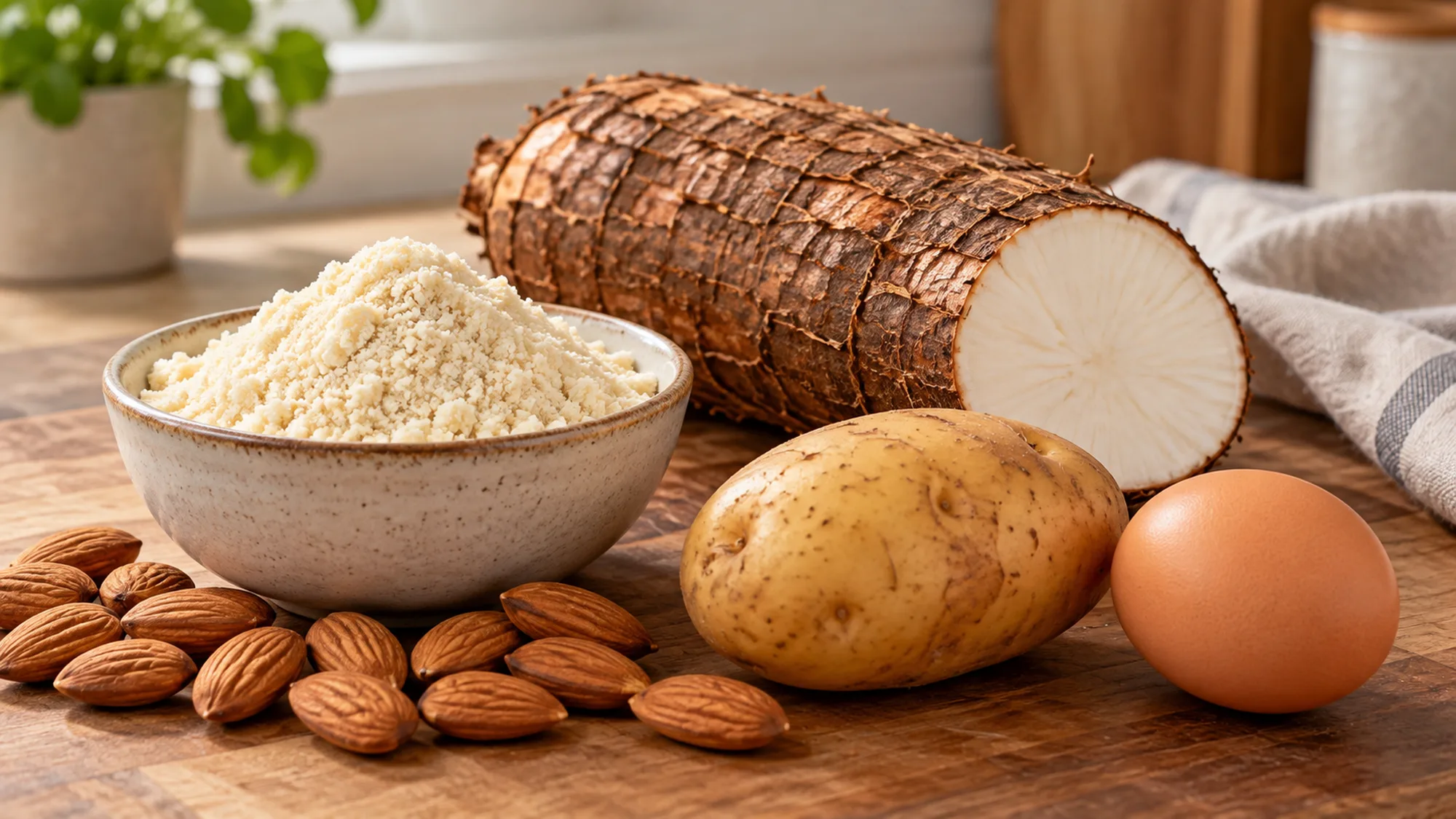
| Almonds or potatoes | Yes | No |
The table describes plain ingredients, not every product made from them. A potato chip coating, rice seasoning or almond-flour baking mix can add other ingredients. Quinoa and buckwheat are botanical seeds often used like grains; a particular grain-free plan may define their place differently, so ask rather than guessing.
When gluten avoidance is medically necessary
For celiac disease, a lifelong gluten-free diet is treatment, not a food trend. NIDDK’s guidance does not require eliminating all grains. If symptoms make you suspect celiac disease, discuss testing before removing gluten, because changing your diet first can make the results less accurate.
- With diagnosed celiac disease, follow your clinician’s or dietitian’s plan, including cross-contact precautions.
- For a wheat allergy, use allergy-specific guidance rather than assuming a gluten-free label answers every wheat question.
- Without a diagnosed need, do not treat a broader restriction as automatically healthier. Decide what problem you are trying to solve before excluding more foods.
A grain-free preference may suit someone’s cooking choices, but it is not a substitute for diagnosis. Persistent symptoms deserve individual advice, especially before several food groups disappear from your meals. There is no need to turn the pantry into a guessing game.
Read the package, not just the promise
For FDA-regulated foods, the gluten-free labeling rule includes a limit of less than 20 parts per million of unavoidable gluten and restrictions on gluten-containing ingredients. “Grain-free” is not a substitute for checking that gluten-free claim, the ingredient list and the food’s preparation.
- Rice crackers can be gluten-free without being grain-free. Check the actual box, including flavorings.
- Almond-flour crackers may avoid grains, but check other ingredients and gluten-free suitability rather than relying on the flour name.
- Choose oats labeled gluten-free when gluten avoidance is necessary; discuss suitability with your care team if you have celiac disease.
- At a restaurant, explain the actual medical need and ask about shared preparation equipment, not only the menu description.
I’d read the back of the package even when the front looks reassuring. A different flavor, recipe change or similarly named product can change the answer. Neither term tells you whether a food contains milk, eggs or nuts; a grain-free bake made with almonds still contains a tree nut.
Keep meals useful, satisfying and varied
Beth Israel Deaconess Medical Center’s celiac nutrition guidance emphasizes adequate gluten-free grains and fiber. Removing foods without useful replacements can narrow your choices. Compare fiber and other nutrients on labels, and build meals around more than a specialty snack with an attractive claim.
- If you only need gluten-free meals, keep suitable grains you enjoy. Our millet guide offers a practical way to cook one option.
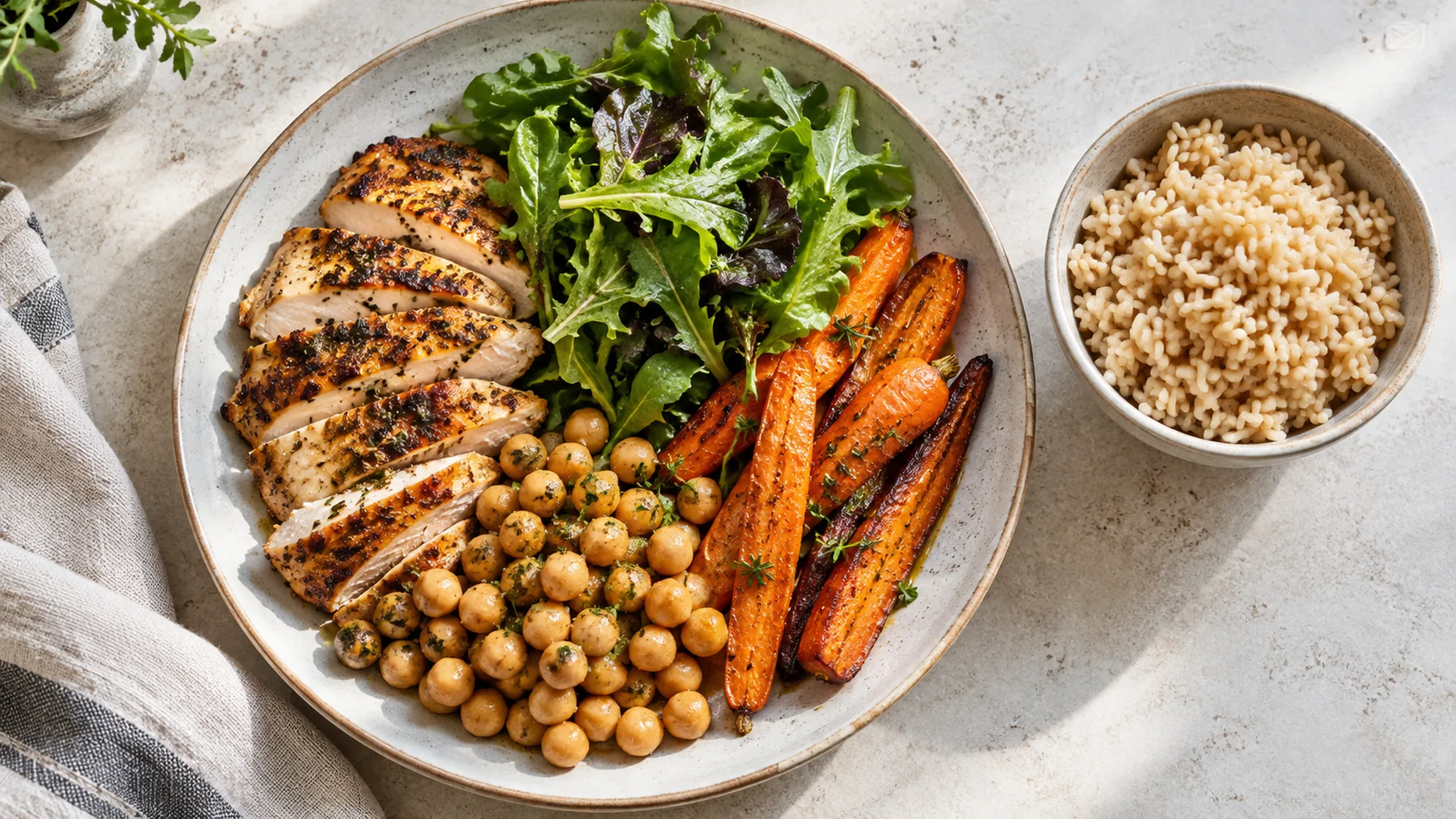
- If choosing grain-free meals, plan a satisfying base such as potatoes alongside vegetables and a protein food, rather than merely deleting the rice.
- For baking, use a recipe designed for the flour you have. Almond flour, rice flour and wheat flour do not behave as identical cup-for-cup replacements.
- Keep beans, fruit, vegetables and other foods you tolerate in the conversation; an exclusion label is not a complete meal plan.
My preference is to make the smallest necessary change and keep the meal enjoyable. A bowl of rice is not a failed grain-free experiment if gluten-free was the actual requirement. Clear language helps both the person shopping and whoever is cooking dinner.
Bottom Line
Use gluten-free guidance for gluten avoidance and treat grain-free as a separate, broader choice. Check the exact food, protect against cross-contact when medically necessary, and keep enough variety to make the diet practical.
Mayo Clinic’s video below explains the gluten-free labeling standard; it is background on that claim, not an endorsement of grain-free eating.
Sources
- Celiac Disease Foundation: what gluten is
- NIDDK: eating and nutrition for celiac disease
- FDA: gluten-free labeling questions and answers
- BIDMC Celiac Center: healthy eating on a gluten-free diet

Hi, I’m Emily Pocker! I share recipes and food guides here at Recipes360 to help you find everyday meal inspiration and feel more confident in the kitchen. My goal is to make cooking approachable, enjoyable, and full of flavor.