
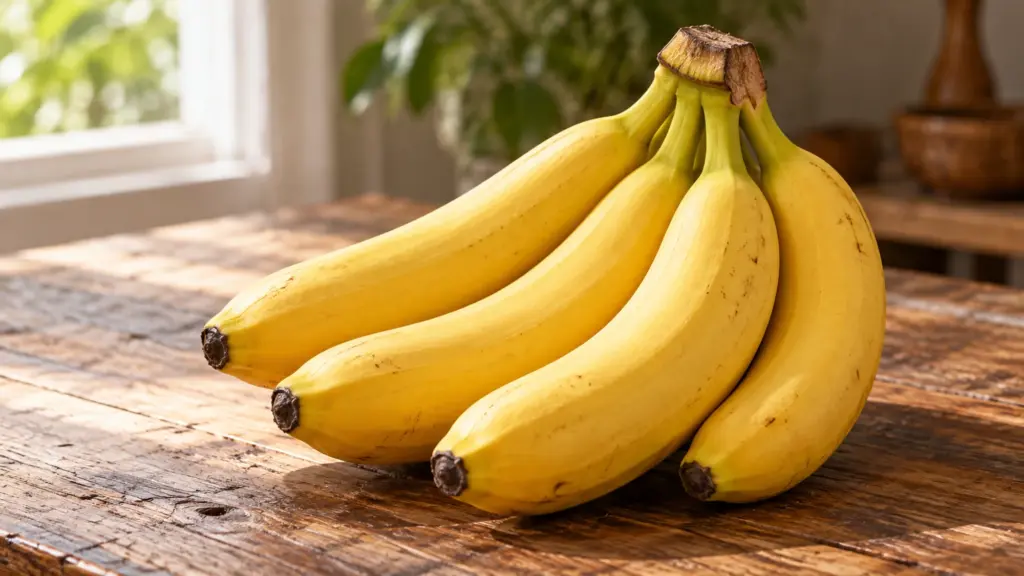
The Gros Michel banana is often introduced as a fruit you can no longer eat. That makes a tempting story, but it leaves out the most useful detail for a curious shopper: the banana still exists. What changed was its place in the international trade.
Gros Michel banana is not extinct. Disease pushed it out of much of the large-scale export market, but growers still cultivate it. For a first taste, buy from a seller who identifies the variety and let the fruit ripen before comparing it with your usual banana.
I’d approach it as a tasting opportunity, not a quest for a magically better banana. Ripeness, handling, and your own preferences matter, and a rare label is not a guarantee that every fruit in the box will be wonderful.
What makes Gros Michel banana different?
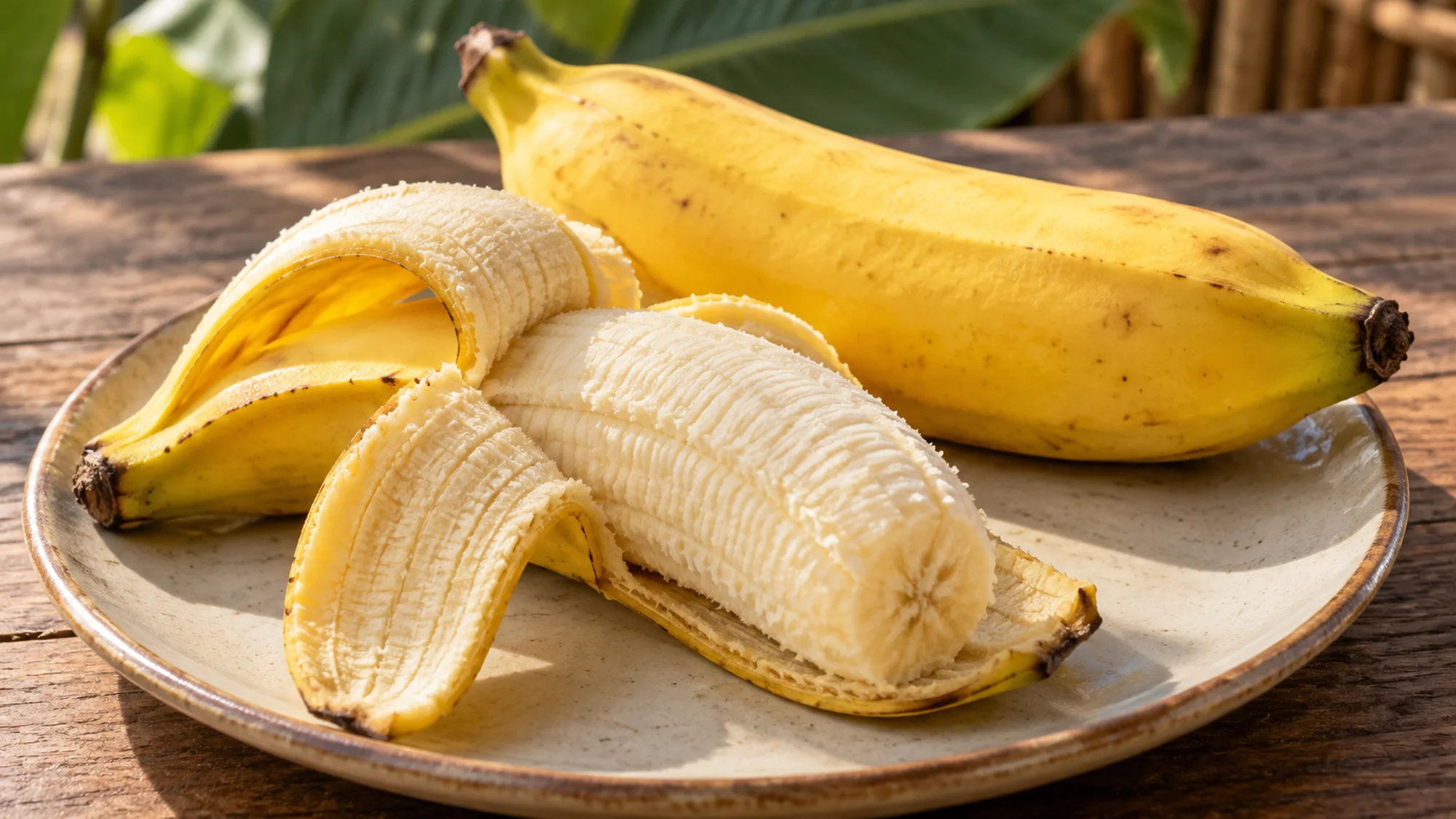
Gros Michel is a cultivated dessert banana, rather than a separate species of fruit. ProMusa’s cultivar profile identifies it as an AAA banana derived from Musa acuminata and describes long fruit that is relatively straight through much of its length. A photograph alone, however, is not a reliable guarantee of cultivar identity.
For the kitchen, the important distinction is simple: this is fruit to enjoy ripe, not a cooking plantain that necessarily needs frying or boiling. If you are paying a specialty price, ask for the cultivar name rather than relying on “heritage,” “original,” or a dramatic extinction claim.
| Question | Gros Michel | Typical Cavendish |
|---|---|---|
| Can you eat it ripe? | Yes, as a dessert banana | Yes, as a dessert banana |
| Where might you find it? | Specialty growers or some local tropical markets | Common supermarket supply |
| Why the historical switch? | Susceptible to Fusarium wilt race 1 | Resistance to race 1 helped replace it |
| Does the name settle taste? | No; ripeness and handling still matter | No; ripeness and handling still matter |
Why it disappeared from many supermarket shelves
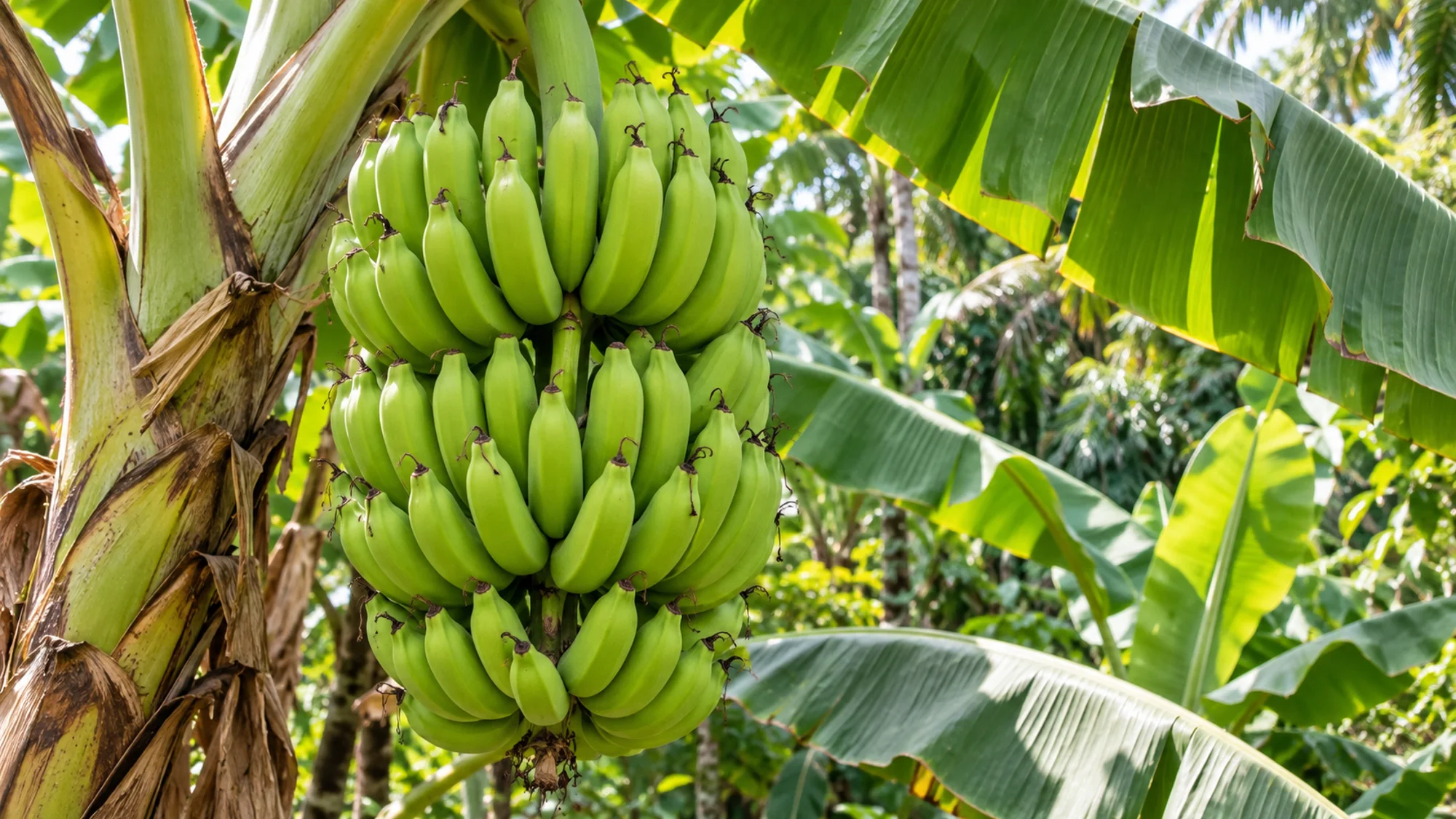
Gros Michel once dominated export trade, aided by fruit that traveled well. Fusarium wilt, also called Panama disease, damaged plantations; the industry increasingly replaced it with Cavendish cultivars in the late 1950s. ProMusa notes that Gros Michel continues in small farms, gardens, and mixed cropping systems—commercial replacement is not extinction.
Nor does that history mean Cavendish resists every form of the disease. FAO’s explanation of Fusarium wilt distinguishes the race 1 problem from tropical race 4, which can affect Cavendish. These are plant-health problems, not a reason to fear an ordinary sound banana in your fruit bowl.
- Keep the two stories separate: why one cultivar lost export dominance, and the ongoing need to protect banana crops.
- Do not assume every yellow banana is Cavendish or that every specialty banana is Gros Michel.
- Treat claims about guaranteed disease immunity or an “extinct fruit” for sale with skepticism.
Buying and tasting Gros Michel banana
Availability depends on the grower and destination, so check the actual listing before placing an order. I would rather buy a smaller clearly identified batch than a large mystery box. Shipping and ripening losses can make an inexpensive-looking per-pound price less useful than it first appears.
- Ask whether the bananas ship mature-green or closer to eating ripe, and read the seller’s ripening guidance.
- Check the quantity, shipping charge, expected delivery window, and policy for fruit that arrives damaged.
- Let fruit ripen away from direct heat. Judge readiness with aroma, a yellowing peel, and flesh that yields gently rather than a calendar promise.
- For a fair comparison, taste both varieties at a similar stage of ripeness, plain and at the same temperature.
Notice aroma, sweetness, firmness, and how quickly the flesh softens as you chew. Write a few words before looking up anyone else’s verdict. I like that approach because it leaves room to prefer the familiar banana without feeling you have failed a test of adventurous eating.
Serving ideas without hiding the fruit
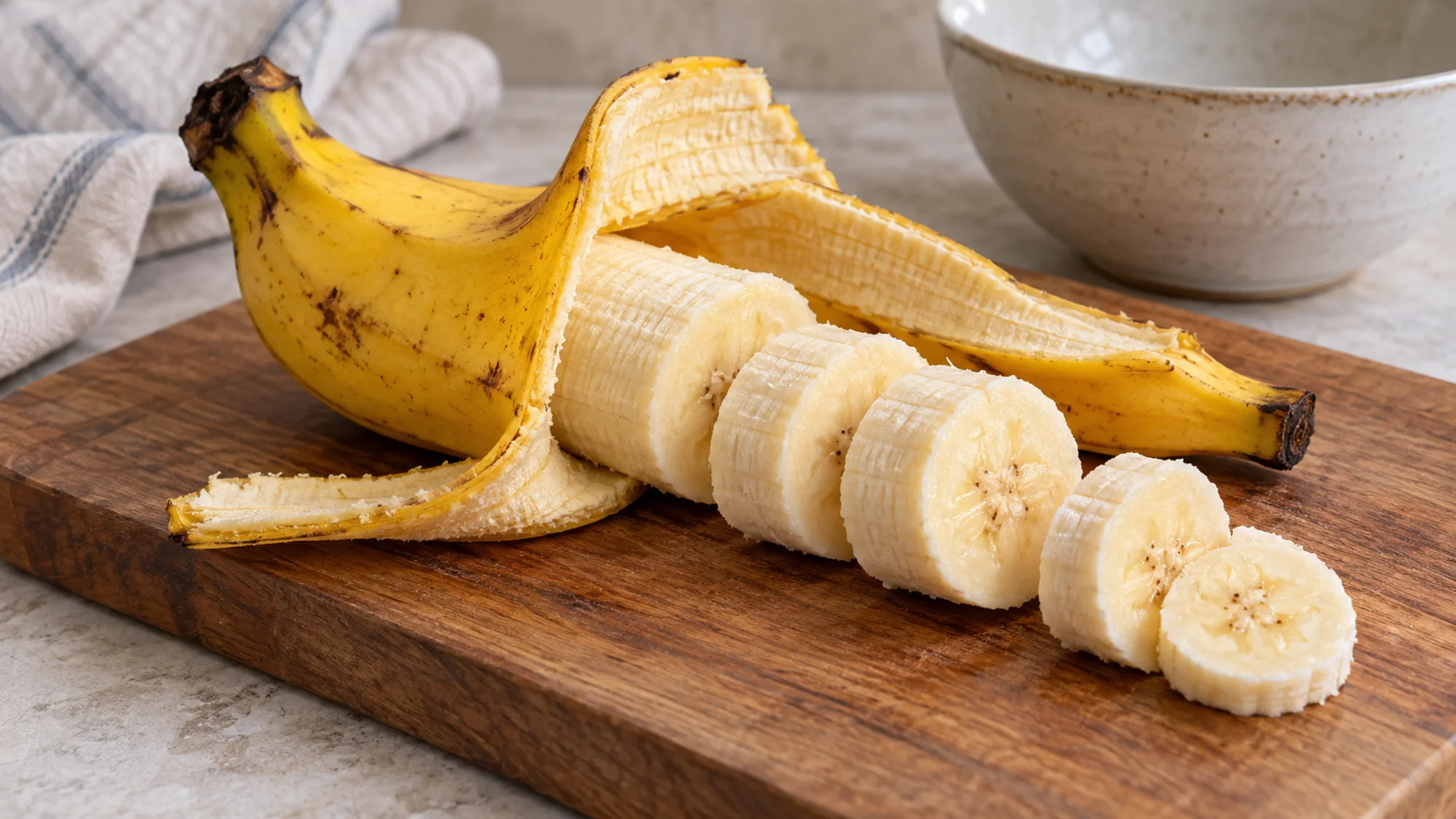
Try the first ripe banana on its own. Strong spices, chocolate, or a blender full of other fruit can make a careful comparison rather pointless. After that, use the rest where ripe banana already belongs; no special equipment is required.
- Slice it over plain oatmeal or yogurt when you want the fruit to remain the main flavor.
- Serve a small plate of ripe pieces alongside another cultivar for an informal comparison.
- Freeze peeled portions you cannot use while they are in good condition, keeping them sealed for later smoothies.
- For baking, measure the amount of mashed fruit the recipe needs rather than assuming all bananas have the same size.
A darkening peel alone does not tell the whole story, but leaking fruit, mold, or a clearly spoiled smell is not something to disguise in baking. Likewise, the cultivar name does not remove a banana allergy. Choose the fruit because you are curious about its flavor, not because a seller promises superior health effects. For portion-based nutrition questions, our guide to carbohydrates in a banana explains why the peeled amount matters.
Bottom Line
Gros Michel banana is a surviving cultivar with an important farming history, not an extinct curiosity. Verify what you are buying, ripen it carefully, and let a simple side-by-side taste decide whether it is worth seeking out again.
Weird Explorer’s review below offers one person’s tasting observations. Use it for a closer look at the fruit, not as a promise that every shipment will taste identical.
Sources
- ProMusa: Gros Michel cultivar and trade history
- FAO: Banana Fusarium wilt and cultivar susceptibility

Hi, I’m Emily Pocker! I share recipes and food guides here at Recipes360 to help you find everyday meal inspiration and feel more confident in the kitchen. My goal is to make cooking approachable, enjoyable, and full of flavor.