
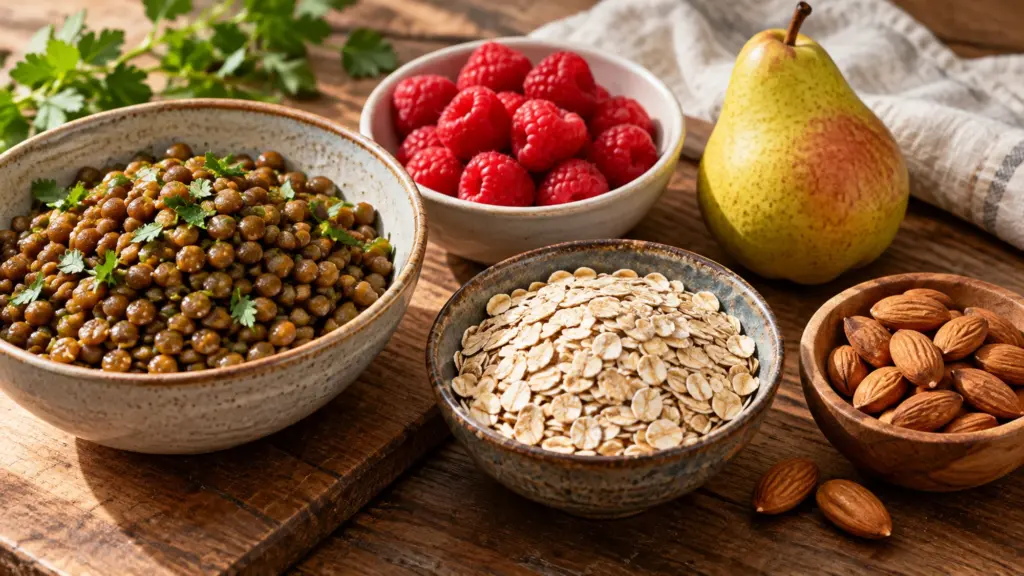
A shopping list for more fiber does not need to begin with an unfamiliar powder. If you are searching for foods with high in fiber, start with beans, lentils, whole grains, fruit, vegetables, nuts and seeds. The useful question is which of those foods can fit comfortably into meals you already enjoy.
Beans and lentils, whole grains, berries, pears, vegetables, nuts and seeds can help you eat more fiber. Compare fiber per serving on packaged-food labels, vary the sources, and increase gradually rather than trying to change every meal overnight.
Start with everyday foods that provide fiber
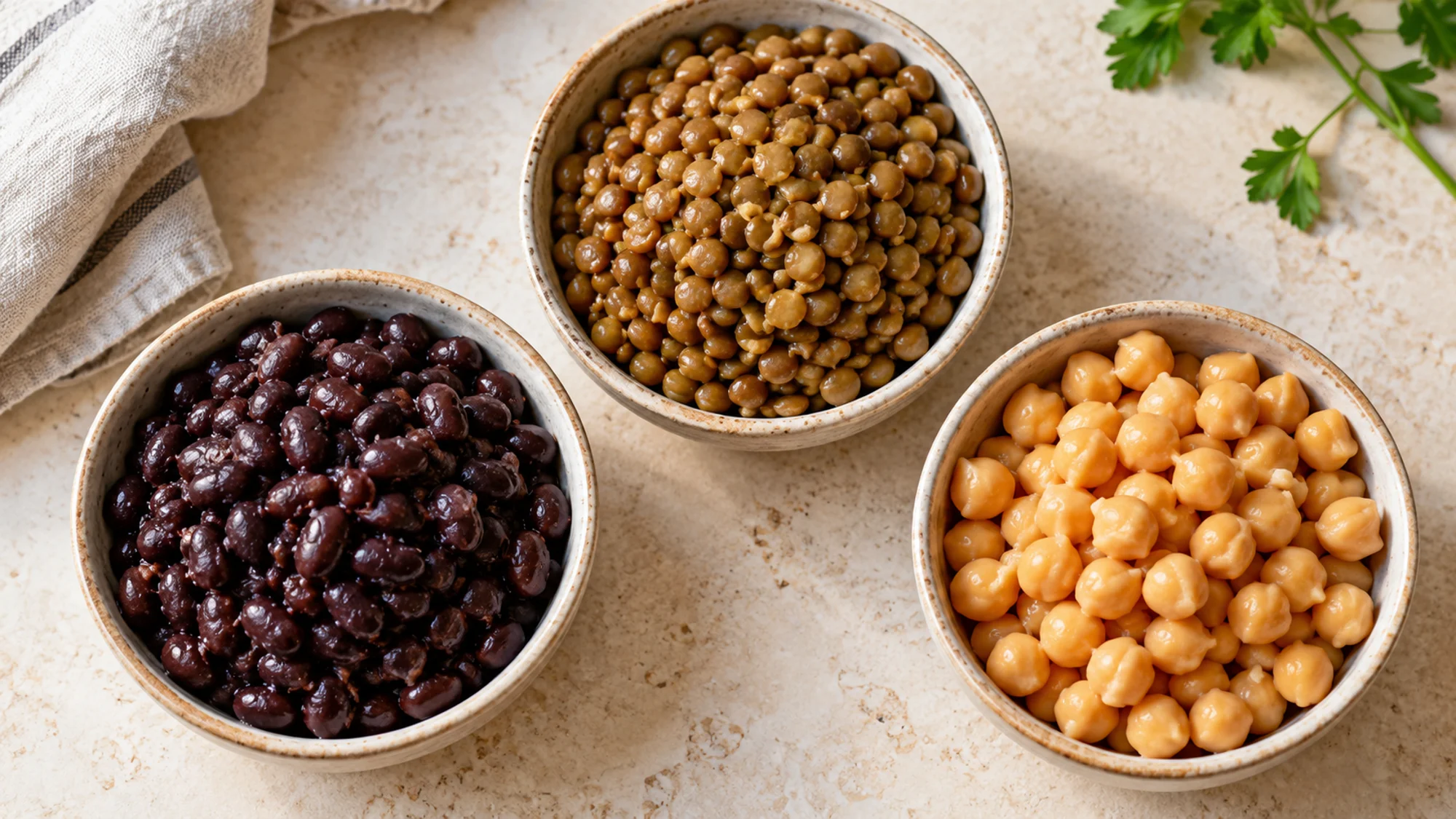
The National Institute of Diabetes and Digestive and Kidney Diseases lists these food groups as fiber sources: whole grains, legumes, fruits, vegetables and nuts. You do not need to pick one champion ingredient. Different foods bring different textures and other nutrients along with their fiber.
I would begin with a food that already belongs in your kitchen. If you enjoy soup, beans or lentils may be an easy addition. If breakfast is the meal you can reliably organize, oats and fruit offer a more realistic starting point than a complicated dinner overhaul.
| Food group | Examples | An everyday way to use it |
|---|---|---|
| Legumes | Lentils, black beans, chickpeas | Add cooked legumes to a bowl or soup |
| Whole grains | Oats, brown rice, whole-wheat bread | Choose the grain that suits the meal |
| Fruit | Berries, pears, apples with edible skin | Pair with breakfast or a snack |
| Vegetables | Broccoli, peas, carrots | Include a vegetable you enjoy eating |
| Nuts and seeds | Almonds, peanuts, seeds | Add a suitable portion for crunch |
Our guide to legumes and pulses explains the names you will see on bean and lentil packages. Canned and cooked forms still belong to the same food family; convenience does not make them stop being useful ingredients.
Read the fiber line and the serving size
The FDA’s dietary fiber guide gives a Daily Value of 28 grams for a 2,000-calorie reference diet. That is a label comparison tool, not an individualized prescription. Needs differ, and a clinician may recommend a different amount for a particular situation.
Use the FDA’s serving-size guidance when comparing foods. A large bowl of cereal and a small labeled serving are not automatically equivalent. As a general label guide, 5% Daily Value or less is low and 20% or more is high; compare the amount you will actually eat rather than the front-of-package slogan.
- Find dietary fiber under total carbohydrate on the Nutrition Facts panel.
- Check whether you are comparing dry food, cooked food or a prepared serving.
- Read the ingredient list as well as the number: added fiber and whole-grain ingredients describe different product features.
- Keep the rest of the label in view, including sodium, added sugars and allergens.
A meaningful comparison starts with the same serving basis. A bigger serving can supply more fiber without being a different kind of food.
Make a change that improves the actual meal
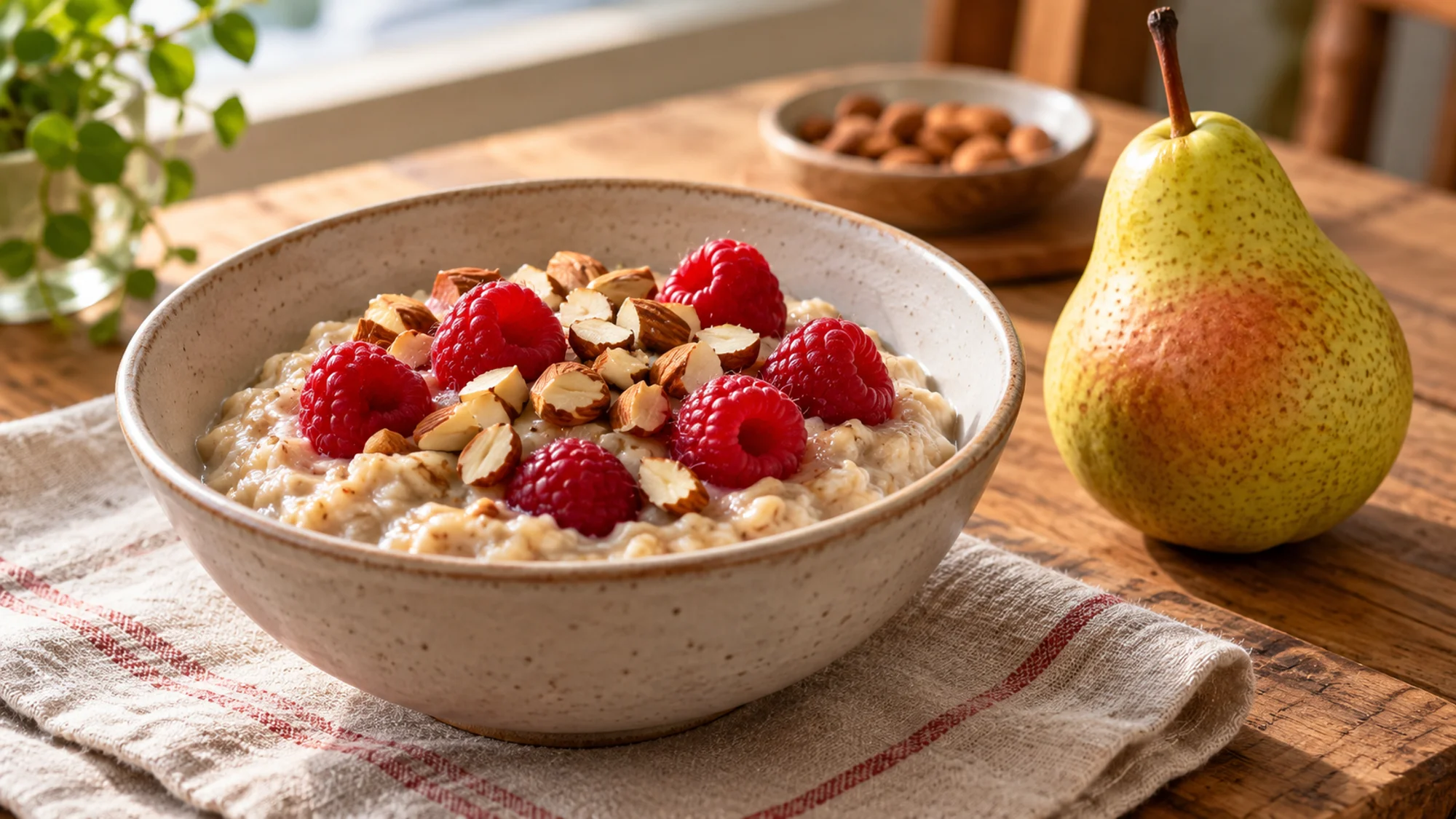
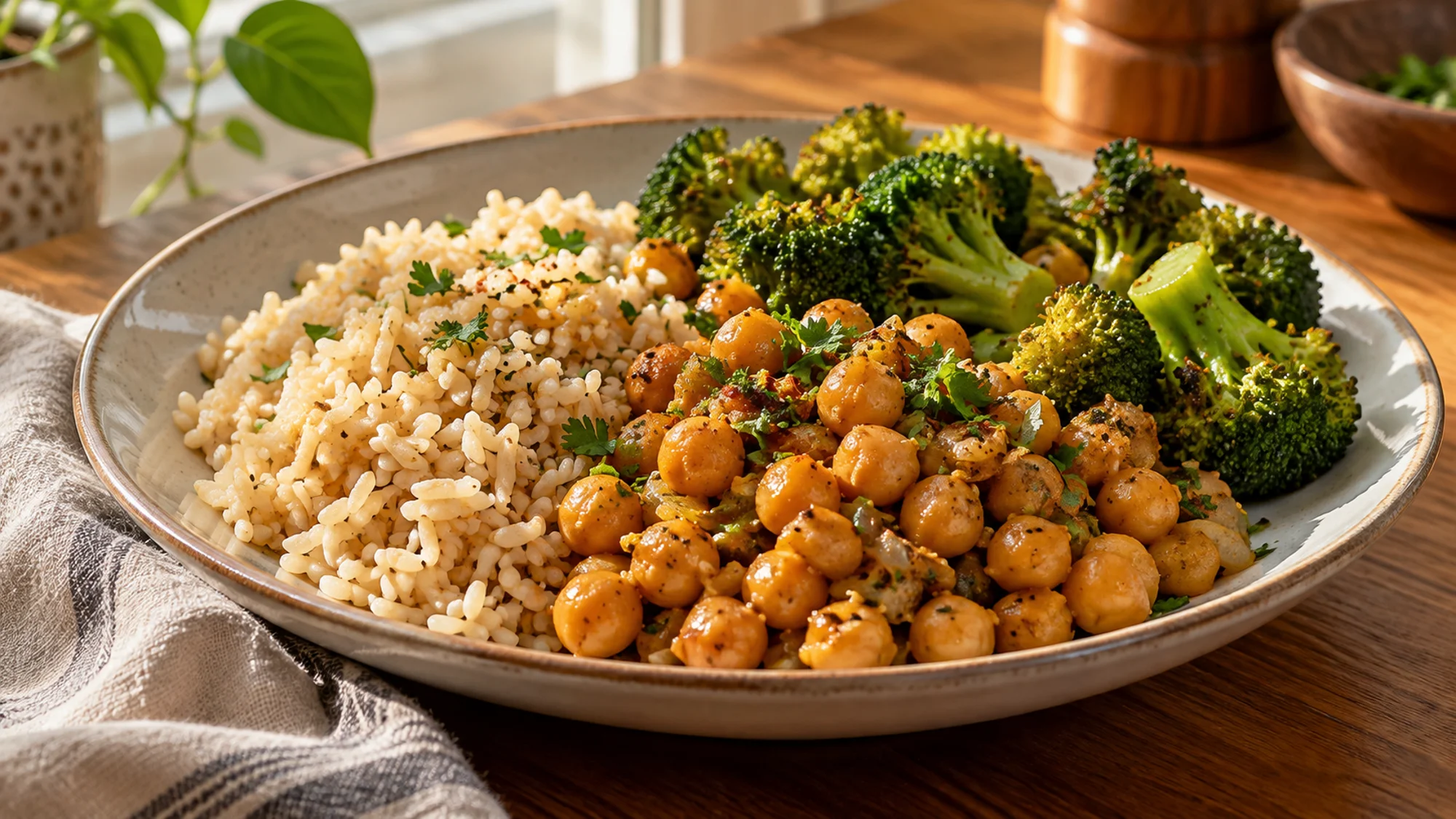
Build around the texture you like. Soft lentils can work in a brothy lunch; chickpeas bring a firmer bite to a grain bowl; berries give oats a juicy contrast. I prefer changes that make the meal more appealing, because a box bought for its label alone can spend a very long time in the cupboard.
According to Mayo Clinic’s fiber overview, plant foods commonly contain both soluble and insoluble fiber. There is no need to sort every bite into one category. A varied pattern of fiber-containing foods is more useful than treating one ingredient as the entire solution.
- Breakfast: choose a whole-grain option and add fruit you enjoy.
- Lunch: add cooked beans to a familiar soup or salad.
- Dinner: include a vegetable and consider a whole grain or legume.
- Snack: try fruit or a suitable portion of nuts, accounting for allergies.
Increase gradually and respect digestive limits
NIDDK advises adding fiber a little at a time and drinking enough liquids to help it work. A sudden large increase can be uncomfortable. Start with one manageable change, notice how you tolerate it, and build from there rather than treating the day as a race toward a number.
More fiber is not appropriate in every medical situation. Mayo Clinic describes circumstances that may need less fiber, including intestinal narrowing, some symptom flares and preparation for certain procedures. Follow your care team’s instructions if you have a prescribed diet. Persistent symptoms deserve assessment rather than repeated self-directed increases.
Bottom Line
Use foods with high in fiber as a shopping prompt, then make the choice practical: vary beans, grains, fruit, vegetables, nuts and seeds; check serving sizes; and increase gradually. Choose foods you enjoy, with any medical dietary instructions taking priority.
Mayo Clinic’s video features dietitian Kate Zeratsky explaining dietary fiber. It offers general context alongside the food choices above; it does not replace guidance for a specific digestive condition.
Sources
- NIDDK: Fiber-containing foods and gradual changes
- FDA: Dietary Fiber label guide
- FDA: Understanding Nutrition Facts
- Mayo Clinic: Dietary fiber

Hi, I’m Emily Pocker! I share recipes and food guides here at Recipes360 to help you find everyday meal inspiration and feel more confident in the kitchen. My goal is to make cooking approachable, enjoyable, and full of flavor.