
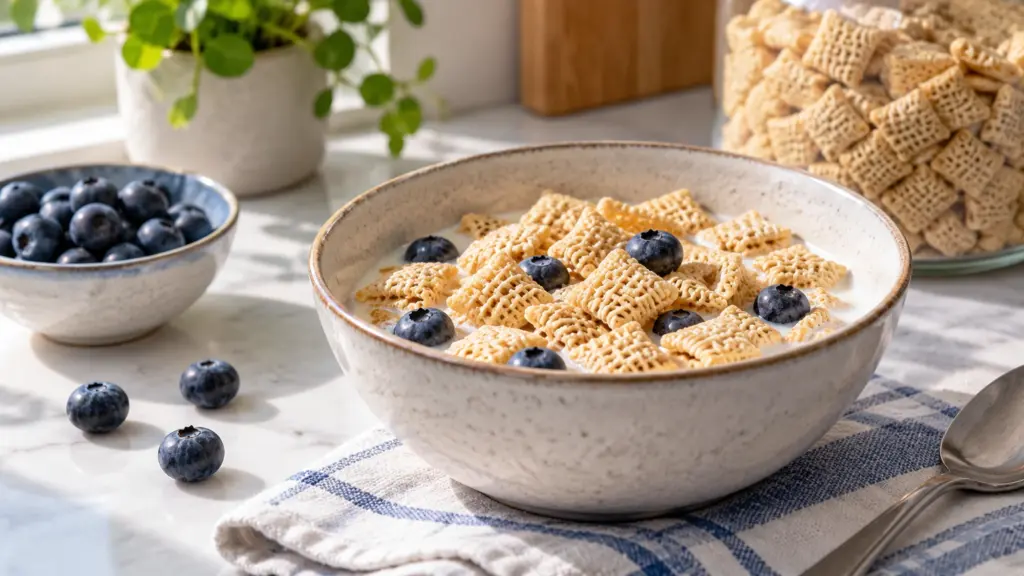
A cereal box can say “made with rice” on the front and still need a closer look on the back. Breakfast gets simpler when you separate three questions: does this exact product meet your gluten needs, what is in one serving, and will you enjoy eating it?
Choose gluten free cereal by the claim on the exact package, then read its ingredients and nutrition panel. Rice, corn or oats in the name alone do not establish that a finished cereal is gluten-free.
What Gluten Free Cereal Means on a U.S. Label
For FDA-regulated foods, a gluten-free claim is voluntary but has a defined standard. Among other requirements, unavoidable gluten must be below 20 parts per million. FDA explains the rule and the gluten-containing grains: wheat, barley, rye and their crossbreeds. A cereal does not qualify simply because wheat is absent from its name.
I’d start with that claim before considering the flavor or the price. It is a more useful first filter than trying to recognize every cereal shape through the box window. For diagnosed celiac disease, follow the food-selection advice from your care team.
- Check the exact version: a brand may sell both gluten-free and gluten-containing cereals.
- Check the market: similarly named products can have different formulations in different countries.
- Check each purchase: the current package takes priority over an old shopping list.
Compare the Actual Product, Not the Brand
These U.S. manufacturer examples show why the product name matters. They are label examples, not a ranking, and their claims should be rechecked on the box you buy.
| Product | Manufacturer’s current information | Shopping decision |
|---|---|---|
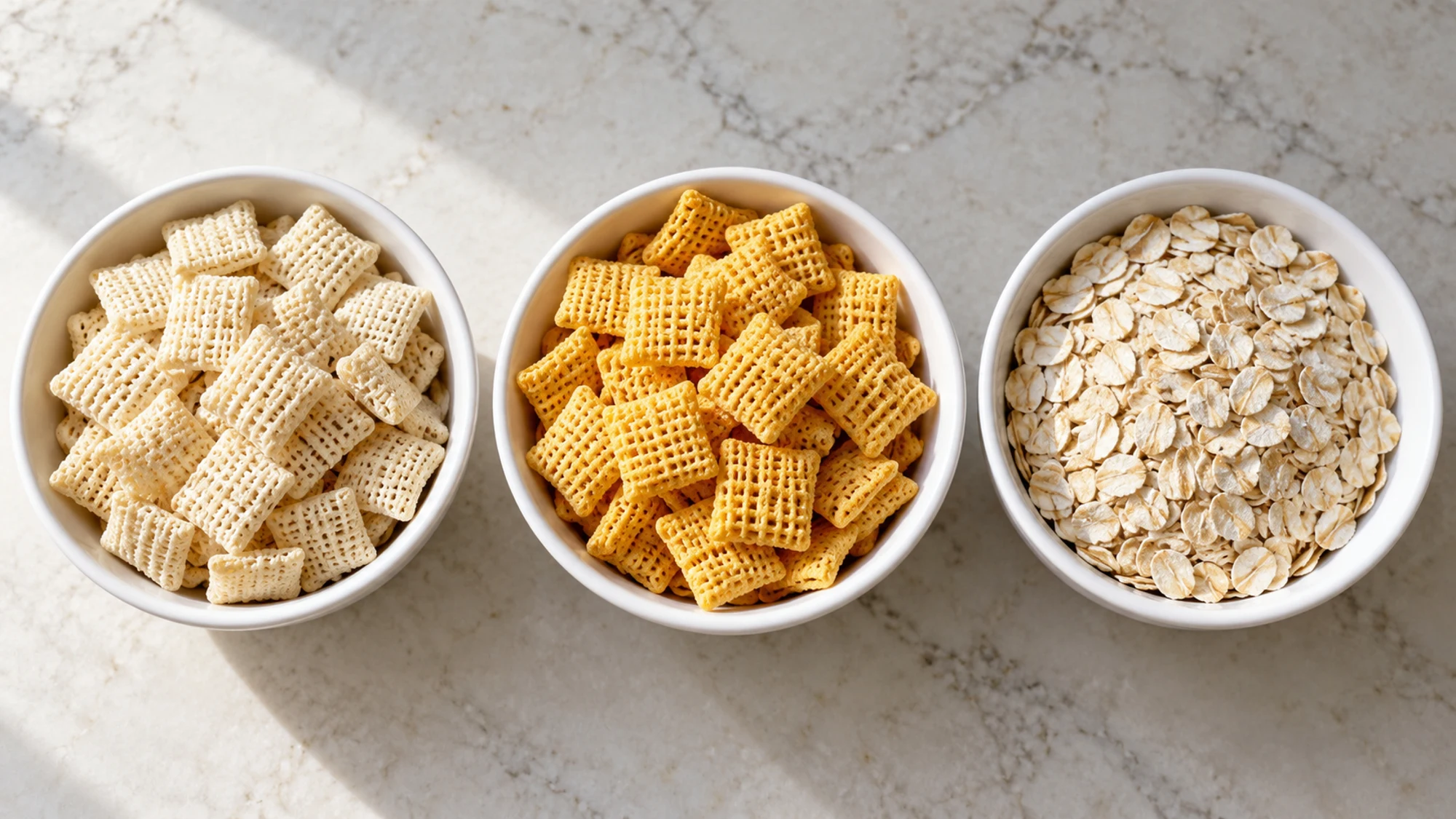
| Rice Chex | Gluten-free; whole grain rice and rice listed | Verify the matching U.S. package |
| Corn Chex | Gluten-free; whole grain corn and corn meal listed | Check the exact flavor |
| Wheat Chex | Not gluten-free; contains wheat | Choose another cereal when avoiding gluten |
| Oat-based cereal | Depends on the finished product | Look for a gluten-free claim |
The ingredient and gluten information above comes from the manufacturer’s Rice Chex, Corn Chex and Wheat Chex pages. Similar lattice shapes are not proof of similar ingredients. I’d rather spend a moment checking a label than let a familiar box color make the decision.
Give Oats and Ingredient Lists Extra Attention
Oats deserve their own check. FDA says oats carrying a gluten-free claim must meet the standard; third-party certification is not legally required for that claim. “Made without gluten ingredients” alone is not the same assurance as a compliant gluten-free label.
- Read the full ingredients, including flavorings and additions; barley malt is a reason to investigate rather than assume a rice cereal is suitable.
- A “contains wheat” statement can help identify wheat, but its absence does not establish the absence of barley or rye.
- For oats and celiac disease, the Celiac Disease Foundation recommends gluten-free-labeled oats and discussing tolerance with your gastroenterologist or dietitian.
Do not extend a gluten claim to another allergy. Gluten-free does not automatically mean milk-free, nut-free or suitable for every person with a wheat allergy. Those are separate questions for the ingredient and allergen information.
Read Nutrition Separately and Keep Breakfast Practical
A gluten-free statement describes gluten requirements; it does not tell you whether a cereal fits the rest of your breakfast. Compare products using the same amount, and distinguish the cereal-only column from any column that includes milk. A larger serving can make a direct bowl-to-bowl comparison misleading.
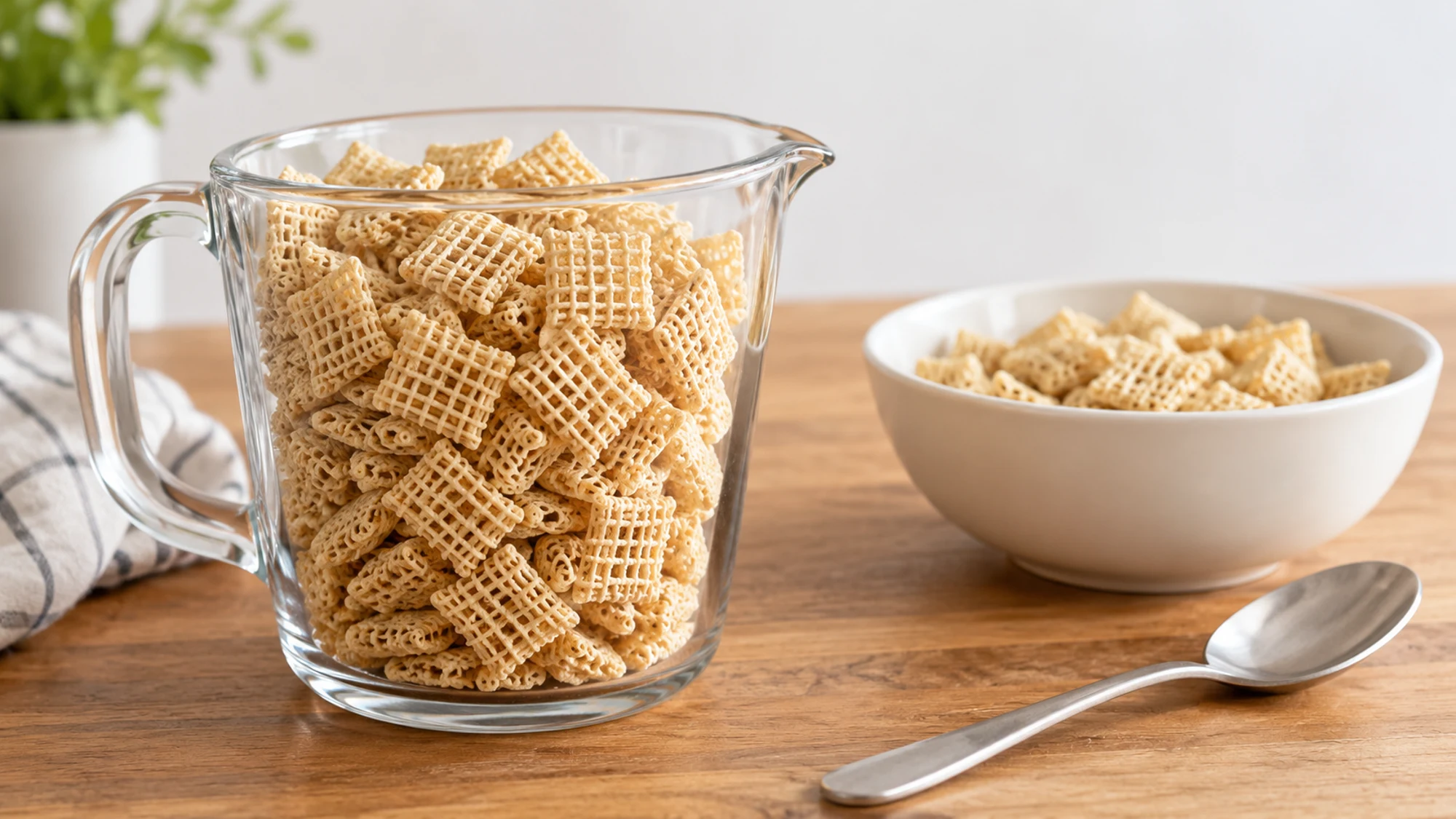
- Start with serving size: measure your usual pour once if you want a realistic comparison.
- Compare the details that matter to you: fiber, added sugars, sodium, protein and fortification are separate label entries.
- Include the additions: milk, yogurt, fruit and toppings change the meal and may introduce other allergens.
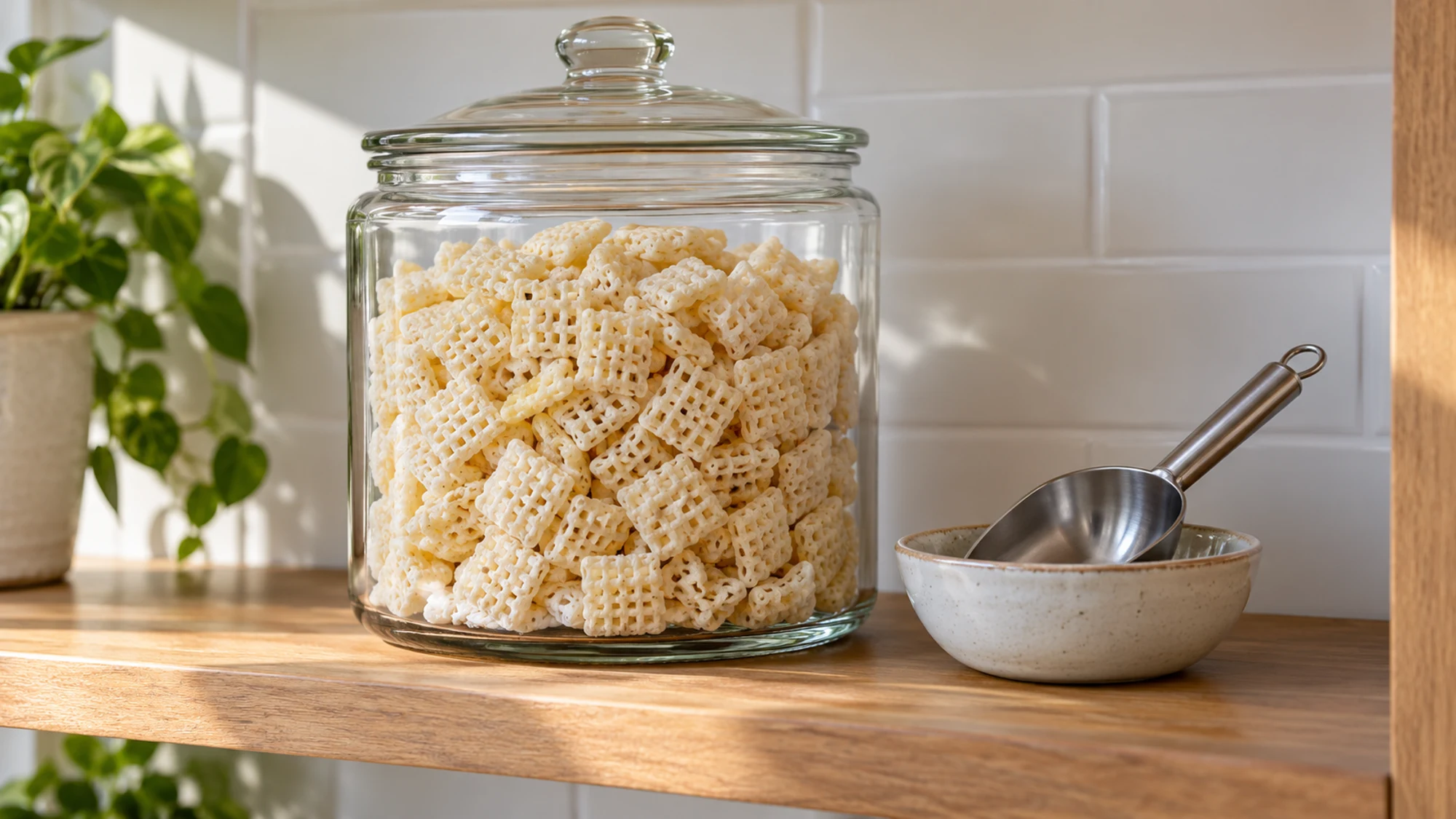
- Keep serving tools clean: avoid dipping a scoop used for wheat cereal into the gluten-free container.
For another breakfast option, the site’s overnight oats guide offers a different texture; choose suitable gluten-free ingredients if needed. There is room for a breakfast you actually like. The label check should help you choose it, not turn breakfast into an obstacle course.
Bottom Line
Check the exact cereal’s gluten-free claim first, then evaluate its ingredients, allergens and nutrition for your needs. Keep the current package information and clean serving tools part of the routine.
Boys Town National Research Hospital’s gluten-free eating-plan video explains broader food selection and label reading. It complements the cereal checks above; it is not an endorsement of a particular brand.
Sources
- FDA: Gluten and Food Labeling
- FDA: Gluten-Free Labeling Questions and Answers
- General Mills: Rice Chex; Corn Chex; Wheat Chex
- Celiac Disease Foundation: Label Reading

Hi, I’m Emily Pocker! I share recipes and food guides here at Recipes360 to help you find everyday meal inspiration and feel more confident in the kitchen. My goal is to make cooking approachable, enjoyable, and full of flavor.