
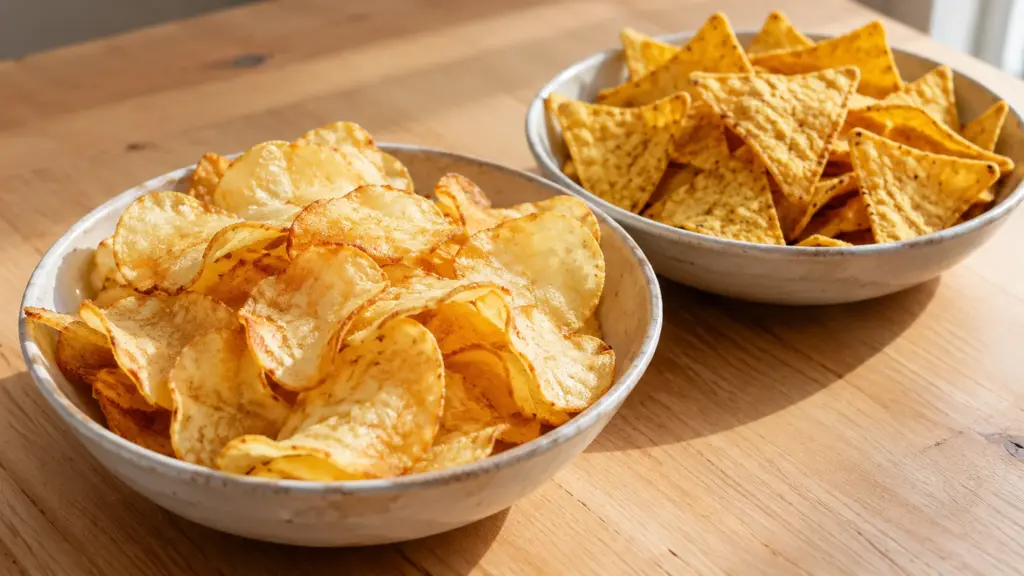
A bowl of chips seems like a simple snack until you are choosing it for someone who avoids gluten. Potato and corn can be useful starting ingredients, but the finished product, its seasoning and the way it is handled are what determine whether that particular bag belongs on the table.
Choose gluten free chips by the current package label, not just the main ingredient or brand name. Plain potato and corn chips may be suitable, but flavored products, grain blends and shared fryers need closer attention. For celiac disease, check both the product and possible gluten cross-contact.
How to Choose Gluten Free Chips
In the United States, FDA-regulated foods carrying a gluten-free claim must meet specific requirements, including less than 20 parts per million of unavoidable gluten. The claim is voluntary, but using it carries a defined standard. It is more useful than guessing from the color of a chip or a familiar logo.
I would start with a clearly labeled option and then check the exact flavor and package. A brand can sell both suitable and unsuitable products. An old shopping list or a friend’s usual purchase should not replace the information on the bag you are holding.
- Find the gluten-free claim on the actual product, including any smaller print.
- Read the ingredient list and allergen information, especially when trying a new flavor.
- Do not treat “wheat-free” as the same promise: gluten also occurs in barley and rye.
- If information is unclear, ask the manufacturer about that exact product before buying it.
Compare the Chip, Then Check the Seasoning
The Celiac Disease Foundation lists wheat, barley, rye and malt among sources of gluten. A chip can start with a different main ingredient and still contain a gluten-containing addition. Malt vinegar seasoning, wheat-containing blends and some composite snacks deserve attention rather than a blanket assumption.
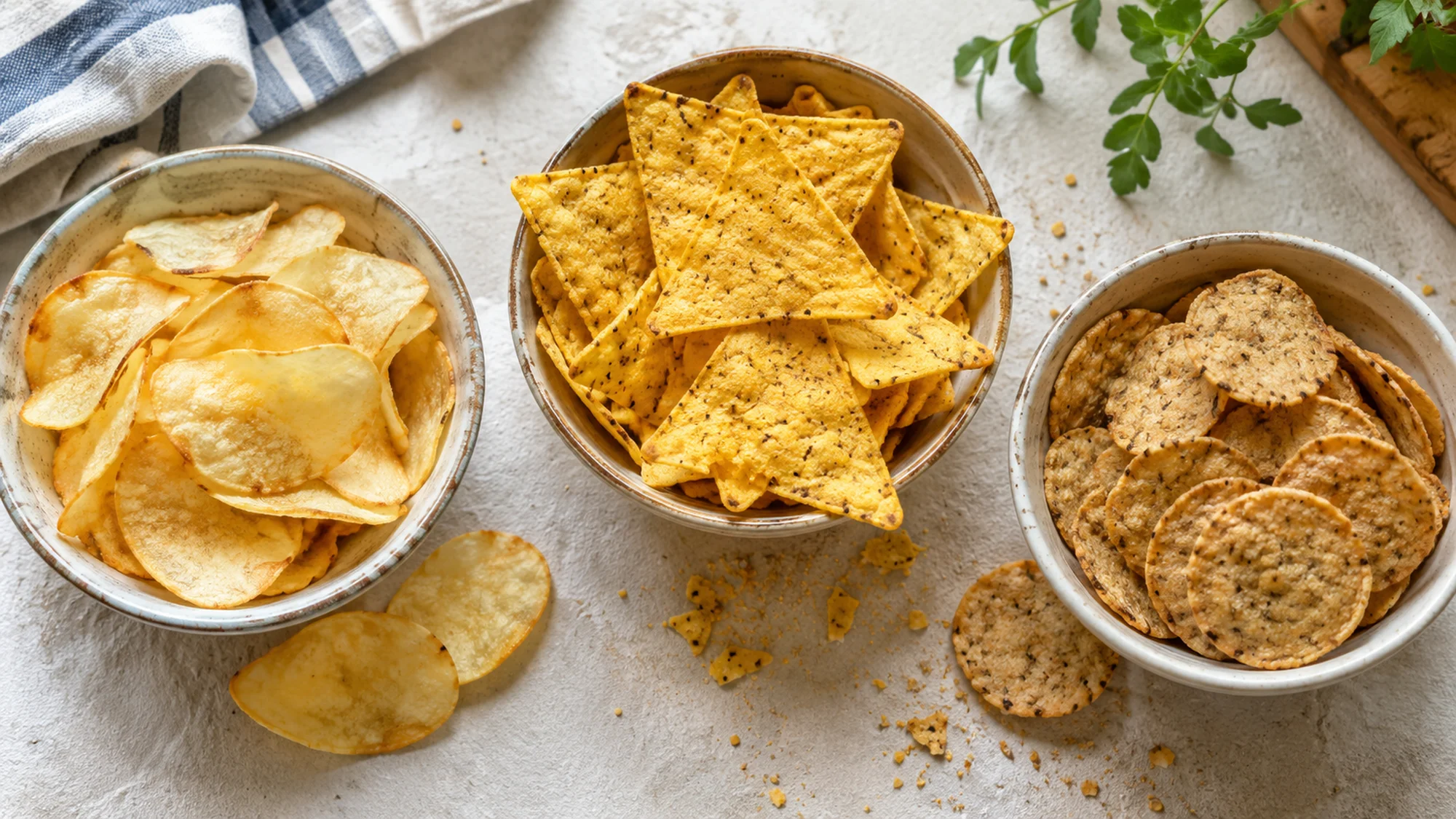
This table is a shopping guide, not a list of guaranteed-safe products. I prefer matching the chip to how it will be served after confirming the label: a sturdy tortilla chip for a chunky dip, or a lighter potato chip when you want a delicate crunch.
| Chip style | Look closely at | Useful serving role |
|---|---|---|
| Plain potato | Gluten-free claim and handling information | A light, crisp side |
| Corn tortilla | Other grains, seasoning and frying | Scooping chunky dips |
| Flavored chips | The exact flavor’s ingredient list | A seasoned snack with a plain dip |
| Multigrain chips | Every grain in the blend | A different texture, if suitable |
| Restaurant chips | Ingredients and shared equipment | Choose only after staff clarify preparation |
A gluten-free label does not automatically mean a dedicated factory. FDA explains that manufacturers remain responsible for meeting the claim’s requirements, including when facilities are shared. Avoid interpreting a single precautionary statement as a complete account of a company’s controls.
Keep Gluten Out of the Serving Bowl
Restaurant chips bring a separate question: what else goes through the fryer? A 2021 pilot study of 20 orders of fries from 10 restaurants found that gluten cross-contact could occur in shared fryers. It studied fries, not every type of chip, and its small sample cannot predict the gluten content of your order.
Ask staff about the chip ingredients, shared oil, baskets and serving utensils. A gluten-free ingredient list does not settle preparation questions. If staff cannot explain the process and you need strict avoidance, choose an option whose preparation you can establish.
- At home, use a clean bowl and serving utensils rather than a container with cracker crumbs.
- Serve a separate portion before wheat crackers or other gluten-containing snacks reach a shared platter.
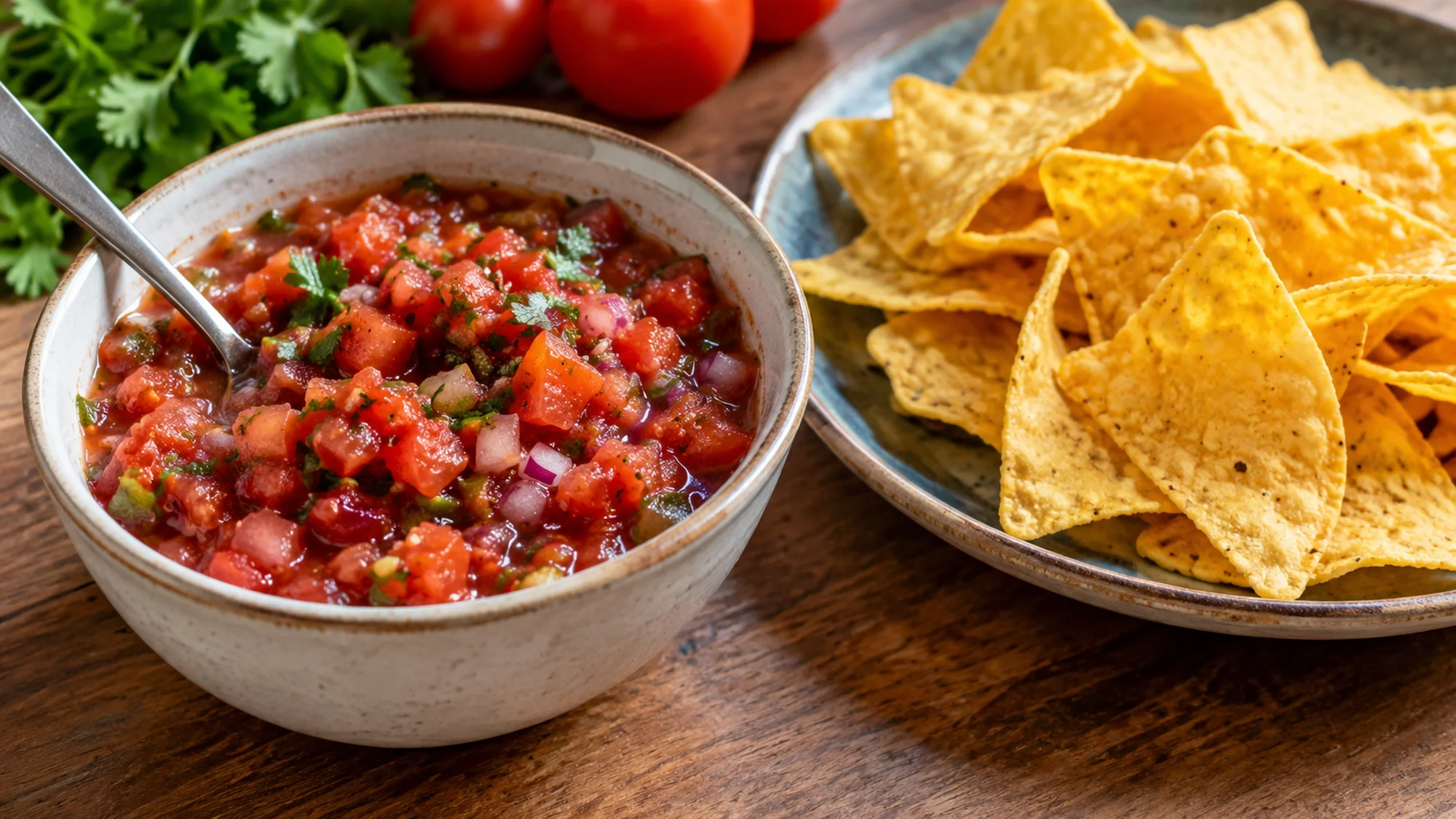
- Give dips their own spoons; moving a crumb-covered cracker through a dip can affect what others eat.
- Keep the package available for guests to check their own dietary needs. Do not guess on their behalf.
Read Nutrition Separately From Gluten
Gluten-free describes a particular requirement; it is not a promise of lower sodium, fewer calories or more fiber. The FDA recommends checking serving size before comparing Nutrition Facts. Compare similar amounts, then look at the nutrients that matter to your household rather than letting a front-label claim make every decision.
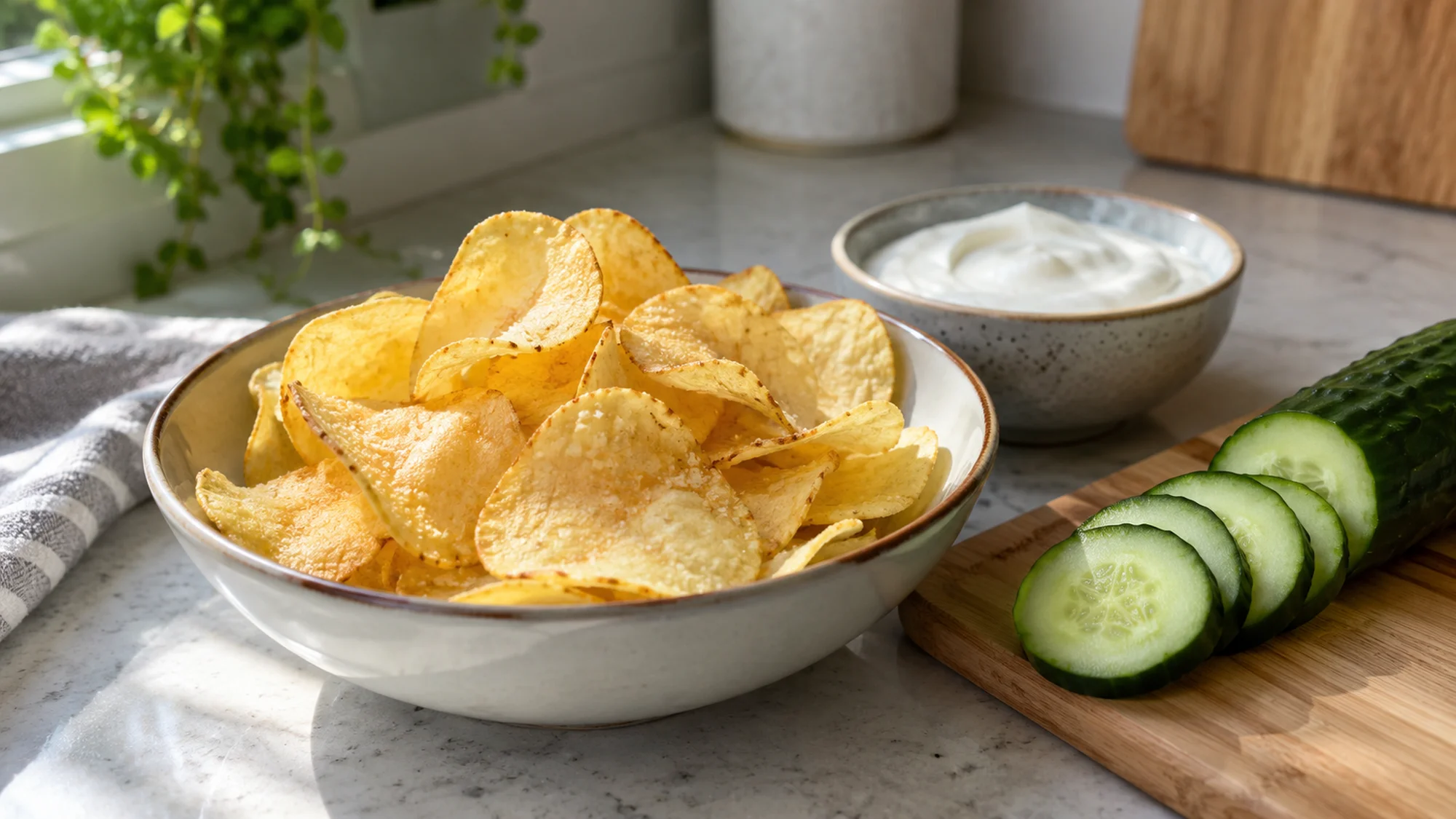
For a snack plate, I would put the chips in a bowl and add another texture, such as crisp vegetables and a suitable dip. This makes the serving easy to see and lets everyone choose what they enjoy. Check the dip separately; a suitable chip does not make every accompaniment suitable.
The same label-first approach helps with choosing gluten-free bread. If you are following a medical diet or managing additional allergies, use the advice specific to your needs; gluten-free and allergen-free are not interchangeable terms.
Bottom Line
Choose gluten free chips from the current label, check the exact flavor, and keep preparation and serving separate from ingredient assumptions. A clear product claim, informed questions and clean serving habits are more dependable than a permanent list of supposedly safe brands.
Mayo Clinic’s video below explains gluten and the reason some people need to avoid it. It provides background rather than endorsing a particular chip or brand.
Sources
- FDA: What gluten-free means
- FDA: Gluten-free labeling questions
- Celiac Disease Foundation: Sources of gluten
- Thompson and colleagues: Shared-fryer pilot study
- FDA: Using the Nutrition Facts label

Hi, I’m Emily Pocker! I share recipes and food guides here at Recipes360 to help you find everyday meal inspiration and feel more confident in the kitchen. My goal is to make cooking approachable, enjoyable, and full of flavor.