
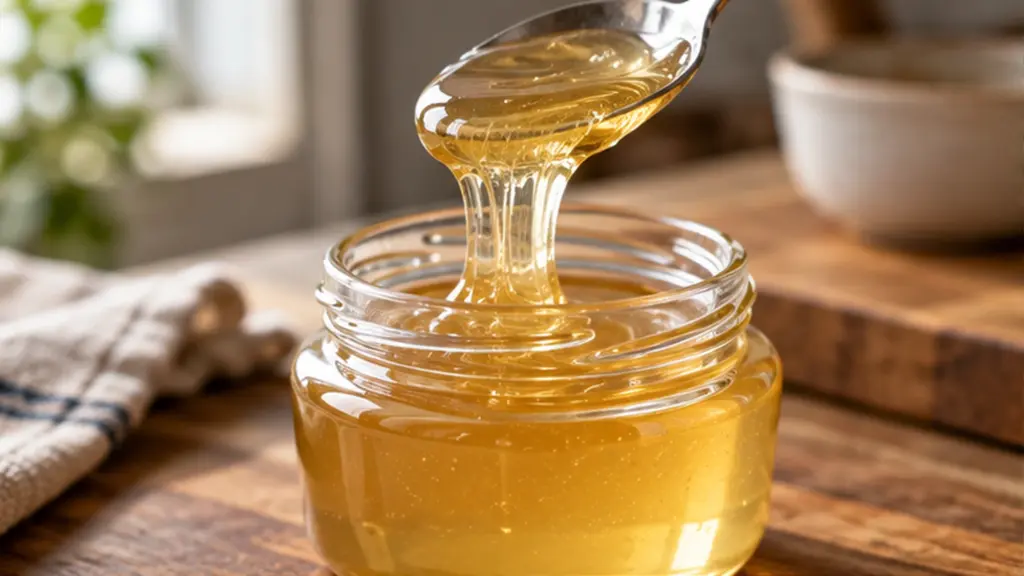
A tub labeled maltose can look like a simple syrup purchase until the recipe also mentions malt powder. Those similar names do not promise the same ingredient, and choosing by the first four letters can change more than the sweetness.
Maltose is a sugar made of two glucose units. In the kitchen, maltose syrup is a sweetening ingredient—not the same thing as enzyme-active malt powder, and not a sugar-free alternative.
I would start with the exact wording in the recipe, then check the package. That small pause is more useful than assuming every golden syrup or malt product will behave alike.
What maltose actually is
OpenStax describes maltose as a disaccharide: two simple sugar units joined together. Both units are glucose. Table sugar, or sucrose, instead pairs glucose with fructose; lactose pairs glucose with galactose. The names describe different molecules, not different grades of sweetness.
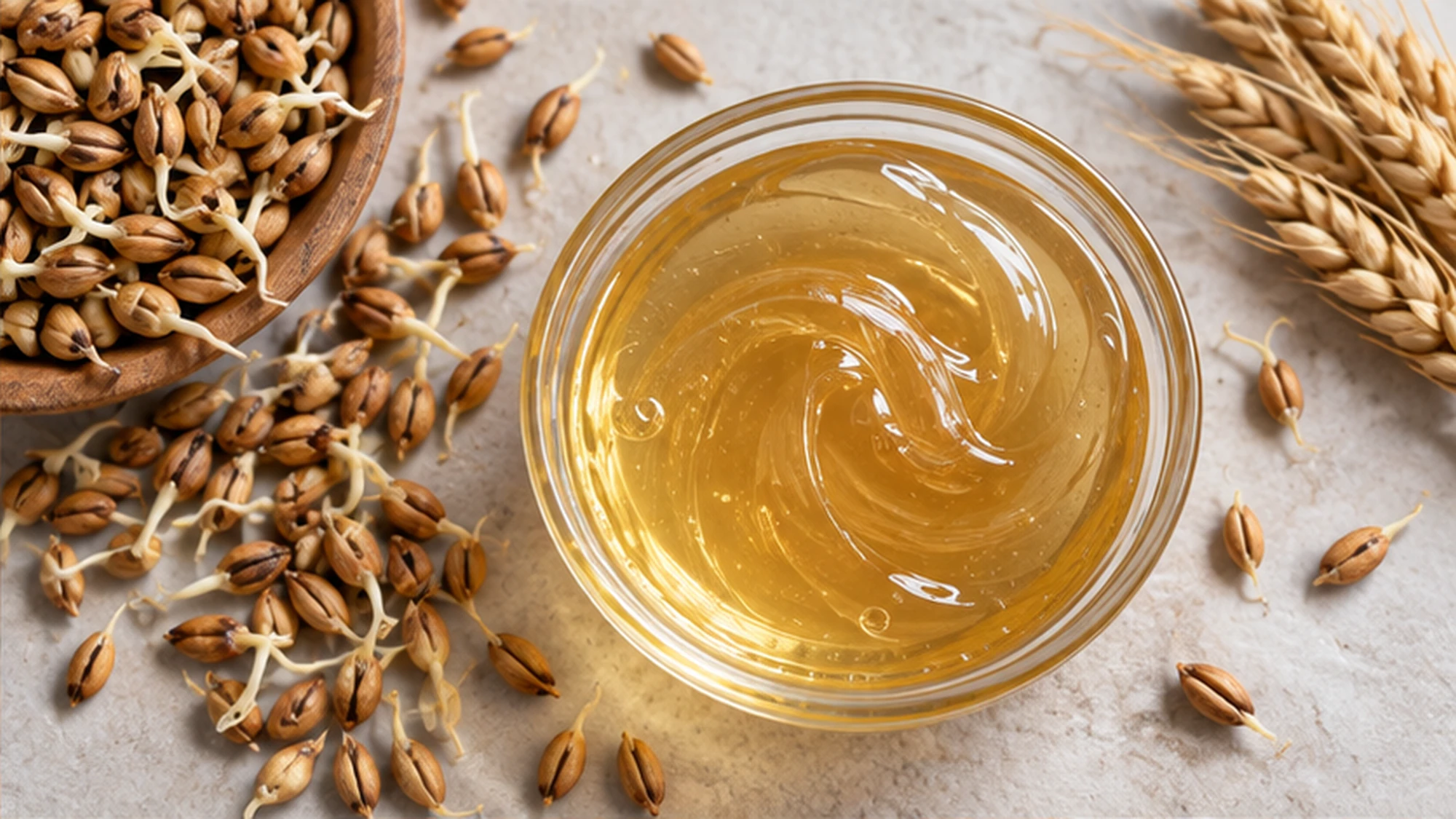
Maltose can form as starch is broken down. The American Society of Baking explains that commercial production can use starch processing or grain malting. It can be sold as crystals or syrup, and syrups can contain different proportions of maltose rather than being pure maltose dissolved in water.
- Maltose: the name of a particular sugar.
- Maltose syrup: a product whose composition and concentration need checking.
- Malted grain: a processed grain ingredient, not simply another name for the isolated sugar.
Why maltose matters in baking
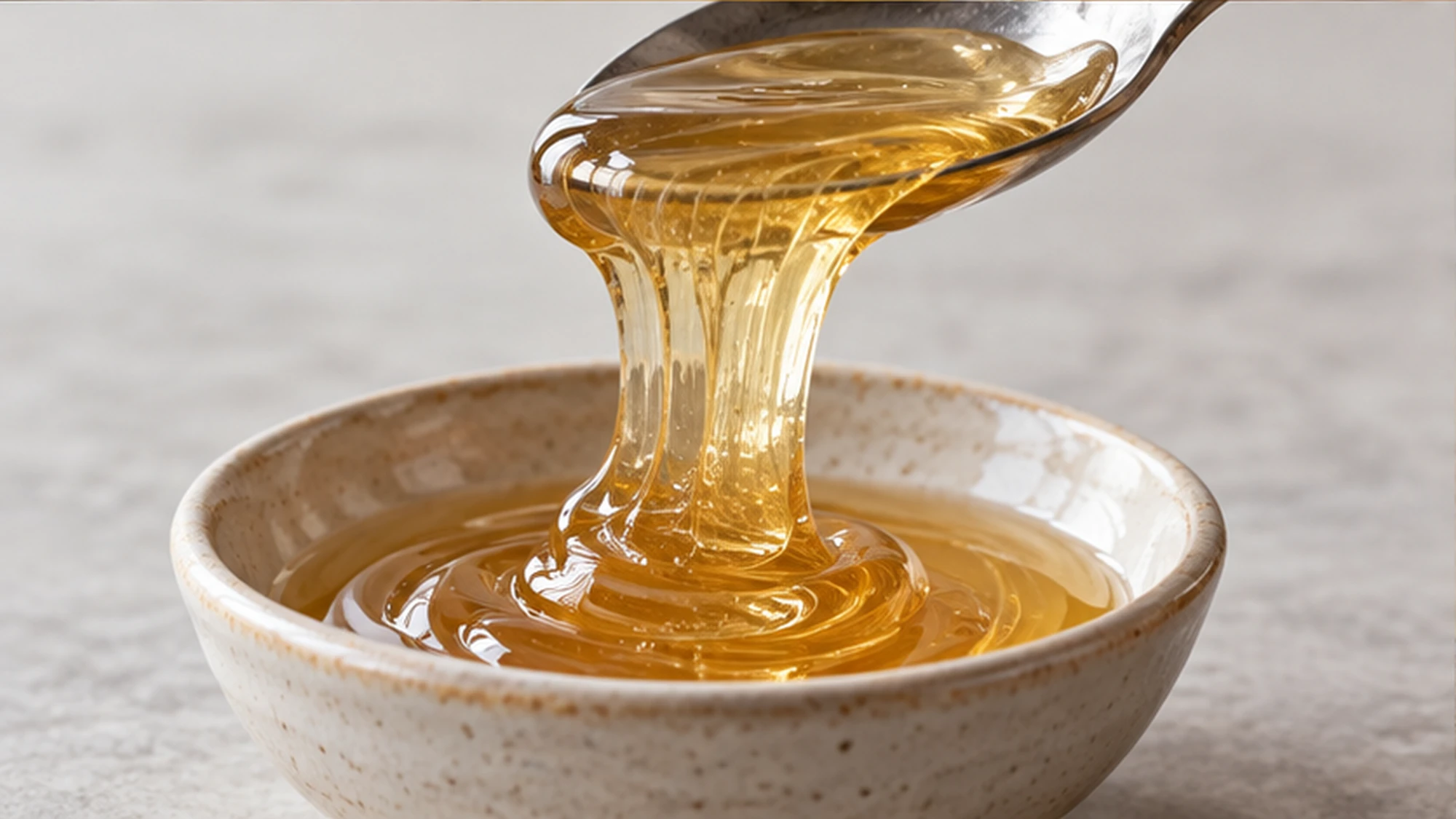
The baking association’s ingredient guide describes maltose as less sweet than sucrose and useful in yeast fermentation, moisture retention, and browning. Those functions help explain why a recipe may choose it for more than a sugary taste.
Less sweet does not mean you should automatically add more. A larger quantity also changes the amount of sugar and, with a syrup, liquid in the mixture. A cookie dough, bread dough, and glaze do not need the same adjustment.
- Follow the specified form. A dry ingredient and a syrup are not automatically equal by the spoonful.
- Measure consistently. If the recipe gives grams, weighing a sticky syrup avoids guessing how much remains on the spoon.
- Keep the intended texture in mind. Sweetness is only one part of a baking formula; a successful swap must also suit the dough or coating.
Treat a syrup substitution as a change to the formula, not just a different flavor of sugar.
Maltose, malt syrup, and malt powder
Here is where I would be especially careful in the baking aisle. King Arthur Baking distinguishes enzyme-active diastatic malt from non-diastatic malt. The active form helps convert starch into sugars; too much can leave baked goods gummy.
| Ingredient | What to know | Buying decision |
|---|---|---|
| Maltose | A specific sugar | Check whether the recipe wants crystals or syrup. |
| Barley malt syrup | A malt-based sweetening ingredient | Use when the recipe specifically names it. |
| Diastatic malt powder | Contains active enzymes | Do not substitute casually for a sweetening syrup. |
| Non-diastatic malt powder | No active enzyme action | Match the recipe rather than assuming all malt powders are alike. |
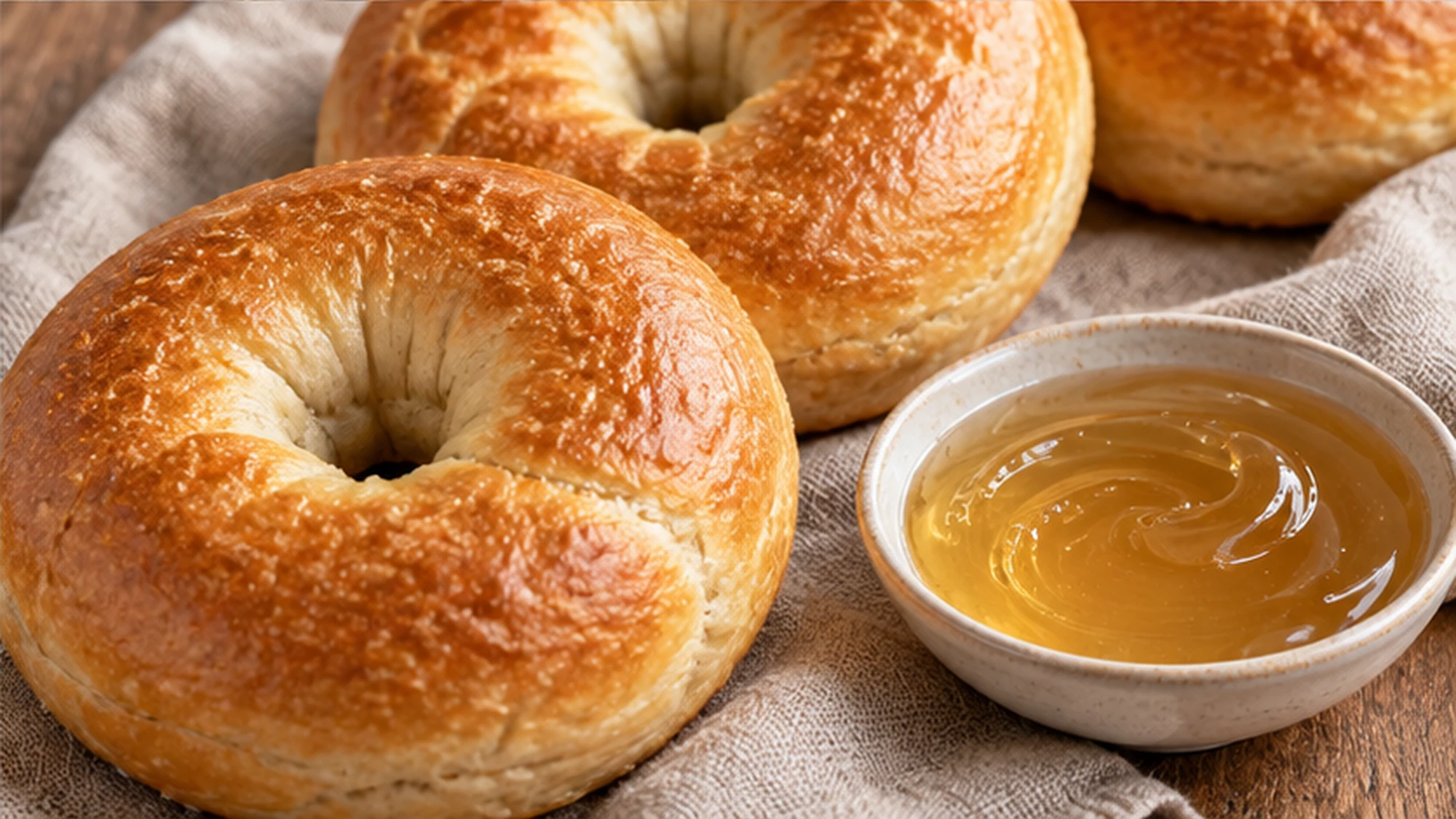
A bagel recipe calling for barley malt syrup is not permission to add an arbitrary amount of diastatic powder. Nor does a jar of maltose syrup tell you that it supplies the same flavor as barley malt. I prefer matching the named ingredient before experimenting, especially when the recipe already depends on a particular rise or crust.
Read maltose on a food label
Maltose remains sugar. The FDA’s added-sugars guide explains that sugars added during processing and sugars packaged as sweeteners contribute to added sugars. A technical-sounding ingredient name is not a reason to ignore the Nutrition Facts panel.
- Start with the serving size. Compare products using equivalent amounts, not one small spoon against a much larger portion.
- Read total and added sugars together. Added sugars are included in total sugars; do not add those two numbers again.
- Check the whole ingredient list. The word maltose alone cannot describe every other ingredient in a packaged syrup or baked food.
- Use the label for your actual product. One manufacturer’s formula is not a universal nutrition profile for every jar.
A useful comparison is practical rather than moral: what does the recipe need, how much will you use, and what does that serving contribute? A different sugar name cannot answer those questions for you. For another common labeling distinction, see our guide to sugar free ice cream versus no sugar added.
Bottom Line
Buy maltose for a recipe that needs its particular sugar or syrup properties. Match the form, avoid confusing it with diastatic malt, and assess the amount you use through the same label-reading habits you apply to other sweeteners.
The Organic Chemistry Tutor’s explanation below shows how maltose differs from other two-unit sugars. It is a chemistry overview, not a guide to substituting one commercial syrup for another.
Sources
- OpenStax: Carbohydrates and disaccharides
- American Society of Baking: Maltose
- King Arthur Baking: Diastatic and non-diastatic malt
- FDA: Added Sugars on the Nutrition Facts Label

Hi, I’m Emily Pocker! I share recipes and food guides here at Recipes360 to help you find everyday meal inspiration and feel more confident in the kitchen. My goal is to make cooking approachable, enjoyable, and full of flavor.